The Magnificent Stonecrop (Sedum pallidum var. bithynicum): A Comprehensive Guide
Sedum pallidum var. bithynicum, commonly known as Stonecrop, is a versatile and low-maintenance plant that has been gaining popularity among gardeners and landscape enthusiasts around the world. This succulent plant is known for its resilience and diverse uses in landscaping, making it a valuable addition to any garden or outdoor space. In this comprehensive guide, we will delve into all aspects of Stonecrop, including its culture, uses, care requirements, common diseases and pests, propagation, and much more. Whether you are a seasoned gardener or a novice plant enthusiast, this guide will equip you with the knowledge and skills to cultivate and enjoy the beauty of Stonecrop in various settings.
What is Stonecrop (Sedum pallidum var. bithynicum)?
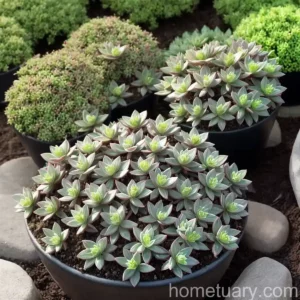
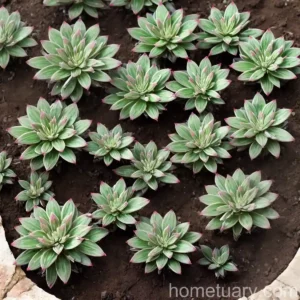
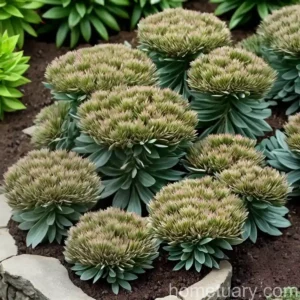
Stonecrop (Sedum pallidum var. bithynicum) belongs to the Crassulaceae family and is a low-growing perennial succulent native to the Mediterranean region, particularly in areas such as Turkey and Greece. The plant is characterized by its fleshy, often grey-green, needle-shaped leaves and delicate, star-like flowers that bloom in clusters during the growing season. Stonecrop is valued for its ability to thrive in various environmental conditions and its capacity to create visually stunning ground covers or container displays.
Key Takeaways
Before diving into the specifics of Stonecrop care and cultivation, here are some key takeaways for quick reference:
-
Culture: Stonecrop is a resilient and adaptable plant that thrives in diverse environments. Its ability to withstand various climate conditions and soil types makes it a popular choice for landscaping and container gardening.
-
Uses: Stonecrop is widely used in landscaping as ground cover, in rock gardens, and as container plants. Its low maintenance and drought tolerance make it an appealing option for both residential and commercial landscapes.
-
Water: Stonecrop has moderate water needs and is well-suited for water-wise gardening. Over-watering should be avoided to prevent issues such as root rot.
-
Sunlight: Thriving in full sun to partial shade, Stonecrop is versatile in its sunlight requirements. It can adapt to different light conditions, but adequate sun exposure generally promotes robust growth and flowering.
-
Fertilizer: While Stonecrop is not finicky about fertilization, a balanced, low-nitrogen fertilizer applied sparingly during the growing season can support healthy growth and flowering.
-
Soil: Well-draining soil is essential for Stonecrop, and it can thrive in various soil types, including sandy, rocky, or loamy soils.
-
Pruning: Minimal pruning is needed for Stonecrop, primarily to remove spent flower heads and maintain a tidy appearance.
-
Propagation: Stonecrop can be propagated through cuttings, division, or seeds, providing opportunities for expanding your plant collection or sharing with fellow gardening enthusiasts.
-
Container Popularity: The compact and attractive nature of Stonecrop makes it well-suited for container gardening, both indoors and outdoors.
-
Common Diseases and Pests: While Stonecrop is generally resistant to diseases and pests, proper care and maintenance are essential to prevent issues such as fungal infections and aphid infestations.
-
Botanist’s Tips: Understanding the natural habitat and growth habits of Stonecrop can inform its successful cultivation and integration into various garden designs and landscapes.
Now, let’s delve into each of these aspects in more detail to understand how to best care for and appreciate the beauty of Stonecrop.
Culture
Stonecrop’s unique cultural adaptability and aesthetic appeal have made it a sought-after plant for various landscaping and gardening purposes. Understanding the cultural requirements of Stonecrop is essential for creating optimal growing conditions and ensuring its long-term health and vitality.
Uses
Landscaping and Ground Cover
Stonecrop is a popular choice for creating visually striking ground covers in gardens, parks, and public spaces. Its low-growing habit and dense foliage make it an excellent option for filling in bare patches or slopes, where it can effectively suppress weeds and retain soil moisture. Additionally, Stonecrop’s ability to thrive in rocky and dry conditions makes it well-suited for rock gardens and xeriscapes, contributing to a diverse and visually appealing landscape.
Container Gardening
In addition to its use in outdoor landscapes, Stonecrop is well-suited for container gardening, both indoors and outdoors. Its compact growth habit and low maintenance requirements make it an ideal choice for adorning patios, balconies, and even windowsills. Furthermore, the variety of colors and textures available in different Stonecrop cultivars can add visual interest to container arrangements, providing an attractive focal point or complementing other plants in mixed container displays.
Water
Understanding Stonecrop’s water needs is essential for maintaining its health and preventing issues associated with over- or under-watering. As a succulent, Stonecrop is adapted to store water in its fleshy leaves, allowing it to withstand periods of drought and thrive in arid environments. Consequently, it is well-suited for water-wise gardening and xeriscaping, where it can contribute to sustainable landscape designs.
Watering Guidelines
-
Established Plants: Once established, Stonecrop is relatively drought-tolerant and typically requires infrequent watering. It is important to allow the soil to dry out between watering to prevent waterlogging and root rot.
-
Young Plants: Newly planted or young Stonecrop may need more frequent watering to establish their root systems. After planting, monitor the soil moisture regularly and water as needed to support their initial growth and establishment.
-
Seasonal Considerations: During the growing season, regular rainfall may provide sufficient moisture for Stonecrop, reducing the need for supplemental irrigation. However, in periods of prolonged drought, particularly in hot climates, occasional watering can help maintain the plant’s vigor and prevent stress.
Sunlight
Sunlight plays a crucial role in the growth, flowering, and overall health of Stonecrop. Understanding its sunlight requirements will help create an optimal environment for this resilient succulent.
Sun Exposure
-
Full Sun: Stonecrop thrives in full sun, benefiting from at least 6-8 hours of direct sunlight per day. In such conditions, it displays vigorous growth and produces copious clusters of flowers, adding visual appeal to garden beds and containers.
-
Partial Shade: While it prefers full sun, Stonecrop can also tolerate partial shade, particularly in regions with intense summer heat. In such environments, providing some protection from the harsh midday sun can prevent leaf scorch and promote overall plant health.
Fertilizer
Stonecrop’s moderate fertilization requirements contribute to its reputation as a low-maintenance plant. While it can thrive without heavy feeding, providing some nutrients during the growing season can support healthy growth and floral abundance.
Fertilization Tips
-
Timing: Apply a balanced, low-nitrogen fertilizer in early spring, as Stonecrop emerges from its winter dormancy. Avoid excessive nitrogen, which can promote lush foliage at the expense of flower production.
-
Application: Use a water-soluble or granular fertilizer, applying it according to the manufacturer’s instructions. A light application once a year is generally sufficient to provide the necessary nutrients for healthy growth and flowering.
-
Container Grown Stonecrop: If growing Stonecrop in containers, dilute the fertilizer to half or a quarter of the recommended strength to prevent over-fertilization, which can lead to salt buildup in the soil.
Soil
The right soil conditions are crucial for the successful cultivation of Stonecrop. Well-draining soil is imperative to prevent waterlogged conditions, root rot, and other moisture-related issues.
Soil Requirements
-
Drainage: Stonecrop thrives in well-draining soil and can suffer if planted in heavy or poorly draining soil. Amending the soil with coarse sand, perlite, or organic matter can improve drainage and create an optimal growing medium for Stonecrop.
-
Soil pH: While Stonecrop can tolerate a wide range of soil pH levels, it generally prefers slightly acidic to slightly alkaline soils (pH 6.0-7.5). Conducting a soil test can provide valuable insights into the existing pH and nutrient levels, allowing for targeted soil amendments if necessary.
-
Soil Types: Stonecrop is adaptable to various soil types, including sandy, loamy, and rocky soils. Its ability to thrive in rocky and gravelly soils reflects its natural habitat in mountainous and dry regions.
Pruning
Minimal pruning is typically required to maintain the attractive appearance of Stonecrop and promote healthy growth and flowering. Understanding when and how to prune this succulent will ensure its continued beauty and longevity in your garden or landscape.
Pruning Techniques
-
Deadheading: Removing spent flower heads can encourage additional blooming and prevent the plant from directing energy into seed production. Simply snip off the faded blooms as they wither, promoting a tidy and vibrant display of flowers.
-
Spring Cleanup: In early spring, inspect the plant for any damaged or diseased foliage, removing any dead or discolored leaves to promote fresh growth. This is also an opportune time to remove any winter debris or accumulated organic matter around the base of the plant.
Propagation
Stonecrop’s ease of propagation through various methods provides opportunities for expanding your plant collection and sharing its beauty with others.
Propagation Methods
-
Division: Divide mature Stonecrop plants in early spring to create new starts. Carefully lift the plant from the ground or container and separate the rooted offsets, ensuring that each division has a sufficient root system and a few healthy stems.
-
Cuttings: Take stem cuttings from healthy Stonecrop plants during the growing season. Allow the cut ends to callus for a day or two before planting them in well-draining soil, where they can develop roots and establish as new plants.
-
Seeds: While not commonly practiced due to the plant’s prolific ability to propagate vegetatively, Stonecrop seeds can be collected from mature flower heads and sown in a well-prepared seed-starting medium. However, keep in mind that seed-grown plants may exhibit some natural variation due to hybridization and genetic diversity.
Container Popularity
The compact growth habit and ornamental appeal of Stonecrop have made it a favored choice for container gardening enthusiasts. Understanding its requirements and potential uses in containers is essential for creating thriving and visually captivating displays.
Container Growing Tips
-
Container Selection: Choose well-draining containers with adequate drainage holes to prevent waterlogging. Terra cotta, ceramic, or lightweight plastic containers are all suitable options for growing Stonecrop.
-
Soil Medium: Use a well-draining potting mix formulated for succulents or cacti, or create a customized mix using coarse sand, perlite, and peat moss or coconut coir. This will provide a suitable growing medium that mimics the plant’s preferred soil conditions.
-
Watering: Monitor the soil moisture in containers, allowing the top inch of the soil to dry out before watering. Ensure that excess water can freely drain from the container to prevent waterlogged conditions.
-
Sunlight: Place container-grown Stonecrop in a location that receives ample sunlight, such as a south-facing patio or balcony. Regular exposure to sunlight will promote healthy growth and flowering.
-
Overwintering: In regions with cold winters, consider overwintering container-grown Stonecrop in a protected area, such as a greenhouse or indoors near a sunny window. Reduce watering during the dormant period and resume regular care in spring.
Common Diseases and Pests
Stonecrop is known for its resilience and relatively low susceptibility to diseases and pests. However, certain environmental conditions and cultural practices can predispose the plant to issues that require attention and intervention.
Disease Prevention
Fungal Infections
Excessive moisture and poor air circulation can create conditions conducive to fungal diseases, such as powdery mildew and stem rot. Preventing these issues involves maintaining proper cultural practices and providing optimal growing conditions.
-
Adequate Air Circulation: Ensure that Stonecrop plants are not overcrowded, allowing for sufficient air movement between individual plants. This reduces humidity levels and minimizes the risk of fungal infections.
-
Watering Practices: Avoid overhead watering, particularly in the evening, as it can prolong leaf wetness and create a favorable environment for fungal growth. Instead, water the soil directly at the base of the plant to minimize moisture on the foliage.
-
Well-Draining Soil: Planting Stonecrop in well-draining soil and ensuring that containers have adequate drainage can prevent waterlogged conditions that promote fungal diseases.
Pest Control
While Stonecrop is not a magnet for pests, certain common garden pests may occasionally target the plant, requiring vigilant monitoring and appropriate action.
Aphids
Aphids are small, sap-sucking insects that can cluster on the new growth of plants, including Stonecrop. Their feeding can lead to distorted growth and the transmission of viral diseases.
-
Natural Predators: Encourage beneficial insects, such as ladybugs and lacewings, which feed on aphids and help maintain their populations in check.
-
Horticultural Oils: Use horticultural oils or insecticidal soaps to control aphid infestations. These products work by suffocating the pests and are less harmful to beneficial insects.
-
Pruning Infested Growth: If aphids are concentrated on specific parts of the plant, such as the tips of new shoots, pruning and disposing of the infested portions can help reduce the infestation’s severity.
Botanist’s Tips
Understanding the natural growth habits, habitat, and versatility of Stonecrop can inform its successful cultivation and integration into various garden designs and landscapes.
Growth Habits
Stonecrop exhibits a low-growing and spreading growth habit, forming dense mats of foliage that provide ground cover and erosion control. Recognizing its growth characteristics helps in selecting optimal planting locations and designing cohesive landscapes.
-
Spacing: When planting Stonecrop as ground cover, allow sufficient spacing between individual plants to accommodate their spread and prevent overcrowding.
-
Erosion Control: Utilize Stonecrop on slopes and embankments to stabilize soil and prevent erosion. Its dense root system and low water requirements make it an effective choice for erosion-prone areas.
Landscaping Ideas
Integrating Stonecrop into landscape designs offers numerous creative possibilities, from rock gardens and border edging to mixed perennial beds and container arrangements.
-
Rock Gardens: Create captivating rock gardens using a mix of Stonecrop varieties, incorporating contrasting foliage and flower colors to add visual interest within the rocky landscape.
-
Border Plantings: Use Stonecrop as a low-maintenance border plant along walkways or garden beds, framing the space with its dense and colorful foliage.
-
Mixed Plantings: Pair Stonecrop with other drought-tolerant and low-maintenance perennials, such as lavender, yarrow, and ornamental grasses, to create visually engaging and sustainable plant combinations.
Cold Hardiness
Stonecrop exhibits resilience to cold temperatures, making it suitable for temperate and cooler regions. However, providing some protection during extreme cold spells can help prevent potential frost damage.
-
Mulching: Apply a layer of organic mulch around the base of the plants in late fall to insulate the roots and protect them from temperature fluctuations.
-
Winter Containers: For container-grown Stonecrop, consider moving the containers to a sheltered location or providing frost protection during periods of extreme cold to prevent damage to the foliage and root system.
Companion Plants
Selecting compatible companion plants to grow alongside Stonecrop can contribute to a harmonious and visually appealing garden environment.
-
Sedums and Sempervivums: Pair different Sedum species and Sempervivums (hens and chicks) to create a diverse and textured succulent display in rock gardens and container arrangements.
-
Grasses and Perennials: Combine Stonecrop with ornamental grasses, such as feather reed grass and blue fescue, as well as perennials like coneflowers and black-eyed Susans, to create dynamic and water-wise border plantings.
Fun Facts
As a versatile and visually captivating plant, Stonecrop offers several interesting and noteworthy attributes that capture the fascination of plant enthusiasts and nature lovers.
Environmental Benefits
-
Pollinator Attraction: The nectar-rich flowers of Stonecrop attract bees, butterflies, and other pollinators, contributing to the ecological diversity and providing vital resources for beneficial insects.
-
Wildlife Habitat: Beyond pollinators, Stonecrop’s dense foliage can provide shelter and nesting sites for small insects and ground-dwelling wildlife, contributing to the local ecosystem’s biodiversity.
Medicinal Properties
In traditional medicine, Stonecrop has been used for its purported medicinal properties, including its application as a wound-healing agent and its potential benefits for skin ailments and digestive issues. While its contemporary medicinal uses may be limited, its historical significance in herbal medicine is noteworthy.
Folklore and Symbolism
Stonecrop has been associated with various folklore and symbolism in different cultures. In some traditions, it is believed to bring luck and prosperity, while in others, it is symbolic of endurance and resilience, reflecting its ability to thrive in challenging environments.
Links to External Resources
To further expand your knowledge and appreciation of Stonecrop (Sedum pallidum var. bithynicum), consider exploring the following resources:
- The Royal Horticultural Society (RHS)
- Missouri Botanical Garden – Plant Finder
- University of Florida IFAS Extension – Gardening Solutions
- American Horticultural Society – Plant Profile
- Garden Design Magazine – Succulents and Cacti
With the wealth of information and resources available, you can continue to explore and cultivate your passion for Stonecrop and other ornamental plants, further enriching your gardening endeavors.
In conclusion, Stonecrop (Sedum pallidum var. bithynicum) stands as a shining example of horticultural diversity and resilience, offering endless opportunities for innovative landscaping and sustainable gardening practices. By understanding its culture, uses, care requirements, and ecological significance, we can appreciate and celebrate the enduring beauty and environmental contributions of this remarkable succulent.
Note: The information provided in this guide is intended for educational and informational purposes and should not be considered as professional horticultural or medical advice. When implementing new gardening practices or considering medicinal uses of plants, it is advisable to consult with local horticultural experts and healthcare professionals for guidance tailored to your specific circumstances and needs.