Steeplebush (Spiraea Tomentosa)
In today’s blog post, we are going to explore the captivating world of steeplebush or Spiraea tomentosa. This enchanting shrub has gained popularity due to.
In today’s blog post, we are going to explore the captivating world of steeplebush or Spiraea tomentosa. This enchanting shrub has gained popularity due to its beautiful flowers and its diverse uses in landscaping and gardening. From its cultural preferences to its role in herbal medicine and its ecological significance, there is so much to learn about this fascinating plant.
So, let’s delve into the world of steeplebush and uncover the secrets of growing, caring for, and using Spiraea tomentosa.
What is steeplebush (Spiraea tomentosa)?
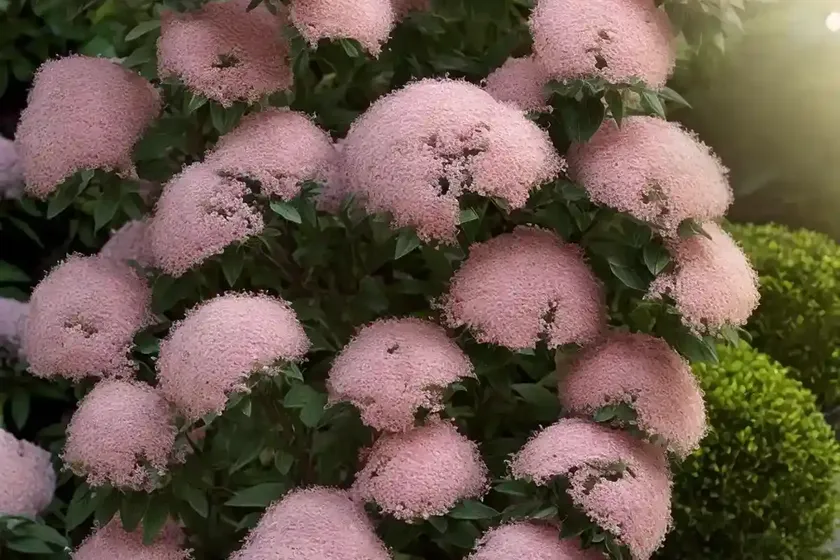
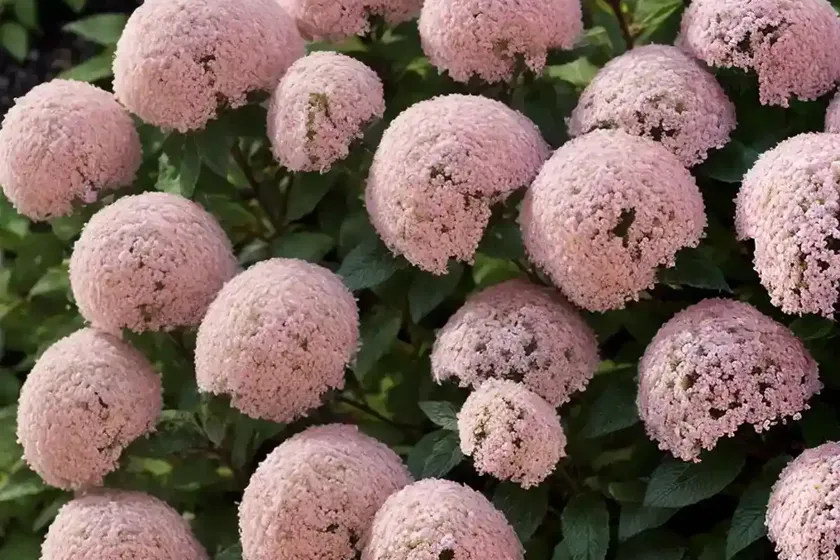
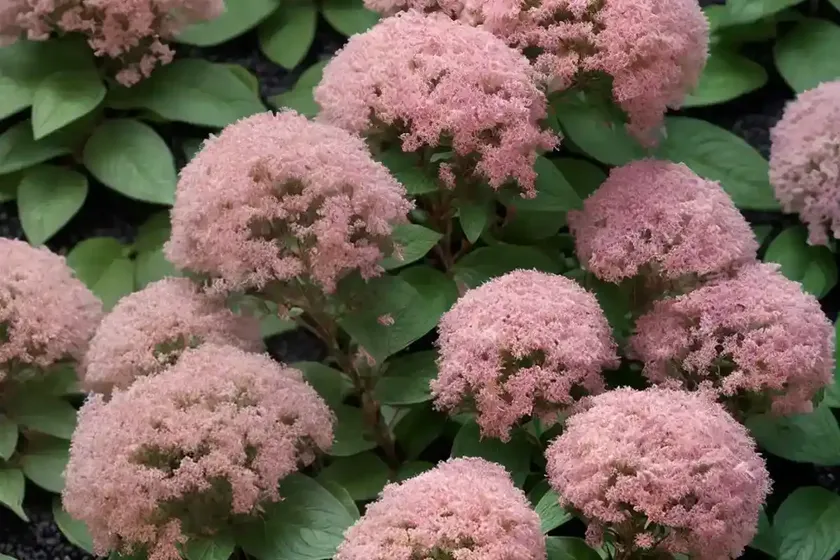
Steeplebush (Spiraea tomentosa), also known as hardhack, is a deciduous shrub belonging to the Rosaceae family. It is native to eastern North America and is commonly found in wetland areas such as bogs, marshes, and stream banks. This plant is characterized by its dense, narrow, tapering clusters of pink or rose-colored flowers that bloom atop upright stems in the summer.
The steeplebush shrub typically grows to a height of 2 to 4 feet with a spread of 2 to 3 feet, forming a rounded, dense mound of foliage. Its leaves are oval with toothed margins, and they have a woolly texture on the underside, giving the plant its species name tomentosa, which means “covered with fine, matted hairs.”
In the wild, steeplebush serves as a valuable native plant, providing food and habitat for various wildlife species, especially pollinators such as bees and butterflies.
Key Takeaways – Spiraea tomentosa
Before we dive deeper into the world of steeplebush, let’s highlight some key takeaways about this remarkable plant:
- Botanical Name: Spiraea tomentosa
- Common Names: Steeplebush, hardhack
- Family: Rosaceae
- Native Habitat: Eastern North America, particularly wetland areas
- Growth Habit: Deciduous shrub with dense, narrow clusters of pink flowers
- Cultural Significance: Valued for its ornamental beauty, ecological role, and medicinal uses
Now, let’s explore the essential aspects of growing and caring for steeplebush in various settings, including gardens, landscapes, and natural habitats.
Culture
Water
Steeplebush thrives in moist to wet soil conditions, making it an excellent choice for rain gardens, bog gardens, and areas with poor drainage. While it prefers consistent moisture, it can tolerate brief periods of drought once established. Ensuring proper soil moisture is essential, especially during the plant’s establishment period and during prolonged dry spells.
Sunlight
In terms of sunlight requirements, Spiraea tomentosa performs best in full sun to partial shade. It can tolerate a range of light conditions, but to promote abundant flowering and compact growth, providing at least 6 hours of direct sunlight per day is ideal.
Fertilizer
Generally, steeplebush does not have high fertilizer requirements, especially when grown in its preferred moist, organically rich soil. However, if the plant shows signs of nutrient deficiency such as yellowing leaves or stunted growth, applying a balanced, slow-release fertilizer in the spring can help support its overall health and vigor. Always follow the recommended application rates to prevent over-fertilization.
Soil
The ideal soil for steeplebush is consistently moist, well-draining, and rich in organic matter. It thrives in slightly acidic to neutral soil pH, ranging from 5.5 to 7.0. When planting or transplanting steeplebush, amending the soil with compost or peat moss can enhance its moisture retention and create a favorable growing environment.
Pruning
Pruning steeplebush is typically done to maintain its shape, remove dead or damaged branches, and promote vigorous growth. The best time to prune Spiraea tomentosa is in late winter to early spring before new growth emerges. During this period, you can selectively prune the oldest stems to encourage the development of new, healthy growth and to rejuvenate the plant.
Propagation
Steeplebush can be propagated through various methods, including seed propagation and vegetative propagation. If collecting seeds from mature fruits, sow them in a prepared seedbed in the fall to allow for natural stratification over the winter. Additionally, softwood or hardwood cuttings taken in late spring through early summer can be used to propagate new plants, with the potential for high success rates under favorable conditions.
Container Popularity
While steeplebush is primarily known for its role in naturalistic landscapes and wetland gardens, it can also be grown in large containers filled with a suitable potting mix. This allows gardeners with limited garden space to enjoy the beauty of Spiraea tomentosa on patios, balconies, or any outdoor setting that receives adequate sunlight and moisture.
Container
When cultivating steeplebush in containers, consider using a spacious, well-draining container that allows for uniform moisture retention. Ensure that the container has drainage holes to prevent waterlogging, and use a high-quality potting mix formulated for shrubs and perennials.
Common Diseases
Steeplebush is relatively resistant to diseases, especially when grown in favorable conditions. However, certain environmental stressors or cultural practices may predispose the plant to potential diseases such as leaf spot, powdery mildew, or root rot. Proper sanitation, adequate air circulation, and maintaining overall plant health through proper watering and feeding can help prevent the onset of common diseases.
Disease Diagnosis
Diagnosing plant diseases can be challenging, as symptoms often overlap between different pathogens. If you notice any abnormal changes in the foliage, such as spots, discoloration, or wilting, consider consulting a local extension service or a plant health specialist to accurately diagnose the issue and determine the most effective control measures.
Common Pests
Steeplebush is not typically prone to severe pest infestations, but it may occasionally attract certain insect pests such as aphids, spider mites, or leaf-feeding beetles. Regular monitoring of the plant for signs of pest activity, such as distorted growth or visible pests, can help in early intervention and the use of targeted control methods if necessary.
Botanist’s Tips
Here are some valuable tips from botanists on growing and caring for steeplebush:
- Native Plant Landscaping: Incorporate Spiraea tomentosa in landscaping projects focused on native plant restoration, wetland conservation, or wildlife habitat creation.
- Companion Planting: Pair steeplebush with other moisture-loving, native species to create biodiverse plant communities that support pollinators and beneficial insects.
- Wetland Restoration: Utilize steeplebush in wetland restoration efforts to stabilize soil, improve water quality, and enhance the ecological value of riparian areas.
Fun Facts
Uncover some intriguing facts about steeplebush that showcase its unique characteristics and ecological importance:
- The genus name Spiraea is derived from the Greek word speiraira, meaning “twine,” referencing the traditional use of some species’ branches in weaving.
- Steeplebush is a valuable source of nectar for pollinators and is especially attractive to butterflies and bees.
Now that we’ve gained a comprehensive understanding of steeplebush, let’s explore some external resources for further information on this captivating plant.
Links to External Resources
Here are some external resources where you can find more information about Spiraea tomentosa:
- North Carolina State University Extension: Growing Spiraea tomentosa in the Landscape
- University of Florida IFAS Extension: Steeplebush, Spiraea tomentosa
- Missouri Botanical Garden: Spiraea tomentosa
- Lady Bird Johnson Wildflower Center: Spiraea tomentosa
By exploring these reputable sources, you can gain insights into the specific requirements, uses, and conservation aspects of steeplebush, enabling you to make informed decisions when incorporating this plant into your landscape or garden.
In conclusion, Spiraea tomentosa stands as a resilient, ornamental, and ecologically valuable shrub that deserves a place in diverse landscapes, from wetland restorations to home gardens. Its charming flowers, adaptability to wet soils, and contributions to wildlife make it a rewarding addition to any plant enthusiast’s collection. Embracing the beauty and utility of steeplebush enriches both our natural surroundings and our gardening experiences.
As you embark on your journey with steeplebush, may these insights and tips guide you in fostering thriving, vibrant displays of Spiraea tomentosa in your outdoor spaces.
Disclaimer: The information provided in this article is for educational and informational purposes only. The reader is encouraged to consult with local gardening experts and extension services for specific recommendations tailored to their unique growing conditions.


