Tanner’s Sumac (Rhus Coriaria)
In the world of horticulture, the Tanner’s Sumac (Rhus coriaria) is a remarkable and versatile plant with a rich history of cultural, culinary, and.
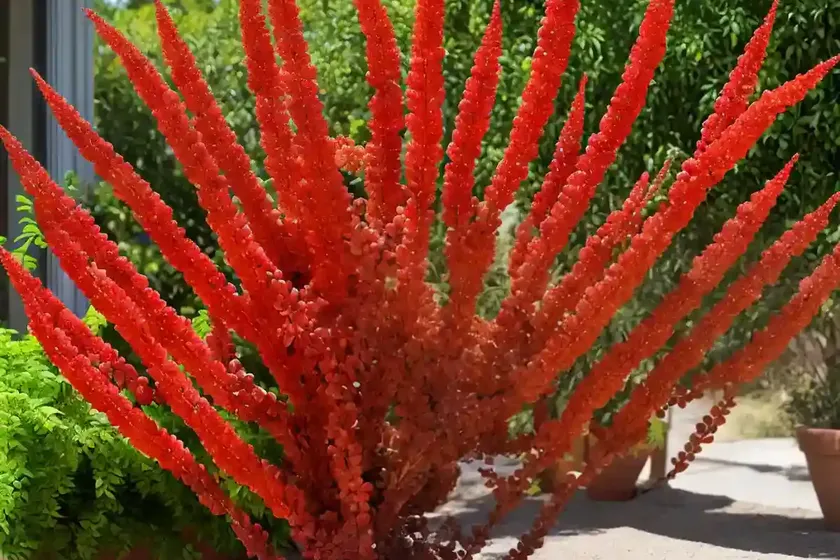
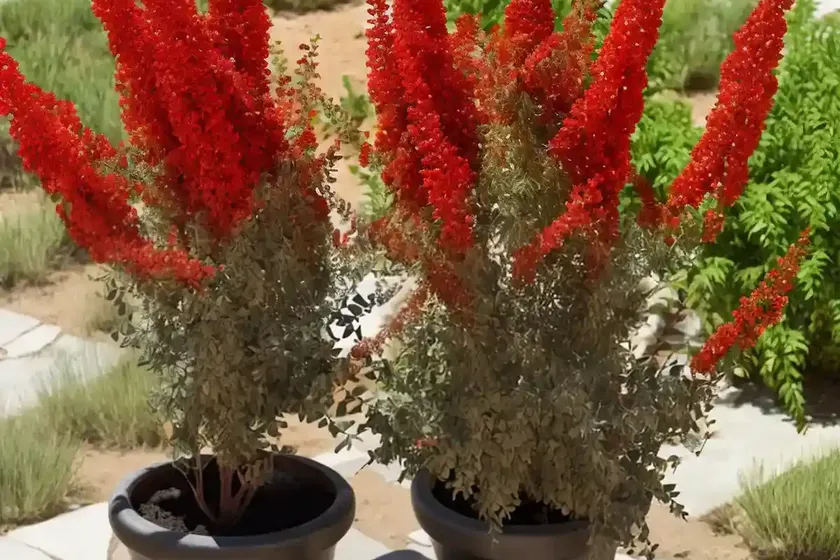
In the world of horticulture, the Tanner’s Sumac (Rhus coriaria) is a remarkable and versatile plant with a rich history of cultural, culinary, and medicinal uses. In this comprehensive guide, we will delve into the various facets of this fascinating plant, from its cultivation and medicinal properties to its uses in landscaping and traditional medicine. So, whether you are a seasoned gardener, a culinary enthusiast, or simply an admirer of nature, this article will provide you with valuable insights into the Tanner’s Sumac and its diverse applications.
What is the Tanner’s Sumac (Rhus coriaria)?
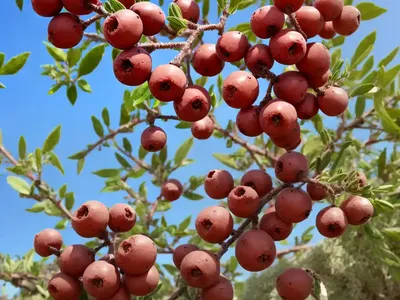
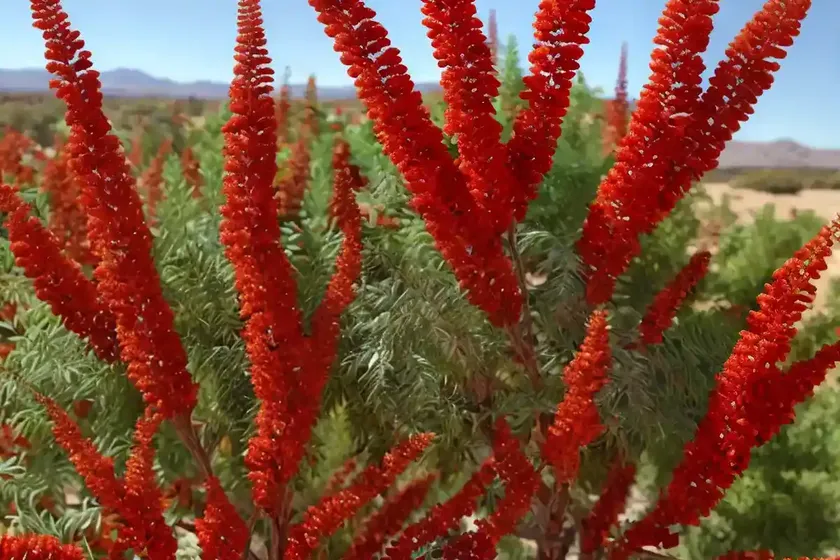
Scientifically known as Rhus coriaria, Tanner’s Sumac is a deciduous shrub or small tree belonging to the family Anacardiaceae. This plant is native to the Mediterranean region, where it thrives in arid and semi-arid environments. Tanner’s Sumac is renowned for its clusters of red, burgundy, or dark purple edible fruits, which are commonly used as a spice and flavoring agent in various culinary traditions.
Key Takeaways – Tanner’s Sumac (Rhus coriaria)
Before we explore the diverse aspects of the Tanner’s Sumac, let’s summarize some key takeaways about this remarkable plant:
- Plant Name: Tanner’s Sumac (Rhus coriaria)
- Scientific Classification: Kingdom – Plantae, Order – Sapindales, Family – Anacardiaceae, Genus – Rhus, Species – R. coriaria
- Native Habitat: Mediterranean region
- Cultivation: Well-drained soil, full sunlight, moderate water, and minimal pruning
- Uses: Culinary spice, medicinal properties, ornamental landscaping, natural dye, and ecological benefits
- Special Attributes: Drought-tolerant, versatile, and environmentally beneficial
Now, let’s delve deeper into the various aspects of cultivating and utilizing Tanner’s Sumac, along with its cultural, culinary, and medicinal significance.
Cultivation of Tanner’s Sumac
The successful cultivation of Tanner’s Sumac involves understanding its specific requirements related to water, sunlight, soil, fertilizer, and pruning techniques. Let’s explore each of these aspects in detail.
Water
Tanner’s Sumac is well-adapted to arid and semi-arid environments, exhibiting significant drought tolerance once established. When cultivating Tanner’s Sumac, it is important to provide moderate water during its initial establishment period to promote healthy root growth. Once established, the plant generally thrives with minimal supplemental irrigation, making it an ideal choice for water-conservation landscapes.
Sunlight
To thrive and produce an abundant crop of flavorful fruits, Tanner’s Sumac requires full sunlight. Planting this species in a location that receives ample sunlight throughout the day is essential for optimal growth and fruit production.
Fertilizer
Tanner’s Sumac is relatively low-maintenance and typically does not require heavy fertilization. However, if the soil is particularly nutrient-deficient, a balanced, slow-release fertilizer can be applied in early spring to support healthy growth and fruit development. It is advisable to perform a soil test to determine if fertilization is necessary and to identify any specific nutrient deficiencies.
Soil
The ideal soil for Tanner’s Sumac is well-drained and slightly acidic to neutral. It thrives in various soil types, including sandy, loamy, and rocky soils, as long as they provide good drainage. Compacted or waterlogged soil should be avoided to prevent root rot and other moisture-related issues.
Pruning
Tanner’s Sumac generally requires minimal pruning, primarily for shaping and removing any dead or damaged branches. Regular pruning is not necessary, as the plant naturally forms an attractive, well-structured canopy. When pruning, it is important to use sterilized cutting tools to prevent the spread of diseases.
Propagation of Tanner’s Sumac
Tanner’s Sumac can be propagated from seeds, cuttings, or root divisions. Each method has its own advantages and challenges, and the choice of propagation technique depends on the specific goals and resources of the grower.
- Seed Propagation: Propagating Tanner’s Sumac from seeds is relatively straightforward. The seeds should be sown in well-draining soil in the autumn. The following spring, the seedlings can be transplanted to their permanent location once they have developed an adequate root system.
- Cutting Propagation: Softwood cuttings can be taken in early summer, while hardwood cuttings are best collected during the dormant season. Rooting hormones can be used to enhance the success of cuttings, and they should be planted in a well-draining substrate until they have established a strong root system.
- Root Division: Tanner’s Sumac can also be propagated through root divisions, particularly for established plants. This method involves carefully dividing the root system and transplanting the divisions to new locations or containers.
Tanner’s Sumac in Containers
Tanner’s Sumac is well-suited for container cultivation, making it an excellent choice for patios, balconies, and small gardens. When growing Tanner’s Sumac in containers, the following considerations should be kept in mind:
- Container Size: Choose a container that provides ample room for the plant’s root system to develop. A deep container with adequate drainage holes is essential for the plant’s overall health and vigor.
- Soil: Select a well-draining potting mix that mimics the plant’s preferred soil conditions. Avoid heavy or water-retentive soils, as they can lead to root rot and other moisture-related issues.
- Watering: Container-grown Tanner’s Sumac may require more frequent watering than those planted in the ground, especially during hot and dry periods. However, it is important to avoid overwatering, as it can lead to root suffocation and other complications.
Popularity of Tanner’s Sumac
In recent years, Tanner’s Sumac has gained popularity not only as an ornamental plant but also for its culinary and medicinal uses. Its attractive foliage, striking fruit clusters, and low-maintenance nature make it a valuable addition to diverse landscapes, from traditional gardens to contemporary sustainable designs.
As interest in native and Mediterranean plants continues to grow, Tanner’s Sumac has captured the attention of landscape architects, horticulturists, and gardeners seeking resilient and versatile species. Its drought tolerance, wildlife attraction, and natural dye-producing abilities further contribute to its appeal in both residential and public spaces.
Common Diseases of Tanner’s Sumac
While Tanner’s Sumac is generally resistant to many pests and diseases, it is susceptible to certain issues under unfavorable growing conditions. Understanding the common diseases and their diagnosis is essential for maintaining healthy plants.
Disease Diagnosis
- Phytophthora Root Rot: This soil-borne pathogen can cause root rot, wilting, and overall decline in affected plants. It is important to ensure proper soil drainage and avoid overwatering, as these conditions promote the development of Phytophthora.
- Leaf Spot: Fungal leaf spot diseases, such as Mycosphaerella and Septoria, can cause spotting and discoloration of the leaves. These diseases are often favored by high humidity and moisture on the foliage, so maintaining good air circulation and avoiding overhead watering can help prevent their occurrence.
Common Pests Affecting Tanner’s Sumac
Tanner’s Sumac is relatively pest-resistant, but certain insects can occasionally pose a threat to its health and vigor. Identifying and addressing these pests promptly is crucial for protecting the plant.
- Aphids: These small, soft-bodied insects can cluster on the new growth of Tanner’s Sumac, sucking sap from the plant and causing distortion or discoloration of the leaves. A strong jet of water or insecticidal soap can be used to control aphid populations.
- Scale Insects: Scale insects can appear as small, immobile bumps on the stems and leaves of Tanner’s Sumac. These pests feed on plant sap and can weaken the plant over time. Pruning and the application of horticultural oil can help manage scale infestations effectively.
Botanist’s Tips for Growing Tanner’s Sumac
To ensure the successful cultivation and utilization of Tanner’s Sumac, here are some valuable tips from botanists and horticulture experts:
- Selecting Cultivars: When choosing Tanner’s Sumac cultivars, consider their specific attributes, such as fruit color, foliage size, and growth habits, to find the most suitable varieties for your desired applications.
- Planting in Groups: Mass plantings of Tanner’s Sumac can create striking visual impact, particularly when the plants are in full fruit. Consider incorporating groupings of this species in larger landscapes to maximize their ornamental and ecological benefits.
- Sustainable Landscaping: Tanner’s Sumac is a valuable component of sustainable and water-wise landscapes due to its low water requirements and wildlife habitat qualities. Integrating this plant into xeriscapes and native plant gardens can contribute to overall environmental conservation efforts.
Fun Facts about Tanner’s Sumac
- The dried and ground fruits of Tanner’s Sumac are commonly used as a spice in Middle Eastern cuisine, adding a tangy and citrusy flavor to dishes.
- The fruits of Tanner’s Sumac are rich in antioxidants and have been traditionally used to promote digestive health and overall well-being.
- In addition to its culinary and medicinal uses, Tanner’s Sumac has been utilized as a natural dye, producing shades of red, purple, and black depending on the mordants and application methods used.
Tanner’s Sumac: Links to External Resources
To further expand your knowledge and understanding of Tanner’s Sumac, the following external resources provide valuable insights, practical tips, and in-depth information:
- Tanner’s Sumac in Traditional Medicine
- Culinary Uses of Rhus Coriaria
- Ethnobotanical History of Rhus Coriaria
- Propagation Methods for Tanner’s Sumac
- Rhus Coriaria Fruit Production and Nutritional Value
In conclusion, Tanner’s Sumac (Rhus coriaria) stands as a multifaceted and valuable plant with a rich tapestry of cultural, culinary, and ecological significance. From its versatile applications in landscaping to its traditional uses in cuisine and medicine, this plant continues to captivate and inspire enthusiasts and practitioners across diverse disciplines. By integrating the knowledge and insights shared in this comprehensive guide, gardeners, herbalists, and nature lovers can cultivate, appreciate, and celebrate the unique properties of Tanner’s Sumac, contributing to the preservation and propagation of this remarkable botanical treasure.