Curled Dock (Rumex Crispus)
Curled Dock, scientifically known as Rumex Crispus, is a versatile plant that has been utilized for various purposes throughout history. This plant is not.
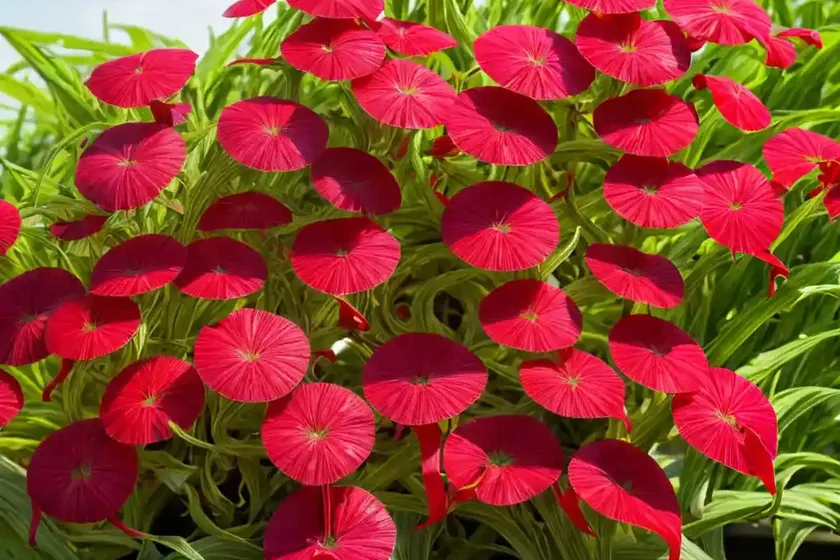
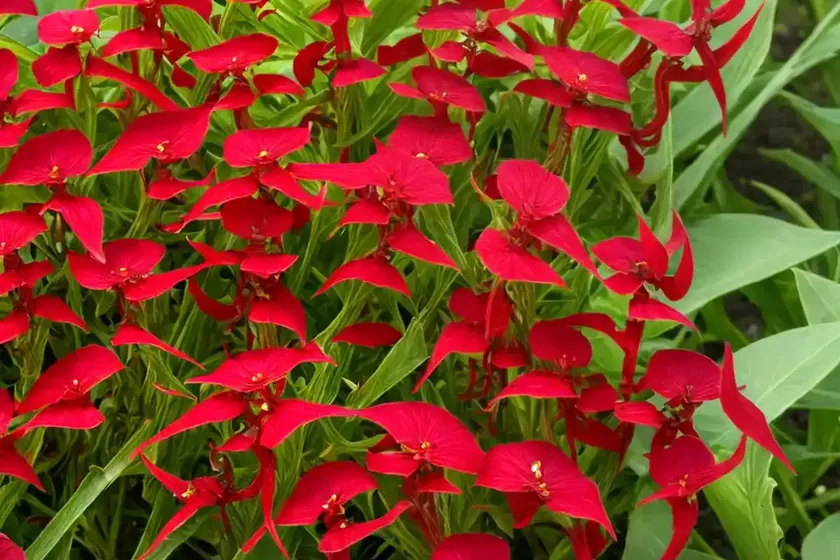

Curled Dock, scientifically known as Rumex Crispus, is a versatile plant that has been utilized for various purposes throughout history. This plant is not only known for its ecological adaptability but also for its potential medicinal and culinary uses. In this guide, we will explore the characteristics, cultivation, ecological significance, and practical applications of Curled Dock.
What is Curled Dock (Rumex Crispus)?
Curled Dock, also known as Curly Dock, is a perennial herbaceous plant belonging to the family Polygonaceae. It is native to Europe and Western Asia but has now naturalized in many other parts of the world, including North America. This plant is characterized by its deeply veined, lance-shaped leaves, and distinctive curly margins, from which it derives its common name.
Description of Curled Dock (Rumex Crispus)
- Scientific Classification:
- Kingdom: Plantae
- Clade: Tracheophytes
- Clade: Angiosperms
- Order: Caryophyllales
- Family: Polygonaceae
- Genus: Rumex
- Species: R. Crispus
Curled Dock (Rumex Crispus) Health Benefits
Curled Dock has been traditionally known for its potential health benefits, and some of its properties have been utilized in herbal remedies. The plant has been associated with several therapeutic properties, and its nutritional composition adds to its overall value as a potential natural remedy.
Rumex Crispus Medicinal Uses
As a traditional herbal remedy, Curled Dock has been used for various medicinal purposes, including but not limited to:
- Digestive health
- Liver detoxification
- Skin conditions
- Nutritional supplementation
The plant has been valued for its potential to support overall health and well-being through its various uses.
Curled Dock (Rumex Crispus) Characteristics and Adaptations
Curled Dock exhibits several noteworthy characteristics and adaptations that contribute to its ecological significance and potential uses. Some of these characteristics include:
- Drought tolerance
- Habitat adaptability
- Reproductive strategies
- Folklore traditions
- Cultural significance
These attributes make Curled Dock a fascinating subject for botanical study, ecological research, and potential applications in various domains.
Key Takeaways
Before delving into the specific aspects of Curled Dock’s cultivation, uses, and ecological significance, it’s essential to highlight some key takeaways about this versatile plant. The following points provide a concise overview of the primary aspects related to Curled Dock:
Curled Dock (Rumex Crispus) Plant Benefits
- Medicinal Uses: Traditional herbal remedy for digestive and skin health.
- Culinary Potential: Historical and potential culinary applications.
- Ecological Adaptability: Drought-tolerant and adaptable to various habitats.
- Cultural and Folklore Significance: Associated with folklore traditions and cultural uses.
Rumex Crispus: Growing Conditions and Care Tips
Curled Dock requires specific growing conditions and care to thrive effectively. Proper attention to water, sunlight, soil quality, and propagation methods can significantly influence the plant’s growth and potential uses.
Rumex Crispus: Pests and Diseases
Like any other plant, Curled Dock is susceptible to certain pests and diseases. Understanding common issues and their diagnosis is crucial for maintaining the plant’s health and productivity.
Curled Dock (Rumex Crispus): External Resources
For an in-depth understanding of Curled Dock and related topics, the following external resources are recommended:
- Royal Botanic Gardens, Kew – Rumex Crispus
- USDA Plants Database – Rumex Crispus
- The Herb Society of America: Guide to Rumex Crispus
Now, let’s explore the specific aspects of Curled Dock, including its culture, uses, cultivation, and ecological significance in more detail.
Culture and Uses
Curled Dock has a rich cultural history, with documented uses in traditional medicine, culinary practices, and ecological applications. Understanding these cultural aspects provides valuable insights into the plant’s significance and potential benefits across different domains.
Water
Curled Dock exhibits moderate water requirements and can tolerate relatively dry conditions, thanks to its deep-rooting system. While it can thrive in well-drained soils, moderate watering is essential, especially during periods of prolonged drought. Adequate moisture levels are crucial for supporting healthy growth and reproductive success, particularly in drier habitats.
Sunlight
As a versatile plant, Curled Dock demonstrates a moderate tolerance to varying light conditions. While it prefers well-lit areas, it can also grow and persist in partially shaded environments. However, for optimal growth and potential uses, providing adequate sunlight is recommended.
Fertilizer
In general, Curled Dock is capable of thriving in a range of soil types and fertility levels. However, the application of organic matter or balanced fertilizers can support its growth and productivity, especially in nutrient-deficient soils. When grown in nutrient-rich soils, moderation in fertilizer application is advisable to prevent excessive growth and potential invasiveness.
Soil
Curled Dock exhibits adaptability to different soil types, including loamy, sandy, and clay soils. However, it thrives in well-drained soils with moderate fertility. While the plant can tolerate slightly acidic to slightly alkaline soil pH, a neutral to slightly acidic range is generally optimal for its growth and development.
Pruning and Propagation
Pruning and propagation techniques play a vital role in managing Curled Dock and utilizing its potential benefits effectively. Understanding the best practices for these aspects is crucial for maintaining the plant’s health and controlling its spread in cultivated settings.
Pruning
Given its perennial nature, Curled Dock does not require extensive pruning. However, removing the spent flower heads before they produce seeds can help prevent unwanted self-seeding and manage the plant’s overall growth. Additionally, periodic removal of old or damaged foliage can enhance the plant’s appearance and vigor.
Propagation
Curled Dock can be propagated through seeds or divisions. Seeds are produced abundantly and can be collected for intentional sowing in desired locations. Alternatively, the plant’s rhizomes can be divided and replanted to establish new individuals. Proper timing and site selection are essential considerations for successful propagation.
Container Popularity
While Curled Dock is often found in naturalized or uncultivated settings, its potential for container gardening should not be overlooked. Its adaptability and resilience make it suitable for container growth under specific conditions, offering opportunities for ornamental and functional uses in confined spaces.
Container Cultivation
In container gardening, selecting appropriately sized containers with adequate drainage is essential. Providing well-drained, nutrient-rich potting mix and ensuring sufficient sunlight and moisture levels are crucial for maintaining healthy growth and preventing the plant from becoming invasive.
Container Common Diseases
In container settings, Curled Dock may encounter certain diseases that can impact its growth and overall vigor. Common issues such as root rot, fungal infections, and pest infestations should be monitored and addressed promptly to prevent adverse effects on the plant’s health.
Disease Diagnosis
Effective disease diagnosis involves recognizing symptoms such as wilting, discoloration, and abnormal growth patterns. Identifying the specific disease or pest issue is essential for implementing targeted control measures and preventing the spread of infections among container-grown plants.
Common Pests and Control Measures
Curled Dock, like many plants, is susceptible to various pests that can affect its growth and overall condition. Understanding the common pests and implementing appropriate control measures is crucial for managing the plant’s health in cultivated and naturalized settings.
Common Pests
- Aphids: These small, sap-sucking insects can colonize the plant’s tender shoot tips and leaves, leading to distorted growth and reduced vigor.
- Leaf Miners: The larvae of certain insects can create distinctive feeding tunnels within the plant’s leaves, compromising their photosynthetic capabilities.
- Weevils: Certain weevil species may feed on the plant’s foliage, causing characteristic leaf damage and potentially impacting its overall health.
Pest Control Measures
Implementing integrated pest management (IPM) strategies is essential for controlling pest populations while minimizing environmental impact. This can involve practices such as introducing beneficial insects, cultural controls, and targeted pesticide applications when necessary.
Botanist’s Tips for Curled Dock (Rumex Crispus) Care
Curled Dock offers unique opportunities for botanists, horticulturists, and plant enthusiasts to explore its diverse characteristics and potential applications. Incorporating the following tips into the care and cultivation of Curled Dock can enhance its growth and contribute to a better understanding of its ecological role.
- Observation: Regular observation of the plant can provide valuable insights into its growth patterns, ecological interactions, and potential stressors such as pests and diseases.
- Documentation: Maintaining records of the plant’s growth, flowering times, and responses to environmental conditions can support ongoing research and cultivation efforts.
- Comparative Studies: Conducting comparative studies with wild and cultivated populations can offer insights into the genetic diversity, adaptability, and potential uses of Curled Dock.
Fun Facts about Curled Dock (Rumex Crispus)
Curled Dock’s intriguing history, ecological adaptations, and potential uses offer numerous fun and fascinating facts that contribute to its overall charm and botanical significance.
- Curled Dock is often considered a pioneer species, capable of thriving in disturbed habitats and contributing to soil stabilization and ecological restoration.
- The plant’s seeds are rich in nutrients and have been used as a traditional food source in certain cultures.
- Curled Dock’s deep taproot system enables it to access water and nutrients from deeper soil layers, contributing to its resilience in challenging environments.
Links to External Resources
To further explore Curled Dock (Rumex Crispus) and related topics, the following external resources are recommended:
- Royal Botanic Gardens, Kew – Rumex Crispus
- USDA Plants Database – Rumex Crispus
- The Herb Society of America: Guide to Rumex Crispus
Conclusion
In conclusion, Curled Dock (Rumex Crispus) represents a fascinating subject for botanical enthusiasts, researchers, and individuals interested in exploring the diverse uses and adaptations of plants. Its potential medicinal, culinary, and ecological significance makes it a valuable species for further study and practical applications. By understanding its characteristics, cultivation requirements, and broader cultural implications, we can gain a comprehensive appreciation for the multifaceted nature of Curled Dock and its contributions to human well-being and ecological resilience.


