Rhus Typhina ‘Dissecta’ (Cut-Leaf Staghorn Sumac)
Rhus typhina ‘Dissecta’, commonly known as Cut-Leaf Staghorn Sumac, is a deciduous shrub or small tree that belongs to the Anacardiaceae family. This plant.
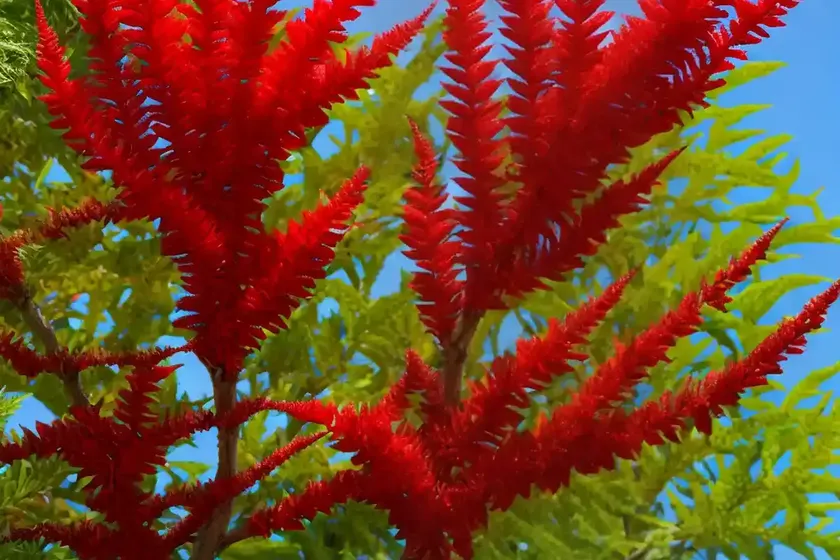
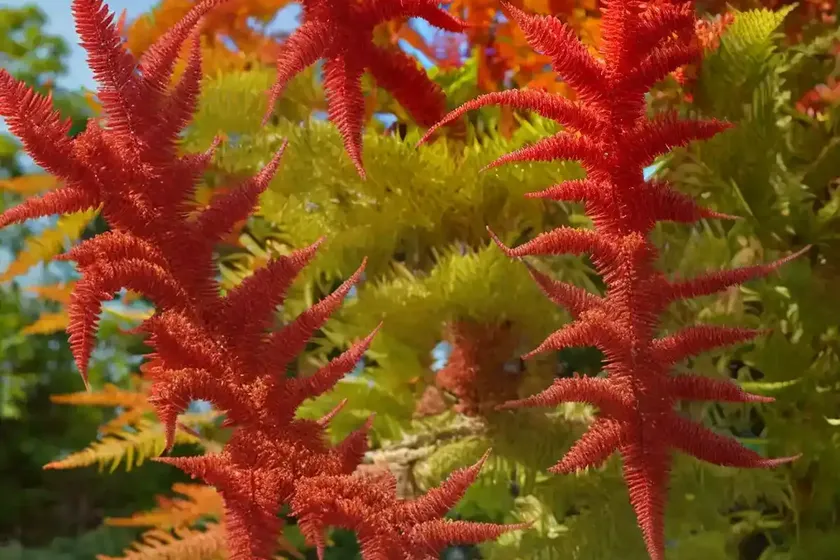

Rhus typhina ‘Dissecta’, commonly known as Cut-Leaf Staghorn Sumac, is a deciduous shrub or small tree that belongs to the Anacardiaceae family. This plant is native to Eastern North America and is prized for its beautiful foliage and vibrant red, velvety fruit clusters. In this comprehensive guide, we will explore the key aspects of Rhus typhina ‘Dissecta’, including its culture, uses, care requirements, propagation, common diseases, and much more. Whether you are considering adding this stunning plant to your garden or are already a proud owner, this guide will equip you with all the essential information needed to ensure the health and vitality of your Rhus typhina ‘Dissecta’.
What is Rhus typhina ‘Dissecta’?
Rhus typhina ‘Dissecta’ is a cultivar of the species Rhus typhina, commonly known as Staghorn Sumac. It is distinguished by its deeply dissected, fern-like foliage and attractive, conical fruit clusters. The name “Staghorn” is derived from the fuzzy, velvet-like texture of the branches, which resembles the antlers of a stag. The “Sumac” part of its name is attributed to the plant’s classification within the Sumac family.
This striking plant typically reaches a height of 15-25 feet and spreads to 20-25 feet, forming a broad, open crown. During the fall season, Rhus typhina ‘Dissecta’ adorns itself with brilliant hues of red, orange, and yellow, making it a standout feature in any landscape.
Key Takeaways – Rhus typhina ‘Dissecta’ (Cut-Leaf Staghorn Sumac)
Before delving into the specific care and cultivation details of Rhus typhina ‘Dissecta’, let’s outline the key takeaways about this unique plant:
- Botanical Name: Rhus typhina ‘Dissecta’
- Common Name: Cut-Leaf Staghorn Sumac
- Foliage: Deeply dissected, fern-like leaves
- Fruit Clusters: Conical, velvety red
- Height: 15-25 feet
- Spread: 20-25 feet
- Fall Colors: Red, orange, and yellow
Now that we have a basic understanding of the plant, let’s explore the cultural requirements and uses of Rhus typhina ‘Dissecta’.
Culture
Understanding the cultural needs of Rhus typhina ‘Dissecta’ is essential for ensuring its optimal growth and well-being. From water and sunlight requirements to soil preferences and propagation methods, each aspect plays a crucial role in cultivating a healthy and thriving specimen.
Uses
Rhus typhina ‘Dissecta’ offers a myriad of uses and benefits, making it a valuable addition to gardens, landscapes, and even traditional medicinal practices.
- Ornamental: Aesthetic appeal, especially during the fall season due to its vibrant foliage and fruit clusters.
- Wildlife Habitat: The fruit clusters serve as a food source for birds and other wildlife, making it an excellent addition to wildlife-friendly landscapes.
- Soil Stabilization: Its spreading root system and adaptability to various soil types make it effective in erosion control and stabilizing slopes.
- Traditional Medicine: In some cultures, the leaves and berries of Staghorn Sumac are used in herbal medicine for their astringent and diuretic properties.
Water
Proper watering is crucial for the health and vitality of Rhus typhina ‘Dissecta’. While this plant is relatively drought-tolerant once established, it is important to provide adequate moisture, especially during hot and dry periods.
Water Requirements
- Established Plants: Water deeply during extended dry spells, ensuring the root zone is thoroughly moistened.
- Container Growth: Maintain consistent moisture levels for potted specimens, avoiding water-logged conditions.
- Winter Care: Monitor soil moisture during winter, providing supplemental watering if the weather is exceptionally dry.
Sunlight
Rhus typhina ‘Dissecta’ thrives in full sun to partial shade, making it adaptable to a wide range of light conditions.
Sun Exposure
- Full Sun: Ideal for promoting robust growth and enhancing fall foliage coloration.
- Partial Shade: Tolerated well, especially in warmer regions, offering flexibility in landscape placement.
Soil
Understanding the soil requirements of Rhus typhina ‘Dissecta’ is essential for ensuring proper establishment and sustained growth.
Soil Type
- Well-Drained Soil: Essential to prevent waterlogging and root rot.
- pH Level: Tolerant of a wide pH range, but prefers slightly acidic to neutral soil.
- Soil Amendments: Incorporating organic matter can enhance soil structure and fertility, promoting a healthy root system.
Fertilizer
Though Rhus typhina ‘Dissecta’ is relatively low-maintenance, occasional fertilization can help support its overall health and vigor.
Fertilizing Tips
- Timing: Apply a balanced, slow-release fertilizer in early spring before new growth emerges.
- Amount: Follow label instructions for the appropriate dosage, avoiding excessive fertilization.
- Natural Alternatives: Organic compost or well-aged manure can serve as effective alternatives to synthetic fertilizers.
Pruning
Pruning plays a vital role in shaping the form of Rhus typhina ‘Dissecta’, promoting air circulation, and rejuvenating older specimens.
Pruning Considerations
- Shape Maintenance: Regular pruning can help control the size and shape of the plant, promoting an aesthetically pleasing form.
- Deadwood Removal: Trim dead or damaged branches to enhance the overall appearance and health of the plant.
- Caution: Avoid excessive pruning, especially during the growing season, as it may inhibit flower and fruit production.
Propagation
Propagation methods for Rhus typhina ‘Dissecta’ include both vegetative and seed propagation techniques, each with its own set of considerations and requirements.
Vegetative Propagation
- Softwood Cuttings: Propagate from semi-hardwood cuttings taken in mid-summer, using a rooting hormone to encourage root development.
- Suckers: Division of suckers or root sprouts can be employed to propagate new plants, ensuring genetic consistency with the parent plant.
Seed Propagation
- Seed Collection: Gather mature seed clusters in late summer or early fall, selecting plump, healthy seeds for propagation.
- Stratification: Cold stratification for 60-90 days can enhance germination rates, mimicking natural conditions required for seed viability.
Container Popularity
Rhus typhina ‘Dissecta’ is well-suited for container growth, offering an attractive and manageable option for space-limited gardens, patios, and urban landscapes.
Container Considerations
- Container Size: Choose a spacious container that accommodates the plant’s mature size, allowing room for healthy root development.
- Drainage: Ensure adequate drainage holes at the base of the container to prevent waterlogging and root suffocation.
- Winter Care: Provide insulation or move containers to sheltered locations during the winter months, protecting the roots from freezing temperatures.
Common Diseases
Understanding the common diseases that can affect Rhus typhina ‘Dissecta’ is crucial for proactive management and ensuring the plant’s longevity.
Disease Diagnosis
- Anthracnose: Identified by irregular, sunken lesions on leaves and stems, often accompanied by dark fungal spore structures.
- Leaf Spot: Manifests as circular or irregularly shaped spots on the foliage, potentially leading to premature leaf drop if severe.
Common Pests
Like many plants, Rhus typhina ‘Dissecta’ is susceptible to certain pests that can impact its overall health and aesthetics.
Pest Management
- Aphids: Monitor new growth for signs of aphid infestations, employing insecticidal soap or neem oil to control populations.
- Scale Insects: Inspect the stems and undersides of leaves for scale infestations, treating with horticultural oil if detected.
Botanist’s Tips
Tip #1: Winter Protection
Provide a layer of mulch around the base of Rhus typhina ‘Dissecta’ in the late fall to insulate the roots and protect them from extreme cold.
Tip #2: Wildlife Support
Harness the wildlife-friendly aspects of Cut-Leaf Staghorn Sumac by incorporating it into wildlife habitat gardens to attract and support a diversity of birds and beneficial insects.
Fun Facts
- The red, velvety fruit clusters of Rhus typhina ‘Dissecta’ are often used to make a refreshing, lemonade-like beverage.
- Staghorn Sumac has a long history of traditional uses, with various parts of the plant being employed in herbal medicine and culinary applications.
Links to External Resources
For further exploration of Rhus typhina ‘Dissecta’ and related topics, consider the following external resources:
- Missouri Botanical Garden – Rhus typhina ‘Dissecta’
- The Spruce – Growing Staghorn Sumac
- University of Florida IFAS Extension – Leaf Spot Diseases of Ornamental Plants
In conclusion, Rhus typhina ‘Dissecta’ (Cut-Leaf Staghorn Sumac) is a remarkable and versatile plant that offers both aesthetic and ecological benefits. By catering to its cultural needs, maintaining proactive care practices, and embracing its unique attributes, you can unlock the full potential of this captivating species in your garden or landscape. Whether you are drawn to its stunning foliage, wildlife-attracting qualities, or historical significance, Rhus typhina ‘Dissecta’ stands as a testament to the enduring allure of ornamental plants in horticulture and natural ecosystems.