Rhus Copallinum (Winged Sumac)
Rhus copallinum, known as Winged Sumac, is a native North American plant that offers a multitude of benefits beyond its aesthetic appeal. This resilient.
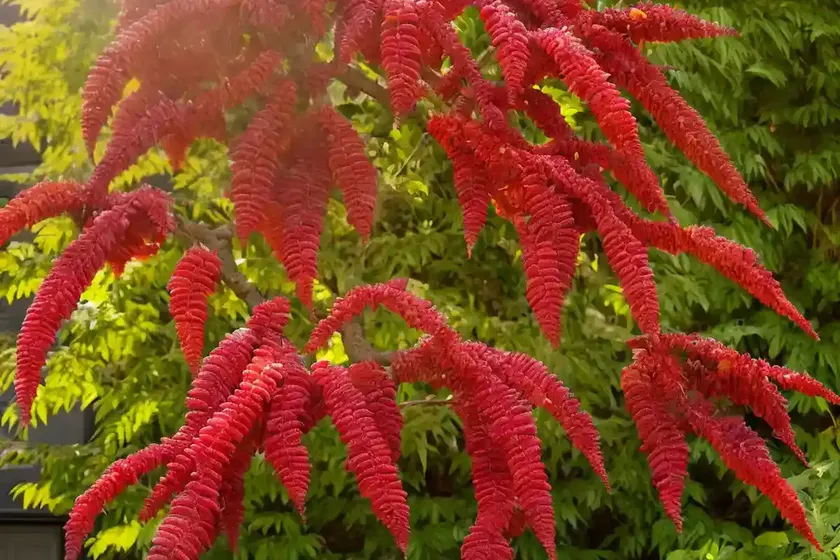
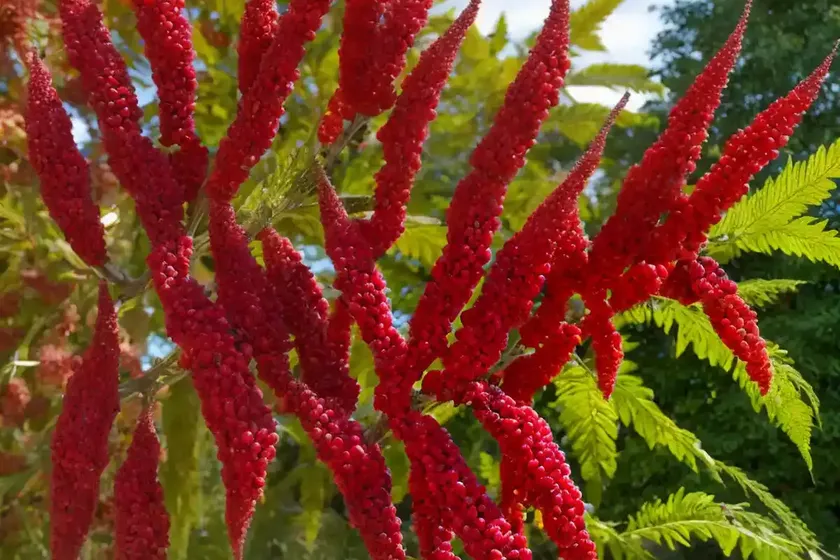
Rhus copallinum, known as Winged Sumac, is a native North American plant that offers a multitude of benefits beyond its aesthetic appeal. This resilient and versatile species has been treasured for centuries due to its cultural, ecological, and medicinal significance. In this comprehensive guide, we will delve into the various aspects of Rhus copallinum, exploring its characteristics, habitat, cultivation, maintenance, and much more.
What is Rhus copallinum (Winged Sumac)?
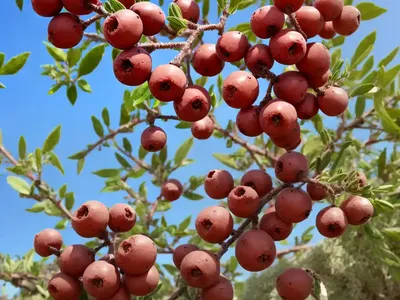
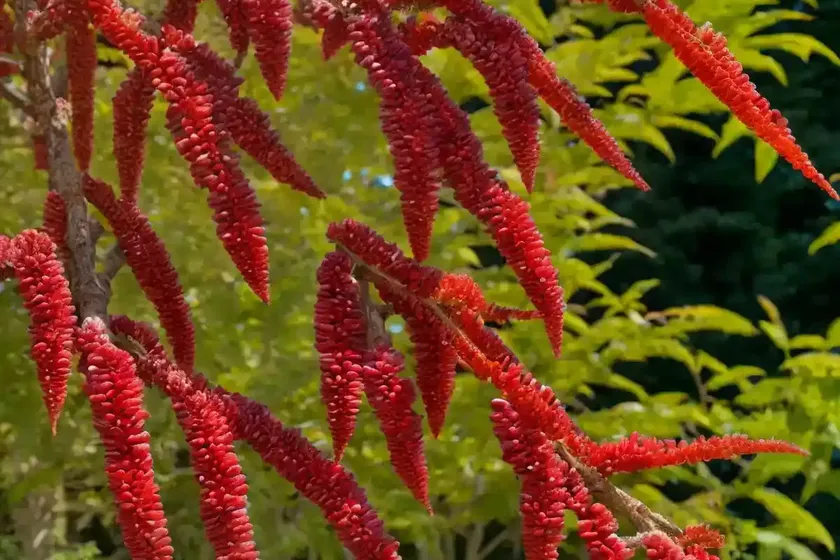
Rhus copallinum, a member of the Anacardiaceae family, is a deciduous shrub or small tree that is native to the eastern United States. This plant is characterized by its pinnately compound leaves, attractive red fruit clusters, and distinctive winged stems. It is a resilient species that can thrive in diverse environmental conditions, from dry, rocky soils to moist, fertile sites.
Key Takeaways – Rhus copallinum (Winged Sumac)
Before delving into the specific aspects of Rhus copallinum, let us summarize the key takeaways of this remarkable plant.
- Rhus copallinum benefits – The plant offers a wide array of benefits, including its ecological value, medicinal properties, and ornamental appeal.
- Winged Sumac uses – Its uses range from landscaping and wildlife attraction to traditional medicine and food preservation.
- Rhus copallinum description – This plant features pinnately compound leaves, distinctive winged stems, and clusters of red fruits.
- Winged Sumac characteristics – It is characterized by its resilience, adaptability, and stunning fall foliage.
- Rhus copallinum habitat – It is primarily found in open woodlands, fields, and disturbed sites across its native range.
- Winged Sumac growth – The plant demonstrates vigorous growth and can form dense clumps over time.
- Rhus copallinum medicinal properties – Its medicinal properties include anti-inflammatory and astringent effects.
- Winged Sumac cultivation – With the right conditions, Rhus copallinum can be cultivated with relative ease.
- Rhus copallinum varieties – Several varieties and cultivars of this species are available, offering diverse growth habits and ornamental features.
- Winged Sumac maintenance – The plant requires minimal maintenance once established, making it an excellent choice for low-maintenance landscapes.
- Rhus copallinum pruning techniques – Proper pruning techniques are essential to maintain its desired shape and size.
- Winged Sumac propagation – Propagation can be achieved through seeds or root division, offering opportunities for propagation and distribution.
- Rhus copallinum landscape ideas – It can be incorporated into various landscape designs, from naturalistic plantings to formal gardens.
- Winged Sumac wildlife attraction – The plant attracts pollinators, birds, and other wildlife due to its flowers, fruit, and sheltering habitat.
- Rhus copallinum native range – Its native range encompasses the eastern United States, where it thrives in diverse ecosystems.
- Winged Sumac climate requirements – It is adaptable to varied climatic conditions, ranging from humid subtropical to temperate climates.
- Rhus copallinum drought tolerance – The plant exhibits remarkable drought tolerance once established.
- Winged Sumac soil preferences – It thrives in well-drained soils, including sandy, loamy, and rocky substrates.
- Rhus copallinum pest control – Pest control measures are generally minimal, but vigilance against potential issues is important.
- Winged Sumac disease prevention – Disease prevention involves promoting overall plant health and addressing potential issues proactively.
- Rhus copallinum pruning tips – Pruning tips focus on shaping the plant, removing dead wood, and managing its growth.
- Winged Sumac companion plants – Selecting compatible companion plants can enhance the overall aesthetics and ecological value of the garden.
- Rhus copallinum seasonal care – Seasonal care involves considerations for its growth, flowering, fruiting, and dormancy periods.
- Winged Sumac container gardening – It can be grown in containers, offering opportunities for small-space gardening and landscaping.
- Rhus copallinum wildlife habitat – The plant serves as a valuable habitat and food source for various wildlife species.
- Winged Sumac fall foliage – Its vibrant fall foliage makes it a standout feature in autumn landscapes.
- Rhus copallinum pollinator-friendly – It attracts pollinators, supporting biodiversity and ecological balance.
- Winged Sumac landscape design – The plant can be incorporated into diverse landscape designs, from naturalistic to formal settings.
- Rhus copallinum natural dye – Its fruits have been historically used as a natural dye, showcasing its cultural and historical significance.
- Winged Sumac for erosion control – Its extensive root system and adaptability make it an excellent option for erosion control.
- Rhus copallinum wildlife food source – The fruits serve as a valuable food source for birds and other wildlife, contributing to ecological diversity.
- Winged Sumac historical uses – It has a rich history of traditional uses, ranging from medicinal applications to cultural symbolism.
- Rhus copallinum landscaping benefits – Its landscaping benefits include low maintenance, ecological value, and aesthetic appeal.
- Winged Sumac drought-resistant – Its resilience to drought makes it an ideal choice for water-conscious landscapes.
- Rhus copallinum environmental uses – It contributes to environmental sustainability through its ecological functions and adaptability.
- Winged Sumac traditional medicine – Traditional medicine applications include remedies for various ailments, showcasing its cultural significance.
- Rhus copallinum food preservation – Its fruits can be used for food preservation and culinary purposes, adding to its versatility.
- Winged Sumac herbal remedies – Herbal remedies utilizing various parts of the plant showcase its medicinal potential.
- Rhus copallinum wildlife garden – It enhances the ecological value and diversity of wildlife gardens due to its multi-faceted benefits.
- Winged Sumac aromatic qualities – Its foliage and fruits possess aromatic qualities, adding to its sensory appeal.
- Rhus copallinum cultural significance – It holds cultural significance in various indigenous traditions and historical contexts.
- Winged Sumac fall bloomer – Its flowering and fruiting in the fall season make it an attractive addition to autumn landscapes.
- Rhus copallinum natural insect repellent – Its aromatic properties serve as a natural insect repellent, offering additional practical value.
- Winged Sumac firewood – Its wood has been historically used as firewood, highlighting its utilitarian value.
- Rhus copallinum herbal tea – Herbal teas made from its leaves or fruits offer a unique and flavorful beverage option.
- Winged Sumac landscaping tips – Various landscaping tips can enhance the overall appeal and ecological value of Rhus copallinum.
- Rhus copallinum ornamental value – Its ornamental value encompasses its foliage, fruits, and seasonal transformations.
- Winged Sumac winter care – Winter care involves considerations for its dormancy period and protection in colder climates.
- Rhus copallinum wildlife conservation – It contributes to wildlife conservation efforts through habitat provision and ecological support.
- Winged Sumac shade-loving plants – Selecting shade-loving companion plants can complement its growth and ecological functions.
Culture
Uses
Ecological Value
Rhus copallinum holds significant ecological value, contributing to biodiversity and ecosystem stability. It serves as a valuable habitat and food source for numerous wildlife species, including birds, insects, and small mammals. The plant’s flowers and fruits attract pollinators and seed-dispersing animals, enriching the surrounding environment with diverse fauna. Its dense growth habit and extensive root system also contribute to soil stability and erosion control, making it an asset in landscapes prone to environmental degradation.
Landscape Ornamentation
In landscaping, Rhus copallinum is prized for its ornamental features and adaptability to various design styles. Its vibrant fall foliage, attractive fruit clusters, and distinctive winged stems make it a standout addition to naturalistic, woodland, or native plant gardens. It can be used as a focal point in landscape compositions or as part of mixed plantings to add seasonal interest and ecological value. The plant’s versatile growth habit allows it to thrive in both formal and informal garden settings, making it a versatile choice for landscape ornamentation.
Traditional Medicine and Culinary Uses
The plant has a rich history of traditional uses, particularly in indigenous medicinal and culinary practices. Various parts of the plant, including the bark, leaves, and fruits, have been utilized to create remedies for ailments such as diarrhea, sore throats, and skin irritations. Additionally, the fruits have been used for food preservation, providing a source of nutrition during lean periods. The plant’s aromatic qualities have also been harnessed to create herbal teas and natural insect repellents, showcasing its diverse practical uses beyond its visual appeal.
Water
Rhus copallinum demonstrates moderate water needs, particularly during its establishment phase. While it can tolerate periods of drought once established, regular watering is essential during the initial stages of growth to support root development and overall plant health. In excessively dry or arid climates, supplemental irrigation may be necessary to ensure the plant’s vitality and to promote robust foliage and fruit production.
Sunlight
This species thrives in full sun to partial shade, showcasing its adaptable nature and ability to prosper in diverse light conditions. Full sun exposure typically results in the most vigorous growth and abundant fruit production, while partial shade can be suitable in hotter regions or areas with intense afternoon sunlight. While the plant is tolerant of shade, it may exhibit reduced flowering and fruiting in shadier environments, making it important to strike a balance between sun and shade for optimal performance.
Fertilizer
Rhus copallinum generally thrives in nutrient-poor soils and does not require regular fertilization once established. Excessive fertilization can lead to overly lush growth and reduced fruit production, so it is advisable to refrain from applying fertilizer unless a soil test indicates specific deficiencies. If necessary, a balanced, slow-release fertilizer can be applied in early spring to support the plant’s growth without promoting excessive vegetative development.
Soil
The plant is adaptable to a wide range of soil types, including sandy, loamy, and rocky substrates. It prefers well-drained soils and can tolerate mildly acidic to slightly alkaline pH levels. While it can withstand periodic dry spells, consistently waterlogged or compacted soils should be avoided to prevent root suffocation and decline. In regions with heavy clay soils, incorporating organic matter into the planting area can improve drainage and provide a more favorable growing environment for Rhus copallinum.
Pruning
Pruning Techniques
Pruning Rhus copallinum is primarily focused on maintaining its desired shape, size, and overall health. The following pruning techniques are recommended for this species:
- Deadwood Removal: Periodically remove dead or diseased branches to promote plant vigor and overall aesthetics.
- Thinning: Thinning out crowded growth can improve air circulation and light penetration, reducing the risk of disease and promoting fruit development.
- Height Management: If a more compact form is desired, the plant can be pruned to control its overall height, particularly in urban or confined garden settings.
- Regeneration: Periodic rejuvenation pruning can be beneficial for older specimens, stimulating new growth and enhancing the plant’s longevity.
Pruning activities are best conducted during the dormant season or immediately after the plant has finished fruiting to minimize stress and potential impact on flowering and fruiting the following year. It is important to use sharp, clean pruning tools to make precise cuts and minimize the risk of infection or damage to the plant.
Propagation
Propagation Methods
Rhus copallinum can be propagated using several methods, each offering unique advantages and considerations:
- Seeds: Propagation from seeds is a viable and cost-effective method for producing new plants. The seeds should be collected from ripe fruit clusters and sown in well-prepared seedbeds or containers. Germination may occur in the following spring, and the resulting seedlings can be transplanted into the desired location once they have developed sufficient root systems.
- Root Division: Division of established plants can be employed to propagate Rhus copallinum and to rejuvenate older specimens. This method involves carefully lifting and dividing the plant’s root ball into multiple sections, each containing viable roots and shoots. The divided segments can then be replanted in suitable locations, where they will establish as independent plants over time.
Propagation efforts should be conducted with attention to detail and care to promote the successful establishment of new plants. Providing optimal growing conditions and consistent monitoring of propagated individuals can enhance their likelihood of long-term survival and vigor.
Container Popularity
Rhus copallinum holds significant appeal for container gardening enthusiasts due to its adaptable nature, ornamental attributes, and ecological value. Cultivating this species in containers offers various advantages, including flexibility in placement, the ability to accommodate smaller garden spaces, and the opportunity to showcase its vibrant foliage and fruit clusters in close proximity to outdoor living areas.
When growing Rhus copallinum in containers, it is essential to select a spacious, well-drained pot that allows for root development and stability. Additionally, providing adequate sunlight, water, and occasional fertilization can support the plant’s vitality and overall performance in a containerized environment. Container-grown specimens should be monitored for their moisture levels and root health, and they may require occasional repotting to prevent root binding and maintain their vigor.
Common Diseases
Disease Diagnosis
While Rhus copallinum is generally resilient to many diseases, it can be susceptible to certain issues under unfavorable growing conditions or environmental stressors. Common diseases that may affect this species include:
- Leaf Spot: Various fungal pathogens can cause leaf spot on Rhus copallinum, manifesting as dark, irregular lesions on the foliage. These lesions can gradually expand, leading to leaf discoloration and premature defoliation if left unaddressed.
- Powdery Mildew: Powdery mildew, caused by fungal infections, can create a powdery, white coating on the plant’s leaves, affecting its overall aesthetics and potentially inhibiting photosynthesis.
- Root Rot: Prolonged waterlogged conditions can lead to root rot in Rhus copallinum, causing root discoloration, decay, and overall decline in plant health.
Early diagnosis of these issues is crucial for effective management and mitigation. Close monitoring of the plant’s overall appearance, growth patterns, and leaf health can aid in early disease detection, allowing for prompt intervention to alleviate potential damage and promote recovery.
Common Pests
Rhus copallinum is relatively resistant to major pest infestations, but it may be susceptible to occasional attacks from certain insects and mites. Common pests that may affect this species include:
- Aphids: These small, sap-sucking insects can congregate on the plant’s tender shoot tips and underside of leaves, potentially causing leaf distortion and the secretion of honeydew.
- Spider Mites: Infestations of spider mites can lead to stippled or discolored foliage, weakening the plant and reducing its overall vigor.
- Scale Insects: Scale insects may infest the plant’s stems and foliage, appearing as small, waxy growths that can impede plant growth and vigour.
Vigilance is key in managing potential pest issues, and early detection can significantly aid in controlling infestations and preventing widespread damage. Natural predators, cultural practices, and targeted interventions can be employed to address pest populations while minimizing the impact on beneficial organisms and the ecological balance of the garden.
Botanist’s Tips
Rhus copallinum in the Landscape
When incorporating Rhus copallinum into a landscape, it is essential to consider its growth habit, ecological benefits, and ornamental attributes. The following botanist’s tips can guide successful integration of this species into diverse landscapes:
- Wildlife Habitat: Utilize Rhus copallinum to create valuable wildlife habitat and food sources, particularly in naturalistic, ecological, or wildlife-friendly garden designs. Its fruits and dense growth provide shelter and sustenance for various bird species and other wildlife.
- Seasonal Interest: Incorporate Rhus copallinum in areas where its vibrant fall foliage can be prominently displayed, capitalizing on its seasonal transformation for visual impact.
- Erosion Control: Select sites prone to erosion or soil instability for the planting of Rhus copallinum to leverage its extensive root system and adaptability for erosion control.
- Companion Planting: Pair Rhus copallinum with compatible, native species to enhance its ecological value and aesthetic appeal, creating a diverse and sustainable plant community.
These tips can help maximize the ecological and ornamental benefits of Rhus copallinum in landscape settings, creating harmonious, resilient plantings that support biodiversity and appeal to human and wildlife visitors alike.
Fun Facts
- Wildlife Support: Rhus copallinum attracts a diverse array of wildlife, including birds, bees, butterflies, and other pollinators due to its flowers and fruit clusters.
- Cultural Significance: The plant has historical and cultural significance, with indigenous communities utilizing it for various traditional uses, including medicinal and ceremonial practices.
- Natural Dye: The fruits of Rhus copallinum have been historically used as a natural dye, yielding various shades of red, imparting cultural and practical significance to the plant.
- Aromatic Qualities: Its foliage and fruits possess aromatic qualities, adding sensory appeal and potential practical uses as herbal remedies or natural insect repellents.
Links to External Resources
For further information on Rhus copallinum and related topics, the following external resources provide valuable insights and practical guidance:
- USDA Plants Database
- Lady Bird Johnson Wildflower Center
- North Carolina Extension Gardener Plant Toolbox
These resources offer botanical descriptions, cultivation tips, and ecological information to support informed decision-making and successful plant care.
In conclusion, Rhus copallinum, or Winged Sumac, is a captivating and versatile plant with a rich history of traditional uses, cultural significance, and ecological value. Its ornamental attributes and resilience make it a desirable addition to a diverse range of landscapes, from naturalistic plantings to wildlife-friendly gardens. By leveraging its various benefits and following best cultivation practices, gardeners can enjoy the ecological, aesthetic, and functional advantages of this remarkable North American species.
Incorporating Rhus copallinum into gardens and landscapes not only enriches the visual appeal but also contributes to wildlife support, cultural heritage preservation, and environmental sustainability.
As stewards of the natural world, we have the opportunity to celebrate and conserve the diverse and valuable plants, such as Rhus copallinum, that enrich our lives and environments. By understanding and appreciating their multifaceted contributions, we can cultivate thriving, resilient ecosystems that benefit both people and nature.
By: [Your Name]
Date: [Current Date]