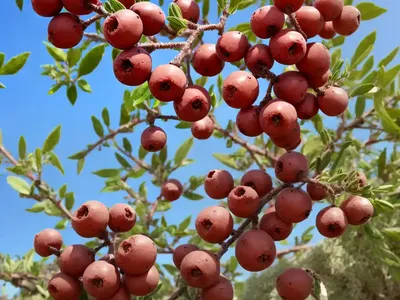
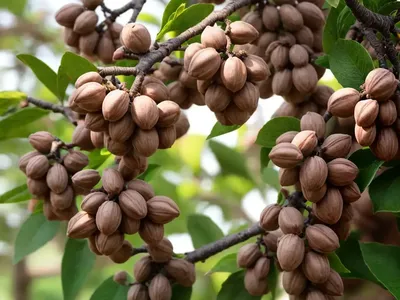
False-marula (Lannea Schweinfurthii)
The False-Marula, scientifically known as Lannea Schweinfurthii, is an indigenous African plant with a rich cultural, medicinal, and ecological.
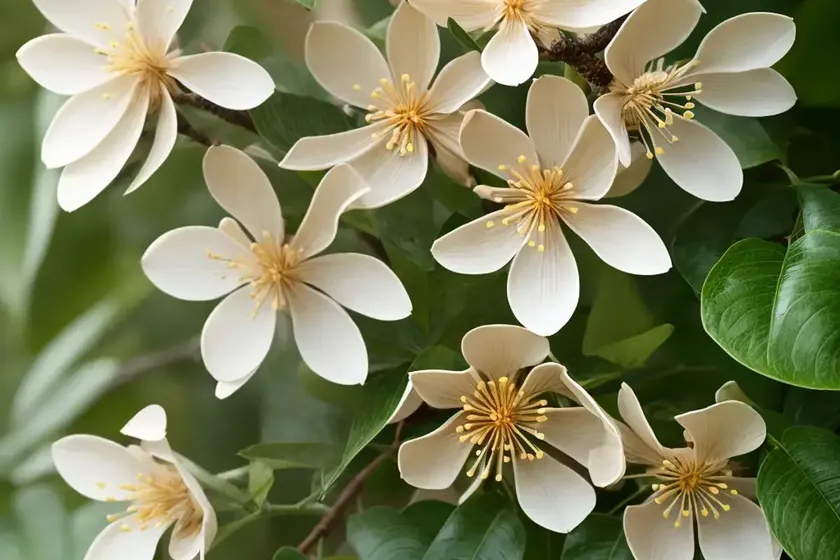
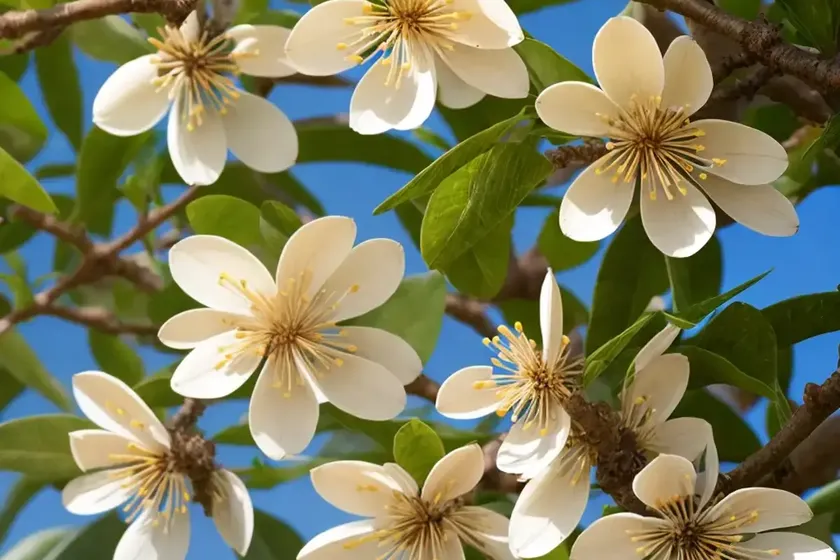
The False-Marula, scientifically known as Lannea Schweinfurthii, is an indigenous African plant with a rich cultural, medicinal, and ecological significance. Also referred to as the African False-marula, this tree species is deeply rooted in the folklore and traditional medicine of the local communities. Its habitat, symbolic meanings, and traditional uses make it a subject of interest for botanists, environmentalists, and ethnobotanists. In this comprehensive guide, we will explore the various aspects of False-Marula, ranging from its cultural importance to its role in the ecosystem.
False-Marula: A Closer Look
The False-Marula tree belongs to the family Anacardiaceae and is native to the African continent, where it thrives in various habitats, including woodlands, savannas, and riverine areas. Its scientific name, Lannea Schweinfurthii, is a tribute to the renowned German botanist Georg August Schweinfurth, who extensively studied the flora of Africa in the 19th century.
This tree species is characterized by its distinct features, including deeply fissured bark, compound leaves, and small, round fruits. The False-Marula is a deciduous tree, shedding its leaves in the dry season and donning vibrant green foliage during the rainy season. Its cultural significance is evident in the various traditional practices and rituals where different parts of the tree, such as the bark, leaves, and fruits, are used for medicinal and symbolic purposes.
Key Takeaways – False-Marula (Lannea Schweinfurthii)
Before delving into the intricate details of False-Marula, let’s outline the key takeaways about this fascinating tree:
- Scientific Name: Lannea Schweinfurthii
- Common Names: False-Marula, African False-Marula
- Cultural Significance: Deeply rooted in the folklore and traditional medicine of indigenous African communities.
- Habitat: Thrives in woodlands, savannas, and riverine areas.
- Medicinal Uses: Different parts of the tree are utilized in traditional medicine for various ailments.
- Conservation Status: Efforts are underway to conserve and protect the False-Marula tree due to habitat loss and other threats.
Cultural Significance and Traditional Uses
The False-Marula tree holds immense cultural significance in many African societies, where it is revered for its medicinal properties and traditional uses. Throughout history, various parts of the tree have been utilized for their therapeutic benefits. The bark, leaves, and fruits of the False-Marula are known to possess medicinal compounds and are used in the treatment of ailments ranging from stomach disorders to skin conditions.
Medicinal Uses of False-Marula
The medicinal uses of False-Marula encompass a wide array of conditions and have been passed down through generations as part of traditional healing practices. Some of the notable medicinal uses include:
- Bark: The bark of the False-Marula tree is used to make infusions and decoctions that are believed to alleviate gastrointestinal issues and fever. It is also applied topically to treat skin conditions and wounds.
- Leaves: The leaves are known for their antiseptic properties and are used in poultices to promote wound healing and relieve skin irritations.
- Fruit: The small, round fruits of the False-Marula tree contain essential nutrients and are consumed to boost energy levels and overall vitality. They are also processed to make herbal preparations for various health benefits.
The traditional knowledge surrounding the medicinal uses of False-Marula represents a blend of empirical wisdom and the deep understanding of the natural environment. Local healers and traditional medicine practitioners play a vital role in preserving and passing on these valuable insights to future generations, contributing to the rich tapestry of ethnobotanical knowledge.
Habitat and Cultivation
Understanding the environmental preferences and cultivation requirements of False-Marula is essential for its conservation and sustainable utilization. The natural habitat of the African False-Marula encompasses a range of ecosystems, from dry woodlands to more humid riverine areas. It is known for its resilience and ability to thrive in diverse environmental conditions, making it an adaptable species.
Water
False-Marula trees have a moderate water requirement and can tolerate periods of drought once established. However, young saplings require regular watering to promote healthy growth and establishment. In its natural habitat, the tree benefits from seasonal rainfall patterns, where it can access adequate moisture during the rainy season and withstand drier conditions during the dry months.
Sunlight
As a species native to the savannas and woodlands of Africa, the False-Marula tree is well adapted to receiving ample sunlight. It flourishes in open areas where it can harness the full potential of sunlight for photosynthesis and overall growth. When cultivated, it is essential to provide the tree with a location that offers direct sunlight for a significant portion of the day to support its development.
Soil
The False-Marula is not overly demanding when it comes to soil conditions, although it thrives in well-draining soils with a moderate nutrient content. It is commonly found growing in sandy or loamy soils, and it has a tolerance for slightly acidic to neutral soil pH. When cultivating False-Marula, ensuring proper soil drainage and incorporating organic matter can contribute to its overall health and vigor.
Fertilizer
In a cultivated setting, the application of a balanced fertilizer can support the growth and development of False-Marula trees. A slow-release fertilizer with a formulation suited for woody plants can be applied during the growing season to provide essential nutrients for optimal growth. Care should be taken to avoid over-fertilization, which can negatively impact the tree’s health.
Pruning and Maintenance
Proper pruning practices can help shape the False-Marula tree and promote its overall well-being. Young trees may benefit from formative pruning to establish a strong and balanced framework of branches. Removing dead or diseased wood, as well as any competing or crossing branches, can enhance the tree’s structural integrity and contribute to its longevity.
Regular maintenance tasks, such as mulching and monitoring for pests and diseases, are important aspects of caring for False-Marula trees. Applying a layer of mulch around the base of the tree can help conserve soil moisture and suppress weed growth. Additionally, inspecting the tree for signs of pest infestations or diseases allows for early intervention and appropriate management strategies.
Propagation and Cultivation Methods
Propagation of False-Marula can be achieved through various methods, including seeds, cuttings, and air layering. Each approach has its advantages and considerations, and the choice of propagation method may depend on the specific objectives and available resources.
Seed Propagation:
– Harvest mature fruits from healthy False-Marula trees.
– Extract the seeds from the fruits and clean off any remaining pulp.
– Sow the seeds in well-draining soil and maintain consistent moisture levels.
– Germination may take several weeks to occur, and young seedlings should be carefully nurtured until they are ready for transplantation.
Cutting Propagation:
– Select healthy, non-flowering branches for cuttings.
– Prepare the cuttings by making clean, angled cuts just below a node.
– Treat the cut ends with a rooting hormone to encourage root development.
– Plant the cuttings in a suitable rooting medium and provide the appropriate environmental conditions for root establishment.
Air Layering:
– Identify a healthy, low-hanging branch for air layering.
– Gently wound a section of the branch and apply a rooting hormone.
– Enclose the wounded area with a suitable rooting medium, such as sphagnum moss.
– Once roots have developed, the newly formed plant can be separated and transplanted into a container or prepared planting site.
Each propagation method offers distinct advantages and may be chosen based on factors such as resource availability, desired propagation success rates, and the specific requirements of the planting project.
Container Cultivation and Popularity
The adaptability of False-Marula trees makes them suitable candidates for container cultivation, allowing individuals and botanical institutions to showcase and preserve this unique species. Container-grown False-Marula trees provide an opportunity to appreciate their ornamental value, cultural significance, and ecological importance in a controlled setting.
Common Uses of Container-Grown False-Marula Trees:
- Display Gardens: False-Marula trees are often featured in botanical gardens and arboretums to highlight their aesthetic appeal and cultural significance. They provide an opportunity for the public to learn about the species and its role in African ecosystems.
- Conservation Efforts: Botanical institutions may cultivate False-Marula trees in containers as part of conservation initiatives aimed at safeguarding endangered and ecologically significant plant species. These efforts contribute to the preservation of plant diversity and the conservation of valuable genetic resources.
- Educational Purposes: Container-grown False-Marula trees serve as valuable educational tools, offering insights into the ecological adaptations, cultural significance, and conservation challenges associated with this species. They provide a tangible way for students and visitors to engage with the plant and its broader context.
The popularity of container cultivation for False-Marula trees reflects the growing interest in conserving and celebrating indigenous plant species with cultural and ecological significance.
Common Diseases and Pest Management
False-Marula trees, like all plant species, are susceptible to a range of diseases and pest infestations that can impact their health and vigor. Understanding common diseases and pests associated with False-Marula is crucial for implementing effective management strategies and maintaining the well-being of the trees.
Disease Diagnosis
Anthracnose (Colletotrichum Gloeosporioides):
– Symptoms: Irregular leaf spots, stem cankers, and fruit lesions.
– Management: Implementing proper sanitation measures, including the removal of infected plant debris, and the application of fungicidal treatments may help manage anthracnose.
Powdery Mildew (Erysiphe spp.):
– Symptoms: White powdery growth on leaves and young shoots.
– Management: Improving air circulation, removing affected plant parts, and utilizing fungicidal treatments can aid in controlling powdery mildew.
Root Rot (Phytophthora spp.):
– Symptoms: Wilting, yellowing foliage, and decay of root tissues.
– Management: Avoid overwatering, improve soil drainage, and consider the application of appropriate fungicides to prevent and manage root rot.
Common Pests
Aphids (Aphidoidea):
– Symptoms: Misshapen and curling leaves, sticky honeydew residue, and sooty mold development.
– Management: Implementing cultural controls, such as the introduction of natural predators and the application of insecticidal treatments, can help manage aphid populations.
Scale Insects (Coccidae):
– Symptoms: Presence of small, waxy scales on stems and leaves, weakening of plant vigor.
– Management: Pruning infested plant parts and utilizing horticultural oils or insecticidal soaps can aid in controlling scale insect populations.
Spider Mites (Tetranychidae):
– Symptoms: Fine webbing on leaves, stippling or discoloration of foliage.
– Management: Increasing humidity levels, regular plant washing, and the application of miticidal treatments can help mitigate spider mite infestations.
Understanding the signs and symptoms of common diseases and pests associated with False-Marula trees enables timely intervention and the implementation of integrated pest management practices to maintain the health and resilience of the species.
Botanist’s Tips for False-Marula Cultivation
To ensure successful cultivation and management of False-Marula trees, consider the following tips and best practices:
- Site Selection: Choose a location with well-draining soil and ample sunlight to support the growth and development of False-Marula trees.
- Watering: Provide adequate moisture for newly planted trees, and adjust watering frequency based on the specific environmental conditions and the tree’s water needs.
- Pruning: Regularly inspect the trees for dead or diseased wood, and conduct formative pruning to shape young trees and promote structural integrity.
- Integrated Pest Management: Monitor for signs of pest infestations and diseases, and implement a holistic approach to pest management, considering cultural, biological, and chemical control methods when necessary.
- Conservation: Participate in conservation efforts aimed at protecting the natural habitats of False-Marula trees and preserving the cultural and ecological significance of the species.
Implementing these tips can contribute to the successful cultivation of False-Marula trees and support their role in cultural practices, traditional medicine, and ecosystem services.
Fun Facts about False-Marula
- The bark of the False-Marula tree is traditionally used to make strong ropes and woven items in some African communities.
- The small, round fruits of False-Marula are a favorite food source for various wildlife species, including birds and primates.
- The timber of the False-Marula tree is valued for its strength and durability, making it suitable for crafting furniture and utensils in some regions.
- Indigenous folklore often attributes symbolic meanings to the False-Marula tree, associating it with themes of resilience and vitality.
- The presence of False-Marula trees contributes to the overall biodiversity and ecological balance of the African savannas and woodlands.
Links to External Resources
For further information about False-Marula (Lannea Schweinfurthii), its cultural significance, and ecological role, consider exploring the following external resources:
- Ethnobotanical Study of Lannea Schweinfurthii in Northern Ghana
- Conservation Challenges and Strategies for False-Marula Trees
- Medicinal Properties and Traditional Uses of False-Marula
- Ecological Significance of Lannea Schweinfurthii in Sub-Saharan Africa
Conclusion
The False-Marula (Lannea Schweinfurthii) stands as a testament to the intricate interplay of culture, ecology, and conservation in the African landscape. Its rich history, traditional uses, and ecological contributions underscore the importance of preserving and celebrating indigenous plant species. As we continue to explore and steward the natural world, the unique characteristics and cultural significance of the False-Marula remind us of the profound connections between plants and human societies.
The journey into the captivating world of False-Marula invites us to appreciate the depth of traditional knowledge, the resilience of ecosystems, and the enduring legacies of culturally significant plants. Through conservation efforts, ethnobotanical studies, and sustainable cultivation practices, we have the opportunity to honor and safeguard the invaluable contributions of False-Marula to the tapestry of African biodiversity and cultural heritage.