Searsia Lancea (African Sumac)
Searsia lancea, commonly known as African Sumac, is an evergreen tree that belongs to the Anacardiaceae family. The tree is native to South Africa and is.
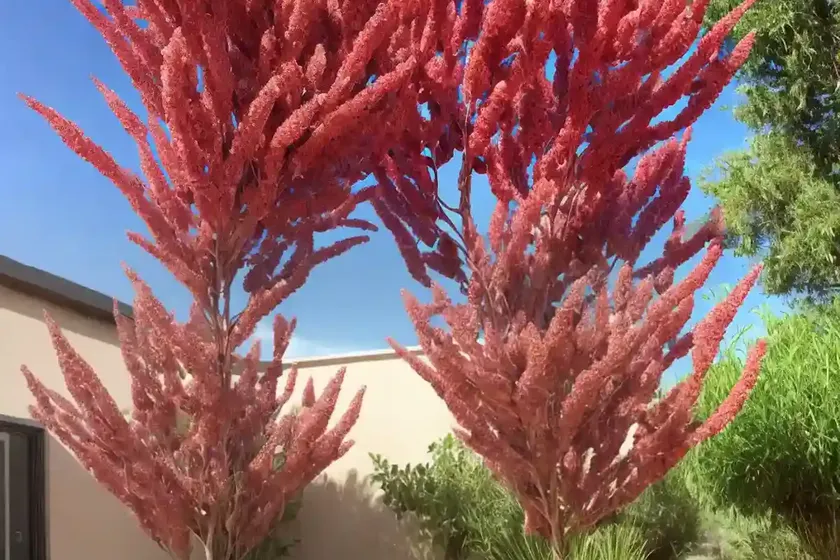
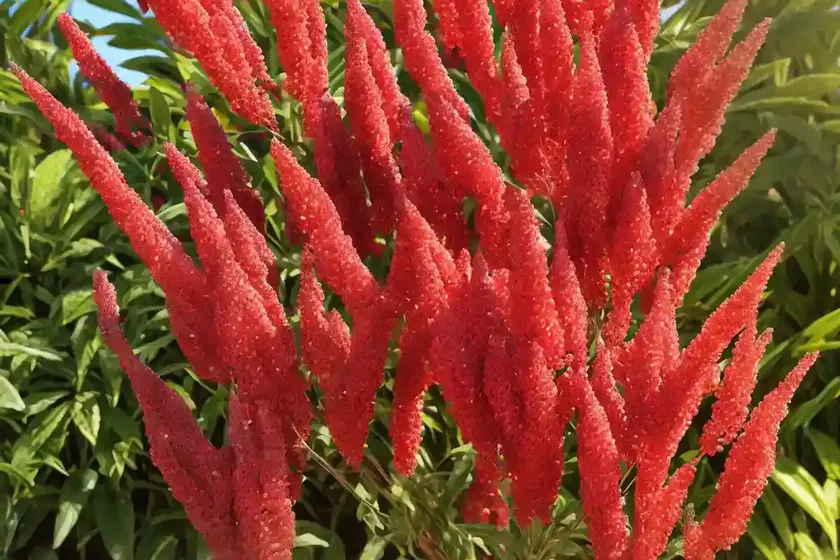
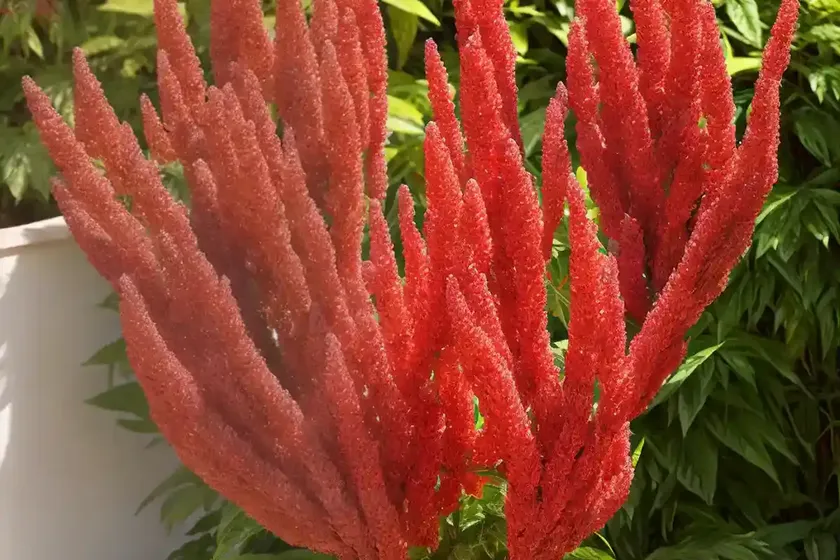
Searsia lancea, commonly known as African Sumac, is an evergreen tree that belongs to the Anacardiaceae family. The tree is native to South Africa and is widely cultivated for its ornamental and medicinal values.
In this comprehensive guide, we will explore the various aspects of African Sumac, including its description, cultivation, care tips, uses, and much more. Whether you are a novice gardener or an experienced horticulturist, this guide will provide you with valuable insights into growing and maintaining Searsia lancea.
What Is Searsia lancea (African Sumac)?
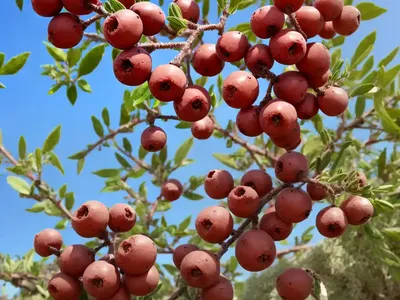
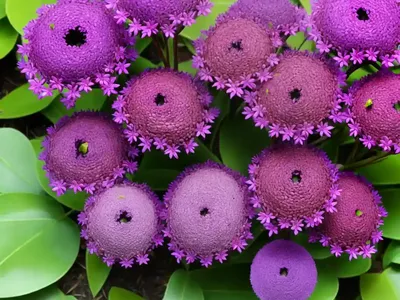
Searsia lancea, also referred to as the African Sumac, is a small to medium-sized evergreen tree that can reach a height of 6-10 meters. The tree is characterized by its dense foliage, which consists of pinnately compound leaves and small greenish flowers that develop into clusters of red to purple fruits.
The African Sumac is valued for its adaptability to different soil types and its tolerance to drought and wind. It is often used in landscaping due to its attractive appearance and ability to provide shade in hot and dry climates. Additionally, African Sumac has been traditionally used for its medicinal properties, making it a valuable resource in herbal medicine.
Key Takeaways – Searsia lancea (African Sumac)
Before delving deeper into the specifics of cultivating and caring for African Sumac, let’s highlight the key takeaways associated with this versatile plant.
Culture
- African Sumac is known for its adaptability to various cultural conditions, making it suitable for a wide range of environments.
- It is often used in landscaping and urban gardening due to its ability to thrive in arid and windy conditions.
Uses
- African Sumac has both ornamental and medicinal uses, making it a valuable addition to gardens and landscapes.
- The tree provides shade and attracts wildlife, contributing to the ecological diversity of its surroundings.
Water
- Despite its drought tolerance, African Sumac benefits from regular watering, especially during the establishment phase.
- Once established, the tree can withstand periods of reduced water availability.
Sunlight
- African Sumac thrives in full sunlight and is well-suited to open and exposed settings.
- It can also tolerate partial shade, but optimum growth occurs in full sun.
Fertilizer
- While African Sumac is relatively low-maintenance, it can benefit from occasional fertilization to support healthy growth and foliage development.
- Organic fertilizers are generally recommended for sustainable plant nutrition.
Soil
- The tree exhibits adaptability to a wide range of soil types, including sandy, loamy, and rocky soils.
- Well-drained soil is essential to prevent waterlogging, which can lead to root rot.
Pruning
- Regular pruning helps maintain the desired shape and size of African Sumac, while also promoting air circulation within the canopy.
- Pruning should be conducted during the dormant season to minimize stress on the tree.
Propagation
- African Sumac can be propagated from seeds, cuttings, or air layering, with each method having its advantages and considerations.
- Propagation from seeds may require stratification to improve germination rates.
Container Popularity
- African Sumac is well-suited to container gardening, offering flexibility in landscaping and urban greenery projects.
- Container-grown specimens require adequate space and soil depth for root development.
Common Diseases
- African Sumac is generally resilient to diseases, but it can be susceptible to fungal infections, particularly under humid and poorly ventilated conditions.
- Proper sanitation and preventive measures are essential for disease management.
Common Pests
- While African Sumac is relatively pest-resistant, it may attract certain insect pests, such as scale insects and caterpillars.
- Regular monitoring and appropriate pest control measures can help preserve the tree’s health.
Botanist’s Tips
- Implementing sustainable gardening practices, such as water-wise landscaping and organic pest management, can contribute to the overall health and vitality of African Sumac.
- Understanding the natural habitat and growth habits of Searsia lancea can inform optimal cultivation practices.
Fun Facts
- African Sumac has a rich history of traditional uses in herbal medicine, with various parts of the tree being utilized for their therapeutic properties.
- The tree’s wildlife-friendly characteristics make it a valuable asset in promoting biodiversity and ecological balance.
Plant Name: Searsia lancea (African Sumac)
African Sumac Plant Characteristics
African Sumac, scientifically known as Searsia lancea, exhibits distinct characteristics that contribute to its overall appeal and value as a landscaping and ornamental tree.
African Sumac Tree
- Size: African Sumac is a small to medium-sized tree, reaching an average height of 6-10 meters and spreading to about 4-8 meters.
- Foliage: The tree features pinnately compound leaves with a glossy, dark green appearance, adding a lush and vibrant aesthetic to its surroundings.
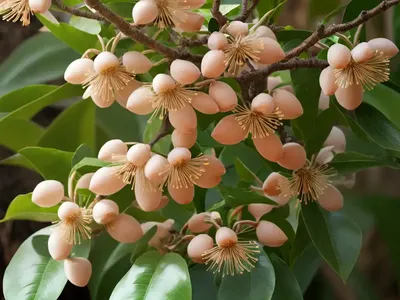
- Flowers: Small greenish flowers bloom in clusters, contributing to the tree’s ornamental value, especially during the flowering season.
- Fruits: Clusters of red to purple fruits, known as drupes, develop after the flowering period, providing visual interest and attracting wildlife.
African Sumac Cultivation
- Drought Tolerance: African Sumac exhibits exceptional drought tolerance, making it well-suited to arid and semi-arid regions with limited water availability.
- Hardiness: The tree is resilient to harsh environmental conditions, including heat, wind, and poor soil quality, allowing for versatile cultivation.
- Seasonal Changes: While evergreen, African Sumac may undergo subtle seasonal changes, particularly in response to variations in sunlight and temperature.
African Sumac Varieties
- Cultivated Variants: Several cultivated varieties of African Sumac may exhibit subtle differences in growth habits, foliage color, or fruit characteristics, offering options for diverse landscaping preferences.
- Adaptability: Varietal selections can cater to specific environmental conditions and aesthetic preferences, enriching the diversity of urban and suburban green spaces.
African Sumac Outdoor Planting
When considering outdoor planting of African Sumac, certain factors should be taken into account to ensure successful establishment and long-term growth.
- Location: Select a sunny to partially shaded location with well-drained soil for planting African Sumac, avoiding areas prone to waterlogging or prolonged shade.
- Spacing: Allow for adequate spacing between individual trees to facilitate healthy growth and canopy development, considering the expected mature size of the African Sumac.
- Companion Planting: Incorporating companion plants that thrive in similar environmental conditions can enhance the overall aesthetic and ecological value of the outdoor space.
Searsia lancea Soil Requirements
African Sumac exhibits adaptability to a range of soil types, but certain soil requirements should be met to support optimal growth and vitality.
- Drainage: Well-drained soil is essential to prevent waterlogging and root suffocation, particularly in regions with intense or sporadic rainfall.
- Soil pH: While tolerant of various soil pH levels, African Sumac generally prefers neutral to slightly acidic soils for balanced nutrient uptake.
- Soil Amendments: Organic matter or compost can be added to improve soil structure and fertility, promoting favorable conditions for root development.
African Sumac Water Needs
Understanding the water requirements of African Sumac is crucial for sustaining healthy growth and minimizing water-related stress.
- Establishment Phase: Newly planted African Sumac trees benefit from regular watering to support root establishment and initial growth.
- Mature Trees: Once established, African Sumac can withstand periods of reduced water availability, displaying resilience to drought conditions.
- Watering Practices: Deep, infrequent watering is generally recommended to encourage deep root penetration and long-term water conservation.
Searsia lancea Sunlight Preferences
African Sumac thrives in full sunlight and showcases its best growth and foliage development in open and sun-exposed environments.
- Optimal Conditions: Providing ample sunlight to African Sumac promotes vigorous growth, abundant foliage, and enhanced flowering and fruiting.
- Partial Shade: While tolerant of partial shade, African Sumac may exhibit reduced growth and density compared to specimens grown in full sun.
African Sumac Ornamental Value
The ornamental attributes of African Sumac contribute to its popularity in landscaping and urban greening initiatives, offering multifaceted visual appeal.
- Aesthetic Appeal: The lush and glossy foliage, along with the seasonal flowers and fruits, adds decorative charm to outdoor landscapes and residential gardens.
- Shade Provision: African Sumac’s dense canopy provides shade, making it an ideal option for creating cool and inviting outdoor spaces.
African Sumac Foliage Color
- Dark Green Foliage: African Sumac’s pinnately compound leaves exhibit a rich and vibrant shade of dark green, contributing to the tree’s striking appearance.
Searsia lancea Wildlife Benefits
African Sumac’s ecological contributions extend to its ability to support wildlife and promote biodiversity within its habitat.
- Habitat Provision: The dense foliage and fruit clusters of African Sumac offer food and shelter for birds, small mammals, and beneficial insects.
- Wildlife Attraction: The tree’s ornamental and fruiting attributes attract a variety of wildlife, adding vibrancy and activity to outdoor environments.
African Sumac Medicinal Uses
Traditionally, various parts of the African Sumac tree have been utilized for their medicinal properties, offering potential health benefits.
- Herbal Medicine: Leaves, bark, and fruits of African Sumac have been used in traditional medicine for their antimicrobial and anti-inflammatory properties.
- Cultural Significance: African Sumac holds cultural and traditional significance for indigenous medicinal practices in certain regions.
Searsia lancea Pest Control
While African Sumac is generally resilient to pest infestations, periodic monitoring and preventive measures are essential for pest control.
- Common Pests: Scale insects and caterpillars may infest African Sumac, leading to aesthetic damage and potential stress on the tree.
- Integrated Pest Management: Implementing natural predators and organic pest control methods can help maintain pest populations at manageable levels.
African Sumac Growth Rate
The growth rate of African Sumac is influenced by various factors, including environmental conditions and cultivation practices.
- Optimal Conditions: Under favorable conditions, African Sumac exhibits moderate to vigorous growth, expanding in height and canopy density.
- Establishment Period: Newly planted trees may undergo an initial establishment phase before displaying robust growth and development.
Searsia lancea Pruning Schedule
Regular pruning is essential for maintaining the desired form and structure of African Sumac, as well as promoting overall tree health.
- Dormant Season Pruning: Conduct pruning during the dormant season to minimize stress on the tree and allow for optimal healing of pruning wounds.
- Selective Trimming: Target specific branches and growth points for pruning to shape the canopy and promote air circulation.
African Sumac Winter Care
While African Sumac is resilient to cold temperatures, certain winter care practices can help protect the tree from potential stress.
- Protective Mulching: Applying a layer of protective mulch around the base of African Sumac can help insulate the root zone and conserve soil moisture.
- Pruning Considerations: Evaluate the need for winter pruning, focusing on the removal of damaged or dead branches to enhance tree vigor.
Searsia lancea Landscape Design
African Sumac’s adaptability and ornamental value make it a versatile element in landscape design and urban greening projects.
- Focal Point Planting: African Sumac can serve as a focal point in landscape designs, showcasing its distinctive foliage, flowers, and fruits.
- Group Plantings: Incorporating multiple African Sumac trees in group plantings can create visually appealing clusters and provide natural screening.
African Sumac Container Gardening
African Sumac’s compatibility with container gardening offers opportunities for flexible and space-efficient cultivation.
- Container Size: Select spacious and durable containers that provide ample room for root development and stability for the growing tree.
- Soil Considerations: Use well-draining and nutrient-rich soil mixes tailored for container cultivation to optimize plant health.
Searsia lancea Leaf Texture
The leaf texture of African Sumac adds to its visual appeal and tactile interest, contributing to its overall ornamental value.
- Fine Texture: The pinnately compound leaves of African Sumac exhibit a fine and delicate texture, enhancing the tree’s aesthetic appeal.
African Sumac Wind Tolerance
African Sumac’s resilience to wind makes it a valuable choice for landscapes and urban environments subject to occasional or persistent wind exposure.
- Adaptive Canopy: The tree’s dense and flexible canopy helps buffer against strong winds, reducing the impact on the tree and surrounding structures.
- Urban Plantings: African Sumac is well-suited to urban gardening and green infrastructure projects, providing natural windbreaks and aesthetic benefits.
Searsia lancea Flowering Period
The flowering period of African Sumac adds a seasonal highlight to its ornamental value, attracting pollinators and enhancing visual interest.
- Timing: African Sumac typically blooms in late spring to early summer, producing small greenish flowers that contribute to the tree’s overall charm.
African Sumac Fragrant Flowers
The fragrant flowers of African Sumac add olfactory appeal to outdoor settings, creating sensory interest for human inhabitants and visiting pollinators.
- Subtle Fragrance: The flowers of African Sumac emanate a delicate and sweet fragrance, providing an additional sensory dimension to the tree’s ornamental value.
Searsia lancea Height and Spread
Understanding the growth characteristics of African Sumac facilitates informed planting and landscape design decisions.
- Mature Size: African Sumac can reach a height of 6-10 meters, with a corresponding spread of approximately 4-8 meters, requiring ample space for unrestricted growth.
- Urban Considerations: Evaluate the mature size of African Sumac when planning for its integration in urban and suburban environments.
African Sumac Container Size
When considering container cultivation, selecting an appropriate container size is crucial for promoting healthy root development and plant stability.
- Root Space: Choose containers that provide sufficient room for root expansion, ensuring that the tree has access to adequate soil volume and moisture.
- Weight Considerations: Large and durable containers help stabilize African Sumac and minimize the risk of tipping over, especially in exposed or windy locations.
Searsia lancea Water Conservation
Implementing water conservation practices benefits African Sumac’s long-term health and sustainability in various gardening settings.
- Mulching Benefits: Utilize organic mulch to conserve soil moisture, suppress weed growth, and buffer temperature fluctuations around the tree’s base.
- Water-Wise Gardening: Incorporate water-efficient irrigation methods and design principles to optimize moisture use and minimize water waste.
African Sumac Landscaping Ideas
Incorporating African Sumac into landscaping designs offers opportunities for creative and sustainable outdoor environments.
- Shade Tree Planting: Position African Sumac strategically to provide natural shade and cooling in outdoor seating areas, patios, and recreational spaces.
- Wildlife Habitat Creation: Integrate African Sumac into wildlife-friendly landscaping designs, fostering biodiversity and ecological balance.
Searsia lancea Natural Habitat
African Sumac’s natural habitat preferences inform its cultivation requirements and ecological associations.
- South African Origin: Indigenous to South Africa, African Sumac thrives in Mediterranean climates characterized by hot, dry summers and moderate winters.
- Adaptation: The tree’s adaptability to various soil types, including sandy and rocky soils, reflects its natural range and ecological resilience.
African Sumac Autumn Colors
While evergreen, African Sumac may exhibit subtle color changes during the autumn season, adding seasonal interest to outdoor landscapes.
- Foliage Transition: Some African Sumac trees may display shifts in leaf color or intensity during the autumn, contributing to the overall visual appeal.
- Aesthetic Accent: Incorporating African Sumac’s autumnal colors into landscape designs can offer seasonal highlights and textural diversity.
Searsia lancea Mulching Benefits
Mulching around African Sumac trees offers multiple benefits for soil health, tree vigor, and long-term landscape maintenance.
- Moisture Retention: Mulch helps conserve soil moisture and reduce evaporation around the tree’s root zone, supporting consistent moisture availability.
- Weed Control: Applying mulch minimizes weed establishment and competition, resulting in reduced maintenance efforts and a cleaner landscape.
African Sumac Eco-Friendly Planting
Incorporating African Sumac into eco-friendly landscaping promotes sustainable and resilient outdoor environments.
- Native Adaptation: African Sumac’s adaptability to diverse environmental conditions aligns with eco-friendly gardening principles, reducing the need for resource-intensive practices.
- Wildlife Support: The tree’s ecological contributions, including wildlife habitat provision and natural shade, enhance the overall ecological value of the landscape.
Searsia lancea Invasive Potential
As with any cultivated plant, understanding the invasive potential of African Sumac is essential for responsible gardening practices.
- Local Considerations: Check with local authorities and environmental organizations to assess the suitability of African Sumac for your specific region and landscape context.
- Non-Native Concerns: While typically non-invasive in its natural range, African Sumac’s potential to naturalize should be evaluated in areas with distinct ecological sensitivities.
Links to External Resources
For further exploration of African Sumac and related topics, consider the following external resources:
- Royal Horticultural Society – Searsia lancea
- Missouri Botanical Garden – Searsia lancea
- University of Florida IFAS Extension – African Sumac
- California Invasive Plant Council – African Sumac
- South African National Biodiversity Institute – Searsia lancea
These resources offer in-depth information on African Sumac, covering aspects such as cultivation, habitat, and potential ecological impacts. Additionally, local botanical gardens, horticultural societies, and conservation organizations may provide valuable insights and guidance for the responsible cultivation and management of African Sumac in diverse landscapes.
In conclusion, African Sumac (Searsia lancea) stands out as a versatile and resilient tree with ornamental, ecological, and potential medicinal value. By understanding its cultural requirements, ecological significance, and landscaping potential, gardeners and landscape enthusiasts can harness the unique characteristics of African Sumac to create sustainable and vibrant outdoor environments. Whether integrated into urban green spaces, residential gardens, or conservation initiatives, African Sumac offers a compelling botanical presence and ecological functionality, enriching the tapestry of natural and designed landscapes.
Image Source: Unsplash
Remember to conduct thorough research and seek local guidance before introducing African Sumac into specific landscapes, considering its adaptability, local regulations, and potential ecological interactions. By embracing informed and responsible cultivation practices, African Sumac can contribute to resilient and ecologically valuable outdoor environments, fostering connections between humans, wildlife, and diverse plant communities.