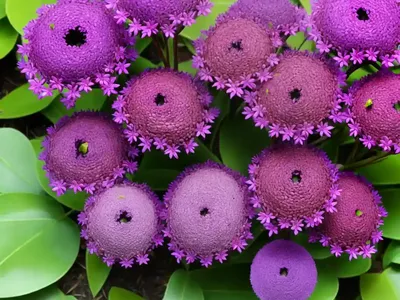
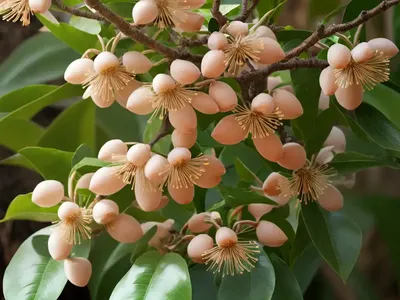
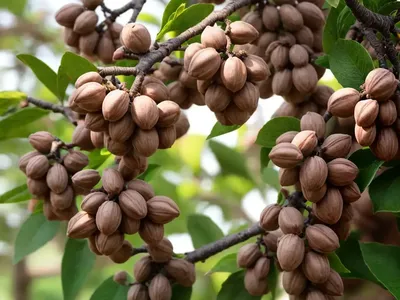
Cyprus Turpentine (Pistacia Terebinthus)
Pistacia Terebinthus, commonly known as Cyprus Turpentine, is a unique and versatile plant that has been utilized for various purposes throughout history..
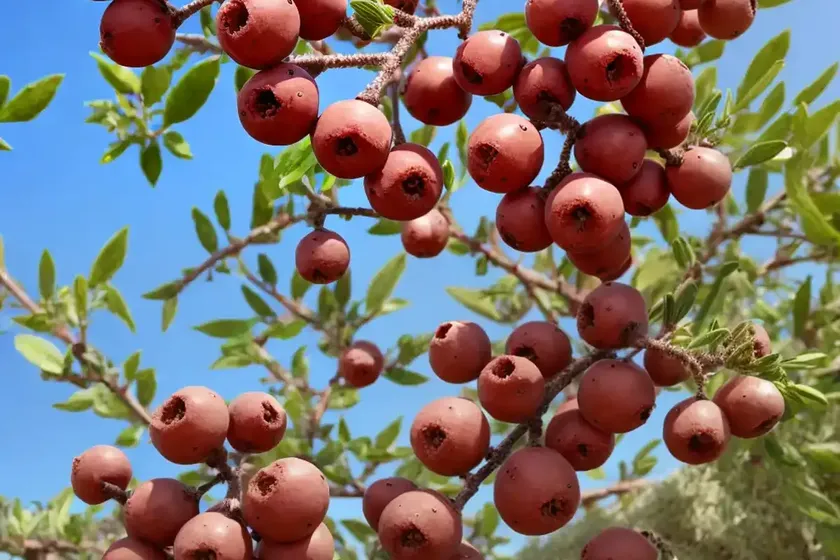
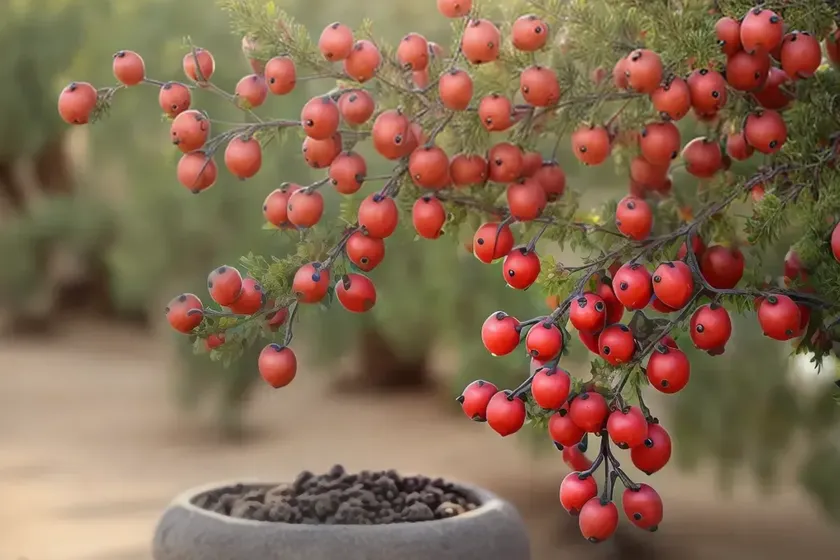
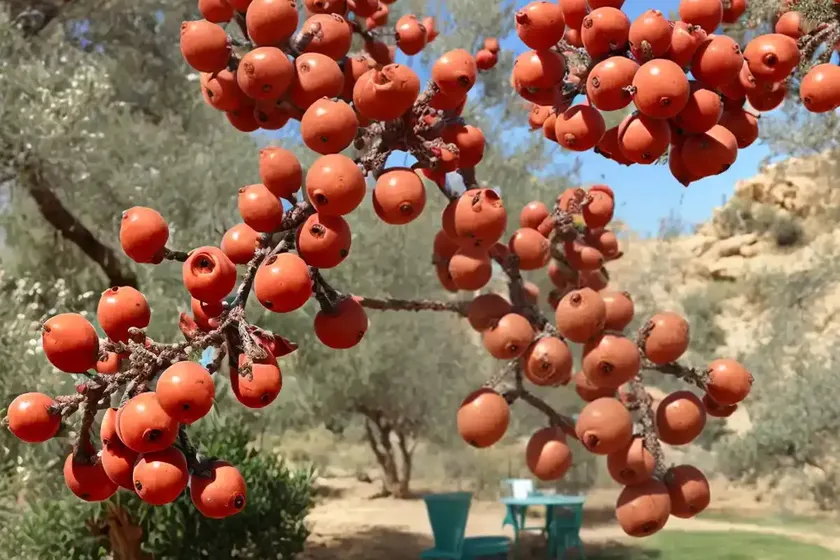
Pistacia Terebinthus, commonly known as Cyprus Turpentine, is a unique and versatile plant that has been utilized for various purposes throughout history. From its cultural significance to its medicinal properties, this plant holds immense value and continues to captivate the interest of botanists, historians, and enthusiasts alike. This comprehensive guide delves into the world of Cyprus Turpentine, exploring its botanical information, cultivation, traditional uses, and much more.
What is Pistacia Terebinthus?
Pistacia Terebinthus is a species of flowering plant belonging to the Anacardiaceae family. This small tree is native to the Mediterranean region and is known for its resin, which has been traditionally used for medicinal, aromatic, and industrial purposes. The unique properties of its resin have contributed to its diverse applications, making it a culturally significant plant with a rich history of use.
Key Takeaways – Cyprus Turpentine (Pistacia Terebinthus)
Before delving deeper into the various aspects of Pistacia Terebinthus, let’s summarize the key takeaways related to this fascinating plant:
- Cultural Significance: Cyprus Turpentine holds cultural and historical significance, with traditional uses rooted in folklore and myths.
- Medicinal Properties: The plant’s resin possesses medicinal benefits and has been used in traditional remedies and holistic medicine.
- Economic Value: Pistacia Terebinthus resin has industrial applications, contributing to its economic importance.
- Native Habitat: It is native to the Mediterranean region, thriving in specific environmental conditions.
- Sustainable Uses: Sustainable harvesting practices are essential to preserve the ecological balance and ensure the availability of this valuable resource.
Botanical Information
Taxonomy and Classification
Pistacia Terebinthus is classified within the following taxonomical hierarchy:
- Kingdom: Plantae
- Phylum: Angiosperms
- Class: Eudicots
- Order: Sapindales
- Family: Anacardiaceae
- Genus: Pistacia
- Species: Pistacia Terebinthus
Morphology
The Cyprus Turpentine tree is characterized by the following morphological features:
- Height: Typically reaching heights of 5-10 meters, though it can grow taller under favorable conditions.
- Leaves: Pinnate leaves with an odd number of leaflets, exhibiting a glossy green appearance.
- Flowers: Small, greenish flowers arranged in panicles.
- Fruit: Bearing small, round drupes that change from green to red as they mature.
Understanding the botanical characteristics of Pistacia Terebinthus provides insight into its growth patterns and reproductive mechanisms, laying the foundation for successful cultivation.
Cultivation
Climate and Habitat
Pistacia Terebinthus thrives in Mediterranean climates, characterized by hot, dry summers and mild, wet winters. The plant is well-suited to regions with a distinct summer drought, where it can endure high temperatures and low water availability. Its native habitat includes coastal areas, rocky slopes, and scrublands, where it adapts to the arid conditions prevalent in the Mediterranean region.
Soil Requirements
The plant prefers well-draining, sandy or loamy soils with a slightly acidic to neutral pH. These soil conditions resemble the natural habitats of Pistacia Terebinthus, providing optimal support for its growth and development. Soil enrichment with organic matter can enhance its performance, especially when cultivating the plant in containers or garden beds.
Watering
While Cyprus Turpentine exhibits tolerance to drought, adequate water supply is crucial, especially during the establishment phase and prolonged dry spells. However, excessive moisture and waterlogging can be detrimental to the plant’s health, emphasizing the importance of balanced watering practices. In regions with dry summers, supplementary irrigation may be necessary to support its growth.
Sunlight Requirements
Pistacia Terebinthus thrives in full sunlight, benefiting from at least 6-8 hours of direct sunlight daily. Exposure to ample sunlight contributes to the plant’s vigor, enhances resin production, and promotes overall vitality. When selecting a planting site or positioning container-grown specimens, prioritizing sunlight exposure is essential for optimal growth.
Uses
Medicinal Properties
Pistacia Terebinthus resin has been valued for its medicinal properties, serving as a key ingredient in traditional remedies and holistic medicine. Its therapeutic uses encompass a range of applications, including:
- Respiratory Health: Historically used to alleviate respiratory ailments such as coughs and bronchitis.
- Wound Healing: Applied topically for its purported wound-healing and antiseptic properties.
- Digestive Support: Utilized in traditional medicine for digestive disorders and related symptoms.
Industrial Applications
The resin extracted from Pistacia Terebinthus has diverse industrial uses, including:
- Varnishes and Lacquers: Employed in the production of varnishes and lacquers due to its adhesive and protective qualities.
- Perfumery: Valued for its aromatic properties, contributing to the formulation of fragrances and perfumes.
- Traditional Crafts: Utilized in the production of traditional crafts and art, embedding cultural significance in its applications.
Culinary Uses
In certain cultures, the dried fruits of Pistacia Terebinthus are used as a flavoring agent, adding a unique taste to culinary creations. The incorporation of this distinctive ingredient in traditional recipes reflects its cultural and gastronomic importance.
Historical and Cultural Significance
Cyprus Turpentine holds a prominent place in folklore, traditions, and historical narratives, symbolizing resilience, healing, and cultural heritage. Its role in traditional ceremonies and rituals emphasizes the enduring cultural significance associated with the plant.
Fertilizer
Nutrient Requirements
When cultivating Pistacia Terebinthus, providing adequate nutrients is essential for its sustained growth and resin production. A balanced fertilizer with an NPK ratio suitable for woody plants can support the plant’s nutritional needs. Incorporating organic fertilizers or slow-release formulations can enhance soil fertility and cater to the plant’s requirements over an extended period.
Application Guidelines
Fertilization can be carried out during the plant’s active growing season, typically in spring or early summer. Applying the fertilizer around the drip line of the tree, avoiding direct contact with the trunk, facilitates nutrient uptake and distribution. Adjusting the fertilizer dosage based on the plant’s size and overall health is crucial to prevent nutrient imbalances.
Pruning
Objectives of Pruning
Pruning plays a pivotal role in shaping the growth pattern of Pistacia Terebinthus and maintaining its vigor. Key objectives of pruning include:
- Developing Form: Guiding the tree’s structure and form to enhance its aesthetic appeal and overall health.
- Resin Production: Encouraging resin production by optimizing the tree’s architecture and promoting vitality.
- Health Maintenance: Removing dead, diseased, or damaged branches to safeguard the tree’s well-being.
Pruning Practices
Pruning can be conducted during the dormant season to minimize stress on the plant and facilitate rapid wound healing. Techniques such as thinning, heading back, and selective branch removal can be employed to achieve specific objectives while adhering to the principles of proper pruning.
Propagation
Seed Propagation
Propagation of Pistacia Terebinthus via seeds follows these general guidelines:
- Seed Collection: Harvesting mature seeds from the plant’s fruits and processing them for propagation.
- Seed Treatment: Scarification or soaking in water to enhance germination rates.
- Sowing: Planting the treated seeds in suitable growing medium and providing optimal conditions for germination and seedling establishment.
Vegetative Propagation
Utilizing techniques such as hardwood cuttings and layering can facilitate vegetative propagation, offering an alternative method to propagate specific cultivars or clones with desired traits.
Container Cultivation
Suitable Containers
When cultivating Pistacia Terebinthus in containers, selecting appropriate pots or containers is crucial. Considerations for container selection include:
- Size: Choosing adequately sized containers to accommodate the plant’s root system and provide ample space for growth.
- Drainage: Ensuring proper drainage to prevent waterlogging and maintain optimal soil moisture levels.
- Material: Selecting durable and weather-resistant materials to withstand environmental conditions and support long-term growth.
Container Care
Caring for container-grown Cyprus Turpentine trees involves regular monitoring and maintenance, focusing on watering, fertilization, and root management. Adhering to container-specific care guidelines is essential to promote healthy growth and resin production in these confined growing environments.
Popularity
Pistacia Terebinthus has garnered attention and popularity due to its captivating characteristics and versatile applications. As interest in holistic remedies, sustainable resources, and cultural heritage continues to grow, the plant’s significance transcends geographical boundaries, contributing to its global appeal.
Common Diseases
Fungal Infections
Pistacia Terebinthus is susceptible to fungal diseases such as anthracnose, powdery mildew, and root rot. These infections can impact the plant’s vigor, resin production, and overall health if left unmanaged.
Bacterial Diseases
Bacterial diseases, including bacterial leaf scorch and crown gall, pose potential threats to Cyprus Turpentine trees, necessitating proactive disease management strategies.
Disease Diagnosis
Symptoms
Recognizing the symptoms of common diseases enables early diagnosis and targeted intervention. Symptoms of diseases affecting Pistacia Terebinthus may include:
- Leaf Spots and Lesions: Visible discoloration, spots, or lesions on the leaves.
- Wilting and Decline: Noticeable wilting, drooping, or decline in overall vigor.
- Abnormal Growth: Malformed shoots, cankers, or other irregular growth patterns.
Diagnostic Steps
Engaging in thorough observation, symptom assessment, and, if necessary, laboratory diagnostics can aid in accurately diagnosing and addressing potential disease issues. Seeking professional guidance may be beneficial in complex or severe cases.
Common Pests
Insect Pests
Pistacia Terebinthus may face challenges from various insect pests, including scale insects, aphids, and caterpillars, which can compromise its health and resin production.
Mite Infestations
Mites, such as spider mites, can affect the plant’s foliage, causing discoloration and reduced photosynthetic efficiency, ultimately impacting its overall performance.
Botanist’s Tips
Environmental Compatibility
When integrating Pistacia Terebinthus into new environments, considering its compatibility with local flora and fauna is essential. Assessing its potential impact and ensuring responsible cultivation practices contribute to sustainable integration.
Resin Harvesting Ethics
Prioritizing sustainable resin harvesting practices, such as selective tapping and adherence to recommended extraction techniques, supports the long-term viability of Cyprus Turpentine trees and their surrounding ecosystems.
Fun Facts
- The resin of Pistacia Terebinthus has been traditionally used as incense, contributing to cultural ceremonies and rituals.
- The plant’s historical uses date back centuries, demonstrating its enduring significance across different civilizations.
- Pistacia Terebinthus trees can thrive in marginal lands, providing valuable resources in environmentally challenging conditions.
Links to External Resources
For further exploration of Pistacia Terebinthus and related topics, the following resources offer valuable insights and information:
- Royal Botanic Gardens, Kew – Plant Information
- The Herb Society – Medicinal Uses of Pistacia species
- International Union for Conservation of Nature (IUCN) Red List – Pistacia Terebinthus
- American Society of Plant Biologists – Plant Science Journals
- USDA Natural Resources Conservation Service – Plants Database
In conclusion, Pistacia Terebinthus, commonly known as Cyprus Turpentine, encompasses a wealth of botanical, cultural, and practical significance. Its resilient nature, diverse uses, and historical prominence underscore the plant’s multifaceted appeal. As we continue to appreciate and study the unique attributes of Pistacia Terebinthus, its contribution to traditional medicine, industrial applications, and ecological balance remains a captivating subject of exploration and discovery.