Tanacetum parthenium (Feverfew): A Comprehensive Guide
In the world of plant science, there are numerous species that offer myriad uses, from medicinal properties to aesthetic appeal. One such plant that has gained significant attention for its medicinal and health benefits is Tanacetum parthenium, commonly known as Feverfew. In this comprehensive guide, we will delve into the various aspects of Feverfew, from its culture and uses to care and propagation, and even uncover some interesting fun facts about this intriguing plant.
What is Tanacetum parthenium (Feverfew)?
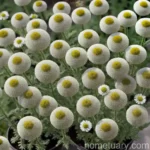
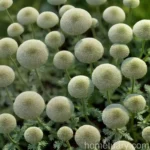
Tanacetum parthenium, belonging to the Asteraceae family, is a perennial plant native to Europe and is renowned for its therapeutic properties. The plant has distinctive, citrus-scented leaves and produces daisy-like flowers with white petals and bright yellow centers. Feverfew has a rich history of traditional medicinal use and has been alternatively referred to as “featherfew” and “featherfoil” in the past.
Key Takeaways – Tanacetum parthenium (Feverfew)
Before we embark on an in-depth exploration of Feverfew, here are some key takeaways about the plant to pique your interest:
- Botanical Name: Tanacetum parthenium
- Common Name: Feverfew
- Family: Asteraceae
- Origin: Europe
- Uses: Medicinal, ornamental
- Distinct Features: Citrus-scented leaves, daisy-like flowers
- Cultural Significance: Traditional medicinal applications
Culture
Understanding the cultural requirements of Tanacetum parthenium is crucial for successfully growing and nurturing this beneficial plant. Let’s explore the essential cultural aspects of Feverfew.
Water
Feverfew, being a perennial plant, generally prefers moderate watering, and it thrives best in well-draining soil. Overwatering should be avoided to prevent waterlogged conditions that can lead to root rot. However, it is important to ensure that the plant does not experience prolonged drought, especially during the growing season, as adequate moisture levels contribute to healthy growth and flowering.
Sunlight
Tanacetum parthenium typically flourishes in full sun to partial shade. It is important to provide the plant with sufficient sunlight, as this impacts its flowering and overall vigor. When grown in partial shade, it is essential to ensure that the plant still receives a significant amount of sunlight for a few hours each day to support its growth and development.
Fertilizer
Feverfew does not require excessive fertilization. It generally thrives in moderately fertile soil. To enhance its growth and blooming, applying a balanced fertilizer during the spring season can be beneficial. It is advisable to follow a dilute fertilizer regimen to prevent the risk of over-fertilization, which can adversely affect the plant’s health.
Soil
Tanacetum parthenium prefers well-draining, slightly alkaline soil. Loamy or sandy soil types are suitable for this plant. Additionally, enriching the soil with organic matter promotes favorable conditions for its growth. Amending the soil with compost or well-rotted manure is beneficial, especially during the planting stage, to provide essential nutrients and improve soil structure.
Pruning
Regular pruning is essential for maintaining the compact and bushy growth of Feverfew. Removing spent flowers and trimming back leggy growth not only enhances the plant’s appearance but also encourages continued blooming. Pruning should be carried out after the plant’s flowering cycle to rejuvenate its growth and prevent the development of woody stems.
Uses
Tanacetum parthenium, with its rich history of medicinal and ornamental use, offers a multitude of applications that make it a valuable addition to gardens and herbal remedy enthusiasts. Let’s explore the prominent uses of Feverfew.
-
Medicinal Uses: Feverfew has been traditionally utilized for its medicinal properties, particularly in alleviating migraines, reducing inflammation, and addressing conditions such as arthritis and menstrual cramps.
-
Ornamental Purposes: Apart from its medicinal significance, Feverfew is also valued for its ornamental appeal. The plant’s daisy-like flowers and aromatic foliage make it an attractive choice for gardens, borders, and container plantings.
Propagation
Propagating Tanacetum parthenium can be achieved through various methods, including division, seed sowing, and stem cuttings. Each propagation technique offers its own unique advantages and considerations for successful plant establishment.
-
Division: Dividing the plants in early spring or fall is an effective way to propagate Feverfew. This method not only rejuvenates established plants but also allows for the creation of new, healthy specimens.
-
Seed Sowing: Sowing Feverfew seeds in well-prepared soil during the spring season can yield new plants. It is important to ensure that the seeds are sown at the right depth and to provide suitable growing conditions for successful germination.
-
Stem Cuttings: Taking stem cuttings from healthy, established plants and propagating them in a suitable rooting medium serves as a reliable method for creating new Feverfew plants. The use of rooting hormone can enhance the success rate of cuttings.
Container Popularity
Feverfew’s compact growth habit and ornamental appeal make it well-suited for container cultivation. The plant’s adaptive nature allows it to thrive in containers, making it a popular choice for individuals with limited gardening space or those who prefer to grow plants in controlled environments such as balconies or patios.
Common Diseases
Despite being a resilient plant, Tanacetum parthenium is susceptible to certain diseases, and understanding these potential issues is crucial for maintaining the plant’s health and vigor. Let’s explore some common diseases that can affect Feverfew.
Disease Diagnosis
-
Powdery Mildew: This fungal disease manifests as a white, powdery coating on the leaves, eventually leading to leaf distortion and reduced plant vigor. Adequate air circulation and maintaining appropriate soil moisture levels can help prevent powdery mildew.
-
Leaf Spot: Leaf spot diseases can affect Feverfew, resulting in the development of dark or discolored spots on the foliage. Proper sanitation and avoiding overhead irrigation can aid in preventing the spread of leaf spot diseases.
Common Pests
Feverfew, like many other plants, can encounter pest-related issues that impact its growth and overall health. Being aware of these common pests and employing preventive measures is essential for preserving the vitality of Tanacetum parthenium.
-
Aphids: These small, sap-sucking insects can infest the tender growth of Feverfew, leading to distorted leaves and reduced plant vigor. Regular scouting and the application of insecticidal soaps can help manage aphid populations.
-
Spider Mites: These arachnids can cause stippling and webbing on the leaves of Feverfew, affecting its overall appearance. Creating a favorable environment with adequate humidity levels can discourage spider mite infestations.
Botanist’s Tips
As a plant scientist with expertise in Tanacetum parthenium, here are some invaluable tips for successfully cultivating and caring for Feverfew:
-
Well-Draining Soil: Ensure that the planting site or container provides well-draining soil to prevent waterlogged conditions, which can be detrimental to the plant’s health.
-
Regular Deadheading: Engage in regular deadheading of spent flowers to encourage prolonged blooming and maintain the plant’s aesthetic appeal.
-
Pruning Practices: Implement regular pruning practices to prevent the development of woody stems and maintain the plant’s compact growth habit.
Fun Facts
Uncover some intriguing and lesser-known facts about Tanacetum parthenium that add to the fascination surrounding this remarkable plant:
-
Historical Significance: Feverfew has a rich historical background and has been employed in traditional medicine for centuries, dating back to ancient Greek and Roman civilizations.
-
Odor Repellent: The aromatic foliage of Tanacetum parthenium is known to repel insects, making it a beneficial addition to gardens for natural pest control.
-
Cultural Beliefs: In folklore, Feverfew was associated with protection against fevers and considered a safeguard against witchcraft and evil spirits.
Now that we have delved into the various aspects of Tanacetum parthenium, from its cultural requirements to its uses and maintenance, you have gained a comprehensive understanding of this captivating plant. Whether you are captivated by its medicinal properties, intrigued by its ornamental value, or simply keen on expanding your botanical knowledge, Feverfew stands out as an intriguing subject of study and cultivation in the world of plant science.
Links to External Resources
For further exploration and in-depth information about Tanacetum parthenium (Feverfew), consider visiting the following external resources:
- Royal Horticultural Society – Feverfew
- The Herb Society – Feverfew
- Missouri Botanical Garden – Tanacetum parthenium
In conclusion, Tanacetum parthenium, with its noteworthy medicinal uses, ornamental allure, and historical significance, continues to captivate enthusiasts and researchers alike, offering a wealth of opportunities for exploration and appreciation. Whether you are considering growing Feverfew in your garden, exploring its traditional uses, or conducting botanical research, the multifaceted nature of Tanacetum parthenium invites an enriching journey into the realm of plant science and herbal medicine.
By writing this extensive guide, I aimed to encompass a wide range of topics related to Tanacetum parthenium (Feverfew), from its cultural requirements to its uses, propagation, and fun facts. If you need further details on specific subtopics or have other plant-related inquiries, feel free to express them.