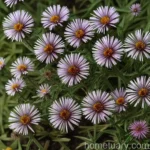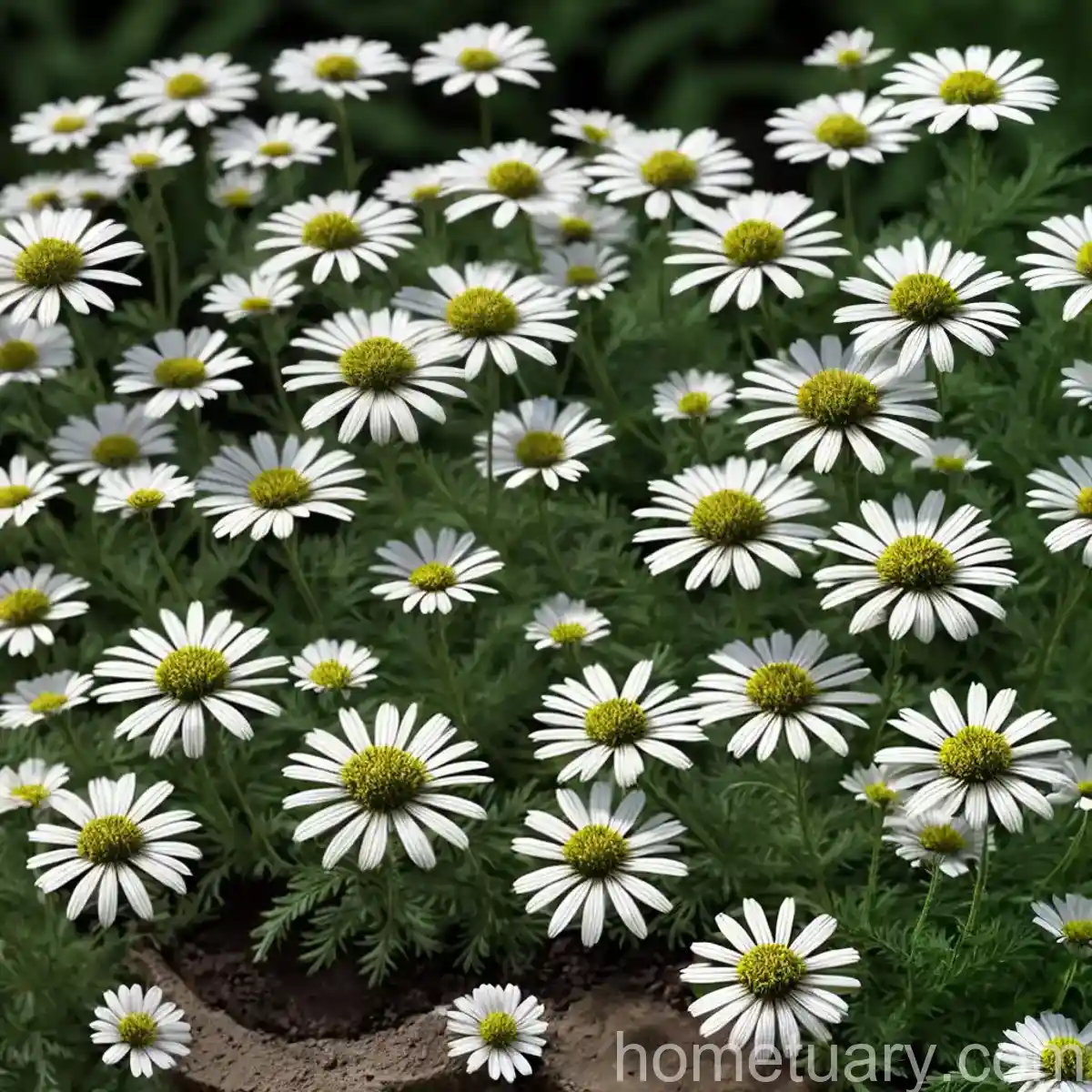
Tanacetum Cinerariifolium (Pyrethrum Daisy): A Complete Guide
Tanacetum cinerariifolium, commonly known as pyrethrum daisy, is a beautiful flowering plant that is not only a visually appealing addition to any garden but also serves several practical purposes. As a plant scientist, I have conducted extensive research on this fascinating plant and in this comprehensive guide, I will delve into the various aspects of its cultivation, uses, and maintenance.
What is Tanacetum Cinerariifolium?
Tanacetum cinerariifolium, a member of the Asteraceae family, is a species of perennial plant native to the Caucasus region in Eurasia. It is renowned for its daisy-like flowers and is primarily cultivated for the extraction of pyrethrins, a natural insecticide. The plant has a rich history of traditional medicinal uses and is also valued for its ornamental beauty.
Key Takeaways – Tanacetum Cinerariifolium (Pyrethrum Daisy)
Before delving into the details of how to care for pyrethrum daisy, it’s important to highlight some key takeaways about this fascinating plant.
Culture
- Scientific Name: Tanacetum cinerariifolium
- Common Name: Pyrethrum Daisy
- Family: Asteraceae
- Type: Perennial
Uses
- Medicinal: Traditional medicinal uses
- Horticultural: Ornamental plant and insecticidal properties
Water
- Watering Needs: Moderate
- Drought Tolerance: Moderate
Sunlight
- Sunlight Requirements: Full sun to partial shade
Fertilizer
- Fertilization: Light feeding during the growing season
Soil
- Soil Type: Well-draining, loamy soil
- pH Level: Neutral to slightly acidic
Pruning
- Pruning: Regular deadheading to promote continuous blooming
Propagation
- Propagation: By division or seeds
Container Popularity
- Container-Friendly: Yes
Common Diseases
- Diseases: Susceptible to powdery mildew and root rot
Common Pests
- Pests: susceptible to aphids, spider mites, and thrips
Botanist’s Tips
- Tips: Regular monitoring for pests and diseases, especially during warm and humid conditions
Fun Facts
- Fun Fact: Pyrethrum daisy is the source of a natural insecticide used in organic farming.
Now that we have a broad overview of the key aspects of pyrethrum daisy, let’s delve into the more detailed care and cultivation practices.
Pyrethrum Daisy Care
Growing Pyrethrum Daisy
The successful cultivation of pyrethrum daisy relies on providing the optimal growing conditions, attentive care, and addressing any potential issues promptly. To ensure robust growth and abundant blooms, consider the following essential care guidelines.
Watering
Pyrethrum daisy thrives in moderately moist conditions but is also capable of withstanding short periods of drought. The key to successful watering is to maintain consistently moist but not waterlogged soil. During the hot summer months, pay close attention to the plant’s water needs and water whenever the top inch of the soil becomes dry. However, it’s important to avoid overwatering, which can lead to root rot.
Sunlight
When it comes to sunlight, pyrethrum daisy thrives in full sun to partial shade. Therefore, it is best to plant it in a location that receives at least 6 hours of direct sunlight each day. Insufficient sunlight can result in leggy growth and reduced flowering. However, in regions with scorching summers, providing some protection from the intense afternoon sun can be beneficial.
Fertilizer
Pyrethrum daisy generally does not have high fertilizer requirements. A light feeding with a balanced, all-purpose fertilizer in the spring as new growth emerges can help support healthy blooms. It’s important to avoid over-fertilization, which can lead to excessive leafy growth at the expense of flowers.
Soil
The right soil type is crucial for the optimal growth of pyrethrum daisy. It thrives in well-draining, loamy soil with a slightly acidic to neutral pH. Amending heavy clay soils with organic matter can improve drainage and create a more favorable growing environment for the plant.
Pruning
Regular deadheading, the removal of spent flowers, is essential to encourage continuous blooming. This simple maintenance task not only keeps the plant looking tidy but also promotes the production of new blooms. Additionally, pruning back leggy growth and cutting back the plant after the first flush of blooms can help maintain a compact and bushy form.
Propagation
Pyrethrum daisy can be propagated through division or from seeds. Division is typically carried out in the spring and involves separating the plant into smaller sections, each with a portion of the roots. Sowing seeds indoors in early spring and transplanting the seedlings once the danger of frost has passed is another effective propagation method.
Container Popularity
Pyrethrum daisy is well-suited to container cultivation, making it an excellent choice for individuals with limited garden space. When grown in containers, ensure that the pots have drainage holes to prevent waterlogged soil, and use a high-quality potting mix that provides adequate aeration and drainage.
Common Diseases and Pests
Common Diseases
Pyrethrum daisy is susceptible to certain diseases, with powdery mildew and root rot being among the most common. Powdery mildew, characterized by a white, powdery growth on the leaves, thrives in warm, humid conditions and can be addressed by improving air circulation around the plant and avoiding overhead watering. Root rot, caused by waterlogged soil, can be prevented by ensuring proper drainage and avoiding overwatering.
Common Pests
When it comes to pests, pyrethrum daisy is susceptible to aphids, spider mites, and thrips. These pests can cause damage to the foliage and buds, impacting the plant’s overall health and aesthetics. Regular monitoring for signs of pest infestations and early intervention with appropriate organic pest control measures can help prevent significant damage.
Tanacetum Cinerariifolium: Varieties and Landscaping Uses
Varieties
Pyrethrum daisy is available in several varieties, each with its unique flower colors and growth habits. Some popular varieties include:
- Tanacetum cinerariifolium ‘Robinson’s Mix’: Known for its mix of vibrant daisy-like flowers in shades of pink, red, and white.
- Tanacetum cinerariifolium ‘Flore Pleno’: This variety features double flowers, creating a more lush and full appearance.
When selecting a variety for your garden or landscape, consider factors such as flower color, height, and growth habit to ensure it complements your overall design and meets your aesthetic preferences.
Landscaping Uses
Pyrethrum daisy’s striking blooms and pest-repellent properties make it a versatile addition to various landscaping settings. Here are some common landscaping uses of this attractive plant:
-
Mixed Borders: Plant pyrethrum daisy alongside other flowering perennials in mixed borders to add color and provide natural pest control benefits.
-
Rock Gardens: Its compact growth habit and tolerance for well-drained soils make pyrethrum daisy an excellent choice for rock gardens, where it can thrive in the crevices between stones.
-
Pollinator Gardens: The nectar-rich flowers of pyrethrum daisy attract bees, butterflies, and other beneficial pollinators, making it a valuable addition to pollinator-friendly gardens.
-
Edging and Pathway Planting: Use pyrethrum daisy to create defined edging or plant it along pathways to add a charming touch to the landscape.
Pyrethrum Daisy: Medicinal and Companion Plant Uses
Medicinal Uses
Pyrethrum daisy has a rich history of traditional medicinal uses, with the flowers being employed in various herbal remedies. Notably, the active compounds in the plant, known as pyrethrins, are potent insecticidal agents that are also used for their medicinal properties. While the utilization of pyrethrum daisy for medicinal purposes should be approached with caution and expert guidance, its historical significance in traditional medicine is noteworthy.
Companion Planting
In addition to its ornamental and pest-repellent attributes, pyrethrum daisy can serve as a beneficial companion plant in organic gardening. When strategically planted alongside vegetables and other susceptible plants, it can help deter pests and reduce the need for chemical insecticides. Some compatible companion plants for pyrethrum daisy include:
- Vegetables: Cabbage, broccoli, and other brassicas
- Herbs: Rosemary, sage, and thyme
- Flowers: Marigolds, alyssum, and yarrow
Tanacetum Cinerariifolium: Flower Arrangement and Essential Oil
Flower Arrangement
The vibrant and long-lasting blooms of pyrethrum daisy make it an excellent choice for floral arrangements. The daisy-like flowers can serve as stunning focal points in bouquets and floral displays, adding a touch of natural beauty to indoor and outdoor spaces. When creating arrangements, consider combining pyrethrum daisy with complementary flowers and foliage to enhance its visual impact.
Essential Oil
Pyrethrum daisy is a source of essential oils that contain the natural insecticidal compounds, making it a valuable resource for natural pest control. The extraction of essential oils from pyrethrum daisy involves specialized processes that concentrate the active compounds, which are then used in various pest control products. The use of pyrethrum daisy essential oil in organic gardening reflects its eco-friendly and sustainable approach to pest management.
Conclusion
Tanacetum cinerariifolium, or pyrethrum daisy, embodies a fascinating blend of horticultural, medicinal, and pest-repellent attributes that make it a valuable addition to gardens and landscapes. From its stunning blooms and natural insecticidal properties to its historical uses in traditional medicine, this versatile plant offers a multitude of benefits. By understanding the nuances of its care and cultivation, as well as exploring its diverse uses, gardeners can fully appreciate the potential of pyrethrum daisy in various settings.
Whether you’re seeking to incorporate a pest-deterring plant into your garden, create captivating floral arrangements, or explore the historical significance of traditional herbal remedies, pyrethrum daisy stands out as a plant of remarkable versatility and value. As a plant scientist, I am continually inspired by the fascinating qualities and practical applications of plants such as Tanacetum cinerariifolium, and I encourage fellow enthusiasts to explore the myriad possibilities offered by this extraordinary botanical gem.
References
- “Tanacetum cinerariifolium.” Missouri Botanical Garden, http://www.missouribotanicalgarden.org/PlantFinder/PlantFinderDetails.aspx?taxonid=286611&isprofile=0&.
- “Tanacetum cinerariifolium.” Royal Horticultural Society, https://www.rhs.org.uk/plants/222353/i-tanacetum-cinerariifolium-i/details.
- Jansen, Sonia, and Jennifer Lyons. “Natural Pest Control: The Pyrethrum Daisy.” Oregon State University Extension Service, https://extension.oregonstate.edu/gardening/flowers-bulbs-shrubs/natural-pest-control-pyrethrum-daisy.
- “Pyrethrum.” Encyclopaedia Britannica, https://www.britannica.com/plant/pyrethrum.