Tanacetum parthenium ‘Aureum’ (Golden Feverfew)
Plants have always held a special place in human culture. Beyond their aesthetic appeal, they also play a significant role in traditional medicine and modern pharmaceuticals. One such plant that has gained attention due to its various uses and benefits is Tanacetum parthenium or more commonly known as ‘Aureum’ or Golden Feverfew. In this comprehensive guide, we will explore the culture, uses, care, and interesting facts about this remarkable plant.
What is Tanacetum parthenium ‘Aureum’ (Golden Feverfew)?
Tanacetum parthenium is a perennial plant species belonging to the Asteraceae family. It is native to Europe and can grow up to 18-24 inches in height. The ‘Aureum’ variety is particularly famous for its striking golden foliage, adding a vibrant touch to any garden or landscape.
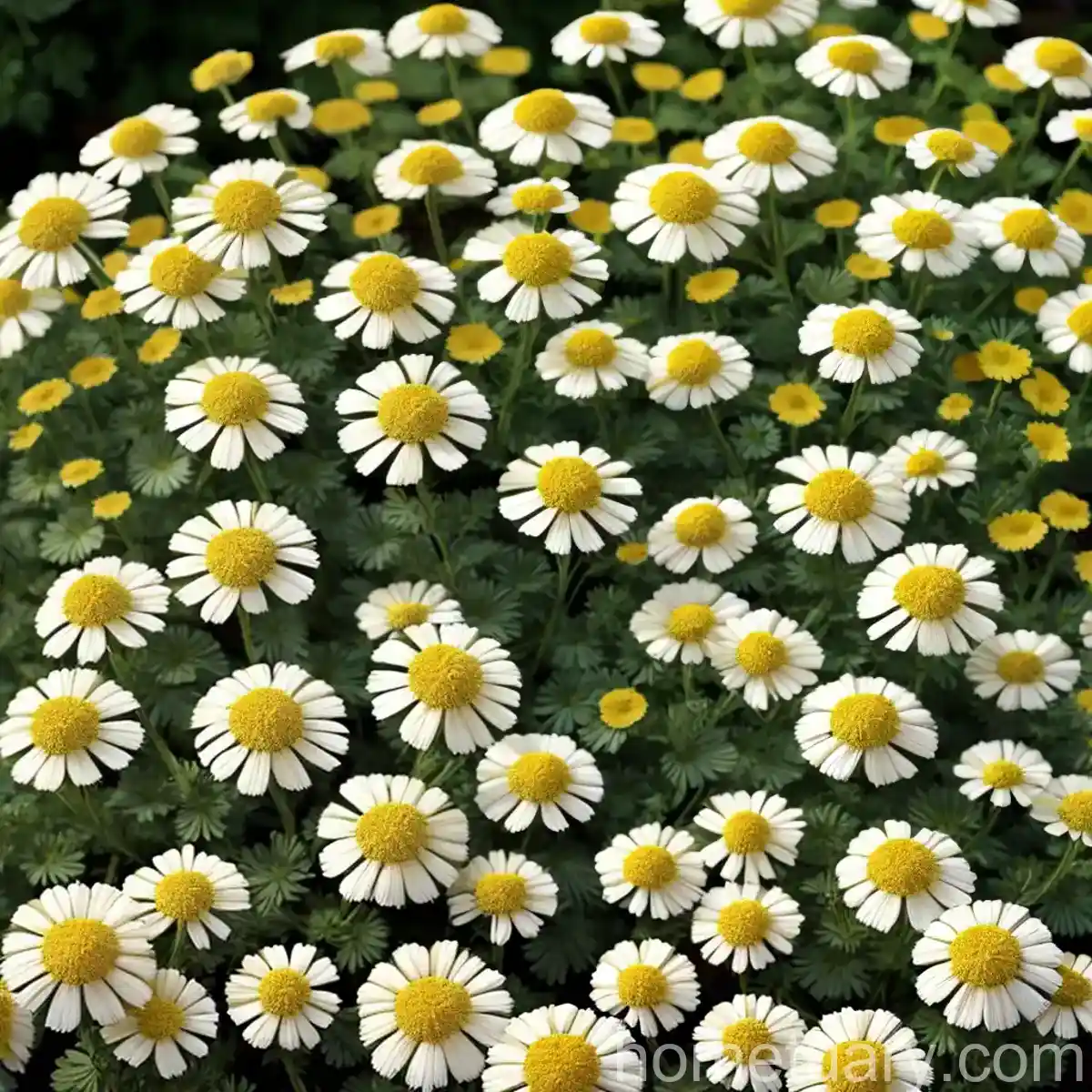
The Golden Feverfew is known for its clusters of small, daisy-like yellow flowers that bloom from early summer to fall. Not only valued for its ornamental qualities, but this plant is also esteemed for its medicinal properties and aromatic foliage.
Key Takeaways – Tanacetum parthenium ‘Aureum’ (Golden Feverfew)
Before diving into the detailed aspects of this plant, let’s highlight the key takeaways about Tanacetum parthenium ‘Aureum’:
- Botanical Name: Tanacetum parthenium ‘Aureum’
- Common Name: Golden Feverfew
- Plant Type: Perennial
- Growth Habit: Upright, Bushy
- Foliage Color: Golden Yellow
- Flower Color: Yellow
- Uses: Medicinal, Ornamental
- Sunlight: Full Sun to Partial Shade
- Soil Type: Well-draining
- Watering: Moderate
- Height: 18-24 inches
- Hardiness Zones: 5-9
Now, let’s explore the various aspects of this plant in detail.
Culture
Understanding the cultural requirements of Tanacetum parthenium ‘Aureum’ is essential for nurturing a healthy and thriving plant. The culture encompasses the environmental conditions and maintenance practices necessary for its growth.
Uses
The Golden Feverfew holds multiple uses, ranging from medicinal to ornamental.
Medicinal Uses:
– It is traditionally known for its medicinal properties and has been used to alleviate migraines, headaches, arthritis, and fever.
– Some herbalists and alternative medicine practitioners also recommend Golden Feverfew for anxiety relief and digestive health.
Ornamental Uses:
– Its vibrant golden foliage makes it an excellent choice for adding color contrast and visual interest to garden beds or containers.
– It is often used as a border plant or as a groundcover due to its compact growth habit.
Water
Proper watering is crucial for the well-being of Tanacetum parthenium ‘Aureum’. It is essential to find a balance, as overwatering can lead to root rot, while underwatering can cause the plant to wilt and become stressed.
Watering Guidelines:
– Water the plant thoroughly when the top inch of the soil feels dry to the touch.
– Ensure that the soil is well-draining to prevent waterlogging, especially during periods of heavy rainfall.
Sunlight
As a plant native to Europe, Golden Feverfew thrives in full sun to partial shade conditions. Adequate sunlight is necessary to promote flowering and maintain the vibrancy of its golden foliage.
Sunlight Requirements:
– Ideally, the plant should receive at least 6-8 hours of sunlight daily.
– In hotter regions, providing partial shade during the intense afternoon sun can prevent the foliage from scorching.
Fertilizer
Applying fertilizer at the right time and in the correct amount can significantly enhance the growth and flowering of Tanacetum parthenium ‘Aureum’.
Fertilizing Tips:
– Use a balanced, all-purpose fertilizer during the growing season, typically in early spring.
– Avoid over-fertilization, as excessive nutrients can lead to vigorous foliage growth at the expense of flowering.
Soil
The soil quality directly impacts the plant’s overall health and growth. Optimal soil conditions for Golden Feverfew are well-draining and moderately fertile.
Ideal Soil Characteristics:
– A loamy, well-draining soil with a slightly acidic to neutral pH is preferred.
– Adding organic matter can improve soil structure and fertility, benefiting the plant’s growth.
Pruning
Regular pruning and deadheading not only maintain the plant’s shape and appearance but also encourage additional flowering.
Pruning Guidelines:
– Trim back the spent flowers to promote continuous blooming.
– In late fall or early spring, prune back the plant to remove any damaged or overgrown foliage.
Propagation
Expanding your collection of Golden Feverfew can be achieved through propagation techniques such as division and stem cuttings.
Propagation Methods:
– Division: Divide the plant in early spring, ensuring each division has a good root system.
– Stem Cuttings: Take 4-6 inch stem cuttings in late spring or early summer, removing the lower leaves and placing the cutting in a well-draining potting mix.
Container Popularity
Golden Feverfew is well-suited for container gardening, allowing gardeners to enjoy its vibrant colors and medicinal benefits in a confined space.
Container Gardening Tips:
– Choose a container with adequate drainage holes to prevent waterlogging.
– Select a well-draining potting mix and ensure the plant receives sufficient sunlight.
Container Common Diseases
When growing Tanacetum parthenium ‘Aureum’ in containers, it is important to be aware of potential diseases that may affect the plant.
Common Container Diseases:
– Root Rot: Overwatering or poorly-draining soil can lead to root rot in container-grown Golden Feverfew.
– Powdery Mildew: High humidity and poor air circulation can contribute to powdery mildew development on the foliage.
Disease Diagnosis
Recognizing the symptoms of common diseases is crucial for early intervention and effective treatment.
Symptoms and Diagnosis:
– Root Rot: Yellowing and wilting of the foliage, accompanied by a foul odor from the soil.
– Powdery Mildew: White powdery patches on the leaves, often leading to leaf distortion and stunted growth.
Common Pests
Several pests can pose a threat to Tanacetum parthenium ‘Aureum’, impacting its growth and overall health.
Common Pests:
– Aphids: These small, pear-shaped insects can congregate on the undersides of the foliage, sucking the plant sap and causing distortion.
– Spider Mites: Infestations of spider mites can lead to stippled, discolored foliage and fine webbing on the plant.
Botanist’s Tips
From a botanist’s perspective, here are some valuable tips for cultivating and caring for Golden Feverfew:
- Regularly monitor the plant for signs of stress, disease, or pest infestations.
- Apply a layer of organic mulch around the base of the plant to conserve soil moisture and suppress weed growth.
- Consider companion planting with insect-repelling herbs and flowers to naturally deter pests and promote biodiversity in the garden.
Fun Facts
Discover some intriguing and delightful facts about Tanacetum parthenium ‘Aureum’ that add to its allure and appeal:
- In traditional folklore, Feverfew was believed to purify the air and protect against disease when planted near the home.
- The name “Feverfew” is derived from the Latin word febrifugia, which translates to “fever reducer,” reflecting its historical use in treating fevers.
Links to External Resources
For further information on Tanacetum parthenium ‘Aureum’, including its medicinal properties, culinary uses, and gardening tips, explore the following external resources:
In conclusion, Tanacetum parthenium ‘Aureum’ or Golden Feverfew stands as a remarkable plant offering a blend of medicinal, ornamental, and aromatic qualities. Through understanding its culture, uses, and care requirements, enthusiasts can fully appreciate and harness the potential of this captivating botanical gem.
Whether adorning a garden bed, flourishing in a container, or being utilized for its traditional healing properties, the Golden Feverfew continues to captivate and offer a wealth of benefits to those who embrace its presence.
Remember, in the world of plants, each species has a unique story to tell and gifts to share with those willing to listen and learn. Embrace the botanical marvels that surround you, and may the Golden Feverfew enrich your journey with its golden allure and natural wonders.