

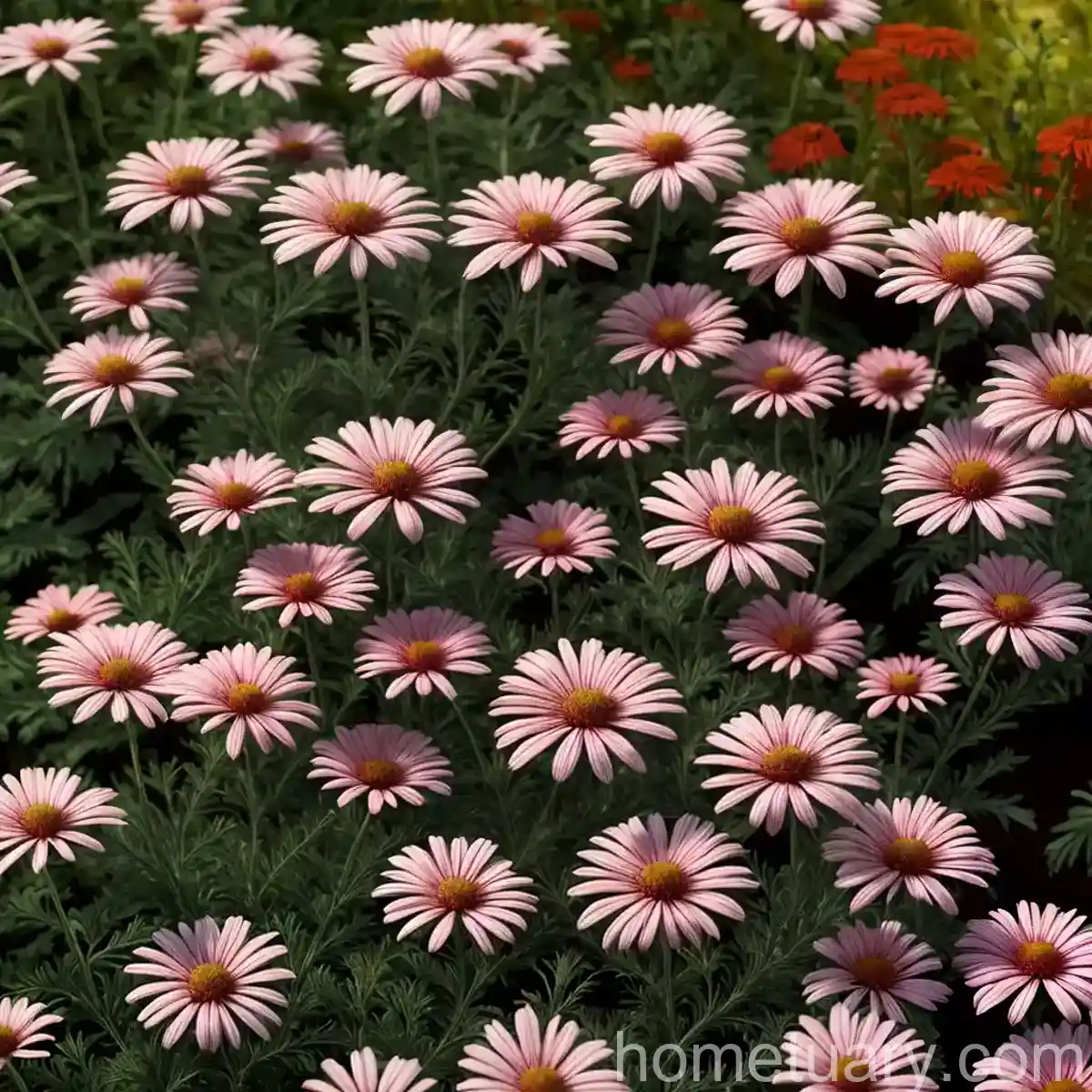
Tanacetum coccineum ‘Robinson’s Red’ (Painted Daisy): A Comprehensive Guide
Introduction
Plants have always fascinated us with their diverse forms, colors, and functions. They not only contribute to the aesthetic beauty of our surroundings but also play an essential role in the ecosystem. In this detailed guide, we’ll delve into the intricate world of Tanacetum coccineum ‘Robinson’s Red’ (Painted Daisy). This plant, with its vibrant flowers and unique properties, holds great significance to both gardeners and nature enthusiasts. From its cultural significance to its growing conditions, maintenance requirements to potential uses, we’ll cover everything you need to know about this fascinating plant.
What is Tanacetum coccineum ‘Robinson’s Red’?
Tanacetum coccineum, commonly known as the Painted Daisy, is a perennial plant that belongs to the Asteraceae family. ‘Robinson’s Red’ is a specific cultivar of this plant, prized for its stunning red flowers and its ability to thrive in various growing conditions. This herbaceous perennial originates from the Caucasus region and Turkey, where it can be found in its natural habitat.
The ‘Robinson’s Red’ variety is particularly popular for its vibrant floral display, making it a sought-after choice for gardens, landscaping, and floral arrangements. Its robust nature and charming appearance have secured its place as a beloved addition to many outdoor spaces.
Key Takeaways – Tanacetum coccineum ‘Robinson’s Red’
Before we dive into the intricacies of caring for the Tanacetum coccineum ‘Robinson’s Red’, let’s highlight some key takeaways:
- Scientific Name: Tanacetum coccineum ‘Robinson’s Red’
- Common Name: Painted Daisy
- Family: Asteraceae
- Growth Habit: Perennial
- Flower Color: Red
- Cultural Significance: Ornamental plant, pollinator attractant, potential medicinal uses
- Growth Requirements: Adequate sunlight, well-draining soil, moderate watering
These fundamental characteristics form the basis of our understanding of this beautiful plant and will guide us through the specifics of its care and cultivation.
Culture
Understanding the cultural significance and historical uses of Tanacetum coccineum ‘Robinson’s Red’ can provide valuable insights into its role in different societies and its potential benefits beyond its ornamental value.
- Historical Significance: Historically, Tanacetum coccineum has been valued for its ornamental beauty and has often been cultivated for its vibrant flowers, which hold symbolic and decorative significance in various cultures.
- Symbolism: The red color of the flowers is often associated with concepts of love, passion, and vitality, making it a popular choice for romantic and celebratory occasions.
- Cultural Uses: In some cultures, the flowers of Tanacetum coccineum have been used in traditional medicine, although it’s essential to exercise caution and seek professional advice before using any plant for medicinal purposes.
Understanding the cultural context of this plant enriches our appreciation for its presence in our gardens and landscapes and encourages us to explore its potential beyond its visual appeal.
Uses
Tanacetum coccineum ‘Robinson’s Red’ serves multiple purposes, ranging from its ornamental value to its potential role in attracting pollinators and its historical applications in traditional medicine.
- Ornamental Value: The vibrant red flowers make Tanacetum coccineum ‘Robinson’s Red’ an excellent choice for adding striking visual interest to gardens, borders, and floral displays.
- Pollinator Attractant: The nectar-rich flowers of Tanacetum coccineum can attract a variety of pollinators, including bees and butterflies, making it a valuable addition to wildlife-friendly gardens.
- Potential Medicinal Uses: While caution should be exercised in using any plant for medicinal purposes, Tanacetum coccineum has been historically associated with certain medicinal properties. However, it is crucial to consult knowledgeable sources before using the plant in any alternative or traditional medicinal practices.
Understanding the diverse uses of Tanacetum coccineum ‘Robinson’s Red’ broadens our perspective on its significance and paves the way for exploring its potential in various contexts.
Water
Proper watering is crucial for the health and vitality of Tanacetum coccineum ‘Robinson’s Red’. Understanding its water requirements is essential for creating an optimal growing environment for this beautiful plant.
- Watering Needs: Tanacetum coccineum prefers moderate watering, especially during the growing season. It is crucial to maintain consistently moist, well-draining soil, particularly during periods of active growth and flowering.
- Avoid Overwatering: While the plant benefits from moderate moisture, it is essential to avoid overwatering, as excessive water can lead to root rot and other potential issues. Therefore, it’s crucial to monitor the soil moisture levels and adjust the watering frequency accordingly.
Proper understanding of the plant’s water requirements enables gardeners to provide the necessary hydration, promoting healthy growth and abundant flowering.
Sunlight
As with many plants, sunlight plays a pivotal role in the growth and development of Tanacetum coccineum ‘Robinson’s Red’, and understanding its sunlight requirements is essential for its overall well-being.
- Sunlight Needs: Tanacetum coccineum thrives in full sun to partial shade. It performs best when exposed to at least six to eight hours of sunlight daily. Adequate sunlight ensures strong, sturdy growth and vibrant flowering.
- Shade Tolerance: While Tanacetum coccineum prefers full sun, it can tolerate partial shade, especially in regions with intense summer heat. Providing a balance of sunlight and shade is crucial for maintaining the plant’s vitality and floral display.
Understanding the plant’s sunlight requirements allows gardeners to identify suitable growing locations and create optimal conditions for its flourishing.
Fertilizer
Applying the right fertilizer can significantly enhance the growth and blooming capacity of Tanacetum coccineum ‘Robinson’s Red’. Therefore, understanding its fertilizer needs is essential for cultivating healthy and vibrant plants.
- Fertilizer Type: Tanacetum coccineum benefits from a balanced, all-purpose fertilizer that provides essential nutrients without promoting excessive foliage growth at the expense of flowering.
- Application Timing: It is advisable to apply fertilizer in early spring, just before the plant enters its active growth phase. A second application during the growing season can further support robust growth and prolific flowering.
- Caution: It’s important to follow recommended dosage and application instructions to prevent over-fertilization, which can adversely affect the plant’s health.
Understanding the plant’s fertilizer requirements empowers gardeners to provide the necessary nutrients for vigorous growth and abundant blooms, resulting in an impressive display of red flowers.
Soil
The soil composition significantly impacts the overall health and performance of Tanacetum coccineum ‘Robinson’s Red’. Understanding its soil requirements is crucial for creating an optimal growing environment for this stunning plant.
- Well-draining Soil: Tanacetum coccineum thrives in well-draining soil, as it prevents waterlogging and reduces the risk of root rot. Amending heavy or compacted soil with organic matter can improve its drainage and aeration.
- pH Levels: The plant prefers slightly alkaline to neutral soil with a pH range of 6.5 to 7.5. Conducting a soil test can help in determining and adjusting the pH levels to meet the plant’s requirements.
- Soil Composition: A fertile, loamy soil with good humus content provides an excellent growing medium for Tanacetum coccineum. It supports healthy root development and overall plant vigor.
Understanding the plant’s soil preferences enables gardeners to prepare and maintain a suitable growing environment, promoting robust growth and vibrant flowering.
Pruning
Pruning plays a vital role in maintaining the health, shape, and flowering capacity of Tanacetum coccineum ‘Robinson’s Red’. Understanding the appropriate pruning techniques for this plant is essential for its overall maintenance and appearance.
- Deadheading: Regular deadheading of faded flowers promotes continuous blooming and prevents the plant from expending energy on seed production.
- Cutting Back: In late summer or early fall, cutting back the spent flower stems encourages the plant to produce new growth and prepares it for the following growing season.
- Spring Maintenance: In early spring, removing any damaged or winter-killed growth, as well as shaping the plant, supports healthy, vigorous growth.
By understanding the plant’s pruning requirements and techniques, gardeners can contribute to its long-term health, appearance, and flowering performance.
Propagation
The propagation of Tanacetum coccineum ‘Robinson’s Red’ enables gardeners to expand their plant collection and share its beauty with others. Understanding the various propagation methods is essential for successful reproduction of this vibrant perennial.
- Seed Propagation: Tanacetum coccineum can be propagated from seeds, which should be sown indoors in early spring or directly in the garden after the last frost date. Providing a suitable germination medium and consistent moisture supports successful seedling establishment.
- Division: The plant can also be propagated through division, particularly in early spring or fall. Dividing established clumps and replanting the divisions in new locations promotes healthy growth and ensures the continuity of the plant.
- Root Cuttings: Root cuttings offer another method of propagating Tanacetum coccineum ‘Robinson’s Red’. Harvesting and planting healthy root sections can lead to the development of new plants.
Understanding the plant’s propagation methods equips gardeners with the knowledge and skills to increase the presence of Tanacetum coccineum in their gardens and landscapes.
Container Popularity
Tanacetum coccineum ‘Robinson’s Red’ is well-suited for container cultivation, offering versatility and aesthetic appeal to outdoor spaces.
- Container Selection: Choosing spacious containers with adequate drainage holes ensures proper root development and moisture management for the plant.
- Aesthetic Impact: The vibrant red flowers of ‘Robinson’s Red’ Painted Daisy create a striking visual impact in containers, making it an attractive choice for patio gardens, balconies, and outdoor living spaces.
- Portability: Containers offer the advantage of portability, allowing gardeners to move the plants to different locations to capture sunlight and enhance outdoor settings.
Understanding the popularity of Tanacetum coccineum ‘Robinson’s Red’ in container gardening inspires creativity and provides options for incorporating this stunning perennial into diverse outdoor environments.
Common Diseases
Even though Tanacetum coccineum ‘Robinson’s Red’ is a resilient plant, it is susceptible to certain diseases and issues that can affect its growth and flowering performance.
- Powdery Mildew: High humidity and poor air circulation can lead to powdery mildew, causing a white powdery coating on the leaves. Maintaining good air circulation and avoiding overhead watering can help prevent this issue.
- Leaf Spot: Fungal leaf spot diseases can occur, especially in conditions with prolonged leaf wetness. Ensuring proper spacing between plants and promoting good air circulation minimizes the risk of these diseases.
Understanding the potential diseases that can affect Tanacetum coccineum ‘Robinson’s Red’ allows gardeners to implement preventative measures and timely interventions to preserve the plant’s health and vitality.
Disease Diagnosis
Diagnosing potential diseases and issues affecting Tanacetum coccineum ‘Robinson’s Red’ involves careful observation and proactive management to safeguard the plant’s well-being.
- Visual Inspection: Regularly inspect the plant for any signs of discoloration, spots, or unusual growth patterns on the leaves and stems.
- Symptom Analysis: Understanding the typical symptoms associated with common diseases enables gardeners to identify and address any issues promptly.
- Professional Consultation: Seeking guidance from local horticultural experts or plant disease specialists can provide valuable insights into disease diagnosis and management strategies.
Prompt disease diagnosis and intervention contribute to the overall health and resilience of Tanacetum coccineum, ensuring its long-term vitality.
Common Pests
While Tanacetum coccineum ‘Robinson’s Red’ is relatively resistant to pests, it can occasionally attract unwanted visitors that may impact its health and appearance.
- Aphids: These tiny, soft-bodied insects can cluster on the plant’s tender shoots and flower buds, potentially affecting its growth and flowering capacity.
- Spider Mites: These pests can cause stippling and discoloration on the leaves, impacting the overall aesthetic value of the plant.
- Caterpillars: Some caterpillar species may feed on the foliage of Tanacetum coccineum, leading to noticeable damage.
Vigilance and proactive pest management measures help protect Tanacetum coccineum from potential pest-related issues, preserving its beauty and vitality.
Botanist’s Tips
Drawing on the expertise of botanists and experienced gardeners can provide valuable insights and practical tips to enhance the cultivation and enjoyment of Tanacetum coccineum ‘Robinson’s Red’.
- Soil Preparation: Prior to planting or transplanting, preparing the soil with organic matter and ensuring proper drainage creates an optimal foundation for the plant’s growth.
- Mulching: Applying a layer of organic mulch around the base of the plant helps conserve moisture, suppress weed growth, and maintain consistent soil temperatures.
- Companion Planting: Pairing Tanacetum coccineum with compatible companion plants can enhance its visual appeal and support beneficial ecological interactions in the garden.
Incorporating botanist’s tips into the cultivation and care of Tanacetum coccineum ‘Robinson’s Red’ creates an environment conducive to its optimal growth and flowering potential.
Fun Facts
Exploring the lesser-known aspects and intriguing characteristics of Tanacetum coccineum ‘Robinson’s Red’ adds to the fascination and appreciation of this captivating plant.
- Attracts Butterflies: The vibrant flowers of ‘Robinson’s Red’ Painted Daisy are known to attract and nourish various butterfly species, contributing to the ecological diversity of the garden.
- Long Blooming Period: When provided with suitable growing conditions, Tanacetum coccineum ‘Robinson’s Red’ can bloom continuously through the summer, offering a prolonged display of its striking red flowers.
- Low Maintenance: While the plant benefits from attentive care, it generally exhibits resilience and adaptability, making it well-suited for gardeners seeking low-maintenance floral additions.
These fun facts provide a delightful glimpse into the unique qualities and ecological contributions of Tanacetum coccineum ‘Robinson’s Red’, enhancing its allure and appeal to nature enthusiasts and gardeners alike.
Links to External Resources
For further exploration and detailed insights into Tanacetum coccineum ‘Robinson’s Red’ and related topics, the following external resources are recommended:
- Royal Horticultural Society – Tanacetum coccineum ‘Robinson’s Red’
- University of Vermont Extension Department of Plant and Soil Science – Growing Perennial Flowers
- Pollinator Partnership – Pollinator-Friendly Planting Guides
These resources offer in-depth information, practical guidance, and expert recommendations, enriching the understanding and cultivation of Tanacetum coccineum ‘Robinson’s Red’ and broader horticultural practices.
In conclusion, Tanacetum coccineum ‘Robinson’s Red’ (Painted Daisy) captivates with its vibrant red flowers, cultural significance, and ecological contributions. Delving into its care, growing conditions, and potential uses enhances our appreciation for this captivating plant and encourages its integration into diverse outdoor environments. By embracing the knowledge and insights shared in this comprehensive guide, gardeners and nature enthusiasts can cultivate thriving, visually stunning displays of Tanacetum coccineum ‘Robinson’s Red’, enriching their outdoor spaces and ecological connections.


