Tigridia Pavonia ‘Lilacea’ (Tiger Flower)
Tigridia pavonia ‘Lilacea’, commonly known as the Tiger Flower or Jockey’s Cap Lily, is a vibrant and exotic flowering plant that belongs to the Iridaceae.
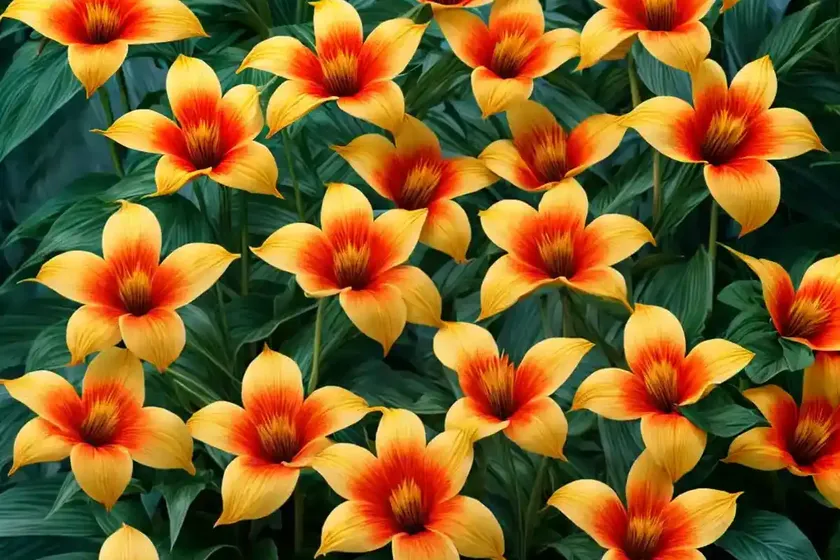
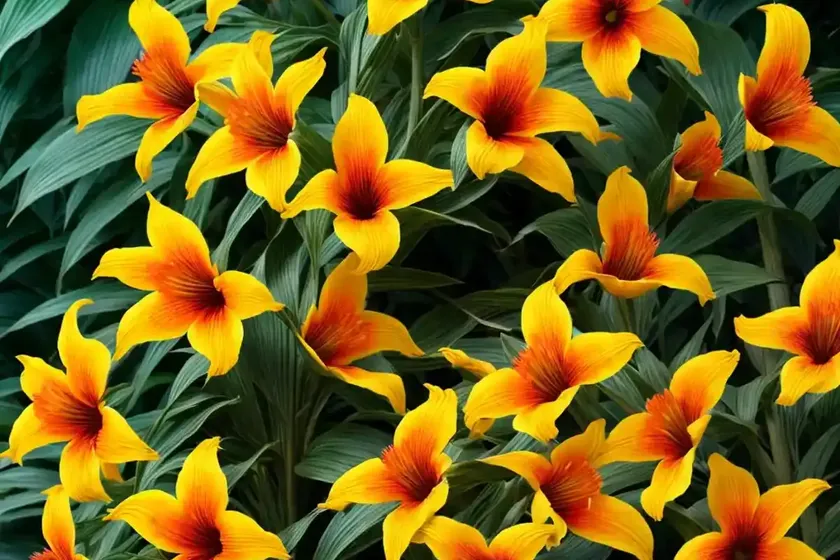
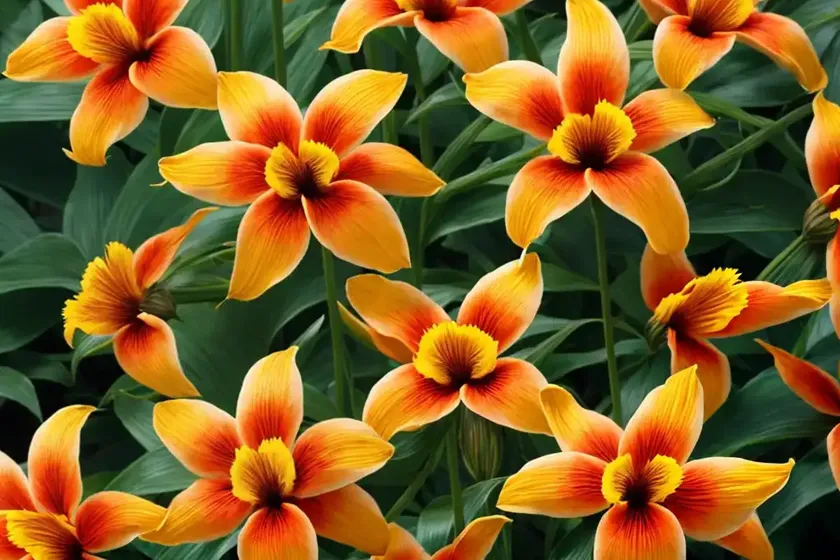
Tigridia pavonia ‘Lilacea’, commonly known as the Tiger Flower or Jockey’s Cap Lily, is a vibrant and exotic flowering plant that belongs to the Iridaceae family. This enchanting flower is native to Mexico, Guatemala, and parts of Central America. The striking colors and distinct markings of the Tiger Flower have made it a popular choice among gardeners and flower enthusiasts.
Key Takeaways – Tigridia pavonia ‘Lilacea’ (Tiger Flower)
The Tiger Flower is a fascinating plant with unique characteristics and cultural significance. Here are some key takeaways about Tigridia pavonia ‘Lilacea’:
- Scientific Name: Tigridia pavonia ‘Lilacea’
- Common Name: Tiger Flower
- Family: Iridaceae
- Native Habitat: Mexico, Guatemala, and Central America
- Distinctive Features: Vibrant colors, ornate markings, and delicate petals
In the following sections, we will delve deeper into the culture, uses, care requirements, and fascinating aspects of the Tiger Flower.
Culture
Origin and History
The Tiger Flower, Tigridia pavonia ‘Lilacea’, has a rich history of cultivation and appreciation dating back centuries. Its native range includes the mountainous regions of Mexico and Central America, where it thrives in well-drained, fertile soils and moderate temperatures.
Symbolism and Cultural Significance
In various cultures, the Tiger Flower holds diverse symbolic meanings. It is often associated with beauty, strength, and resilience. In traditional Mesoamerican folklore, the Tiger Flower was revered for its vibrant colors and intricate patterns, with some cultures attributing mystical or spiritual significance to the plant.
Uses
Ornamental Purposes
Tigridia pavonia ‘Lilacea’ is primarily grown for its ornamental value. The striking blooms of the Tiger Flower make it an excellent choice for garden borders, rock gardens, and container plantings. Its captivating appearance and rich cultural history make it a popular choice for landscaping and ornamental gardening.
Cut Flowers
The Tiger Flower’s vibrant blossoms also make it a favorite for cut flower arrangements. Its intricate petals and striking colors add a touch of exotic beauty to floral displays, making it a sought-after choice for bouquets and decorative floral designs.
Medicinal Properties
In traditional medicine, certain parts of the Tiger Flower plant have been used for their potential medicinal properties. While modern scientific research on its medicinal uses is limited, it is important to note the historical significance of the plant in traditional healing practices.
Cultural Importance
The Tiger Flower holds cultural significance in various regions, often playing a role in traditional festivals, ceremonies, and artistic expressions. Its vibrant blooms have inspired poets, artists, and storytellers, contributing to its enduring cultural importance.
Care Requirements
Water
Tigridia pavonia ‘Lilacea’ thrives in well-drained soil and requires regular watering during its active growing season. It is important to maintain soil moisture without allowing the plant to become waterlogged. During the dormant period, it is advisable to reduce watering to prevent rotting of the bulbs.
Sunlight
As a sun-loving plant, the Tiger Flower performs best in full sunlight or partial shade. Adequate exposure to sunlight is vital for the plant’s growth and blooming, ensuring that it can display its vibrant colors to their full potential.
Fertilizer
Applying a balanced, all-purpose fertilizer during the growing season can help promote healthy growth and prolific flowering. It is important to follow the recommended dosage and timing when fertilizing Tigridia pavonia ‘Lilacea’ to avoid overfeeding or nutrient imbalances.
Soil
The Tiger Flower thrives in well-drained, fertile soil with a slightly acidic to neutral pH. A mix of organic matter, such as compost or well-rotted manure, can improve soil structure and provide essential nutrients for the plant’s growth and development.
Pruning
Regular deadheading of faded flowers can encourage prolonged blooming and prevent self-seeding in the garden. Additionally, removing yellowing or withered foliage can help maintain the plant’s appearance and overall health.
Propagation
Division of Bulbs
Tigridia pavonia ‘Lilacea’ can be propagated by division of bulbs. This process is typically carried out when the plant is dormant, with the bulbs carefully separated and replanted to establish new growth. Proper care should be taken to ensure that the bulbs are healthy and viable for successful propagation.
Seeds
The Tiger Flower also produces viable seeds that can be collected for propagation. By sowing the seeds in well-prepared soil and providing optimal growing conditions, new plants can be cultivated from seed, offering an alternative method of expanding the Tiger Flower population.
Container Popularity
Tigridia pavonia ‘Lilacea’ is well-suited for container gardening, allowing enthusiasts to showcase its captivating blooms on patios, balconies, or indoor settings. The portability and visual appeal of the Tiger Flower make it a popular choice for container gardening enthusiasts looking to add a touch of exotic beauty to their living spaces.
Common Diseases
Disease Diagnosis
While the Tiger Flower is relatively resilient, it can be susceptible to certain diseases and issues that may affect its growth and appearance. Common diseases that may affect Tigridia pavonia ‘Lilacea’ include fungal infections, bacterial rots, and viral diseases. Keeping an eye out for symptoms such as leaf spots, discoloration, or wilting can aid in timely diagnosis and treatment.
Common Pests
Pest Infestations
In addition to diseases, the Tiger Flower may also face potential pest infestations. Common pests that can affect Tigridia pavonia ‘Lilacea’ include aphids, thrips, and spider mites. Regular inspection and proactive pest control measures can help safeguard the plant from damaging infestations.
Botanist’s Tips
Growing Conditions
To maximize the growth and blooming of Tigridia pavonia ‘Lilacea’, it is important to provide optimal growing conditions. This includes well-drained soil, adequate sunlight, and regular care and maintenance to support the plant’s overall health and vitality.
Soil Preparation
Prior to planting Tiger Flowers, it is advisable to prepare the soil by incorporating organic matter and ensuring proper drainage. Well-prepared soil provides a favorable environment for the development of healthy roots and vibrant blooms.
Seasonal Care
Adapting care routines to the plant’s seasonal requirements is essential for its long-term health and performance. Adjusting watering, fertilization, and maintenance practices according to seasonal changes can help ensure that the Tiger Flower thrives throughout the year.
Fun Facts
- The Tiger Flower is named for its striking resemblance to the patterns and colors of a tiger’s coat, with unique and vibrant markings adorning its petals.
- Tigridia pavonia ‘Lilacea’ is a popular subject for botanical artists and illustrators due to its intricate and colorful blossoms, which have been depicted in numerous botanical illustrations and art pieces.
As we continue to explore the captivating world of Tigridia pavonia ‘Lilacea’ and its cultural significance, it becomes clear that this remarkable plant holds a special place in horticulture and the hearts of plant enthusiasts.
Links to External Resources
For further information about the Tiger Flower and its cultivation, symbolism, and uses, here are some valuable resources:


