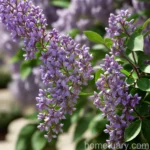
Syringa vulgaris ‘Primrose’ (Lilac): A Comprehensive Guide
Syringa vulgaris ‘Primrose’, commonly known as lilac, is an enchanting flowering shrub that has been a favorite in gardens for centuries. Renowned for its mesmerizing fragrance and delicate hues, this plant is a beloved addition to landscapes, urban gardens, and historical settings.
In this comprehensive guide, we will explore the various aspects of caring for and cultivating Syringa vulgaris ‘Primrose’ to ensure its successful growth and abundant blooms. From understanding its culture and uses to identifying common diseases and pests, we will delve into every facet of nurturing this captivating plant.
What is Syringa vulgaris ‘Primrose’ (Lilac)?
Syringa vulgaris ‘Primrose’ is a deciduous shrub belonging to the Oleaceae family and is native to the Balkan Peninsula. It is renowned for its stunning clusters of fragrant, tubular flowers that bloom in various shades of pale yellow and cream, creating a captivating display in spring and early summer. The lush green foliage of the plant provides an elegant backdrop to these delightful blooms, enhancing its overall aesthetic appeal.
Lilacs have been cultivated for centuries, and they hold a special place in horticultural history and symbolism. Their resilient and adaptable nature, coupled with their captivating beauty, has made them a cherished plant across different cultures and landscapes.
Key Takeaways – Syringa vulgaris ‘Primrose’ (Lilac)
Before diving into the specifics of cultivating and caring for Syringa vulgaris ‘Primrose’, let’s explore some key takeaways about this captivating plant.
- Scientific Name: Syringa vulgaris ‘Primrose’
- Common Name: Lilac
- Plant Type: Deciduous shrub
- Foliage: Lush green, heart-shaped leaves
- Flowers: Clusters of fragrant, tubular blooms in shades of pale yellow and cream
- Fragrance: Enchanting, sweet fragrance
- Season: Blooms in spring and early summer
- Uses: Ornamental plant, cut flowers, fragrance extraction
Culture
Cultivating Syringa vulgaris ‘Primrose’ requires an understanding of its specific cultural requirements. From soil and sunlight to watering and pruning, the following sections will delve into the nuances of nurturing this delightful shrub.
Uses
The uses of Syringa vulgaris ‘Primrose’ extend beyond its ornamental value. Here are some common applications of this captivating plant:
- Ornamental Plant: The vibrant blooms and alluring fragrance of lilacs make them a popular choice for ornamental plantings in gardens, parks, and landscapes.
- Cut Flowers: The fragrant blooms of Syringa vulgaris ‘Primrose’ are often used in floral arrangements and bouquets, infusing spaces with their delightful scent.
Water
Syringa vulgaris ‘Primrose’ has moderate water needs and thrives in well-draining soil. Here are some essential considerations regarding watering this shrub:
- Regular Watering: Lilacs benefit from regular watering, especially during dry spells and hot weather.
- Avoid Waterlogging: While lilacs prefer moist soil, they are susceptible to root rot if exposed to waterlogged conditions.
Sunlight
Proper sunlight is crucial for the healthy growth and abundant flowering of Syringa vulgaris ‘Primrose’. Consider the following points related to sunlight requirements:
- Full Sun: Lilacs thrive in full sunlight and produce the most abundant blooms when exposed to at least 6-8 hours of direct sunlight daily.
- Partial Shade: In exceptionally hot climates, providing some afternoon shade can protect the plant from heat stress.
Fertilizer
Appropriate fertilization can significantly impact the vigor and blooming of Syringa vulgaris ‘Primrose’, thus making it an essential aspect of its care regimen:
- Balanced Fertilizer: Apply a balanced, slow-release fertilizer in early spring to support healthy growth and abundant flowering.
- Organic Matter: Incorporating organic matter such as compost or well-rotted manure around the base of the plant can enhance soil fertility and contribute to the plant’s overall well-being.
Soil
Understanding the soil preferences of Syringa vulgaris ‘Primrose’ is fundamental to providing it with an optimal growing environment:
- Well-Draining Soil: Lilacs thrive in well-draining soil and are susceptible to root rot in waterlogged conditions.
- pH Level: They prefer slightly alkaline to neutral soil with a pH range of 6.5-7.5.
Pruning
Pruning is an essential horticultural practice for maintaining the health, shape, and flowering potential of Syringa vulgaris ‘Primrose’:
- Post-Flowering Pruning: Prune immediately after the blooming period to encourage new growth and promote abundant flowering in the following year.
- Removal of Suckers: Regularly remove suckers and old, woody stems to ensure the plant’s vitality.
Propagation
Cultivating Syringa vulgaris ‘Primrose’ through propagation methods such as layering, cuttings, and division allows for the expansion of its presence in gardens and landscapes. The following are some common propagation techniques for this captivating shrub:
- Softwood Cuttings: Propagate lilacs by taking softwood cuttings in early summer and rooting them in a well-prepared propagation medium.
- Air Layering: Encourage the development of roots on a stem by employing air layering techniques, subsequently separating the rooted section to create a new plant.
- Division: Divide established lilac plants during the dormant season to create new, genetically identical specimens.
Container Popularity
While Syringa vulgaris ‘Primrose’ is commonly grown in outdoor landscapes, its enchanting blooms and fragrance make it a popular choice for container gardening. Here are some key considerations for cultivating this shrub in containers:
- Container Size: Use a large, sturdy container to accommodate the robust root system and ensure stability.
- Well-Draining Soil: Employ well-draining and nutrient-rich soil to support healthy growth and blooming.
- Regular Watering: Containers tend to dry out faster, so it’s essential to provide regular watering to container-grown lilacs.
Container Common Diseases
When growing Syringa vulgaris ‘Primrose’ in containers, it’s crucial to be mindful of potential diseases that can affect the plant. Here are common diseases to watch out for in container-grown lilacs:
- Powdery Mildew: This fungal disease can affect lilacs in containers, causing a white powdery coating on the leaves, leading to reduced vigor and flowering.
- Root Rot: Overwatering and poorly draining soil can contribute to root rot in container-grown lilacs, leading to yellowing foliage and stunted growth.
Disease diagnosis
Diagnosing diseases in Syringa vulgaris ‘Primrose’ is essential for implementing appropriate management strategies and preserving the health of the plant. The following are common diseases that can affect this captivating shrub:
- Bacterial Blight: This disease manifests as cankers that exude a milky sap and can lead to dieback of branches if left unmanaged.
- Lilac Bacterial Leaf Spot: Characterized by dark purple irregular spots on the leaves, this disease can cause premature leaf drop and reduce the plant’s vigor.
Common pests
Pests can pose a threat to the health and vitality of Syringa vulgaris ‘Primrose’, necessitating vigilance and proactive pest management. Here are some common pests that can affect this captivating plant:
- Lilac Borer: These pests bore into the stems and branches of lilacs, causing wilting and dieback. Employing appropriate insecticidal treatments can help manage this pest.
- Aphids: These tiny insects can infest lilacs, causing distorted growth and honeydew secretion. Natural predators and insecticidal soaps are effective control measures.
Botanist’s tips
For successful cultivation and care of Syringa vulgaris ‘Primrose’, consider the following botanist’s tips:
- Regular Monitoring: Keep a watchful eye on the plant for any signs of diseases, pests, or nutrient deficiencies, intervening promptly if any issues arise.
- Appropriate Pruning: Adhere to proper pruning practices, including the removal of spent blooms, to maintain the plant’s shape and promote robust flowering.
Fun facts
Here are some intriguing fun facts about Syringa vulgaris ‘Primrose’ that showcase its unique qualities and significance:
- Cultural Significance: Lilacs hold cultural significance in various parts of the world, symbolizing renewal, love, and the arrival of spring.
- Fragrance: The captivating fragrance of lilacs has inspired poets and artists, making it a cherished element in literature and art.
Links to External Resources
For additional information and insights into Syringa vulgaris ‘Primrose’ (Lilac) care, check out the following external resources:
- The Spruce – How to Grow Lilacs
- RHS – Lilacs: Planting and Pruning
- University of Vermont Extension – Growing Lilacs
- North Carolina State University – Lilac Diseases
Conclusively, Syringa vulgaris ‘Primrose’ (Lilac) is a captivating plant that embodies beauty, fragrance, and cultural significance. By understanding its specific cultural requirements, addressing potential diseases and pests, and implementing best practices for propagation and container gardening, gardeners can ensure the successful cultivation of this charming shrub. Its timeless allure and delightful blooms make it a cherished addition to diverse garden settings, enriching landscapes with its grace and fragrance.