Streptocarpus ‘Katie’ (Cape Primrose)
Streptocarpus ‘Katie’, commonly known as Cape Primrose, is an enchanting plant that belongs to the Gesneriaceae family. The captivating blooms of.
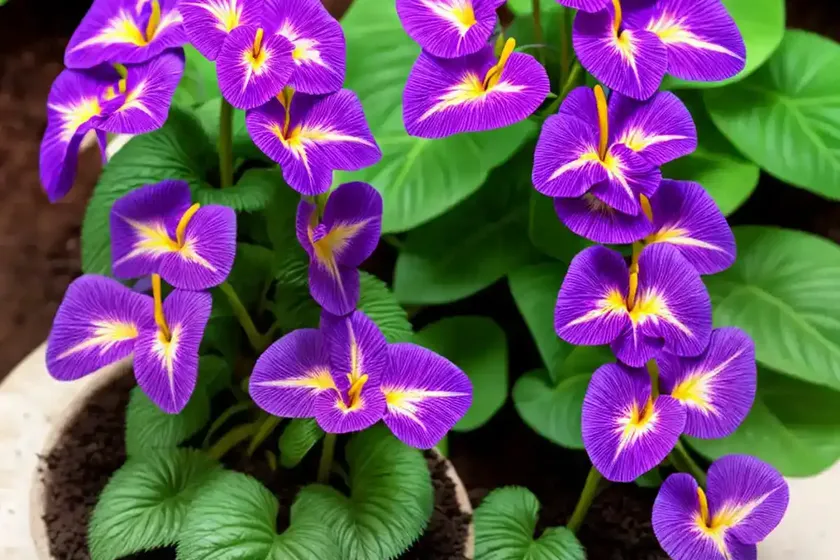
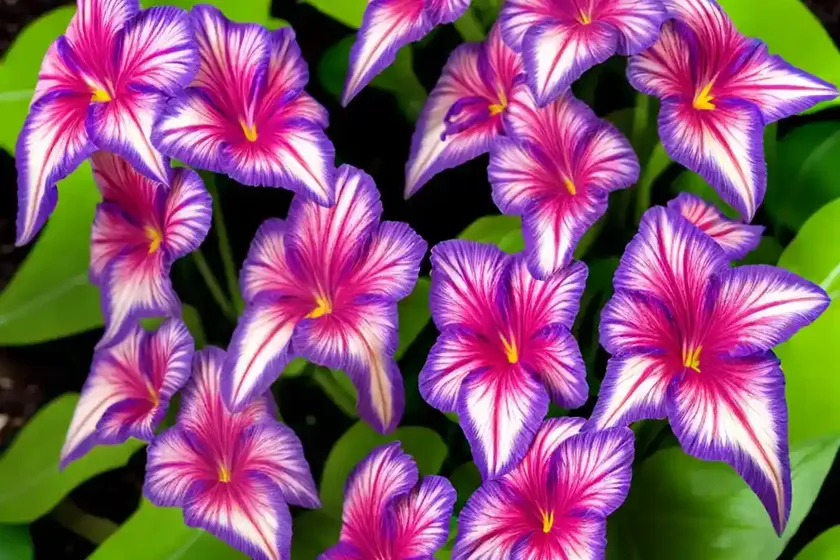
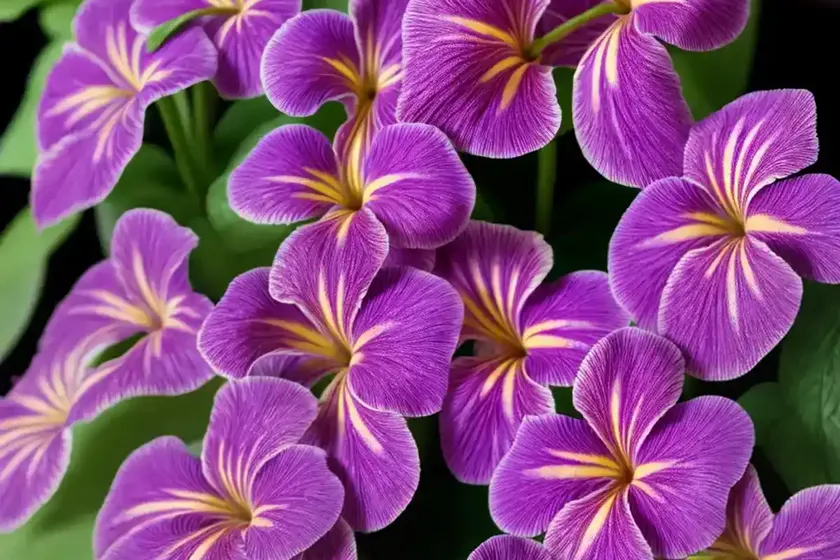
Streptocarpus ‘Katie’, commonly known as Cape Primrose, is an enchanting plant that belongs to the Gesneriaceae family. The captivating blooms of Streptocarpus ‘Katie’ have captured the attention of plant enthusiasts worldwide due to their beautiful colors and ease of care. In this comprehensive guide, we will delve into the cultural aspects, uses, and cultivation techniques for this stunning indoor houseplant. Whether you are a seasoned plant aficionado or a beginner looking to enhance your indoor plant collection, this article will provide you with valuable insights that will help you successfully nurture Streptocarpus ‘Katie’ in your home.
What is Streptocarpus ‘Katie’ (Cape Primrose)?
Streptocarpus ‘Katie’, also known as Cape Primrose, is a striking perennial plant that is prized for its lush, velvety foliage and delightful, trumpet-shaped flowers. Originating from the forests of South Africa, this plant has gained popularity as an indoor houseplant due to its vibrant blooms and relatively low maintenance requirements. The unique charm of Streptocarpus ‘Katie’ lies in its ability to thrive in indoor environments, making it a perfect addition to any living space.
Key Takeaways:
Before we delve into the specific care requirements for Streptocarpus ‘Katie’, let’s highlight some key takeaways that will guide us through this comprehensive overview:
- Plant Name: Streptocarpus ‘Katie’ (Cape Primrose)
- Family: Gesneriaceae
- Type: Perennial
- Origin: South Africa
- Common Names: Cape Primrose
- USDA Hardiness Zones: 10-12
- Ideal Uses: Indoor houseplant
- Growth Habit: Upright, clumping
- Flower Color: Various shades including purple, pink, blue, and white
- Foliage: Lush, velvety, dark green leaves
Now, let’s explore the various aspects of caring for Streptocarpus ‘Katie’, from cultural preferences to propagation techniques.
Culture of Streptocarpus ‘Katie’ (Cape Primrose)
Understanding the cultural preferences of Streptocarpus ‘Katie’ is crucial for providing it with an environment that will promote healthy growth and abundant flowering. The following factors play a significant role in the successful cultivation of this captivating houseplant.
Water
Streptocarpus ‘Katie’ Care Tips:
- Maintain consistently moist soil without allowing the plant to sit in water.
- Use room-temperature water to avoid shocking the plant’s roots.
- Avoid watering from above to prevent water from collecting in the center of the rosette.
Sunlight
Streptocarpus ‘Katie’ Light Requirements:
- Indirect bright light is ideal for Streptocarpus ‘Katie’.
- Avoid direct sunlight, especially during the intense midday hours, as it can scorch the delicate foliage.
- East or west-facing windows are often suitable for providing the right balance of light for Cape Primrose.
Fertilizer
Streptocarpus ‘Katie’ Fertilizing:
- Use a balanced, water-soluble fertilizer diluted to half strength every 2-4 weeks during the growing season (spring and summer).
- Limit fertilization during the plant’s dormancy period in late fall and winter.
Soil
Cape Primrose Potting Soil:
- A well-draining, peat-based potting mix is recommended for Streptocarpus ‘Katie’.
- Ensure good aeration and moisture retention in the soil mix without becoming waterlogged.
Pruning
Streptocarpus ‘Katie’ Pruning:
- Remove spent flowers and damaged or yellowing leaves to maintain the plant’s appearance and vitality.
- Prune the plant to encourage bushy growth and prevent the development of leggy or straggly stems.
Propagation
Streptocarpus ‘Katie’ Propagation:
- Propagate Streptocarpus ‘Katie’ through division or leaf cuttings.
- Division can be done during repotting, while leaf cuttings can be taken from healthy, mature leaves to produce new plants.
Container
Cape Primrose Pot Size:
- Choose a container with adequate drainage holes to prevent waterlogging.
- Select a pot that allows for some room for the plant to grow but isn’t excessively large, as this can lead to overwatering issues.
Uses of Streptocarpus ‘Katie’ (Cape Primrose)
The stunning appearance and ability to thrive as an indoor houseplant make Streptocarpus ‘Katie’ a popular choice for a range of decorative and practical uses. Whether it’s adding a splash of color to your living room or creating a tranquil atmosphere in your office, Cape Primrose has a versatile set of applications.
Popularity
Streptocarpus ‘Katie’ has gained widespread popularity as an indoor houseplant due to its vibrant blooms, attractive foliage, and ease of care. Its compact size and ability to thrive in indoor environments make it a sought-after choice among plant enthusiasts.
Container
The compact nature of Streptocarpus ‘Katie’ makes it an excellent candidate for container gardening. Its lush foliage and colorful flowers can brighten up any indoor space and can be showcased in decorative containers or hanging baskets, adding visual appeal to patios, balconies, and interior spaces.
Common Diseases and Pests
Despite being relatively low-maintenance, Streptocarpus ‘Katie’ is susceptible to certain diseases and pest infestations that can hinder its growth and vitality. Understanding how to diagnose and address these issues is essential for the long-term well-being of your Cape Primrose plant.
Common Diseases
Disease Diagnosis:
- Botrytis: Botrytis can lead to gray mold on the foliage and flowers. Remove affected parts and ensure good air circulation to prevent its spread.
- Powdery Mildew: Powdery mildew can appear as a white, powdery substance on the leaves. Use fungicidal treatments and address any environmental factors contributing to high humidity.
- Root Rot: Overwatering and poorly draining soil can lead to root rot. Address the underlying causes and repot the plant if necessary.
Common Pests
Pest Control:
- Aphids: Aphids can be manually removed or treated with insecticidal soap.
- Spider Mites: Regularly misting the foliage can discourage spider mites, and use insecticidal soap can help control infestations.
- Mealybugs: Remove mealybugs manually and use rubbing alcohol on a cotton swab to address localized infestations.
Botanist’s Tips for Successful Care
To ensure the successful cultivation of Streptocarpus ‘Katie’ and promote its health and vitality, it’s essential to consider the following tips and best practices:
- Regular Monitoring: Keep a close eye on the plant for any signs of stress, including wilting, yellowing foliage, or the presence of pests.
- Humidity: Cape Primrose appreciates moderate to high humidity levels, especially during the growing season. Misting the foliage or using a humidity tray can help maintain optimal humidity levels.
- Avoid Overwatering: While it’s important to keep the soil consistently moist, overwatering can lead to root rot and other issues. Allow the top layer of soil to dry out slightly between waterings.
Fun Facts About Streptocarpus ‘Katie’
As you embark on your journey of caring for Streptocarpus ‘Katie’, consider the following intriguing facts that showcase the unique qualities and characteristics of this captivating houseplant:
- The name “Streptocarpus” is derived from the Greek words “streptos” (twisted) and “karpos” (fruit), referring to the distinctive seed capsules of the plant.
- Streptocarpus ‘Katie’ is known for its ability to produce an abundance of flowers, often referred to as “blooming machines” due to their prolific flowering habit.
- The captivating flowers of Cape Primrose come in a wide array of colors, including shades of purple, pink, blue, and white, adding a delightful touch of diversity to your indoor plant collection.
By incorporating these fascinating details into your understanding of Streptocarpus ‘Katie’, you can develop a deeper appreciation for this charming and resilient indoor houseplant.
Links to External Resources
To further enhance your knowledge and understanding of Streptocarpus ‘Katie’ (Cape Primrose), consider exploring the following external resources:
- Streptocarpus and African Violet Society of America
- Royal Horticultural Society – Streptocarpus Information
- University of Florida IFAS Extension – Cape Primrose Care
- The Gesneriad Society
These resources offer valuable insights, care tips, and community forums where you can connect with other plant enthusiasts and gain a deeper understanding of caring for Streptocarpus ‘Katie’.
Conclusion
Streptocarpus ‘Katie’ (Cape Primrose) is a captivating and resilient indoor houseplant that brings beauty and charm to any living space. By understanding its cultural preferences, propagation techniques, and common issues, you can embark on a rewarding journey of nurturing this delightful plant. Whether you’re drawn to its vibrant flowers, lush foliage, or engaging growth habits, Streptocarpus ‘Katie’ holds a special place in the hearts of plant enthusiasts worldwide. With proper care and attention, this enchanting houseplant will grace your home with its elegance and colorful blooms.
As you immerse yourself in the world of Streptocarpus ‘Katie’, explore the links to external resources and engage with fellow plant enthusiasts to deepen your knowledge and appreciation for this captivating indoor houseplant. Embrace the joy of caring for Streptocarpus ‘Katie’ and witness the beauty it brings to your living space.
Remember, each leaf and bloom of Cape Primrose reveals a story of resilience and grace, making it a cherished addition to any indoor plant collection.
Happy gardening!
- AVSA (Streptocarpus and African Violet Society of America). “AVSA Home.” http://avsa.org/
- Royal Horticultural Society. “Streptocarpus.” https://www.rhs.org.uk/plants/19440/streptocarpus/details
- University of Florida IFAS Extension. “Cape Primrose.” https://gardeningsolutions.ifas.ufl.edu/plants/ornamentals/cape-primrose.html
- The Gesneriad Society. “The Gesneriad Society.” http://www.gesneriadsociety.org/


