Lilac (Syringa Meyeri Var. Spontanea)
Lilacs are a timeless favorite in gardens around the world. Their enchanting fragrance and delicate blossoms have captivated plant enthusiasts for.
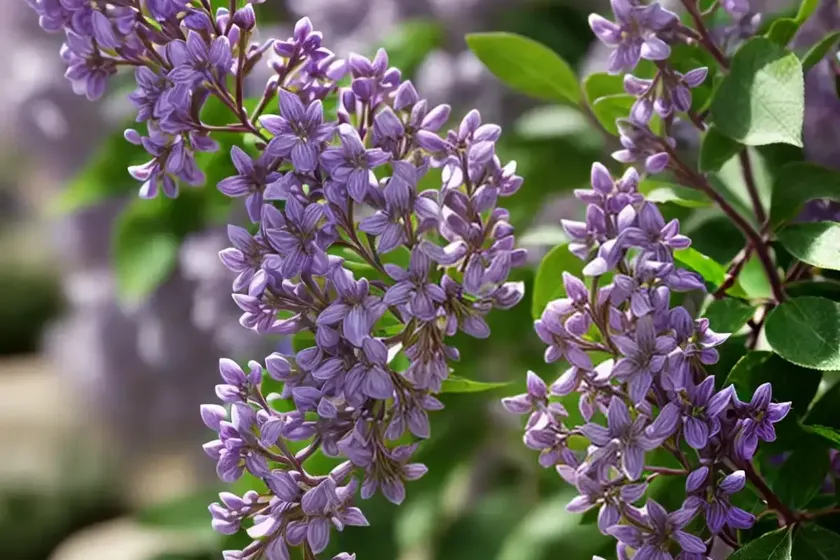
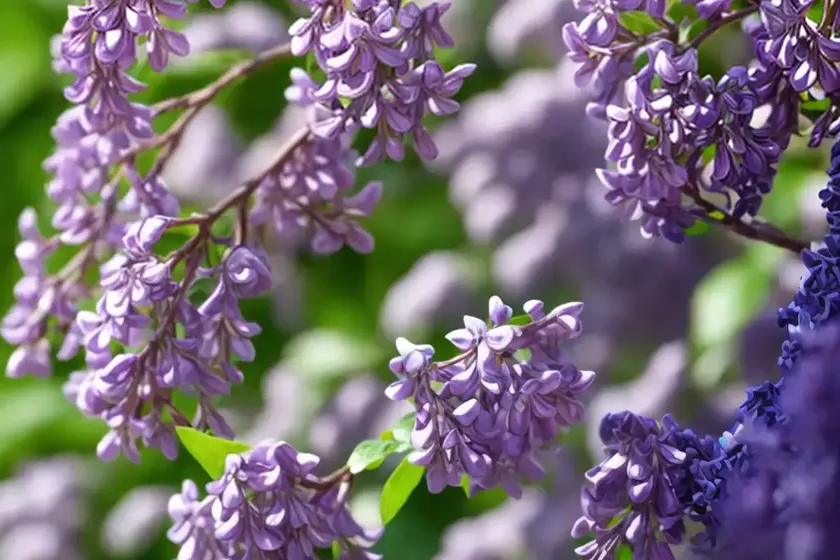
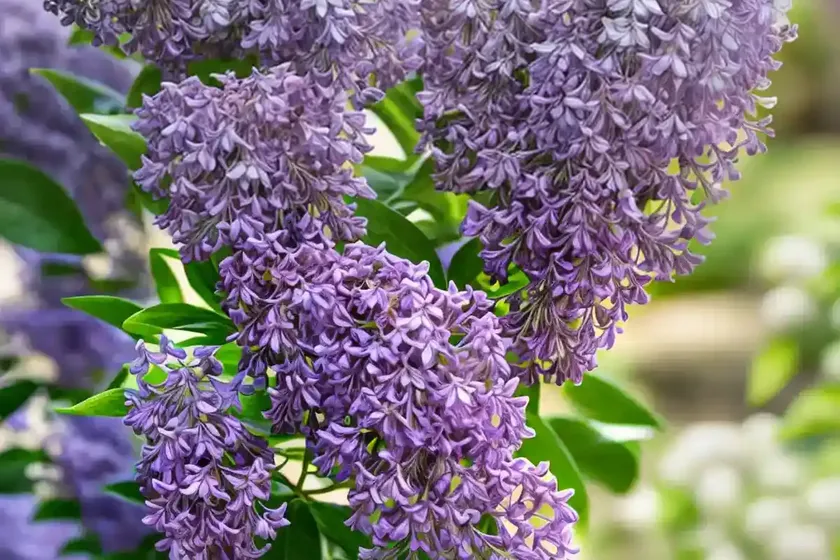
Lilacs are a timeless favorite in gardens around the world. Their enchanting fragrance and delicate blossoms have captivated plant enthusiasts for centuries. Among the various lilac species, Syringa meyeri var. spontanea stands out with its unique characteristics and exceptional beauty. In this comprehensive guide, we will explore the captivating world of lilacs, with a particular focus on the charming Syringa meyeri var. spontanea.
What is a Lilac (Syringa meyeri var. spontanea)?
Syringa meyeri var. spontanea, commonly known as lilac, is a deciduous flowering shrub belonging to the family Oleaceae. This species is native to East Asia and is cherished for its exquisite, fragrant flowers and lush foliage. The botanical name “Syringa” is derived from the Greek word “syrinx,” which means tube or pipe, alluding to the hollow pith in the shoots of some species.
Key Takeaways – Lilac (Syringa meyeri var. spontanea)
- Common Name: Lilac
- Scientific Name: Syringa meyeri var. spontanea
- Family: Oleaceae
- Native: East Asia
- Type: Deciduous flowering shrub
- Characteristics: Fragrant flowers, lush foliage
- Usage: Ornamental purposes, fragrance extraction
Now, let’s delve into the various aspects of lilac cultivation, including culture, uses, care requirements, common diseases, and more.
Culture
Uses
Lilacs, especially the Syringa meyeri var. spontanea, are primarily cultivated for ornamental purposes. Their captivating flowers and alluring fragrance make them a popular choice for landscaping and garden adornment. Additionally, the blooms are often utilized in cut flower arrangements to add charm and fragrance to indoor spaces.
Care Requirements
Water
Proper watering is crucial for the healthy growth of lilacs. While they are relatively drought-tolerant once established, consistent moisture is essential, especially during the flowering period. Adequate watering, particularly during dry spells, ensures optimal flower production and overall plant vigor.
Sunlight
Lilacs thrive in full sun, where they receive at least 6 to 8 hours of direct sunlight per day. Adequate sun exposure promotes prolific flowering and helps prevent diseases by promoting good air circulation and decreasing humidity around the plant.
Fertilizer
A balanced fertilizer applied in early spring, just before new growth emerges, can significantly benefit lilacs. Phosphorus-rich fertilizers are particularly beneficial for enhancing flower bud development. However, excessive use of high-nitrogen fertilizers should be avoided, as it can lead to vigorous vegetative growth at the expense of flowering.
Soil
Lilacs prefer well-drained, slightly alkaline to neutral soil. Amending heavy clay soils with organic matter enhances drainage and creates a more favorable growing environment for these plants. Regular mulching with organic material helps maintain soil moisture and improves soil structure.
Pruning
Pruning is an important aspect of lilac care. Proper pruning enhances flowering, promotes healthy growth, and helps maintain an attractive shape. It is generally recommended to prune immediately after flowering to avoid removing potential flower buds for the following season.
Propagation
Lilacs can be propagated through various methods, including softwood cuttings, hardwood cuttings, and division. Softwood cuttings are typically taken in early summer, while hardwood cuttings are collected in late autumn. Dividing established plants can also be an effective method of propagation, allowing for the creation of new plants from existing ones.
Container Popularity
While lilacs are often grown in landscapes, they can also thrive in containers, making them a versatile choice for gardeners with limited space. When grown in containers, it is important to choose a large enough pot to accommodate the plant’s root system and provide adequate drainage.
Common Diseases
Disease Diagnosis
Lilacs are susceptible to certain diseases, including powdery mildew, bacterial blight, and verticillium wilt. Regular inspection of the plants for symptoms such as powdery white patches on leaves, leaf spots, and wilting can help in early disease detection. Proper cultural practices, such as ensuring good air circulation and avoiding overhead watering, can help prevent many diseases.
Common Pests
Pests
Aphids, scale insects, and borers are among the common pests that can affect lilacs. Regular monitoring and prompt action, such as the use of insecticidal soaps or horticultural oils, can help manage pest infestations effectively while minimizing the use of chemical pesticides.
Botanist’s Tips
Fun Facts
- Lilacs have a rich history and cultural significance, symbolizing love, innocence, and the arrival of spring in many cultures.
- The fragrance of lilac flowers varies between different cultivars, with some possessing a stronger scent than others.
- Lilac flowers are not only visually appealing but also attract pollinators such as bees and butterflies to the garden.
Links to External Resources
For further information on lilac cultivation and care, the following resources are highly recommended:
- The American Lilac Society (www.lilacsociety.com)
- University of Minnesota Extension – Growing Lilacs in Minnesota (www.extension.umn.edu)
In conclusion, lilacs, particularly the captivating Syringa meyeri var. spontanea, are prized for their timeless beauty and enchanting fragrance. By understanding their culture, care requirements, and potential challenges, plant enthusiasts can cultivate and enjoy these exquisite shrubs to their fullest potential.
In the journey of nurturing lilacs, one becomes deeply attuned to the ebb and flow of nature, as the delicate blossoms and sweet aroma of these plants weave their magic in the garden landscape. With the right knowledge and care, the lilac (Syringa meyeri var. spontanea) can flourish, transforming any outdoor space into a fragrant oasis of natural beauty.


