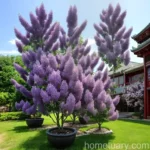
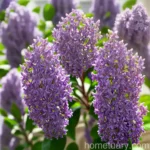
Lilac (Syringa oblata): A Complete Guide for Growing and Caring for Lilac Plants
Lilacs, scientifically known as Syringa oblata, are renowned for their enchanting fragrance, stunning blossoms, and timeless beauty. These deciduous shrubs belong to the olive family (Oleaceae) and are cherished for their ornamental and aromatic qualities. In this comprehensive guide, we will delve into the culture, uses, care, and maintenance of Syringa oblata, providing valuable insights for both amateur and experienced gardeners.
What is Syringa oblata (Lilac)?
Lilac (Syringa oblata) is a species of flowering woody plants that belong to the genus Syringa within the family Oleaceae. This species is native to East Asia, specifically China and Korea, where it thrives in a natural habitat characterized by well-drained soils and moderate climatic conditions. Syringa oblata is recognized for its showy, fragrant clusters of flowers that bloom in various hues, ranging from delicate whites to vibrant purples.
General Characteristics of Syringa oblata:
- Scientific Name: Syringa oblata
- Common Name: Lilac
- Plant Type: Deciduous shrub
- Native Habitat: East Asia (China and Korea)
- Blooming Season: Spring to early summer
- Fragrance: Distinctive sweet fragrance
- Flower Colors: Range from white to purple
- Growth Habit: Upright, multi-stemmed shrub
- Uses: Ornamental, aromatic, herbal
Key Takeaways – Syringa oblata (Lilac)
Before we delve into the specific aspects of growing and caring for Syringa oblata, let’s explore the key takeaways associated with these enchanting flowering shrubs.
- Aromatic Blossoms: Syringa oblata is renowned for its fragrant blossoms, which emit a delightful and distinctive sweet scent, making it a favorite in perfumery and aromatherapy.
- Ornamental Value: With its vibrant and abundant clusters of flowers, lilac is a popular choice for ornamental landscaping and garden borders, adding a touch of elegance and charm.
- Cultural Significance: Lilacs hold cultural significance in various regions, symbolizing love, renewal, and the arrival of spring. They are often used in floral arrangements and wedding bouquets.
- Versatile Uses: In addition to its ornamental value, lilac flowers are used in herbal remedies, and the fragrance is extracted for perfume production and aromatherapy products.
Now, let’s delve into the detailed aspects of growing and caring for Syringa oblata to ensure that it thrives and flourishes in your garden or landscape.
Culture
Cultivating Syringa oblata successfully involves understanding its specific cultural requirements, including water, sunlight, fertilizer, soil, and pruning needs.
Water
Lilacs generally prefer moderate watering and well-drained soil to thrive. However, they also exhibit some tolerance to drought conditions once established. It is crucial to strike a balance and avoid over-watering, as excessively moist soil can lead to root rot and other fungal diseases.
Lilac Watering Tips:
- Establishment Phase: During the initial establishment phase after planting, ensure consistent and moderate watering to help the roots establish and develop.
- Mature Plants: Once established, lilacs require watering during dry spells, focusing on deep watering to encourage deep root growth and resilience to drought conditions.
- Avoid Waterlogging: Ensure that the soil has proper drainage to prevent waterlogging, especially in heavy clay soils.
Sunlight
In terms of sunlight requirements, lilacs thrive in full sun to partial shade. Adequate sunlight is crucial for promoting healthy growth and abundant flowering. When selecting a planting location, prioritize areas that receive ample sunlight, especially during the morning hours.
Sunlight Considerations for Syringa oblata:
- Full Sun Exposure: For optimal flowering and vigorous growth, aim to plant lilacs in locations that receive at least 6-8 hours of direct sunlight daily.
- Partial Shade Tolerance: While lilacs prefer full sun, they can tolerate some degree of partial shade, especially in regions with intense afternoon sun or during exceptionally hot summers.
Fertilizer
Proper fertilization can significantly impact the growth, flowering, and overall health of Syringa oblata. Understanding the appropriate timing and types of fertilizers is essential for promoting robust growth and abundant blooms.
Fertilization Guidelines for Lilacs:
- Timing: Apply a balanced, slow-release fertilizer in early spring before new growth emerges. Avoid excessive nitrogen, as it can lead to lush foliage at the expense of flowering.
- Types of Fertilizers: Consider using a granular, balanced fertilizer with a formulation such as 10-10-10 or 5-10-10 to provide essential nutrients without promoting excessive vegetative growth.
Soil
Ensuring the right soil conditions is crucial for the successful cultivation of Syringa oblata. Lilacs thrive in moderately fertile, well-drained soils with a slightly alkaline to neutral pH. Additionally, soil amendments and proper preparation can greatly influence the performance and health of lilac plants.
Soil Requirements for Syringa oblata:
- Well-Drained Soil: Select planting locations with well-drained soil to prevent waterlogging and root rot. Consider incorporating organic matter or compost into heavy clay soils to enhance drainage and soil structure.
- pH Level: Lilacs prefer slightly alkaline to neutral soil pH levels ranging between 6.5 to 7.5. Conduct a soil test to determine the pH of the planting site and adjust it as needed using lime or sulfur.
Pruning
Pruning plays a significant role in shaping the growth habit, promoting flowering, and rejuvenating older Syringa oblata specimens. Understanding the timing and techniques for pruning lilacs is essential for achieving optimal plant health and aesthetic appeal.
Pruning Guidelines for Lilacs:
- Timing: Prune lilacs immediately after flowering in late spring or early summer. Avoid pruning in late summer or fall, as this can remove the developing flower buds for the following year.
- Techniques: Remove spent blossoms and old wood, and selectively thin out crowded or crossing branches to improve air circulation and light penetration.
Propagation
Propagating Syringa oblata allows gardeners to expand their collection of these enchanting shrubs or share them with fellow enthusiasts. Understanding the various methods of propagation, such as division, cuttings, or layering, can open up opportunities for creating new lilac plants.
Propagation Techniques for Syringa oblata:
- Softwood Cuttings: Propagate new lilac plants from softwood cuttings collected in early summer. Select healthy, non-flowering shoots and root them in a suitable propagation medium.
- Division: Divide mature lilac shrubs during the dormant season, ensuring that each division has several vigorous shoots and a healthy root system.
- Layering: Encourage roots to form on lilac branches by employing the layering technique, where a low-growing branch is partially buried in the soil to promote adventitious root development.
Container Popularity
While Syringa oblata is commonly grown directly in garden beds or landscape settings, it is also suitable for container cultivation, allowing gardeners with limited space to enjoy the beauty and fragrance of these charming shrubs.
Container Gardening Tips for Lilacs:
- Selecting the Right Container: Choose a large, sturdy container with adequate drainage holes to provide ample space for the root system to establish and thrive.
- Quality Potting Mix: Use a well-draining potting mix rich in organic matter to ensure optimal growth and water retention.
- Regular Maintenance: Container-grown lilacs may require more frequent watering and fertilization compared to those in the ground. Monitor soil moisture levels and ensure consistent care to promote healthy growth and blooming.
Common Diseases
Lilacs (Syringa oblata) are generally robust and resilient plants, but they can be susceptible to certain diseases under unfavorable growing conditions or when stressed. Understanding the symptoms and preventive measures for common lilac diseases is essential for maintaining plant health.
Common Lilac Diseases:
- Powdery Mildew: Manifests as a white, powdery coating on the leaves, often caused by humid conditions and poor air circulation.
- Lilac Bacterial Blight: Characterized by blackened shoot tips and leaf spotting, this disease can be managed through proper sanitation and preventive measures.
- Verticillium Wilt: Leads to wilting, yellowing, and eventually death of the plant, particularly in the presence of stressed or weakened plants.
- Phytophthora Root Rot: Excessive soil moisture and poor drainage can lead to this fungal disease, causing root rot and decline in plant health.
Disease Diagnosis
Diagnosing ailments and diseases affecting Syringa oblata involves careful observation of symptoms, understanding environmental factors, and, if needed, seeking professional help to identify and address the underlying issues.
General Steps for Disease Diagnosis:
- Visual Inspection: Thoroughly examine the plant for any visual symptoms such as discoloration, wilting, or unusual growth patterns.
- Environmental Assessment: Consider factors such as soil moisture, sunlight exposure, and air circulation that may contribute to the observed symptoms.
- Professional Consultation: If unsure about the diagnosis, seek guidance from local extension services or professional arborists to accurately diagnose and address the issue.
Common Pests
Lilacs (Syringa oblata) can attract a range of insect pests, although they are generally resistant to serious infestations. Vigilance and appropriate pest management strategies are essential for preventing pest-related damage to these beautiful shrubs.
Common Lilac Pests:
- Lilac/Ash Borer: These borers can cause damage to the stems and branches, resulting in dieback and weakened plant vigor.
- Leaf Miners: These insects create feeding tunnels within the leaves, potentially leading to aesthetic damage and reduced photosynthetic capacity.
- Aphids: These sap-sucking insects can congregate on new growth, causing distortion and a sticky residue known as honeydew.
Botanist’s Tips
To ensure the successful cultivation and maintenance of Syringa oblata (Lilac), here are some valuable tips and recommendations from experienced botanists and horticulturists:
- Selecting Suitable Varieties: When choosing lilac cultivars, consider factors such as mature size, flowering period, and fragrance to select varieties best suited for your landscape or garden.
- Pruning Best Practices: Adopt proper pruning techniques, such as selective removal of old wood and promoting an open, well-ventilated growth habit to minimize disease susceptibility and enhance flowering.
- Soil Preparation: Prior to planting Syringa oblata, invest in soil preparation by incorporating organic matter and adjusting pH levels to establish an optimal growing environment for the lilacs.
Fun Facts
Discover some intriguing and fascinating facts about lilacs that showcase their cultural, historical, and ecological significance:
- Cultural Symbolism: Lilacs are associated with love, renewal, and springtime, and have been used in various cultures to convey heartfelt emotions and sentiments.
- Timeless Elegance: The enchanting fragrance and delicate blossoms of lilacs have captivated gardeners and poets for centuries, earning them a timeless status in gardens and literature.
- Historical Significance: Lilacs have been cultivated for centuries, with documented references dating back to ancient civilizations, signifying their enduring popularity and allure.
- Ecological Importance: Beyond their ornamental value, lilacs also contribute to ecological diversity by attracting pollinators and beneficial insects to the garden.
Links to External Resources
For additional information, inspiration, and practical guidance on growing and caring for Syringa oblata (Lilac), explore the following external resources:
- Royal Horticultural Society (RHS) – Lilac Growing and Care Guide
- University of Minnesota Extension – Lilacs for Cold Climates
- American Society for the Prevention of Cruelty to Animals (ASPCA) – Toxic and Non-Toxic Plants: Lilac
- The Spruce – Lilac Pruning Guide
- North Carolina State University Extension – Diseases of Lilac
In conclusion, Syringa oblata, commonly known as lilac, is a captivating and versatile shrub that enriches gardens and landscapes with its fragrant blooms and ornamental appeal. By understanding its cultural requirements, care guidelines, and ecological significance, gardeners can ensure the successful cultivation and enjoyment of these enchanting plants in their outdoor spaces.
Lilacs hold an enduring charm, captivating the senses with their sweet fragrance and captivating allure. Whether used for ornamental landscaping, aromatic bouquets, or herbal remedies, Syringa oblata continues to enchant and inspire enthusiasts and nature lovers around the world.
As you embark on your journey of growing and caring for Syringa oblata, may the timeless beauty and aromatic splendor of lilacs bring a touch of elegance and enchantment to your outdoor spaces, enriching your gardening experience with their captivating presence.
Remember to explore additional resources and seek local expertise to tailor the care and cultivation of Syringa oblata to your specific growing conditions and regional considerations, ensuring the successful establishment and enjoyment of these remarkable flowering shrubs.
Keywords: Syringa oblata lilac, Lilac shrub, Syringa oblata Lilac varieties, Syringa oblata cultivars, Lilac plant care, Growing Syringa oblata, Lilac flower scent, Lilac flower symbolism, Syringa oblata pruning, Lilac fragrance, Lilac bloom time, Lilac blossoms, Syringa oblata species, Lilac flower colors, Syringa oblata native habitat, Lilac garden design, Syringa oblata propagation, Lilac fragrance oil, Syringa oblata planting guide, Lilac decorative uses, Syringa oblata herbal uses, Lilac tree, Syringa oblata growth habit, Lilac flower arrangements, Lilac essential oil, Syringa oblata morphological features, Lilac history and folklore, Syringa oblata pollination, Lilac medicinal properties, Lilac gardening tips, Syringa oblata soil requirements, Lilac landscaping ideas, Lilac garden pests and diseases, Syringa oblata container gardening, Lilac plant symbolism, Lilac natural habitat, Syringa oblata ecological importance, Lilac flower meaning, Lilac garden inspiration, Syringa oblata bloom cycle, Lilac flower arrangements, Syringa oblata botany, Lilac flower significance, Lilac garden maintenance, Syringa oblata winter care, Lilac garden border, Lilac as a cut flower, Syringa oblata species identification, Lilac garden benefits, Syringa oblata wildlife attraction