Streptocarpus ‘Hope’ (Cape Primrose)
Streptocarpus ‘Hope’ is a delightful and popular houseplant known for its vibrant, trumpet-shaped flowers and attractive, lush foliage. Also referred to as.
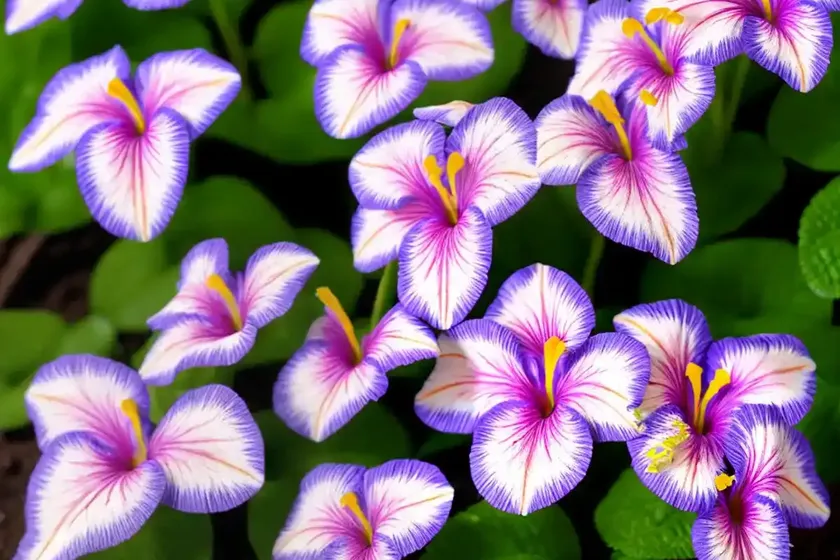
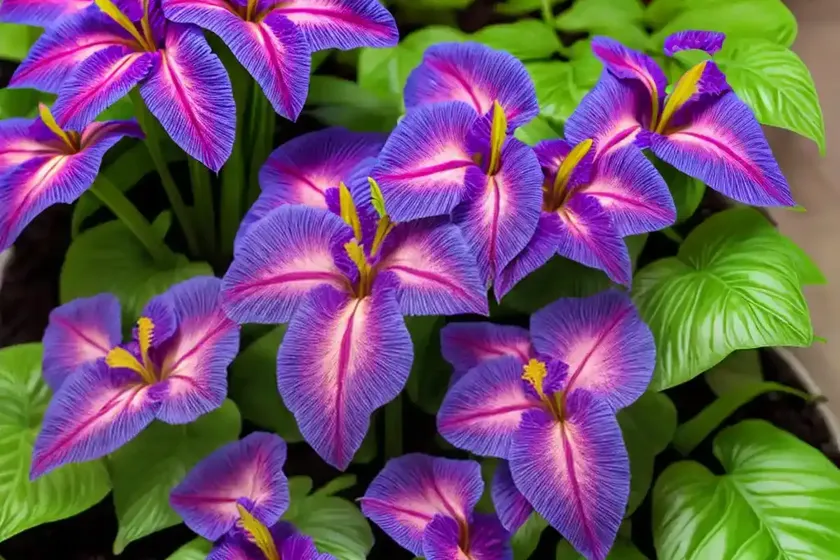
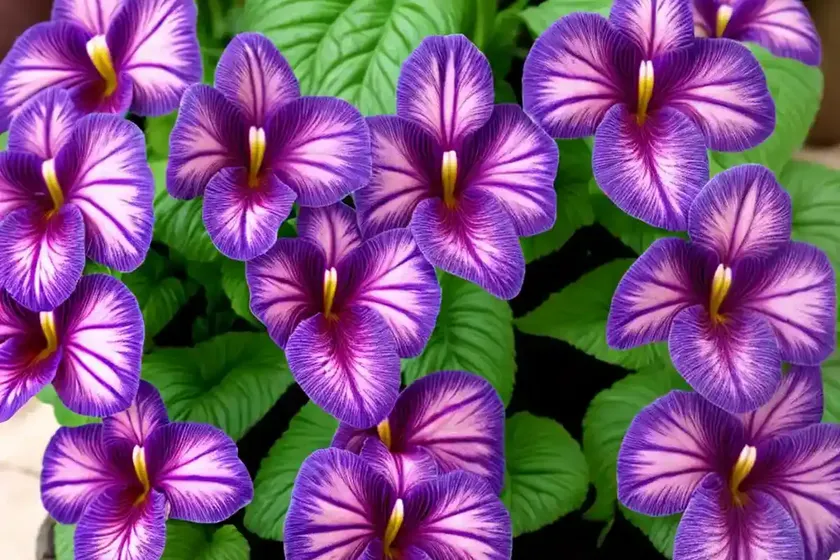
Streptocarpus ‘Hope’ is a delightful and popular houseplant known for its vibrant, trumpet-shaped flowers and attractive, lush foliage. Also referred to as Cape Primrose, this plant belongs to the Gesneriaceae family and is native to South Africa. Its elegant appearance and relatively easy care requirements make it a favorite among indoor gardeners. In this comprehensive guide, we will explore the various aspects of cultivating and caring for Streptocarpus ‘Hope’, including its cultural needs, diseases, pests, and propagation techniques.
Key Takeaways
Before delving into the specifics of cultivating Streptocarpus ‘Hope’, let’s highlight some key takeaways about this plant to provide a quick overview of its care and requirements.
- Streptocarpus ‘Hope’ is a popular houseplant known for its vibrant flowers and attractive foliage.
- It requires regular watering and thrives in moist, well-draining soil.
- Cape Primrose ‘Hope’ should be placed in bright, indirect light to encourage healthy growth and flowering.
- When it comes to fertilizer, a balanced, water-soluble product can support the plant’s growth.
- Pruning is essential to maintain the plant’s shape and remove spent flowers, promoting prolific blooming.
- Propagation is relatively straightforward through division or leaf cuttings, allowing for the expansion of your Streptocarpus ‘Hope’ collection.
Now, let’s delve into the specifics of caring for Streptocarpus ‘Hope’ to ensure that you can provide the best possible environment for this charming plant to thrive.
What is Streptocarpus ‘Hope’ (Cape Primrose)?
Streptocarpus ‘Hope’, commonly known as Cape Primrose, is a charming flowering plant valued for its striking trumpet-shaped flowers and lush, deep green foliage. Belonging to the Gesneriaceae family, Streptocarpus ‘Hope’ is indigenous to South Africa and thrives in a variety of growing conditions. Its botanical name, Streptocarpus, translates to “twisted fruit,” referencing the unique appearance of its seed pods.
Plant Characteristics
Streptocarpus ‘Hope’ exhibits several distinctive characteristics that contribute to its popularity among indoor gardeners. These include:
- Flowers: The plant produces an abundance of colorful, trumpet-shaped flowers, often in shades of purple, pink, blue, or white. The blooms exhibit delicate veining and a velvety texture, adding to their allure.
- Foliage: Its glossy, dark green leaves form an attractive rosette, providing an excellent backdrop to showcase the striking flowers.
- Growth Habit: Streptocarpus ‘Hope’ typically grows in a compact, clumping manner, making it an ideal choice for small indoor spaces.
This combination of vibrant flowers and lush foliage makes Streptocarpus ‘Hope’ an enchanting addition to any indoor plant collection.
Culture of Streptocarpus ‘Hope’
Understanding the cultural requirements of Streptocarpus ‘Hope’ is essential for providing an environment that promotes its health and flowering. Several key factors, including water, sunlight, fertilizer, soil, and pruning, contribute to the successful cultivation of this delightful plant.
Streptocarpus ‘Hope’ Cultural Requirements
| Aspect | Requirement |
|---|---|
| Water | Regular, consistent moisture |
| Sunlight | Bright, indirect light |
| Fertilizer | Balanced, water-soluble fertilization |
| Soil | Well-draining, rich potting mix |
| Pruning | Regular deadheading and shaping |
| Propagation | Division, leaf cuttings |
By understanding and fulfilling the plant’s cultural requirements, you can ensure the healthy growth and abundant flowering of Streptocarpus ‘Hope’ in your home or garden.
Uses of Streptocarpus ‘Hope’
Streptocarpus ‘Hope’ offers various uses and benefits, enhancing both indoor and outdoor spaces. Its versatility and captivating appearance make it a popular choice for different applications.
Indoor Decor
As an indoor plant, Streptocarpus ‘Hope’ serves as an elegant decorative element, adding a touch of color and natural beauty to any room. Its compact growth habit makes it suitable for tabletops, shelves, or plant stands, contributing to a welcoming and inviting ambiance.
Container Gardens
When cultivated in containers, Cape Primrose ‘Hope’ becomes a focal point in patio and balcony gardens. Its striking flowers and lush foliage provide visual interest, while its adaptable nature allows it to thrive in various container sizes and styles.
Landscaping
In suitable climates, Streptocarpus ‘Hope’ can also be grown outdoors, contributing to vibrant and diverse garden landscapes. Its resilience and adaptability make it a valuable addition to shaded garden beds and borders.
By incorporating Streptocarpus ‘Hope’ into your indoor or outdoor spaces, you can enjoy its aesthetic appeal and numerous decorative possibilities.
Watering Streptocarpus ‘Hope’
Proper watering is crucial to the health and vitality of Streptocarpus ‘Hope’. Understanding the plant’s specific water requirements is essential for preventing issues such as root rot or dehydration.
Watering Tips
Streptocarpus ‘Hope’ thrives in consistently moist soil, but it is essential to strike a balance to avoid waterlogged conditions. To ensure optimal watering practices, consider the following tips:
- Moisture Monitoring: Check the moisture level in the soil regularly, aiming for a consistently moist but not waterlogged environment.
- Water Quality: Use room-temperature water, preferably filtered or allowed to stand for a day, to avoid shocking the plant with cold or chlorinated water.
- Watering Frequency: Water when the top inch of the soil feels slightly dry to the touch, typically amounting to once or twice per week, depending on environmental conditions.
- Drainage: Ensure that the pot has sufficient drainage holes to prevent water accumulation at the plant’s root zone.
Adhering to these watering tips will help maintain the ideal moisture levels for Streptocarpus ‘Hope’, supporting its overall health and well-being.
Sunlight Requirements for Streptocarpus ‘Hope’
Proper sunlight exposure is crucial for the growth and flowering of Streptocarpus ‘Hope’. Understanding the plant’s light preferences will enable you to provide an environment conducive to its development.
Light Exposure Guidelines
Streptocarpus ‘Hope’ thrives in bright, indirect light, making it well-suited for indoor locations with ample natural illumination. Consider the following guidelines for providing optimal light exposure:
- Indoor Placement: Position the plant near east- or west-facing windows, where it can receive bright, filtered light. Avoid placing it in direct sunlight, as this can lead to leaf burn and deteriorated flower quality.
- Supplementary Lighting: In cases where natural light is limited, consider using grow lights or fluorescent fixtures positioned at an appropriate distance to supplement the available light.
By providing the necessary sunlight exposure, you can encourage robust growth and abundant flowering in your Streptocarpus ‘Hope’ plant.
Fertilizing Streptocarpus ‘Hope’
Applying the right fertilizer is essential for supporting the growth and flowering of Streptocarpus ‘Hope’. Choosing a balanced, water-soluble formula and adhering to a consistent fertilization schedule will help meet the plant’s nutritional needs.
Fertilizer Selection and Application
Select a balanced, water-soluble fertilizer, such as a 20-20-20 or 10-10-10 formula, to provide the essential nutrients for Streptocarpus ‘Hope’. Consider the following guidelines for fertilizing:
- Frequency: Apply fertilizer every two to four weeks during the plant’s active growing season, typically from spring to early fall.
- Dilution: Follow the manufacturer’s instructions for diluting the fertilizer, as concentrated solutions can harm the plant’s roots.
- Application Method: Water the plant thoroughly before applying the fertilizer solution to avoid the risk of root burn, and ensure that the potting mix is moist but not waterlogged.
By adhering to these fertilization practices, you can promote healthy growth and prolific flowering in your Streptocarpus ‘Hope’ plant.
Soil Requirements for Streptocarpus ‘Hope’
Choosing the right soil composition is crucial for providing a suitable growing medium for Streptocarpus ‘Hope’. A well-draining, nutrient-rich potting mix will support the plant’s root development and overall health.
Ideal Soil Composition
To meet the soil requirements of Streptocarpus ‘Hope’, consider the following characteristics of an ideal potting mix:
- Moisture Retention: The soil should have good moisture retention properties while allowing excess water to drain freely. Consider adding organic matter such as peat moss or coconut coir to improve moisture retention.
- Nutrient Content: A nutrient-rich mix with added perlite or vermiculite provides a balanced environment for root development and growth.
- Acidic pH: Aim for a slightly acidic soil pH in the range of 5.5 to 6.5, as this aligns with the plant’s preferences and supports nutrient uptake.
By selecting or preparing a potting mix that meets these criteria, you can create an optimal growing environment for Streptocarpus ‘Hope’ to thrive.
Pruning Streptocarpus ‘Hope’
Pruning plays a crucial role in maintaining the health and appearance of Streptocarpus ‘Hope’. Regular removal of spent flowers and the occasional shaping of the plant support its continuous blooming and aesthetic appeal.
Pruning Techniques
To effectively prune Streptocarpus ‘Hope’, consider the following techniques and guidelines:
- Deadheading: Regularly remove faded or spent flowers by pinching or snipping them off at their base. This encourages the development of new blooms and prevents energy wastage on seed production.
- Shaping: Trim back any leggy or excessively long stems to maintain a compact, bushy growth habit. This can be done using clean, sharp scissors or pruning shears.
By incorporating these pruning techniques into your maintenance routine, you can promote a tidy, well-shaped appearance in your Streptocarpus ‘Hope’ plant and support its continuous flowering.
Propagating Streptocarpus ‘Hope’
The propagation of Streptocarpus ‘Hope’ offers an opportunity to expand your plant collection and share its beauty with others. This can be achieved through division or leaf cuttings, with both methods yielding successful results when done correctly.
Propagation Methods
Consider the following methods for propagating Streptocarpus ‘Hope’:
- Division: Divide mature plants by carefully separating the root mass into individual sections, each containing healthy roots and foliage. Repot the divisions in suitable containers with fresh potting mix and provide the same care as established plants.
- Leaf Cuttings: Select healthy, mature leaves and cut them into sections, ensuring that each portion contains a section of the main vein. Place the cuttings in a suitable propagation medium and maintain consistent moisture and warmth to encourage the development of new plantlets.
These propagation methods allow you to reproduce Streptocarpus ‘Hope’ and share its delightful flowers and foliage with fellow gardening enthusiasts.
Container Considerations for Streptocarpus ‘Hope’
The choice of containers for cultivating Streptocarpus ‘Hope’ directly impacts its growth and overall well-being. Proper container selection and maintenance contribute to the health and appearance of the plant.
Container Requirements
When choosing containers for Streptocarpus ‘Hope’, consider the following requirements:
- Size: Select a container that accommodates the plant’s current size while allowing room for root development. A diameter of 6 to 8 inches is typically suitable for young plants, with larger containers required as the plant matures.
- Drainage: Ensure that the container has sufficient drainage holes to prevent waterlogging and maintain optimal soil moisture levels.
- Material: Opt for porous materials such as terracotta or breathable plastics, as these allow for air circulation to the roots and help prevent soil compaction.
By meeting these container requirements, you can provide a conducive environment for Streptocarpus ‘Hope’ to thrive and flourish.
Popularity of Streptocarpus ‘Hope’
Streptocarpus ‘Hope’ enjoys widespread popularity among plant enthusiasts and indoor gardeners due to its captivating flowers, ease of care, and adaptability to indoor environments. Its charm and resilience have contributed to its status as a beloved houseplant choice, with numerous varieties and cultivars available to cater to different preferences.
Cultivar Diversity
The popularity of Streptocarpus ‘Hope’ is further enhanced by the wide range of available varieties, each boasting unique flower colors, patterns, and growth habits. From classic blues and purples to vibrant pinks and whites, the cultivar diversity ensures that there is a Cape Primrose ‘Hope’ to suit every taste.
Collectibility
The appeal of Streptocarpus ‘Hope’ has garnered a dedicated following among plant collectors, who seek out rare and exceptional varieties to add to their personal collections. As a result, enthusiasts often engage in cultivar identification, hybridization, and specialized care to maintain and expand their Cape Primrose ‘Hope’ assortments.
Common Diseases of Streptocarpus ‘Hope’
Understanding the common diseases that can affect Streptocarpus ‘Hope’ is essential for promptly identifying and addressing any issues that may arise. By recognizing the symptoms and taking necessary remedial measures, you can protect the health and vitality of your plants.
Disease Diagnosis
Prominent diseases that may affect Streptocarpus ‘Hope’ include:
- Botrytis Blight: Recognized by the presence of grayish-brown mold on the plant’s leaves, flowers, or stems. Ensure proper air circulation and avoid overhead watering to prevent this fungal disease.
- Powdery Mildew: Occurs as a white, powdery coating on the plant’s foliage, often resulting from high humidity or poor air circulation. Remove affected leaves and improve ventilation to control the spread of the disease.
- Root Rot: Manifests as dark, mushy roots and wilting foliage due to excessive moisture or poor drainage. Adjust watering practices and repot the plant in well-draining soil to address this condition effectively.
By diagnosing and treating these common diseases, you can safeguard the health and appearance of your Streptocarpus ‘Hope’ plants.
Common Pests Affecting Streptocarpus ‘Hope’
Streptocarpus ‘Hope’ may be susceptible to infestations by certain pests, requiring vigilant monitoring and appropriate interventions to mitigate their impact and prevent damage to the plant.
Pest Management Tips
Common pests that may affect Streptocarpus ‘Hope’ include:
- Spider Mites: These tiny arachnids can cause stippling and webbing on the plant’s leaves. Regularly mist the foliage to improve humidity and use insecticidal soap to control infestations.
- Mealybugs: Identified by their waxy, cottony appearance on the plant’s stems and leaves. Use a cotton swab dipped in rubbing alcohol to remove individual mealybugs, and consider applying neem oil as a preventive measure.
- Aphids: These small, soft-bodied insects can congregate on the plant’s foliage and stems, leading to distorted growth and yellowing leaves. Use a gentle jet of water to dislodge aphids and apply insecticidal soap as necessary.
Through proactive pest monitoring and targeted control measures, you can safeguard your Streptocarpus ‘Hope’ plants from the damaging effects of common pests.
Botanist’s Tips for Streptocarpus ‘Hope’ Care
Drawing on their expertise and experience, botanists offer valuable tips and recommendations to ensure the successful care and cultivation of Streptocarpus ‘Hope’ plants. Incorporating these insights into your gardening practices can contribute to the health and vitality of your plant collection.
Expert Recommendations
Botanist-recommended tips for caring for Streptocarpus ‘Hope’ include:
- Consistent Moisture: Maintain regular, consistent moisture levels to support healthy growth and flowering, avoiding fluctuations that can stress the plant.
- Adequate Air Circulation: Ensure good air circulation around the plant to minimize the risk of fungal diseases and pest infestations, particularly in indoor environments.
- Monitoring Light Levels: Regularly assess the plant’s light exposure to confirm that it is receiving the appropriate level of brightness, adjusting placement as necessary to optimize its growing conditions.
By heeding these expert recommendations, you can enhance your care practices and promote the well-being of your Streptocarpus ‘Hope’ plants.
Fun Facts About Streptocarpus ‘Hope’
Delving into the intriguing world of Streptocarpus ‘Hope’ reveals several captivating and surprising facts that highlight the plant’s unique characteristics and appeal. These fun facts add to the allure of Cape Primrose ‘Hope’ and deepen one’s appreciation for this charming species.
Intriguing Tidbits
Some fun facts about Streptocarpus ‘Hope’ include:
- Humidity Tolerance: Cape Primrose ‘Hope’ exhibits a favorable tolerance for moderate humidity levels, making it well-suited for indoor environments.
- Air Purification: Through its metabolic processes, Streptocarpus ‘Hope’ contributes to air purification by removing certain pollutants from its surrounding environment.
- Charming Nomenclature: The common name “Cape Primrose” reflects the plant’s botanical origins in the Cape Floristic Region of South Africa, an area renowned for its floral diversity.
Discovering these fun facts about Streptocarpus ‘Hope’ adds an intriguing and delightful dimension to the experience of caring for and appreciating this captivating plant.
Links to External Resources
For further insights and information on caring for Streptocarpus ‘Hope’ (Cape Primrose), consider exploring the following external resources:
- Royal Horticultural Society – Streptocarpus care guide
- University of Florida IFAS Extension – Streptocarpus for Indoor and Outdoor Use
- Missouri Botanical Garden – Streptocarpus Plant Care
- American Gesneriad Society – Streptocarpus Care and Culture
These authoritative resources offer valuable insights and guidance for optimizing the care and cultivation of Streptocarpus ‘Hope’, further enriching your understanding of this captivating plant.
Conclusion
Cultivating and caring for Streptocarpus ‘Hope’ (Cape Primrose) offers a rewarding experience for indoor gardeners and plant enthusiasts. By meeting the plant’s cultural needs, recognizing common diseases and pests, and harnessing expert recommendations, you can ensure the successful growth and flowering of this delightful species. Through its striking flowers, lush foliage, and adaptable nature, Streptocarpus ‘Hope’ enriches indoor and outdoor spaces, adding charm and beauty to any environment. Armed with a deeper understanding of its care requirements and unique characteristics, you


