Spiraea Japonica ‘Firelight’ (Japanese Spirea)
Spiraea japonica ‘Firelight’, commonly known as Japanese Spirea, is a beautiful deciduous shrub that belongs to the Rosaceae family. This stunning plant is.
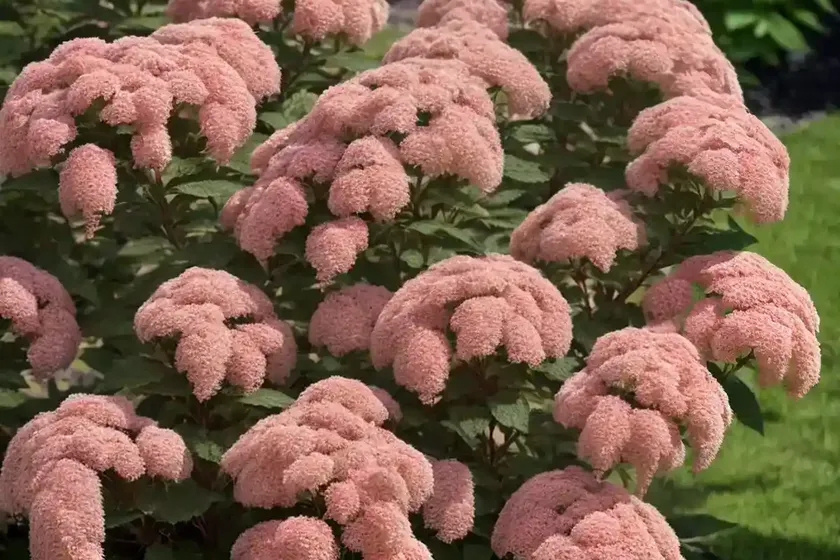
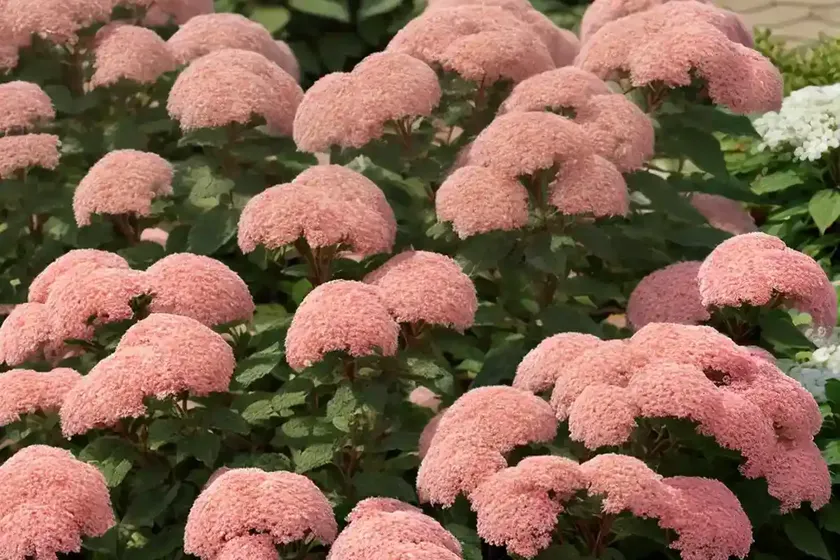
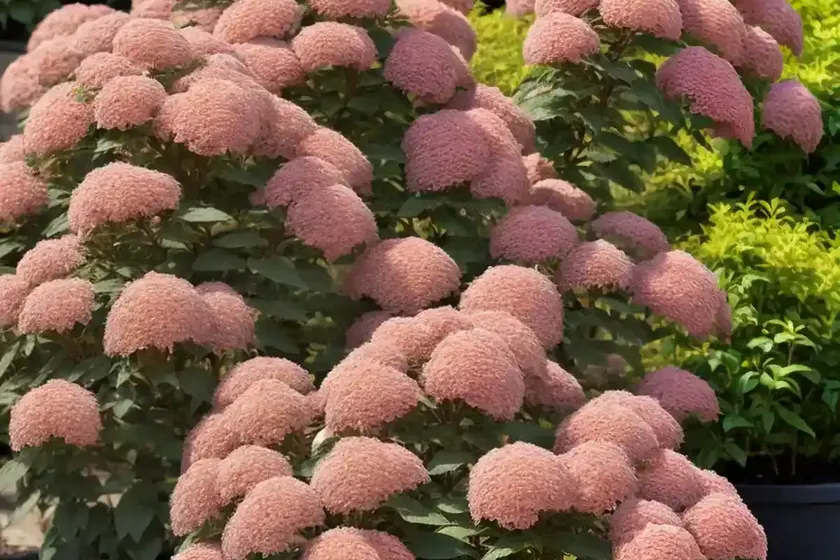
Spiraea japonica ‘Firelight’, commonly known as Japanese Spirea, is a beautiful deciduous shrub that belongs to the Rosaceae family. This stunning plant is favored for its vibrant foliage and delicate flowers, adding ornamental value to gardens and landscapes. In this comprehensive guide, we will explore the various aspects of caring for and growing Spiraea japonica ‘Firelight’, including its culture, uses, maintenance, common diseases, and much more.
What is Spiraea japonica ‘Firelight’ (Japanese Spirea)?
Spiraea japonica ‘Firelight’ is a cultivar of the Spiraea japonica species, which is native to Japan, China, and Korea. The ‘Firelight’ cultivar is characterized by its striking foliage, with leaves that transition through multiple colors during the growing season, starting with vibrant red shades in spring, maturing to golden-amber in summer, and concluding with rich russet hues in fall. In addition to its foliage, ‘Firelight’ produces clusters of delicate pink flowers that add to its overall charm.
This cultivar is a relatively compact shrub, reaching a height and spread of 2 to 3 feet, making it an excellent choice for small gardens, borders, and mixed shrub plantings. Its relatively low maintenance requirements, adaptability to various soil types, and moderate growth rate make it a popular choice among gardeners and landscapers.
Culture
- ‘Firelight’ is adaptable to a wide range of climatic conditions, thriving in USDA hardiness zones 4-8.
- It flourishes in well-drained soils with a preference for slightly acidic to neutral pH levels (pH 6-7).
Uses
- The vibrant foliage and delicate flowers of ‘Firelight’ make it a splendid choice for ornamental purposes, such as borders, mass plantings, or mixed perennial beds.
- It can also be utilized for erosion control on slopes or in naturalized areas.
Water
- ‘Firelight’ exhibits moderate water needs, typically requiring about 1 inch of water per week, either through rainfall or irrigation during dry periods.
Sunlight
- This cultivar thrives in full sun to partial shade, with optimal flowering and foliage coloration achieved in full sun conditions.
Fertilizer
- When it comes to fertilization, applying a balanced, slow-release fertilizer in spring can support healthy growth and flowering.
Soil
- ‘Firelight’ prefers well-drained soils and is adaptable to various soil types, including loamy, sandy, or clay soils.
Pruning
- Pruning is best performed in late winter to early spring to encourage robust new growth and maintain a compact form.
Propagation
- Propagation of Spiraea japonica ‘Firelight’ can be achieved through softwood or hardwood cuttings and division of the root ball.
Container Popularity
- Its compact size and ornamental qualities make it well-suited for container gardening, adding visual interest to patios, balconies, or smaller outdoor spaces.
Container Common Diseases
- When grown in containers, ‘Firelight’ may be susceptible to root rot if the potting medium becomes waterlogged, emphasizing the importance of well-drained soil.
Disease Diagnosis
- Common diseases that may affect Spiraea japonica ‘Firelight’ include powdery mildew, leaf spot, and root rot, often exacerbated by factors such as poor air circulation or excessive moisture.
Common Pests
- Aphids, spider mites, and scale insects are among the common pests that may infest ‘Firelight’, with early detection and appropriate intervention being crucial for effective pest management.
Botanist’s Tips
- Observing the seasonal changes in foliage color and timing pruning to maintain its compact habit can enhance the ornamental appeal of Spiraea japonica ‘Firelight’.
- Regular monitoring for signs of pests or diseases and providing appropriate cultural care can help maintain the health and vigor of this striking shrub.
Fun Facts
- The ‘Firelight’ cultivar is noted for its exceptional foliage that undergoes captivating color changes throughout the growing season, providing visual interest in the landscape.
- Spiraea japonica ‘Firelight’ fulfills a vital ecological role by attracting pollinators such as bees and butterflies, contributing to biodiversity in garden settings.
Links to External Resources
- For further information on Spiraea japonica ‘Firelight’, you can refer to the following resources:
- The Royal Horticultural Society – Spiraea japonica ‘Firelight’
- University of Florida IFAS Extension – Spiraea japonica
In conclusion, Spiraea japonica ‘Firelight’ is an enchanting shrub that adds elegance and visual interest to garden landscapes. Its captivating foliage, delicate flowers, and relatively low maintenance requirements make it a popular choice for both novice and experienced gardeners alike. By understanding its cultural needs, optimal growing conditions, and common maintenance practices, enthusiasts can cultivate and showcase the beauty of this stunning shrub in their outdoor spaces.
With the knowledge provided in this guide, you are well-equipped to embark on a journey of successfully caring for and growing Spiraea japonica ‘Firelight’, creating vibrant and inviting garden spaces for years to come. Whether used as an accent plant, a border specimen, or a container display, the ‘Firelight’ cultivar of Japanese Spirea is sure to captivate and delight all who encounter its natural beauty.


