Spiraea Splendens (Rose Meadowsweet)
Spiraea splendens, commonly known as Rose Meadowsweet, is a delightful and versatile shrub that has gained popularity among gardeners and landscape.
Spiraea splendens, commonly known as Rose Meadowsweet, is a delightful and versatile shrub that has gained popularity among gardeners and landscape enthusiasts. Its attractive flowers, easy care requirements, and numerous landscaping uses make it a sought-after plant for gardens, parks, and natural areas. In this comprehensive guide, we will explore the key aspects of Spiraea splendens, including its culture, uses, care requirements, common diseases, pests, and propagation techniques. Whether you are a seasoned gardener or a beginner plant enthusiast, this article will equip you with the knowledge needed to successfully grow and maintain Rose Meadowsweet in your own green space.
Table of Contents
- What is Spiraea splendens (Rose Meadowsweet)?
- Key Takeaways – Spiraea splendens (Rose Meadowsweet)
- Culture
- Uses
- Care Requirements
- Water
- Sunlight
- Fertilizer
- Soil
- Pruning
- Propagation
- Container Popularity
- Common Diseases
- Disease Diagnosis
- Common Pests
- Botanist’s Tips
- Fun Facts
- Links to External Resources
What is Spiraea splendens (Rose Meadowsweet)?
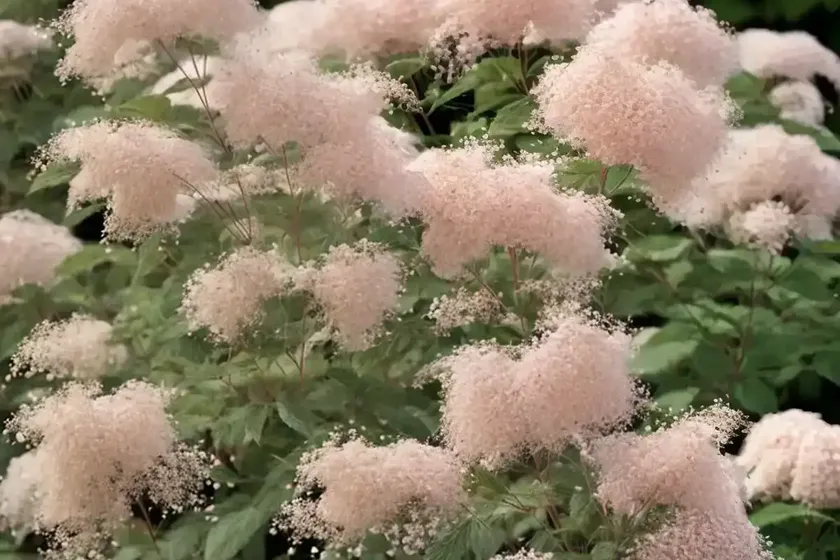
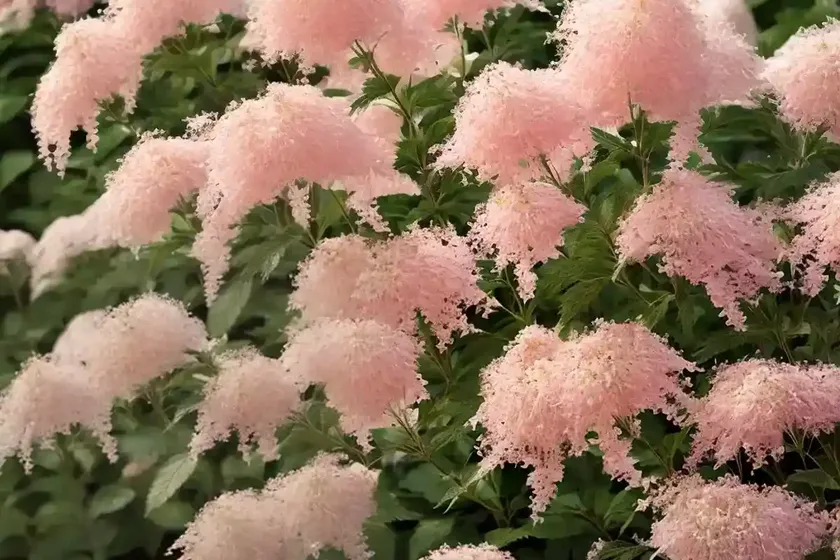
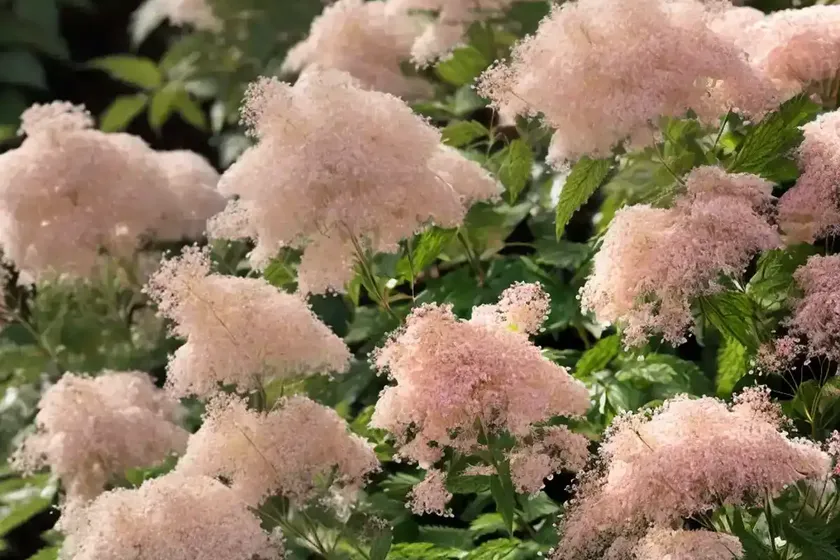
Spiraea splendens, commonly known as Rose Meadowsweet or Pink Spirea, is a deciduous flowering shrub belonging to the Spiraea genus within the Rosaceae family. This delightful shrub is native to China and was introduced to the horticultural world due to its ornamental value and ease of cultivation. Rose Meadowsweet is characterized by its graceful, arching branches adorned with clusters of small, rose-pink flowers that bloom in spring and early summer, creating a charming display of color and attracting pollinators such as bees and butterflies.
The plant typically reaches a height of 2 to 3 feet with a similar spread, making it an excellent choice for border plantings, mixed shrub borders, and mass plantings. Its compact size, elegant foliage, and abundant clusters of delicate flowers make it a versatile and attractive addition to various landscape settings. When planted en masse, it can create a stunning visual impact with its profusion of bloom.
Key Takeaways – Spiraea splendens (Rose Meadowsweet)
Before delving into the detailed aspects of Spiraea splendens care and cultivation, let’s summarize the key takeaways regarding this charming shrub:
- Botanical Name: Spiraea splendens
- Common Names: Rose Meadowsweet, Pink Spirea
- Family: Rosaceae
- Plant Type: Deciduous shrub
- Mature Height: 2-3 feet
- Mature Spread: 2-3 feet
- Flower Color: Rose-pink
- Bloom Time: Spring to early summer
- Sunlight: Full sun to partial shade
- Watering: Moderate
- Soil Type: Well-draining, loamy soil
- Uses: Borders, mixed shrub borders, mass plantings, and landscaping
- Attracts: Bees, butterflies, and other pollinators
- Low-Maintenance: Yes
- Drought-Tolerant: Yes
- Hardiness Zones: 4-8
With these key points in mind, let’s explore the comprehensive care and cultivation requirements for Spiraea splendens to ensure its successful growth and thriving in various garden and landscape settings.
Culture
Uses
The unique characteristics and ornamental value of Spiraea splendens render it a versatile plant with numerous potential uses in garden and landscape designs. Some common uses of Rose Meadowsweet include:
- Border Planting: Its compact size and abundant blooms make it an excellent choice for creating colorful borders along pathways, driveways, and garden beds.
- Mixed Shrub Borders: Rose Meadowsweet can be combined with other flowering shrubs to create visually appealing mixed borders with varied textures and colors.
- Mass Plantings: When planted en masse, Spiraea splendens produces a striking display of rose-pink flowers, making it ideal for creating eye-catching mass plantings in larger garden areas or naturalized landscapes.
- Landscaping: Its graceful form and abundant blooms make Rose Meadowsweet a valuable addition to landscape designs, adding color and visual interest to garden settings.
- Pollinator Gardens: The attractive flowers of Spiraea splendens make it an excellent choice for attracting and supporting pollinators, making it a valuable addition to pollinator-friendly garden designs.
- Naturalized Settings: Due to its ability to thrive in a variety of soil conditions and its low-maintenance nature, Rose Meadowsweet can be used to enhance naturalized areas, adding color and biodiversity to wilder landscapes.
Care Requirements
Now that we have established the uses and potential applications of Spiraea splendens, it is essential to understand the specific cultural requirements that will ensure its healthy growth and prolific blooming. The care guidelines outlined below cover various aspects including water, sunlight, fertilizer, soil, and pruning practices.
Water
Proper watering is crucial for the establishment and ongoing health of Spiraea splendens. While the plant demonstrates a degree of drought tolerance once established, consistent and adequate moisture is necessary, especially during its initial establishment phase and during periods of prolonged drought. Here are the key watering guidelines for Rose Meadowsweet:
- Establishment Period: Newly planted Spiraea splendens should be watered deeply and regularly, ensuring that the root ball remains consistently moist but not waterlogged.
- Established Plants: Once established, Rose Meadowsweet generally requires moderate watering, with deep, infrequent watering being preferable to frequent shallow watering. A layer of organic mulch around the base of the plant can help retain soil moisture.
- Drought Conditions: During periods of drought, it is important to provide supplemental watering to prevent the plant from becoming excessively stressed. Deep watering at the base of the plant is preferable to overhead watering, as it helps direct moisture to the root zone.
It is important to monitor the soil moisture levels and adjust the watering frequency based on the plant’s specific requirements and the prevailing weather conditions. Avoid overwatering, as this can lead to root rot and other moisture-related issues.
Sunlight
Rose Meadowsweet thrives in locations with ample sunlight, though it can also tolerate partial shade, particularly in regions with hot summers. When selecting a planting site for Spiraea splendens, consider the following sunlight requirements:
- Full Sun: Ideally, Spiraea splendens should be planted in an area that receives at least 6-8 hours of direct sunlight daily for optimal flowering and overall growth.
- Partial Shade: While the plant performs best in full sun, it can tolerate partial shade, especially in regions where intense sunlight may cause stress or sunscald during the hottest part of the day.
In areas with hot summers, providing some afternoon shade can help protect the plant from excessive heat and potential sun damage. When planted in shadier locations, it is essential to ensure that the site still receives sufficient light to support healthy growth and prolific blooming.
Fertilizer
Proper nutrition is essential for the healthy growth and prolific flowering of Spiraea splendens. While the plant is relatively low-maintenance, occasional fertilization can help ensure its vigor and blooming performance. Here are some key considerations for fertilizing Rose Meadowsweet:
- Timing: Fertilize established Spiraea splendens in early spring, just before the onset of new growth, to provide a nutrient boost for the upcoming growing season.
- Fertilizer Type: Use a balanced, slow-release fertilizer formulated for flowering shrubs. Alternatively, an all-purpose granular fertilizer with balanced NPK (nitrogen, phosphorus, and potassium) ratios can also support the plant’s overall health and blooming capacity.
- Application: Apply the fertilizer evenly around the plant’s drip line, avoiding direct contact with the stems or foliage. Water thoroughly after application to help distribute the nutrients into the soil.
Avoid over-fertilizing as this can lead to excessive vegetative growth at the expense of flowering, and can potentially harm the plant. Always follow the specific recommendations provided by the fertilizer manufacturer for best results.
Soil
Spiraea splendens thrives in well-draining, loamy soil with a slightly acidic to neutral pH. The soil type and pH level play a crucial role in the plant’s overall health and ability to access essential nutrients. Here are the key soil considerations for Rose Meadowsweet:
- Drainage: Ensure that the planting site has good drainage to prevent waterlogging, which can lead to root rot and other moisture-related issues. Raised beds or slightly elevated planting areas can help improve drainage in heavy or poorly draining soils.
- Soil Composition: A loamy soil with a rich organic content is ideal for supporting the growth and blooming of Spiraea splendens. Amending the soil with organic matter such as compost or well-rotted manure can help improve its structure and fertility.
- pH Level: Rose Meadowsweet prefers a slightly acidic to neutral soil pH in the range of 6.0 to 7.0. Conduct a soil pH test prior to planting, and make necessary amendments to adjust the pH level if it falls outside the preferred range.
By ensuring that the soil provides adequate drainage and favorable growing conditions, you can create an optimal environment for Spiraea splendens to thrive and produce an abundance of charming pink flowers.
Pruning
Proper pruning is essential for maintaining the health, shape, and blooming performance of Spiraea splendens. Regular pruning helps remove spent flowers, shape the plant, and rejuvenate older growth, promoting the development of new flowering wood. Here are the key pruning guidelines for Rose Meadowsweet:
- Pruning Time: Prune Spiraea splendens immediately after the spring bloom period to remove spent flowers and shape the plant. Additionally, light pruning can be performed in late winter to early spring to remove any dead, damaged, or crossing branches.
- Pruning Technique: Use sharp, clean pruning shears to make precise cuts just above a set of healthy buds or an outward-facing shoot. This helps promote proper healing and encourages new growth in the desired direction.
- Rejuvenation Pruning: Every 3-4 years, consider performing more severe rejuvenation pruning to remove older, woody stems and encourage the development of new, flowering wood. This can help maintain the plant’s vigor and prevent it from becoming overly dense or leggy.
Care should be taken to avoid pruning after the summer months, as doing so can potentially remove the developing flower buds for the following spring. By following proper pruning practices, you can help maintain the health and aesthetic appeal of Spiraea splendens while promoting its bountiful blooming each season.
Propagation
Spiraea splendens can be propagated through several methods, including softwood cuttings, hardwood cuttings, and division. Here is an overview of the common propagation techniques for Rose Meadowsweet:
- Softwood Cuttings: Softwood cuttings taken from the current season’s growth in late spring to early summer can be rooted in a well-draining, moist propagation medium to establish new plants. Provide bottom heat and maintain high humidity to encourage successful root formation.
- Hardwood Cuttings: Hardwood cuttings can be taken in late fall to early winter from mature, dormant stems. These cuttings are typically prepared at a length of 6-8 inches and are placed in a well-draining, moisture-retentive medium for rooting.
- Division: Established Spiraea splendens plants can be divided in early spring before the onset of new growth. Carefully dig up the plant, and using a sharp, clean tool, divide the root ball into sections, ensuring that each division has sufficient roots and healthy growth.
Prior to propagation, prepare the selected planting medium, provide the necessary environmental conditions, and monitor the newly propagated plants for successful root development. By utilizing these propagation techniques, you can expand your Rose Meadowsweet collection or share this charming shrub with fellow gardening enthusiasts.
Container Popularity
The versatile nature and compact size of Spiraea splendens make it well-suited for container gardening, allowing it to thrive in various outdoor and indoor settings. Here are some key considerations for growing Rose Meadowsweet in containers:
- Container Selection: Choose a large, sturdy container with adequate drainage holes to ensure proper drainage and prevent waterlogging.
- Potting Mix: Use a well-draining potting mix formulated for flowering shrubs or a mix of potting soil and perlite to provide an optimal growing medium for the plant.
- Sunlight: Place the container in a location that receives ample sunlight, ensuring that Spiraea splendens receives at least 6-8 hours of direct sunlight daily.
- Watering: Monitor the soil moisture regularly and water the plant as needed to maintain even soil moisture, adjusting the frequency based on the plant’s specific requirements and environmental conditions.
- Fertilization: Apply a balanced, slow-release fertilizer or an organic, liquid fertilizer according to the manufacturer’s recommendations to provide essential nutrients for the plant’s growth and blooming.
By growing Spiraea splendens in containers, you can enjoy the beauty of this charming shrub on patios, balconies, and other outdoor spaces, adding a touch of elegance and color to these areas.
Common Diseases
While Spiraea splendens is generally resilient and low-maintenance, it can occasionally experience certain diseases that can impact its health and appearance. Being aware of these common diseases and their symptoms can help in timely intervention and effective management. Here are some of the common diseases that may affect Rose Meadowsweet:
Disease Diagnosis
- Powdery Mildew (Sphaerotheca pannosa): Characterized by a powdery, white coating on the leaves, stems, and flowers, powdery mildew can occur during periods of high humidity and poor air circulation. To manage powdery mildew, ensure adequate air circulation, avoid overhead watering, and consider applying a fungicidal spray recommended for powdery mildew control.
- Leaf Spot: (Caused by various fungal pathogens): Leaf spot diseases manifest as dark or discolored spots on the leaves, often surrounded by a yellow halo. To manage leaf spot, remove and destroy affected plant debris, ensure proper spacing to promote air circulation, and consider applying fungicidal treatments if the issue persists.
- Root Rot (Phytophthora spp. and other pathogens): Excessive moisture or poor drainage can lead to root rot, causing the plant to exhibit wilting, yellowing leaves, and overall decline. To prevent root rot, ensure proper drainage, avoid overwatering, and consider using well-draining soil to promote healthy root development and reduce the risk of rotting.
Regular inspection of the plant for any signs of disease, coupled with proper cultural practices and environmental management, can significantly reduce the risk of disease development and help maintain the plant’s overall health and vigor.
Common Pests
In addition to diseases, Spiraea splendens may also be susceptible to certain pests that can affect its growth and appearance. Understanding the common pests and their control measures is essential for effectively managing pest-related issues. Here are some of the common pests that may affect Rose Meadowsweet:
- Aphids: These small, soft-bodied insects feed on the plant’s sap, causing distorted growth, yellowing leaves, and the production of sticky honeydew. To manage aphids, consider using insecticidal soaps, horticultural oils, or introducing natural predators such as ladybugs.
- Spider Mites: Spider mites are tiny arachnids that typically feed on the undersides of the leaves, causing stippling, webbing, and overall decline. Regularly hose down the plant to remove spider mites and their webbing, and consider applying insecticidal sprays if the infestation is severe.
- Scale Insects: Scale insects appear as small, waxy bumps on the stems and leaves of the plant, often causing yellowing, wilting, and overall decline. Prune and dispose of heavily infested plant parts, and apply horticultural oils or insecticidal sprays for effective scale control.
By closely monitoring the plant for any signs of pest activity and promptly implementing control measures as needed, you can help safeguard the health and vitality of Spiraea splendens.
Botanist’s Tips
To ensure the successful growth and long-term health of Spiraea splendens, consider the following botanist’s tips:
- Monitor Soil Moisture: Regularly monitor the soil moisture to ensure that established plants are receiving adequate water during dry periods and that the soil is not waterlogged.
- Maintain Air Circulation: Proper air circulation is crucial for preventing foliage diseases such as powdery mildew. Ensure that the plant has sufficient space and avoid overcrowding to promote air movement.
- Monitor Pest Activity: Regularly inspect the plant for any signs of pest activity, including distorted growth, yellowing leaves, or the presence of insects. Prompt intervention can help prevent pest-related damage.
Fun Facts
Before we conclude, let’s explore some intriguing and delightful fun facts about Spiraea splendens:
- Attracts Pollinators: Rose Meadowsweet’s colorful blooms are highly attractive to bees and butterflies, making it a valuable addition to pollinator gardens and wildlife habitats.
- Native Habitats: In its native range, Spiraea splendens can be found growing in open woodlands, scrublands, and along the edges of forested areas, showcasing its adaptability to varied growing conditions.
- Seasonal Interest: Beyond its spring and summer blooming, the elegant arching branches of Rose Meadowsweet provide visual interest in the garden throughout the year.
- Low-Maintenance Beauty: Spiraea splendens is noted for its low-maintenance nature, making it an excellent choice for gardeners seeking beautiful, easy-to-care-for plants.
These fun facts offer a glimpse into the natural charm and appeal of Spiraea splendens, shedding light on its ecological importance and ornamental value in garden settings.
Links to External Resources
For further exploration of Spiraea splendens and additional resources, consider the following links:
- Royal Horticultural Society – Spiraea
- Fine Gardening – Spiraea splendens
- University of Florida IFAS Extension – Spiraea spp.
- Missouri Botanical Garden – Spiraea splendens
By exploring these external resources, you can gain further insights, care guidelines, and horticultural information to enhance your knowledge and appreciation of Spiraea splendens.
In conclusion, Spiraea splendens, or Rose Meadowsweet, is a captivating flowering shrub that adds elegance, color, and ecological value to garden and landscape settings. Its versatile nature, beautiful blooms, and low-maintenance requirements make it a valuable addition to a wide range of outdoor spaces, from small home gardens to expansive landscapes. By understanding and applying the care guidelines and cultivation techniques outlined in this comprehensive guide, you can cultivate and enjoy the timeless beauty of Spiraea splendens in your own green sanctuary, creating a vibrant haven for pollinators and an alluring visual display for your enjoyment.


