Spiraea japonica ‘Anthony Waterer’ (Japanese Spirea): A Complete Guide
Spiraea japonica ‘Anthony Waterer’ is a popular deciduous shrub known for its stunning clusters of small flowers and vibrant foliage. This versatile plant is a favorite among gardeners due to its low maintenance and beautiful aesthetics. In this comprehensive guide, we will explore everything you need to know about the care, uses, propagation, and more of Spiraea japonica ‘Anthony Waterer’.
1. What is Spiraea japonica ‘Anthony Waterer’?
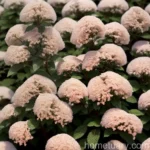
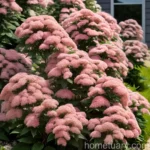
Spiraea japonica ‘Anthony Waterer’, commonly known as Japanese Spirea, is a cultivar of the Japanese spiraea species. It belongs to the Rosaceae family and is native to Japan, China, and Korea. This deciduous shrub is prized for its attractive, pink flowers and foliage that changes color throughout the seasons.
The ‘Anthony Waterer’ cultivar is known for its compact nature, reaching a height of 18 to 24 inches (45 to 60 cm) with a similar spread. Its mounding growth habit and colorful blooms make it a popular choice for borders, hedges, and mass plantings in gardens and landscapes.
Key Takeaways – Spiraea japonica ‘Anthony Waterer’ (Japanese Spirea)
Before delving into the specifics of caring for Spiraea japonica ‘Anthony Waterer’, here are some key takeaways to remember about this cultivar:
- Compact, mounding growth habit
- Pink flowers and vibrant foliage
- Versatile uses in landscaping
- Low maintenance requirements
2. Culture
Uses
Spiraea japonica ‘Anthony Waterer’ has a wide range of uses in landscaping and gardens. Some common applications include:
- Border plantings: The compact nature and colorful blooms make it an excellent choice for border plantings, creating defined edges in garden beds.
- Mass plantings: When planted en masse, ‘Anthony Waterer’ can create a stunning display of pink flowers, adding vibrancy to the landscape.
- Hedges: Its dense growth habit makes it suitable for creating low hedges, providing a splash of color and visual interest.
Water
Proper watering is essential for the health and vitality of Spiraea japonica ‘Anthony Waterer’. Here are some key points to keep in mind:
- Regular watering: During the first growing season, it’s important to provide regular watering to establish a strong root system. Once established, it is moderately drought-tolerant but will benefit from watering during dry spells.
- Avoid waterlogging: Ensure that the soil is well-draining to prevent waterlogging, which can lead to root rot and other issues.
Sunlight
Spiraea japonica ‘Anthony Waterer’ thrives in full sun to partial shade. Here’s what you need to know about its sunlight requirements:
- Full sun: The plant will produce the most abundant and vibrant blooms when grown in full sun, receiving at least 6 hours of direct sunlight per day.
- Partial shade: While it can tolerate some shade, it may result in decreased flowering and less vibrant foliage.
Fertilizer
Proper fertilization can promote healthy growth and abundant blooms in Spiraea japonica ‘Anthony Waterer’. Consider the following guidelines:
- Balanced fertilizer: Use a balanced, slow-release fertilizer in early spring to provide essential nutrients for the growing season.
- Avoid excessive nitrogen: Too much nitrogen can result in excessive foliage growth at the expense of flowers, so opt for a fertilizer with a balanced N-P-K ratio.
Soil
The soil quality plays a crucial role in the overall health and performance of Spiraea japonica ‘Anthony Waterer’. Consider the following soil preferences:
- Well-draining soil: Ensure that the soil has good drainage to prevent waterlogging, which can lead to root rot.
- pH level: It prefers slightly acidic to neutral soil with a pH range of 5.5 to 7.0.
3. Pruning
Regular pruning is essential to maintain the shape, health, and flowering performance of Spiraea japonica ‘Anthony Waterer’. Here are some key pruning tips:
- Spring pruning: Prune the shrub in early spring before new growth emerges. Remove any dead, damaged, or crossing branches to encourage healthy growth.
- Deadheading: After the first flush of blooms, deadhead the spent flowers to encourage the plant to produce more blooms.
- Renewal pruning: Every few years, consider performing renewal pruning by cutting back a third of the oldest stems to rejuvenate the plant.
4. Propagation
Propagating Spiraea japonica ‘Anthony Waterer’ allows you to expand your collection and share this beautiful shrub with others. Here are the common methods of propagation:
- Softwood cuttings: Take 4 to 6-inch (10 to 15 cm) softwood cuttings in early summer and root them in a well-draining potting mix to propagate new plants.
- Division: Divide established clumps in early spring to create new plants, ensuring that each division has a healthy root system.
Container Popularity
Spiraea japonica ‘Anthony Waterer’ is well-suited for container gardening, adding a pop of color to patios, balconies, and small outdoor spaces. Its compact size and vibrant blooms make it an attractive choice for container planting.
Container Common Diseases
When growing Spiraea japonica ‘Anthony Waterer’ in containers, it is important to be mindful of potential diseases. Some common diseases to watch out for include:
- Powdery mildew: This fungal disease can affect the foliage, leading to a white, powdery coating on the leaves.
- Leaf spot: Leaf spot diseases can cause browning, spotting, or discoloration on the foliage.
Disease Diagnosis
Early diagnosis and treatment are crucial in managing diseases in Spiraea japonica ‘Anthony Waterer’. Keep an eye out for the following symptoms:
- Fungal growth: Powdery mildew appears as a powdery, white substance on the leaves.
- Leaf discoloration: Leaf spot diseases manifest as dark spots, lesions, or discoloration on the foliage.
Common Pests
Several pests can potentially affect Spiraea japonica ‘Anthony Waterer’ when grown in containers. Common pests may include:
- Aphids: These tiny, pear-shaped insects can cluster on the new growth and tender shoots, causing damage to the plant.
- Spider mites: These tiny arachnids can cause stippling and discoloration on the foliage, impacting the overall health of the plant.
5. Botanist’s Tips
To ensure the successful growth and flourishing of Spiraea japonica ‘Anthony Waterer’, consider the following expert tips:
- Regular monitoring: Keep a close eye on the plant for signs of pests, diseases, or nutrient deficiencies, addressing any issues promptly.
- Proper spacing: When planting multiple Spiraea japonica ‘Anthony Waterer’ shrubs, provide adequate spacing to allow for proper air circulation and to prevent overcrowding.
Fun Facts
Here are some fascinating and fun facts about Spiraea japonica ‘Anthony Waterer’:
- The cultivar is named after Anthony Waterer, a prominent English nurseryman who introduced and popularized many new plant varieties.
- In addition to its ornamental value, Spiraea japonica ‘Anthony Waterer’ also provides nectar for pollinators such as butterflies and bees.
6. Links to External Resources
For additional information, here are some useful external resources about Spiraea japonica ‘Anthony Waterer’:
- Royal Horticultural Society – Spiraea japonica ‘Anthony Waterer’
- Missouri Botanical Garden – Spiraea japonica ‘Anthony Waterer’
- University of Florida IFAS Extension – Japanese Spirea
In summary, Spiraea japonica ‘Anthony Waterer’ is a delightful shrub with an array of attractive features, making it a valuable addition to any garden or landscape. By understanding its care, uses, and propagation methods, you can cultivate and enjoy the beauty of this Japanese Spirea cultivar in your own outdoor spaces.
Remember to check the individual care requirements for your specific region, as environmental factors can impact the overall well-being of the plant. With the right attention and care, Spiraea japonica ‘Anthony Waterer’ can thrive and bring joy with its colorful blooms and vibrant foliage.