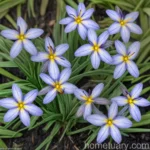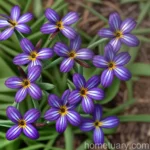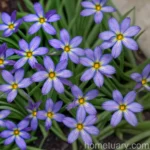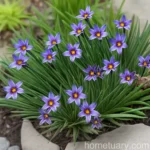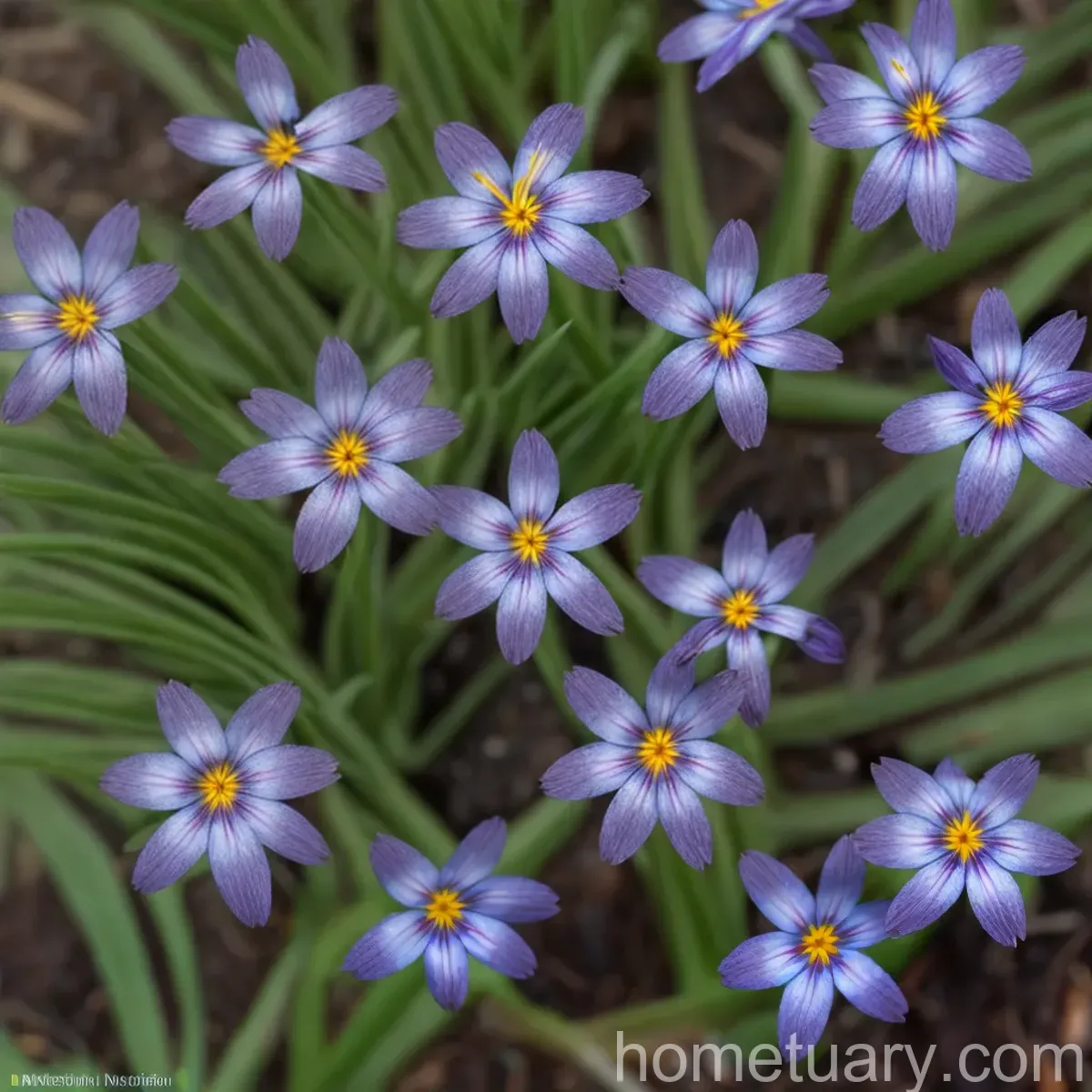
Sisyrinchium mucronatum (Needletip Blue-Eyed Grass)
Sisyrinchium mucronatum, commonly known as Needletip Blue-Eyed Grass, is a beautiful and versatile perennial plant species that belongs to the iris family, Iridaceae. This stunning plant is characterized by its delicate blue flowers and grass-like foliage, making it a popular choice for gardeners and landscape designers. In this comprehensive guide, we will delve into the key aspects of Sisyrinchium mucronatum, from its cultural requirements to its uses, maintenance, and common diseases. Whether you’re a gardening enthusiast, a landscaping professional, or simply someone who appreciates the beauty of plants, this guide will provide you with valuable insights into the world of Needletip Blue-Eyed Grass.
Sisyrinchium mucronatum Characteristics
Sisyrinchium mucronatum, or Needletip Blue-Eyed Grass, is characterized by the following features:
- Delicate blue flowers
- Grass-like foliage
- Perennial plant
- Belongs to the iris family, Iridaceae
Needletip Blue-Eyed Grass Information
Also known as Sisyrinchium mucronatum, this plant has several key pieces of information that are crucial to understanding its care and cultivation requirements:
- Family: Iridaceae
- Common Name: Needletip Blue-Eyed Grass
- Native Range: North America
Growing Sisyrinchium mucronatum
Sisyrinchium mucronatum is relatively easy to grow and is well-suited to various landscape settings. When cultivating this plant, it’s important to consider the following factors:
- Hardiness Zones: Sisyrinchium mucronatum is best suited to hardiness zones 6 to 9.
- Sun Exposure: Prefers full sun to partial shade.
- Soil Requirements: Well-draining soil is essential for healthy growth.
- Watering: Requires regular watering, especially during the growing season.
Care for Needletip Blue-Eyed Grass
Caring for Needletip Blue-Eyed Grass involves providing the appropriate cultural conditions and addressing its specific needs. Some essential care tips include:
- Sunlight: Ensure that the plant receives adequate sunlight, especially in cooler climates where full sun exposure can benefit its growth.
- Watering: Maintain consistent soil moisture, avoiding both waterlogged and dry conditions.
- Fertilization: Use a balanced, slow-release fertilizer to support healthy growth and flowering.
- Pruning: Remove faded flowers and yellowing foliage to maintain a neat appearance.
- Propagation: Consider dividing mature clumps in early spring to propagate the plant.
All About Sisyrinchium mucronatum
Understanding the intricacies of Needletip Blue-Eyed Grass involves delving into various aspects of its growth and maintenance. This encompasses its growth requirements, seasonal care, habitat, and more.
Needletip Blue-Eyed Grass Care Guide
Caring for Sisyrinchium mucronatum involves providing appropriate cultural conditions, including soil, water, sunlight, and fertilization. This comprehensive guide will help you ensure the optimal care for your Needletip Blue-Eyed Grass plant.
Sisyrinchium mucronatum Planting Tips
When planting Sisyrinchium mucronatum, it’s essential to consider the following tips to promote healthy establishment and growth:
- Choose a well-drained planting site.
- Incorporate organic matter into the soil to improve its structure and fertility.
- Plant the rhizomes at the appropriate depth, ensuring they are covered with soil but not buried too deeply.
Cultivating Needletip Blue-Eyed Grass
Cultivating Sisyrinchium mucronatum involves creating an environment that meets its specific growth requirements, including soil type, moisture levels, and sunlight exposure.
Sisyrinchium mucronatum Maintenance
Regular maintenance of Sisyrinchium mucronatum involves activities such as watering, fertilizing, pruning, and monitoring for signs of pests or diseases. Maintaining the plant ensures its long-term health and vitality.
Needletip Blue-Eyed Grass Varieties
While Needletip Blue-Eyed Grass (Sisyrinchium mucronatum) is the primary species, there are several cultivated varieties that differ in flower color, size, or growth habit, offering diverse options for gardeners and landscapers.
Sisyrinchium mucronatum Species
Sisyrinchium mucronatum is a species within the Sisyrinchium genus, which comprises numerous other species with varying characteristics and growing requirements.
Needletip Blue-Eyed Grass Habitat
This plant species naturally thrives in specific habitats, and understanding its native habitat can provide insights into its ideal growing conditions in cultivation.
Sisyrinchium mucronatum Growth Requirements
The growth requirements of Sisyrinchium mucronatum encompass elements such as soil, water, light, and climate conditions that are necessary for its healthy development and flowering.
Needletip Blue-Eyed Grass Characteristics
The characteristics of Sisyrinchium mucronatum, including its flowers, foliage, and growth habit, contribute to its overall appeal and suitability for various landscaping applications.
Sisyrinchium mucronatum Flowering Period
Sisyrinchium mucronatum typically blooms during a specific period, and understanding its flowering schedule can aid in planning and design within landscapes.
Needletip Blue-Eyed Grass Propagation
Propagating Needletip Blue-Eyed Grass involves methods such as division, seed sowing, or stem cuttings, allowing for the expansion of plantings or the creation of new individuals.
Sisyrinchium mucronatum Common Names
The common names of Sisyrinchium mucronatum may vary by region or cultural references, and understanding these names can help in communication and identification.
Needletip Blue-Eyed Grass Planting Techniques
Successful planting techniques for Sisyrinchium mucronatum involve proper site preparation, soil amendment, and plant care practices to ensure establishment and early growth.
Sisyrinchium mucronatum Uses
Sisyrinchium mucronatum has various uses in landscapes, including its ornamental value, ecological benefits, or potential therapeutic properties.
Needletip Blue-Eyed Grass Symbolism
Understanding the symbolism associated with Needletip Blue-Eyed Grass provides cultural and historical perspectives on its significance and representation in different contexts.
Sisyrinchium mucronatum Wildlife Attraction
Sisyrinchium mucronatum can attract various forms of wildlife, including pollinators, making it a valuable addition to wildlife-friendly and ecological gardens.
Needletip Blue-Eyed Grass Container Gardening
Growing Sisyrinchium mucronatum in containers offers flexibility and mobility, allowing for its inclusion in different garden settings and design arrangements.
Sisyrinchium mucronatum Landscape Design
In landscape design, Sisyrinchium mucronatum can be utilized in various ways, thanks to its aesthetic appeal and adaptability to different environmental conditions.
Needletip Blue-Eyed Grass Maintenance Tips
Effective maintenance tips for Sisyrinchium mucronatum ensure its continued health and vigor, promoting abundant flowering and overall visual appeal within landscapes.
Sisyrinchium mucronatum Pest Control
Pest control measures for Sisyrinchium mucronatum aim to address potential insect or disease issues that may affect the plant’s growth and appearance.
Needletip Blue-Eyed Grass Soil Requirements
Understanding the soil preferences of Sisyrinchium mucronatum is essential for providing an optimal growing medium that supports its root development and overall health.
Sisyrinchium mucronatum Watering Needs
Proper watering practices are critical for the health and vitality of Sisyrinchium mucronatum, ensuring that it receives adequate moisture without being subjected to waterlogging.
Needletip Blue-Eyed Grass Pruning Techniques
Pruning Sisyrinchium mucronatum involves removing spent flowers and tidying up the foliage to promote a neat and attractive appearance throughout the growing season.
Sisyrinchium mucronatum Companion Plants
Selecting suitable companion plants for Sisyrinchium mucronatum involves considering its cultural requirements and aesthetic compatibility with neighboring species.
Needletip Blue-Eyed Grass Hardiness Zones
Understanding the recommended hardiness zones for Sisyrinchium mucronatum is crucial for selecting suitable planting locations based on climate and temperature considerations.
Sisyrinchium mucronatum Seasonal Care
Tailoring care practices for Sisyrinchium mucronatum based on seasonal variations helps optimize its growth, flowering, and overall performance throughout the year.
Needletip Blue-Eyed Grass Disease Prevention
Preventing diseases in Sisyrinchium mucronatum involves implementing proactive measures that minimize the risk of fungal infections or other health issues.
Sisyrinchium mucronatum Sun Exposure Preference
Understanding the sun exposure preferences of Sisyrinchium mucronatum is essential for selecting appropriate planting locations and optimizing its growth and flowering.
Needletip Blue-Eyed Grass Native Range
Exploring the native range of Sisyrinchium mucronatum provides insights into its ecological adaptations and potential variations in growing conditions.
Sisyrinchium mucronatum Garden Uses
Sisyrinchium mucronatum serves various purposes in garden settings, from ornamental displays to ecological enhancements, contributing to the overall diversity and appeal of the landscape.
Needletip Blue-Eyed Grass Unique Characteristics
The unique characteristics of Sisyrinchium mucronatum distinguish it as a remarkable and valuable plant species, offering inherent beauty and functional attributes.
Sisyrinchium mucronatum Medicinal Properties
Exploring the potential medicinal properties of Sisyrinchium mucronatum highlights its traditional uses and therapeutic applications in herbal medicine and natural remedies.
Needletip Blue-Eyed Grass Maintenance Calendar
Developing a maintenance calendar for Sisyrinchium mucronatum involves scheduling essential care activities throughout the year, optimizing its health and appearance.
Sisyrinchium mucronatum Plant Family
Belonging to the iris family, Iridaceae, Sisyrinchium mucronatum shares botanical relationships with various other plant species, each having unique characteristics and attributes.
Needletip Blue-Eyed Grass Pollination Process
Understanding the pollination process of Sisyrinchium mucronatum sheds light on its reproductive biology and interactions with pollinators within its natural and cultivated habitats.
Sisyrinchium mucronatum Seed Collection
Collecting seeds from Sisyrinchium mucronatum provides an opportunity to propagate new plants and expand their presence within gardens and landscapes.
Needletip Blue-Eyed Grass Foliage Color
The foliage color of Sisyrinchium mucronatum contributes to its overall visual appeal, serving as a distinguishing feature that complements its attractive flowers.
Sisyrinchium mucronatum Seasonal Blooming
Understanding the seasonal blooming patterns of Sisyrinchium mucronatum allows for strategic planning and design within landscapes, ensuring continuous displays of flowers.
Needletip Blue-Eyed Grass Attracting Butterflies
Sisyrinchium mucronatum’s flowers can attract butterflies and other pollinators, creating a dynamic and lively element within garden settings and naturalistic landscapes.
Sisyrinchium mucronatum Outdoor Cultivation
Cultivating Sisyrinchium mucronatum in outdoor environments provides opportunities for integrating this beautiful plant into diverse garden styles and settings.
Needletip Blue-Eyed Grass Garden Design Ideas
Incorporating Sisyrinchium mucronatum into garden designs encompasses various creative possibilities, exploiting its ornamental value and ecological contributions.
Sisyrinchium mucronatum Water Conservation
The water conservation potential of Sisyrinchium mucronatum aligns with sustainable gardening practices, contributing to environmental stewardship and resource efficiency.
Needletip Blue-Eyed Grass Wildlife Habitat
The natural habitat of Sisyrinchium mucronatum supports various forms of wildlife, making it a valuable component of ecological landscapes and wildlife-friendly gardens.
Sisyrinchium mucronatum Plant Care Guidelines
Comprehensive plant care guidelines for Sisyrinchium mucronatum encompass various aspects of its cultural requirements, maintenance practices, and potential uses within landscapes.
Needletip Blue-Eyed Grass Versatile Landscaping Plant
Sisyrinchium mucronatum’s versatility as a landscaping plant makes it a valuable addition to diverse garden styles, serving ornamental, ecological, and functional roles.
In conclusion, Sisyrinchium mucronatum, or Needletip Blue-Eyed Grass, is a remarkable plant species that offers captivating features, cultural adaptability, and versatile applications within horticulture and landscape design. By understanding its characteristics, growth requirements, maintenance practices, and ecological contributions, gardeners, landscapers, and plant enthusiasts can appreciate and maximize the potential of this beautiful perennial species.
Fun Facts
- Sisyrinchium mucronatum is often found in wetland areas and along stream banks, showcasing its affinity for moist soil conditions.
- The delicate blue flowers of Needletip Blue-Eyed Grass provide a charming addition to wildflower gardens and naturalistic landscapes.
- Despite its common name, Sisyrinchium mucronatum is not a grass but rather a member of the iris family, Iridaceae.
For more information about Sisyrinchium mucronatum and its care, you can explore the following resources:
- Missouri Botanical Garden – Sisyrinchium mucronatum
- North Carolina State University – Sisyrinchium mucronatum
- Lady Bird Johnson Wildflower Center – Sisyrinchium mucronatum
- University of Florida IFAS Extension – Blue-Eyed Grass
Incorporating Sisyrinchium mucronatum into your garden or landscape presents a wonderful opportunity to enjoy the beauty and diversity of plant life while creating visually stunning and ecologically beneficial outdoor spaces. Whether you are a novice gardener or an experienced landscaping professional, the allure of Needletip Blue-Eyed Grass is sure to captivate and inspire your green endeavors.