Sisyrinchium bellum (Blue-Eyed Grass): A Complete Guide
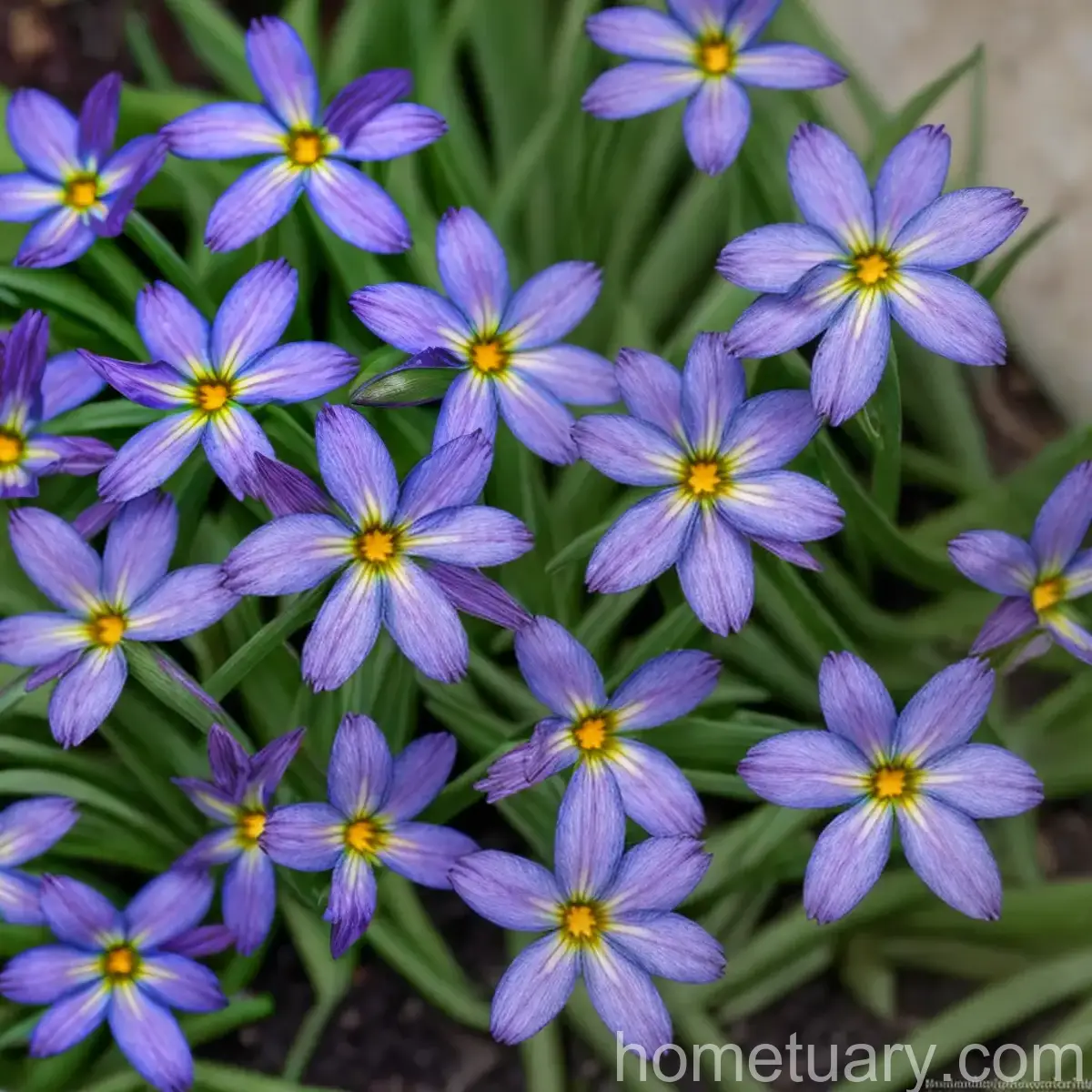
Sisyrinchium bellum, commonly known as Blue-Eyed Grass, is a charming and resilient perennial plant that belongs to the iris family, Iridaceae. This native Californian plant is renowned for its delicate blue flowers and ornamental grass-like foliage. In this comprehensive guide, we will delve into the various aspects of Blue-Eyed Grass, including its cultivation, care tips, uses, and more.
What is Sisyrinchium bellum (Blue-Eyed Grass)?
Sisyrinchium bellum, commonly referred to as Blue-Eyed Grass, is a perennial plant species native to California. It is a member of the iris family, Iridaceae, and is prized for its striking blue flowers and grass-like foliage. Despite its common name, Blue-Eyed Grass is not actually a grass but rather a member of the iris family.
This delightful plant typically blooms in the spring and early summer, adding a pop of color to gardens, meadows, and natural landscapes. Blue-Eyed Grass thrives in well-drained soil and is relatively easy to care for, making it a popular choice for gardeners and landscapers alike.
Key Takeaways – Sisyrinchium bellum (Blue-Eyed Grass)
Before we delve into the specifics of cultivating and caring for Blue-Eyed Grass, let’s take a look at some key takeaways about this fascinating plant.
- Scientific Name: Sisyrinchium bellum
- Common Name: Blue-Eyed Grass
- Family: Iridaceae
- Native Range: California
- Flower Color: Blue, Purple
- Foliage: Grass-like
- Growth Habit: Clumping
- Blooming Season: Spring to Early Summer
- Uses: Ornamental, Landscaping, Pollinator Garden
- Hardiness Zone: 5-9
Now that we have an overview of Sisyrinchium bellum, let’s explore its cultivation, care requirements, and various uses in more detail.
Culture
Uses
Blue-Eyed Grass is a versatile plant with several valuable uses in both natural and cultivated environments. Some of its primary uses include:
- Ornamental Plant: Blue-Eyed Grass is primarily grown for its aesthetic appeal. The striking blue flowers and slender foliage make it a sought-after plant for adding color and texture to garden beds, borders, and rock gardens.
- Landscaping: Due to its clumping growth habit and low maintenance requirements, Blue-Eyed Grass is often used in landscaping to create naturalistic and wildflower-themed garden designs.
- Pollinator Gardens: The nectar-rich flowers of Sisyrinchium bellum attract bees, butterflies, and other pollinators, making it a valuable addition to pollinator-friendly garden spaces.
Water
Blue-Eyed Grass thrives in well-drained soil and prefers moderate watering. While it can tolerate brief periods of drought, especially once established, regular watering is essential, particularly during dry spells and hot weather.
When watering Blue-Eyed Grass, it’s important to ensure that the soil is moist but not waterlogged. Overly wet conditions can lead to root rot and other issues, so it’s advisable to monitor the moisture levels and adjust the watering frequency accordingly.
Sunlight
Sisyrinchium bellum flourishes in full sun to partial shade. It is best planted in locations that receive at least six hours of direct sunlight per day. In hotter climates, providing some afternoon shade can help prevent the foliage from wilting during the peak of summer.
It’s important to strike a balance with the sunlight exposure, ensuring that the plant receives sufficient sunlight for robust growth and blooming while avoiding excessive heat stress.
Fertilizer
Blue-Eyed Grass typically does not require heavy fertilization. A balanced, slow-release fertilizer applied in early spring can provide the necessary nutrients for healthy growth and prolific flowering.
When applying fertilizer, it’s crucial to follow the manufacturer’s recommendations and avoid excessive use, as over-fertilization can lead to lush foliage at the expense of flowers. In regions with nutrient-poor soil, a light application of an organic, low-nitrogen fertilizer can promote healthy growth.
Soil
Blue-Eyed Grass thrives in well-drained, slightly acidic to neutral soil. A loamy or sandy soil with good drainage is ideal for cultivating Sisyrinchium bellum. If the soil is heavy or has poor drainage, amending it with organic matter such as compost or peat moss can improve the soil structure and water retention.
Before planting, it’s beneficial to prepare the soil by loosening it to a depth of 10-12 inches and incorporating organic amendments to enhance fertility and drainage. This initial soil preparation can create an optimal environment for the plant’s root development and overall vigor.
Pruning
As with many perennial plants, periodic pruning can help maintain the health and appearance of Blue-Eyed Grass. Deadheading spent flowers and removing any discolored or damaged foliage can promote continued blooming and prevent the spread of diseases.
In late winter or early spring, before the new growth emerges, a light pruning can rejuvenate the plant and encourage fresh foliage and flowers. Care should be taken not to prune too heavily, as this can inhibit the plant’s ability to produce blooms.
Propagation
Blue-Eyed Grass can be propagated through division or seeds. Division is the most common method and is typically done in early spring when the plant shows signs of new growth. Carefully lifting the plant and dividing the clumps into smaller sections with healthy roots can yield new plants for propagation.
When propagating from seeds, it’s essential to collect the ripe seed capsules and sow them in a well-prepared seedbed. Keep the soil consistently moist and provide protection from excessive heat and direct sunlight until the seedlings are well-established.
Container Popularity
Blue-Eyed Grass is well-suited for container gardening, making it a popular choice for individuals with limited garden space or those looking to add a touch of natural beauty to patios, balconies, and other confined areas.
The compact size and graceful appearance of Blue-Eyed Grass make it an excellent container plant. When growing it in containers, ensure that the pot has adequate drainage holes to prevent waterlogging, and use a well-draining potting mix to support healthy root development.
Container Common Diseases
When growing Blue-Eyed Grass in containers, certain diseases might pose a threat to the plant’s health. Common container diseases that may affect Sisyrinchium bellum include:
-
Root Rot: Overwatering or poorly-draining soil can lead to root rot, causing the plant to wilt and exhibit a decline in overall vigor. Ensuring proper soil drainage and moderating the watering frequency can help prevent this issue.
-
Powdery Mildew: In humid conditions, powdery mildew may develop on the foliage of Blue-Eyed Grass, leading to a white, powdery growth on the leaves. Adequate airflow and spacing between plants can help mitigate this fungal disease.
-
Rust: Rust is another fungal disease that can affect Blue-Eyed Grass, causing orange or brown spots on the foliage. To prevent rust, avoid overhead watering and promptly remove any infected plant material.
When cultivating Blue-Eyed Grass in containers, monitoring the plant for signs of disease and promptly addressing any issues can help maintain its health and vitality.
Disease Diagnosis
Diagnosing diseases in Blue-Eyed Grass involves observing the plant’s foliage, flowers, and overall growth patterns for any abnormalities or signs of distress. Common indicators of disease in Sisyrinchium bellum include:
- Discolored or Spotted Leaves: Unusual discoloration, spots, or patches on the leaves can be a sign of fungal or bacterial diseases.
- Stunted Growth: Inhibited growth, wilting, or drooping foliage may indicate various disease issues, including root rot and fungal infections.
- Abnormal Flowering: Reduced flowering, deformed blooms, or premature flower drop can be symptomatic of underlying disease problems.
If any of these symptoms are observed, it’s important to carefully inspect the plant, identify the potential disease, and take appropriate measures to mitigate its impact.
Common Pests
Despite being relatively low-maintenance, Blue-Eyed Grass may occasionally face pest infestations. Some common pests that may affect Sisyrinchium bellum include:
-
Aphids: These small, soft-bodied insects may cluster on the plant’s tender shoots and flower buds, sucking sap from the plant and causing distortion or weakening of the affected parts.
-
Thrips: Thrips are tiny, slender insects that can damage the flowers and foliage of Blue-Eyed Grass by puncturing the plant cells and feeding on the sap, leading to discoloration and distortion.
-
Spider Mites: These minuscule arachnids can infest the underside of the plant’s leaves, causing stippling, discoloration, and webbing, leading to weakened and unattractive foliage.
Implementing cultural practices such as maintaining garden hygiene, providing adequate airflow, and regularly inspecting the plant for pest activity can help prevent and control infestations.
Botanist’s Tips
Fun Facts
- Despite its common name, Blue-Eyed Grass is not a true grass but rather a member of the iris family, Iridaceae.
- The species name “bellum” is derived from the Latin word for “beautiful,” alluding to the plant’s attractive blue flowers.
- Blue-Eyed Grass is a native plant in California and is well-adapted to the local climate and soil conditions.
Links to External Resources
For additional information on Blue-Eyed Grass, refer to the following resources:
- California Native Plant Society – Sisyrinchium bellum
- Lady Bird Johnson Wildflower Center – Blue-Eyed Grass
- University of California – Master Gardeners Program
In conclusion, Sisyrinchium bellum, or Blue-EEyed Grass, is a captivating and resilient plant that enriches gardens, landscapes, and natural ecosystems with its charming flowers and graceful foliage. By understanding its cultivation requirements, care tips, and the various uses of this native Californian species, gardeners and nature enthusiasts can appreciate and harness the beauty and benefits of Blue-Eyed Grass in diverse settings. Whether grown in gardens, containers, or natural habitats, Sisyrinchium bellum is a plant that exemplifies the allure and adaptability of California’s native flora.
The blog post provides a detailed insight into the plant Sisyrinchium bellum, commonly known as Blue-Eyed Grass, covering its cultivation, care requirements, and various uses. It is structured with subheadings, bullet points, and external resource links for a comprehensive and informative reading experience.