Spiraea Alba (White Meadowsweet)
Spiraea alba, commonly known as White Meadowsweet, is a stunning deciduous shrub that belongs to the Rosaceae family. This native North American plant is.
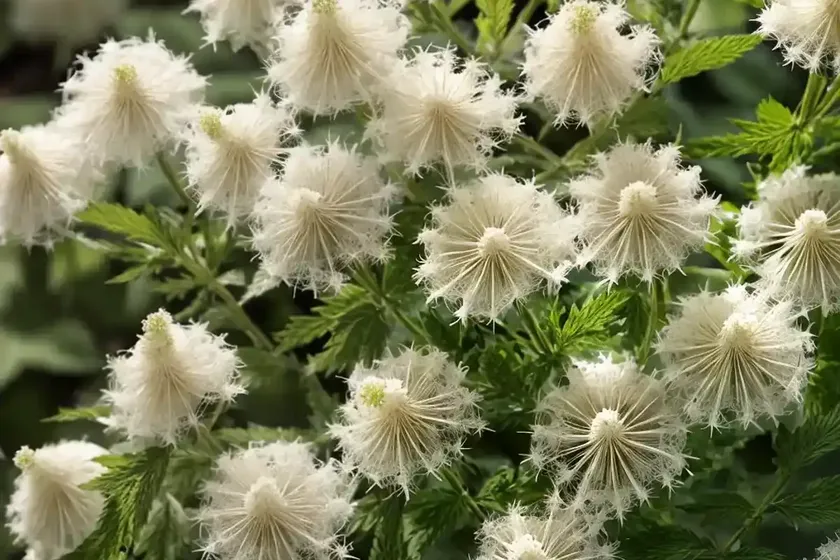
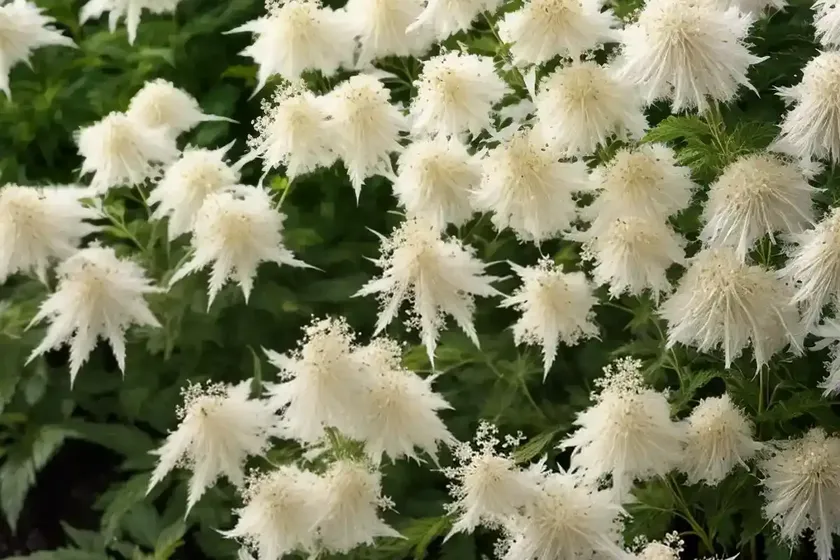
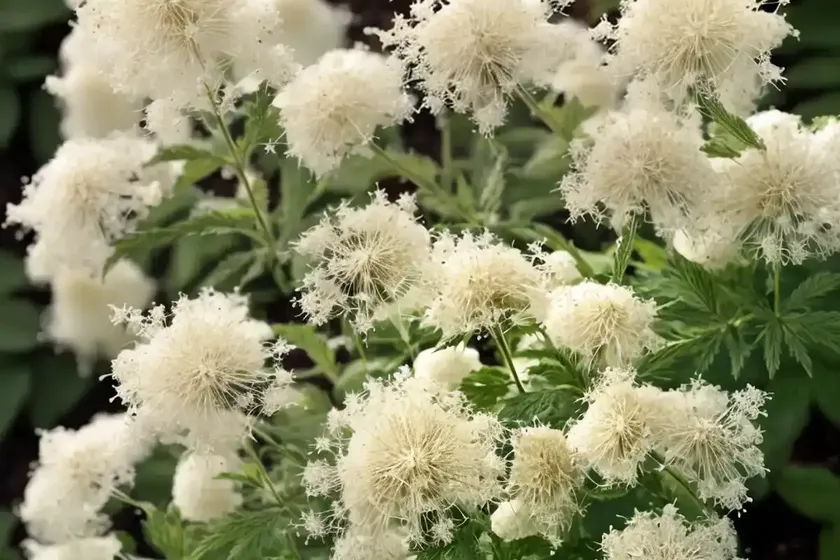
Spiraea alba, commonly known as White Meadowsweet, is a stunning deciduous shrub that belongs to the Rosaceae family. This native North American plant is known for its beautiful white blossoms and its adaptability to various growing conditions. In this comprehensive guide, we will delve into the various aspects of cultivating and caring for Spiraea alba, including its culture, uses, maintenance, and more.
What is Spiraea alba (White Meadowsweet)?
Spiraea alba, more commonly referred to as White Meadowsweet, is a deciduous shrub that is native to North America. It is prized for its attractive clusters of small, white flowers that bloom in early to mid-summer. The plant typically grows to a height of 2-4 feet and has a spread of 3-5 feet, making it a versatile and visually appealing addition to gardens and landscapes.
Some of the key characteristics of Spiraea alba include its erect, slender stems, serrated green leaves, and dense clusters of delicate white flowers. These flowers not only contribute to the plant’s aesthetic appeal but also attract pollinators, making it a valuable addition to any garden.
Key Takeaways – Spiraea alba (White Meadowsweet)
To better understand and appreciate Spiraea alba, we will explore its culture, uses, maintenance, and more.
Culture
Spiraea alba is known for its adaptability to different growing conditions, making it relatively easy to cultivate. Understanding its cultural requirements is essential for successfully growing and maintaining this beautiful shrub.
-
Water: Spiraea alba prefers consistently moist soil, especially during its initial establishment. Once established, it can tolerate occasional dry spells.
-
Sunlight: This plant thrives in full sun to partial shade, making it suitable for a wide range of garden settings.
-
Soil: It grows best in well-draining, loamy soil. While it is adaptable to various soil types, ensuring good drainage is crucial to prevent waterlogged conditions, which can be detrimental to the plant’s health.
Uses
White Meadowsweet has several potential uses, ranging from ornamental and landscaping purposes to its historic medicinal uses.
-
Ornamental: The beautiful blooms of Spiraea alba make it a popular choice for ornamental gardens and landscapes, adding a touch of elegance and natural beauty.
-
Wildlife Attraction: The plant’s flowers are highly attractive to pollinators, making it a beneficial addition to gardens focused on supporting local wildlife.
-
Erosion Control: Due to its robust root system and ability to thrive in various soil conditions, Spiraea alba is often used to prevent soil erosion in landscapes and natural settings.
Maintenance
Proper maintenance is essential to ensure the health and longevity of Spiraea alba. From pruning to disease management, understanding the various aspects of maintaining this plant is crucial.
-
Pruning: Regular pruning helps maintain the plant’s shape and promotes vigorous growth. It is typically recommended to prune Spiraea alba in late winter to early spring.
-
Disease Resistance: While Spiraea alba is relatively resistant to diseases, it is crucial to monitor for any signs of common plant ailments and take appropriate measures to prevent and address them.
Propagation
Understanding the propagation methods of Spiraea alba enables gardeners to expand their plant collection and share the beauty of this shrub with others.
- Propagation: White Meadowsweet can be propagated through various methods such as seed propagation, stem cuttings, and division. Each method has its unique requirements and benefits.
White Meadowsweet Care Tips
Caring for Spiraea alba involves providing the right growing conditions and addressing its specific needs for optimal health and growth.
Water
Spiraea alba has moderate water needs, and ensuring consistent moisture, especially during the plant’s establishment phase, is crucial. However, it is essential to avoid overwatering, as this can lead to waterlogged soil and root rot.
Sunlight
To ensure healthy growth and abundant flowering, it is recommended to plant Spiraea alba in a location that receives full sun to partial shade. Adequate sunlight is essential for promoting the plant’s overall vigor and blooming performance.
Fertilizer
Proper fertilization can aid in the growth and development of Spiraea alba. A balanced, slow-release fertilizer applied in early spring can support the plant’s nutritional requirements throughout the growing season.
Soil
Spiraea alba thrives in well-draining, loamy soil. While it can tolerate various soil types, ensuring good drainage is essential for preventing waterlogged conditions that can adversely impact the plant’s health.
Pruning
Regular pruning is beneficial for maintaining the shape, promoting flowering, and rejuvenating older shrubs. Pruning should be carried out in late winter to early spring before the onset of new growth.
Varieties of Spiraea alba
Spiraea alba presents several varieties and cultivars, each with its unique characteristics and appeal.
-
Spiraea alba ‘Corymbosa’ (Meadowsweet): This variety is known for its dense, broad, and rounded clusters of white flowers, adding elegance to garden landscapes.
-
Spiraea alba ‘Dolchica’ (Dwarf Meadowsweet): With a compact and mounded growth habit, this variety is ideal for smaller gardens and mixed borders.
-
Spiraea alba ‘Dart’s Red’ (Red Meadowsweet): This cultivar stands out for its pink to red-tinged flowers, offering a vibrant and visually striking addition to gardens.
White Meadowsweet Uses
White Meadowsweet serves various purposes, from ornamental landscaping to potential medicinal applications.
Ornamental Plant
The stunning white blossoms of Spiraea alba make it a sought-after choice for ornamental gardens, parks, and natural landscapes. Its elegant appearance and pollinator-attracting flowers contribute to its widespread use in garden designs.
Medicinal Properties
Historically, certain Native American tribes utilized the medicinal properties of Spiraea alba. While modern uses are limited, it is worth acknowledging the plant’s historical significance in traditional medicine.
How to Propagate Spiraea alba
Propagation allows for the expansion of Spiraea alba populations, sharing its beauty and benefits with more gardeners.
Seed Propagation
Spiraea alba seeds can be collected and sown in a suitable growing medium. However, it is important to note that growing plants from seeds may result in variations from the parent plant.
Stem Cuttings
Taking stem cuttings from healthy, established plants can be an effective method of propagating Spiraea alba. Rooting hormone and appropriate care can enhance the success rate of this propagation method.
Division
Dividing established Spiraea alba plants allows for the creation of new plants from existing root systems. This method is often used for rejuvenating older shrubs and expanding the plant’s presence in gardens.
Common Diseases of Spiraea alba
While Spiraea alba is relatively resistant to diseases, certain issues may still arise, requiring prompt attention and management.
Disease Diagnosis
Diagnosing plant diseases is crucial for implementing effective control measures. Common diseases that may affect Spiraea alba include powdery mildew, leaf spot, and root rot.
Powdery Mildew
Powdery mildew, characterized by a powdery white growth on the plant’s leaves, can affect Spiraea alba. Monitoring and addressing environmental conditions and utilizing fungicidal treatments can help manage this issue.
Leaf Spot
Leaf spot diseases can cause blemishes and discoloration on the foliage of Spiraea alba. Proper sanitation and, if necessary, the application of fungicides can aid in mitigating the impact of leaf spot diseases.
Common Pests Affecting Spiraea alba
Understanding the potential pests that can impact Spiraea alba is essential for implementing effective pest management strategies.
Aphids
Aphids are common pests that may infest Spiraea alba, feeding on the plant’s sap and causing damage to the foliage. Natural predators and insecticidal treatments can help control aphid populations.
Spider Mites
Spider mites can affect Spiraea alba by causing stippling and discoloration of the leaves. Regular monitoring and the application of miticides can aid in managing spider mite infestations.
Botanist’s Tips for Growing Spiraea alba
As a plant scientist, I offer the following tips for successfully growing Spiraea alba and maximizing its ornamental and ecological value in your garden.
-
Site Selection: Choose a location with well-draining soil and adequate sunlight exposure to ensure optimal growth and flowering performance.
-
Watering Practices: Maintain consistent moisture levels, particularly during the plant’s establishment phase, to support healthy growth and development.
-
Maintenance Routine: Implement a regular pruning schedule to shape the plant, encourage flowering, and rejuvenate older shrubs.
-
Pest and Disease Monitoring: Regularly inspect the plant for signs of pests and diseases, allowing for early intervention and effective management.
Fun Facts About Spiraea alba
Discover some intriguing and delightful facts about Spiraea alba that showcase its beauty and ecological significance.
-
Ecological Importance: Spiraea alba’s pollinator-attracting flowers contribute to supporting local wildlife and biodiversity in garden and natural settings.
-
Adaptability: This plant demonstrates adaptability to various soil types and environmental conditions, making it a resilient and versatile addition to diverse landscapes.
-
Elegance: The delicate clusters of white flowers and the plant’s graceful appearance make Spiraea alba a charming and visually appealing presence in gardens.
Links to External Resources
For further information on Spiraea alba, White Meadowsweet, and related topics, explore the following external resources:
- The Spruce – Spiraea alba (Meadowsweet)
- Missouri Botanical Garden – Spiraea alba
- USDA Plants Database – Spiraea alba
- Wildflower.org – Spiraea alba
- British Columbia Native Plants – Spiraea alba
Conclusion
Spiraea alba, or White Meadowsweet, stands as an exquisite and versatile addition to gardens and landscapes. Its stunning white blossoms, adaptability, and ecological value make it a valuable plant for both ornamental and ecological purposes. By understanding the cultural requirements, uses, maintenance, and propagation methods of Spiraea alba, gardeners can effectively cultivate and enjoy the beauty of this native North American shrub.
Whether it’s enhancing garden aesthetics, supporting local wildlife, or preventing soil erosion, Spiraea alba holds immense potential for contributing to diverse and sustainable landscaping practices. Embracing the beauty and benefits of White Meadowsweet can truly elevate the appeal and ecological value of outdoor spaces, showcasing the splendor of native North American flora.


