All About Prairie Blue-Eyed Grass (Sisyrinchium campestre)
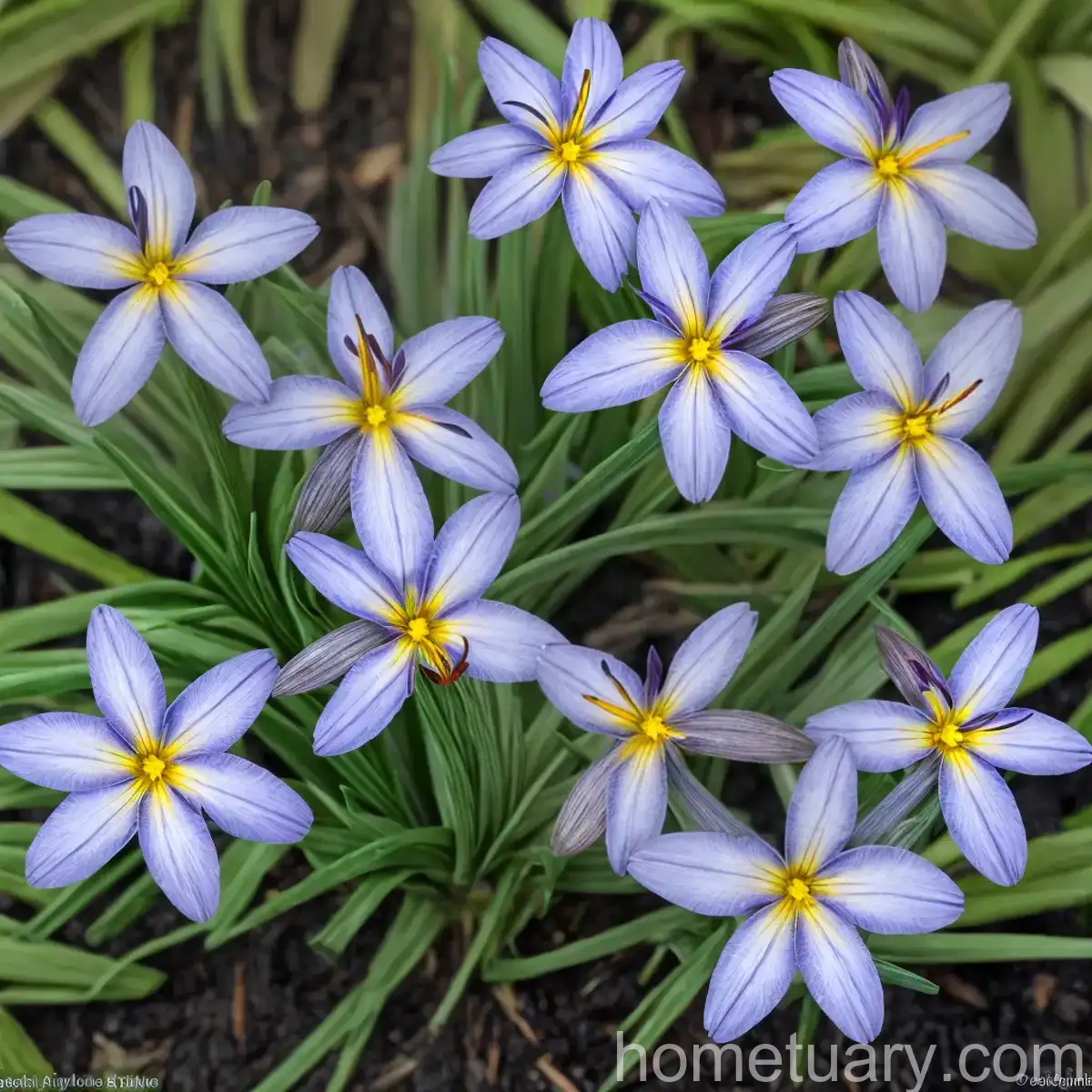
Prairie blue-eyed grass, scientifically known as Sisyrinchium campestre, is a delightful and charming perennial plant that belongs to the Iris family, Iridaceae. This beautiful plant is native to North America and is known for its striking blue flowers and grass-like foliage. In this comprehensive guide, we will delve into the various aspects of prairie blue-eyed grass, including its culture, uses, watering needs, sunlight requirements, soil preferences, pruning techniques, propagation, common diseases, pests, and much more. Whether you are a novice gardener or an experienced horticulturist, this article will provide you with valuable insights into the care and cultivation of prairie blue-eyed grass.
Plant Profile
- Scientific Name: Sisyrinchium campestre
- Common Name: Prairie Blue-Eyed Grass
- Plant Type: Perennial
- Family: Iridaceae
- Native: North America
Culture
Prairie blue-eyed grass is a relatively low-maintenance plant, making it an ideal choice for both novice and experienced gardeners. The following sections will provide detailed information on the various cultural aspects of growing and caring for this charming plant.
Uses
Prairie blue-eyed grass is a versatile plant that can be used in a variety of landscaping settings and applications. From ornamental gardens to naturalized landscapes, this plant offers both aesthetic and ecological benefits.
-
Ornamental Gardens: The striking blue flowers of prairie blue-eyed grass make it a popular choice for ornamental gardens. Whether planted as a border plant or incorporated into mixed perennial beds, this plant adds a pop of color and visual interest to the landscape.
-
Naturalized Landscapes: Due to its native status and adaptability, prairie blue-eyed grass is well-suited for naturalized landscapes, prairie restorations, and wildflower meadows. It contributes to the restoration of native plant communities and provides valuable habitat for pollinators and wildlife.
-
Cut Flowers: The delicate and elegant flowers of prairie blue-eyed grass can be used in cut flower arrangements, adding a touch of natural beauty to indoor spaces.
Water
Prairie blue-eyed grass exhibits moderate water needs and is well-adapted to average moisture conditions. While it can tolerate periods of dryness, especially once established, regular watering is essential during the establishment phase and prolonged dry spells.
-
Watering Needs: During the growing season, water the plant regularly, especially during dry periods, to maintain even soil moisture. Avoid overwatering, as this can lead to waterlogged conditions, which may be detrimental to the plant’s health.
-
Establishment Phase: Newly planted prairie blue-eyed grass should be monitored closely and watered regularly to ensure that the roots establish successfully. Once the plant shows signs of robust growth, gradually taper the watering frequency.
-
Drought Tolerance: Once established, prairie blue-eyed grass exhibits good drought tolerance and can withstand periods of reduced rainfall. However, during prolonged drought, supplemental watering may be necessary to maintain the plant’s vitality.
Sunlight
Proper sunlight is crucial for the healthy growth and flowering of prairie blue-eyed grass. This plant thrives in full sun to partial shade and can adapt to various light conditions, making it a versatile choice for different garden settings.
-
Sunlight Requirements: Plant prairie blue-eyed grass in a location that receives full sun to partial shade. In regions with hot summer temperatures, partial shade during the peak afternoon hours can help protect the plant from excessive heat and sun exposure.
-
Shade Tolerance: While prairie blue-eyed grass prefers full sun, it can tolerate partial shade and will still produce flowers and maintain healthy foliage in such conditions. However, prolonged low-light conditions may impact flowering and overall vigor.
-
Optimal Sun Exposure: To ensure robust growth and prolific flowering, aim to provide the plant with at least 6 hours of direct sunlight per day. Well-drained soil and ample sunlight will promote the best performance from prairie blue-eyed grass.
Fertilizer
Proper fertilization can support the growth and overall health of prairie blue-eyed grass. While this plant is not overly demanding in terms of nutrient requirements, a balanced fertilizer application can provide the necessary nutrition for optimal performance.
-
Fertilizer Type: Apply a balanced, all-purpose fertilizer in early spring to support the initial growth and development of prairie blue-eyed grass. A slow-release fertilizer can provide continuous nutrition over an extended period, reducing the need for frequent applications.
-
Application Rate: Follow the manufacturer’s instructions regarding the recommended application rate for the specific fertilizer product. Avoid over-fertilization, as excessive nutrients can lead to lush foliage at the expense of flower production.
-
Organic Options: Organic fertilizers, such as compost and well-rotted manure, can be used to enrich the soil and provide a natural source of nutrients for prairie blue-eyed grass. These organic amendments contribute to soil health and fertility over time.
Soil
The choice of soil and its preparation are essential factors in the successful cultivation of prairie blue-eyed grass. This plant has specific soil preferences that contribute to its overall vigor and longevity.
-
Soil Type: Plant prairie blue-eyed grass in well-drained soil with a loamy or sandy texture. Avoid heavy clay soils, as they can lead to waterlogged conditions and impede root development.
-
Soil pH: Prairie blue-eyed grass prefers slightly acidic to neutral soil, with a pH range of 6.0 to 7.0 being ideal. Conduct a soil test to determine the pH of the planting site and make any necessary amendments to achieve the desired pH level.
-
Soil Preparation: Prior to planting, loosen the soil to a depth of 12-18 inches and incorporate organic matter, such as compost, to improve soil structure and fertility. Amending the soil with organic matter enhances drainage and provides essential nutrients for the plant.
Pruning
Pruning plays a crucial role in maintaining the attractive appearance of prairie blue-eyed grass and promoting healthy growth. Proper pruning techniques help manage the plant’s size, remove spent foliage, and encourage the development of new flowers.
-
Deadheading: Regular deadheading of spent flowers can prolong the blooming period of prairie blue-eyed grass and prevent the plant from expending energy on seed production. Use clean and sharp pruners to remove faded flowers at their base.
-
Foliage Maintenance: Trim back any discolored or damaged foliage to maintain a tidy and healthy appearance. Removing dead or yellowing leaves promotes air circulation and reduces the risk of disease development.
-
Seasonal Pruning: In late winter or early spring, prune back the old foliage to ground level to make way for the emergence of new growth. This rejuvenation pruning helps maintain the plant’s vigor and encourages a fresh flush of foliage and flowers.
Using the right pruning tools, such as sharp bypass pruners or garden scissors, ensures clean cuts and minimizes the risk of damage to the plant.
Propagation
The propagation of prairie blue-eyed grass allows gardeners to expand their plantings and share this charming species with others. Understanding the various propagation methods is essential for successfully raising new plants from existing ones.
Division
Division is a reliable and straightforward method of propagating prairie blue-eyed grass, especially for mature clumps that have become overcrowded or require rejuvenation.
-
Timing: Divide established clumps of prairie blue-eyed grass in early spring before active growth resumes. This timing allows the divided segments to establish and acclimate before the onset of the growing season.
-
Procedure: Carefully dig up the clump, ensuring that the root system remains intact. Using a sharp and sterile knife or garden spade, divide the clump into smaller sections, ensuring that each division has healthy roots and sufficient foliage.
-
Replanting: Plant the divided segments at the desired location, ensuring adequate spacing to accommodate their eventual growth. Water them thoroughly after replanting to promote root establishment.
Seed Propagation
While prairie blue-eyed grass can be grown from seeds, this method requires patience and careful attention to the specific seed propagation requirements of the plant.
-
Seed Collection: Harvest mature seeds from the plant after the flowering period. Allow the seed pods to ripen and dry on the plant before carefully collecting the seeds for propagation.
-
Seed Preparation: Clean the seeds to remove any debris or chaff and store them in a cool, dry place until the optimal sowing time.
-
Sowing: Sow the seeds in prepared soil in the desired location during the fall or early spring. Lightly press the seeds into the soil surface and provide light moisture to initiate germination.
-
Germination Period: Prairie blue-eyed grass seeds may take several weeks to germinate, and patience is key during this initial growth phase. Maintain consistent soil moisture and provide suitable environmental conditions to support seedling development.
Popularity
Prairie blue-eyed grass has garnered popularity among gardeners and landscapers due to its captivating blooms, adaptability, and ecological value. Its resilient nature and aesthetic appeal make it a desirable addition to various garden settings.
-
Ornamental Value: The striking blue flowers and graceful foliage of prairie blue-eyed grass contribute to its widespread popularity as an ornamental plant. It adds a touch of natural beauty to gardens, landscapes, and floral arrangements.
-
Ecological Benefits: As a native plant, prairie blue-eyed grass supports biodiversity, provides food sources for pollinators, and contributes to the restoration of native habitats. Its resilience and adaptability make it a valuable component of sustainable and wildlife-friendly landscapes.
-
Landscaping Versatility: From formal gardens to prairie restorations, prairie blue-eyed grass offers versatility in landscaping applications. It can be used as a focal point in perennial beds, incorporated into naturalized settings, or planted en masse for a stunning visual impact.
Common Diseases
While prairie blue-eyed grass exhibits overall resilience, it may be susceptible to certain diseases and disorders that can impact its health and appearance. Understanding these potential issues is crucial for proactive management and care of the plant.
Disease Diagnosis
Identifying and addressing diseases promptly is essential for preventing the spread and escalation of issues within the plant population.
-
Fungal Diseases: Prairie blue-eyed grass may be vulnerable to fungal infections, particularly under conditions of excessive moisture and poor air circulation. Common fungal diseases include leaf spot, powdery mildew, and root rot.
-
Viral Infections: Viral diseases can affect the overall vigor and appearance of prairie blue-eyed grass. Symptoms may include stunted growth, leaf yellowing, and mottling patterns on the foliage.
-
Bacterial Conditions: Bacterial diseases, such as bacterial leaf scorch, can impact the health and viability of prairie blue-eyed grass. Visual symptoms may include leaf necrosis, wilting, and overall decline in plant vigor.
Prevention and Management
Implementing proactive measures to prevent diseases and address early symptoms is crucial for maintaining the health and vitality of prairie blue-eyed grass.
-
Cultural Practices: Promote good air circulation around the plants by providing adequate spacing and avoiding overcrowding. Ensure proper drainage to prevent waterlogged conditions that can contribute to fungal issues.
-
Sanitation: Regularly remove and dispose of any diseased or damaged plant material to prevent the spread of pathogens. Clean and disinfect pruning tools between uses to minimize the risk of disease transmission.
-
Resistant Varieties: Select cultivars of prairie blue-eyed grass that demonstrate improved resistance to common diseases prevalent in your region. Disease-resistant varieties can offer added protection and resilience against various pathogens.
-
Fungicidal Treatments: In cases where fungal diseases pose a recurring threat, consider using fungicidal treatments according to the manufacturer’s instructions. Application timing and frequency should align with the specific disease pressure and plant growth stage.
Common Pests
While prairie blue-eyed grass is relatively resistant to pest infestations, it may encounter certain insect pests that can impact its growth and aesthetic appeal. Recognizing these pests and implementing appropriate control measures is essential for managing their populations effectively.
Pest Identification
Identifying the specific pests that target prairie blue-eyed grass is the first step in devising an integrated pest management strategy.
-
Aphids: These small, sap-sucking insects may cluster on the tender shoots and developing flower buds of prairie blue-eyed grass, causing distortion and discoloration of the foliage.
-
Thrips: Thrips are slender insects that feed on the plant’s tissues, leading to silvery stippling and the distortion of leaves and flower petals. They may also transmit viral diseases to the plant.
-
Spider Mites: These tiny arachnids can infest prairie blue-eyed grass, particularly during hot and dry conditions, and cause stippling and webbing on the foliage.
Pest Control Strategies
Effective pest control relies on a combination of preventive measures, early detection, and targeted interventions to manage pest populations without causing harm to beneficial organisms.
-
Beneficial Insects: Encourage the presence of natural predators, such as ladybugs and lacewings, that feed on aphids and other small pests. Planting nectar-rich flowers can attract beneficial insects to the garden.
-
Horticultural Oils: Use horticultural oils to manage pest populations, particularly aphids and spider mites, by suffocating and disrupting their life cycles. Apply the oils according to the recommended dilution rates and timing.
-
Integrated Pest Management (IPM): Implement an IPM approach that combines cultural practices, biological controls, and targeted pesticide applications when necessary. Regular monitoring of the plant for pest activity is essential for early intervention.
-
Organic Remedies: Utilize organic pest control methods, such as insecticidal soaps and neem oil, to manage common pests while minimizing the impact on beneficial insects and the overall ecosystem.
Botanist’s Tips
As a plant scientist specializing in the cultivation of prairie blue-eyed grass, I have compiled a set of expert tips to support the successful growth and care of this charming perennial plant.
-
Mulching: Apply a layer of organic mulch, such as shredded bark or compost, around the base of prairie blue-eyed grass to conserve soil moisture, suppress weed growth, and insulate the roots from temperature extremes.
-
Companion Planting: Pair prairie blue-eyed grass with complementary companion plants that share similar cultural requirements and create visually appealing combinations. Options include native grasses, coneflowers, black-eyed Susans, and salvia.
-
Wildlife Habitat: Embrace prairie blue-eyed grass as a valuable component of wildlife-friendly gardens and landscapes. Its nectar-rich flowers attract pollinators, and the grass-like foliage provides cover for small creatures.
-
Seasonal Maintenance: Conduct periodic assessments of prairie blue-eyed grass to identify any signs of disease, pests, or cultural issues. Address any concerns promptly to maintain the plant’s health and longevity.
-
Native Plant Landscapes: Integrate prairie blue-eyed grass into native plant landscapes and restoration projects to contribute to the preservation and enhancement of regional biodiversity.
Fun Facts
Uncover some intriguing and fascinating aspects of prairie blue-eyed grass that showcase its unique qualities and ecological significance.
-
Ethnobotanical Uses: Historically, certain Native American tribes used the roots of blue-eyed grass species for medicinal purposes, including the treatment of eye ailments and internal disorders.
-
Ecological Role: Prairie blue-eyed grass serves as a valuable native plant in wetland habitats, prairies, and open woodland settings, contributing to the ecological balance and supporting diverse wildlife populations.
-
Symbolic Significance: In various cultures, blue flowers are associated with qualities such as tranquility, calmness, and spiritual depth, adding symbolic meaning to prairie blue-eyed grass in the context of ornamental and cultural practices.
Links to External Resources
For further exploration of prairie blue-eyed grass and related topics, consider exploring the following external resources:
By accessing these resources, you can gain insights from plant enthusiasts, horticultural organizations, and botanical experts who share a passion for native plants, conservation, and ecological gardening practices.
In conclusion, prairie blue-eyed grass (Sisyrinchium campestre) is a captivating and ecologically valuable perennial plant that offers an array of ornamental, cultural, and ecological benefits. From its charming blue flowers to its adaptability in diverse landscapes, this native species is deserving of admiration and thoughtful cultivation. By applying the insights and recommendations presented in this guide, you can embark on a rewarding journey of growing, appreciating, and promoting the beauty and significance of prairie blue-eyed grass in your own gardening endeavors.