Blue-Eyed Grass (Sisyrinchium angustifolium): A Beautiful and Versatile Plant
Plants have been a source of fascination and inspiration for countless generations. In today’s increasingly urbanized world, the importance of reconnecting with nature has never been greater. Gardening and horticulture not only fulfill this need for a connection to the natural world but also provide numerous practical benefits, from enhancing the aesthetic appeal of our surroundings to promoting biodiversity and sustainability.
In this blog post, we will explore the blue-eyed grass (Sisyrinchium angustifolium), a delightful and versatile plant that is not only visually captivating but also relatively easy to cultivate. We will delve into its cultural significance, uses, growth requirements, and maintenance, offering valuable insights for both novice and experienced gardeners. Additionally, we will discuss the plant’s ecosystem benefits, and provide guidance on addressing common diseases and pests. Without further ado, let’s embark on a journey into the world of the blue-eyed grass!
What is Blue-Eyed Grass?
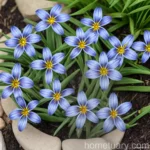
Blue-eyed grass, scientifically known as Sisyrinchium angustifolium, is a perennial flowering plant belonging to the Iris family, Iridaceae. Despite its common name, it is not actually a grass but rather a member of the iris family. This charming and delicate-looking plant is native to the eastern and central regions of North America and is renowned for its vibrant blue to purple flowers, which bear a striking resemblance to the blooms of true irises.
The plant derives its common name, “blue-eyed grass,” from the small, yellow, or white markings at the base of its petals, which create the illusion of a ‘blue eye’ at the center of the flower. In addition to its enchanting blossoms, blue-eyed grass also features slender, grass-like foliage, adding to its visual appeal and making it a desirable addition to gardens and landscapes.
Key Takeaways – Blue-Eyed Grass (Sisyrinchium angustifolium)
Before we delve further into the specifics of blue-eyed grass cultivation and care, let’s summarize some essential points about this captivating plant.
- Scientific Name: Sisyrinchium angustifolium
- Common Name: Blue-eyed grass
- Plant Type: Perennial flowering plant
- Family: Iridaceae
- Native Range: Eastern and central regions of North America
- Distinctive Feature: Striking blue to purple flowers with yellow or white markings at the base of the petals
- Foliage: Slender, grass-like leaves
- Cultural Significance: Admired for its ornamental value in gardens and natural landscapes
With these key takeaways in mind, let’s explore the in-depth aspects of cultivating and appreciating blue-eyed grass in various settings and scenarios.
Culture
Cultivating blue-eyed grass can be an immensely rewarding experience, whether in a garden, a naturalized setting, or a container. Understanding the plant’s cultural requirements is crucial for ensuring its healthy growth and prolific flowering. Let’s examine the various cultural aspects essential for successfully nurturing blue-eyed grass.
Uses
Blue-eyed grass holds significant horticultural and ecological value, serving a range of purposes in different contexts. Its uses can be categorized as follows:
- Ornamental Use: Blue-eyed grass is widely appreciated for its ornamental value, often incorporated into perennial borders, rock gardens, and wildflower meadows to introduce vibrant color and a textural contrast.
- Natural Landscaping: In naturalized landscapes and native plant gardens, blue-eyed grass contributes to enhancing biodiversity, supporting pollinators, and fostering a sense of ecological harmony.
- Container Gardening: The plant’s compact size and striking flowers make it a desirable candidate for container gardening, adding a touch of natural beauty to patios, balconies, and other confined spaces.
Understanding these diverse uses underscores the versatility of blue-eyed grass and its potential to enliven and enrich a wide range of environments.
Water
Proper watering is crucial for the health and vitality of blue-eyed grass, ensuring that it thrives and produces an abundance of colorful blooms. The following water-related considerations are essential:
- Moisture Requirements: Blue-eyed grass thrives in moderately moist soil, especially during its active growth periods. While it tolerates brief periods of drought, consistently dry conditions can impede its growth and flowering.
- Watering Frequency: Depending on the prevailing weather conditions and soil moisture levels, it is advisable to water the plant thoroughly when the top inch of soil feels dry to the touch. Avoid overwatering to prevent waterlogging, as excessive moisture can lead to root rot.
By attentively managing the plant’s water needs, gardeners can facilitate its flourishing and contribute to vibrant, profuse blooms.
Sunlight
Ensuring adequate sunlight is another pivotal aspect of blue-eyed grass cultivation, as the plant’s flowering and overall vigor are directly influenced by light exposure. Consider the following guidelines when addressing sunlight requirements:
- Sun Exposure: Blue-eyed grass thrives in locations with full to partial sunlight, exhibiting the best growth and flowering performance when provided with 6 to 8 hours of direct sunlight each day. In regions with intense summer heat, partial shade during the hottest part of the day can be beneficial.
- Shade Tolerance: While the plant prefers ample sunlight, it can tolerate moderate shade, particularly in regions with scorching summers or when planted beneath taller garden companions. However, reduced light levels may lead to diminished flowering.
By strategically siting blue-eyed grass in sunlit areas and accounting for its shade tolerance, gardeners can optimize its growing conditions and reap the rewards of abundant blossoms.
Fertilizer
Applying appropriate fertilizer can support the robust growth and prolific flowering of blue-eyed grass, bolstering its overall health and longevity. Here are essential considerations relating to fertilizer application:
- Nutrient Requirements: Blue-eyed grass generally exhibits moderate nutrient requirements, benefiting from a balanced, all-purpose fertilizer formulated for flowering perennials. Selecting a fertilizer with a balanced NPK ratio (e.g., 10-10-10) ensures that the plant receives vital macronutrients and micronutrients.
- Application Timing: Apply fertilizer to blue-eyed grass in early spring, just as new growth begins to emerge. A single application at this time can provide the necessary nutrients to fuel the plant’s development and support robust flowering throughout the growing season.
By supplying appropriate fertilizer, gardeners can promote the vigor and resilience of blue-eyed grass, facilitating its capacity to produce an abundance of captivating blossoms.
Soil
Understanding and addressing the soil requirements of blue-eyed grass are pivotal for establishing an optimal growing environment and fostering the plant’s health and vitality. Take note of the following soil-related considerations:
- Soil Type: Blue-eyed grass thrives in well-draining, loamy soil with a slightly acidic to neutral pH ranging from 6.0 to 7.0. Avoid heavy, clayey soils, as they can impede drainage and result in waterlogged conditions that are detrimental to the plant’s root system.
- Soil Moisture: While the plant appreciates moderately moist soil, it is essential for the soil to drain efficiently, preventing the accumulation of excess moisture around the roots. Amending heavy soils with organic matter, such as compost or peat moss, can enhance drainage and improve soil structure.
By selecting an appropriate growing medium and ensuring favorable soil conditions, gardeners can lay the foundation for the successful cultivation of blue-eyed grass.
Pruning
Pruning is a valuable practice for maintaining the aesthetics and overall health of blue-eyed grass, allowing gardeners to manage its growth and rejuvenate the plant as needed. Consider the following guidelines regarding pruning:
- Deadheading: Remove spent flowers promptly to encourage continuous blooming and prevent the plant from expending energy on seed production. Deadheading also maintains the plant’s visual appeal and promotes a tidy appearance.
- Foliage Maintenance: Trimming back any discolored or withered foliage helps to maintain the plant’s neat and attractive appearance, as well as minimize the risk of disease and pest issues. Use clean, sharp pruners to make precise cuts and avoid damaging the healthy portions of the plant.
Through conscientious pruning and deadheading, gardeners can promote the ongoing vitality and aesthetic appeal of blue-eyed grass, ensuring that it remains an enchanting presence in the garden.
Propagation
Propagating blue-eyed grass offers an opportunity to multiply the plant and expand its presence in various garden settings. Gardeners can employ two primary propagation methods: division and seed sowing.
Division
- Timing: In early spring or late summer, lift established blue-eyed grass clumps and carefully divide them into smaller sections, each with a portion of the root system and several healthy shoots.
- Replanting: Immediately replant the divided sections in prepared soil, ensuring that the root systems are adequately covered and the soil is gently firmed around the base of the plants. Provide consistent moisture to support their establishment and subsequent growth.
Seed Sowing
- Harvesting Seeds: Collect mature blue-eyed grass seeds when the seed capsules have turned brown and are beginning to split. Remove the seeds from the capsules and store them in a dry, cool location until the optimal sowing time.
- Sowing Procedure: Sow the seeds in prepared soil in the garden or in containers in early spring or fall, covering them lightly with a thin layer of soil. Maintain consistent moisture to facilitate germination and seedling establishment.
By employing these propagation techniques, gardeners can propagate blue-eyed grass effectively, expanding their plant collection and sharing the beauty of this captivating species with others.
Container Popularity
Blue-eyed grass is well-suited for container cultivation, enabling gardeners to appreciate its beauty and charm in a confined space. Its compact size, ornamental value, and low maintenance requirements contribute to its popularity in container gardening. When selecting containers for blue-eyed grass, opt for well-draining pots with adequate depth to accommodate the plant’s root system. This ensures that the plant’s growth and flowering potential are not compromised by restricted root development.
Common Diseases
Though generally resilient, blue-eyed grass is susceptible to certain diseases that can compromise its growth and aesthetics. Understanding the symptoms and management strategies for these ailments is essential for maintaining the plant’s vigor and health.
Disease Diagnosis
- Leaf Spot: Leaf spot diseases may manifest as small, dark spots on the foliage, often surrounded by yellow halos. If left unchecked, these spots can coalesce, leading to extensive leaf discoloration and defoliation.
-
Management: Remove and destroy affected foliage promptly to curtail the spread of the disease. Ensure good air circulation around the plant and avoid overhead watering to minimize moisture on the foliage.
-
Powdery Mildew: Powdery mildew appears as a powdery, white coating on the leaves and stems, signaling a fungal infection that can diminish the plant’s vigor and aesthetics.
- Management: Apply a suitable fungicidal spray, following the manufacturer’s recommendations, to control powdery mildew. Dutifully remove and discard any heavily infected plant material to mitigate the disease’s impact.
By promptly diagnosing and addressing these and other potential diseases, gardeners can safeguard the health and appeal of blue-eyed grass, ensuring its continued splendor in the garden.
Common Pests
While generally pest-resistant, blue-eyed grass can occasionally fall prey to certain insect pests that can detract from its beauty and impair its vitality. Familiarize yourself with these potential pests and adopt suitable control measures to preserve the plant’s health.
Botanist’s Tips
To optimize the growth and flowering of blue-eyed grass, consider the following botanical insights and gardening tips:
- Companion Planting: Pair blue-eyed grass with complementary companions such as coreopsis, salvia, and ornamental grasses to create captivating garden combinations and enhance its visual impact.
- Mulching: Apply a layer of organic mulch, such as shredded bark or leaf mold, around the base of blue-eyed grass to conserve soil moisture, suppress weed growth, and insulate the root zone.
By heeding these botanist’s tips, gardeners can foster the thriving development of blue-eyed grass and harness its full ornamental potential.
Fun Facts
Uncover some intriguing and captivating fun facts about blue-eyed grass:
- Blue-eyed grass is named for its striking blue to purple flowers, which are adorned with yellow or white markings at the base of the petals, creating the illusion of a ‘blue eye’ within each blossom.
- Despite its common name, blue-eyed grass is not a true grass but belongs to the Iris family, sharing botanical ties with irises, crocuses, and orchids.
- The plant’s scientific name, Sisyrinchium, is derived from the Greek words “sys,” meaning pig, and “rhynchos,” meaning snout, possibly alluding to the shape of the seed capsules.
- Blue-eyed grass is a valuable source of nectar for various pollinators, including bees, butterflies, and other beneficial insects, contributing to the ecological fabric of its native habitats.
These fun facts shed light on the captivating characteristics and ecological significance of blue-eyed grass, enriching our appreciation of this remarkable plant.
Links to External Resources
To further expand your knowledge and insights into blue-eyed grass, explore the resources provided below:
- The American Horticultural Society’s Encyclopedia of Garden Plants
- United States Department of Agriculture (USDA) Plant Database
- Royal Horticultural Society (RHS) Plant Finder
In Conclusion
Blue-eyed grass (Sisyrinchium angustifolium) stands as a captivating and versatile plant, eminent for its alluring blossoms, graceful foliage, and ecological value. Cultivating this enchanting species offers an avenue for enhancing the aesthetics and biodiversity of gardens, natural landscapes, and container displays. By comprehensively understanding and addressing its cultural requirements, uses, propagation techniques, and common disease and pest issues, gardeners can embrace the rewarding experience of nurturing and appreciating blue-eyed grass in various settings.
Through this blog post, we have embarked on a journey into the world of blue-eyed grass, uncovering its noteworthy attributes, cultural significance, and practical guidance for successful cultivation and enjoyment. As we celebrate the beauty and resilience of blue-eyed grass, let us continue to cultivate and cherish the diverse array of plant species that enrich our lives, our environments, and our connections to the natural world.
Remember – with its distinctive charm and adaptability, blue-eyed grass offers a captivating and endearing presence in gardens, highlighting the timeless allure and wonder of the plant kingdom. Embrace the beauty of blue-eyed grass, and let its enchanting blossoms and steadfast tenacity inspire and uplift your horticultural endeavors.
Plant Name: “blue-eyed grass (Sisyrinchium angustifolium)”
Keywords: Blue-eyed grass plant, Sisyrinchium angustifolium, Blue-eyed grass care, Growing blue-eyed grass, Sisyrinchium angustifolium cultivation, Blue-eyed grass varieties, Blue-eyed grass garden tips, Sisyrinchium angustifolium planting, How to propagate blue-eyed grass, Blue-eyed grass in landscaping, Sisyrinchium angustifolium maintenance, Blue-eyed grass landscape design, Sisyrinchium angustifolium characteristics, Blue-eyed grass in pots, Sisyrinchium angustifolium watering, Blue-eyed grass natural habitat, Sisyrinchium angustifolium soil requirements, Blue-eyed grass pruning techniques, Sisyrinchium angustifolium pests and diseases, Blue-eyed grass for pollinators, Sisyrinchium angustifolium companion plants, Blue-eyed grass seasonal interest, Sisyrinchium angustifolium garden uses, Blue-eyed grass hardiness, Sisyrinchium angustifolium bloom time, Blue-eyed grass sun exposure, Sisyrinchium angustifolium growth rate, Blue-eyed grass native habitat, Sisyrinchium angustifolium medicinal properties, Blue-eyed grass folklore and symbolism, Sisyrinchium angustifolium landscape integration, Blue-eyed grass container gardening, Sisyrinchium angustifolium propagation methods, Blue-eyed grass water requirements, Sisyrinchium angustifolium wildlife benefits, Blue-eyed grass garden border ideas, Sisyrinchium angustifolium naturalize, Blue-eyed grass soil pH preferences, Sisyrinchium angustifolium ornamental uses, Blue-eyed grass seasonal color changes, Sisyrinchium angustifolium deer-resistant, Blue-eyed grass drought tolerance, Sisyrinchium angustifolium container-friendly, Blue-eyed grass plant combinations, Sisyrinchium angustifolium groundcover, Blue-eyed grass foliage texture, Sisyrinchium angustifolium dividing tips, Blue-eyed grass landscape focal point, Sisyrinchium angustifolium low-maintenance, Blue-eyed grass garden arrangements