Sisyrinchium (Sisyrinchium ‘Quaint and Queer’): A Unique and Versatile Plant for Your Garden
Sisyrinchium, commonly known as blue-eyed grass, is a diverse genus of plants that are native to the Americas. These plants are loved for their delicate and charming appearance, making them a popular choice among gardeners and landscapers. One particularly fascinating variety within the Sisyrinchium genus is the ‘Quaint and Queer’ cultivar. In this comprehensive guide, we will explore the characteristics, care, and uses of sisyrinchium (Sisyrinchium ‘Quaint and Queer’).
What is Sisyrinchium (Sisyrinchium ‘Quaint and Queer’)?
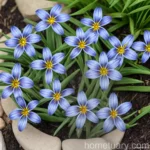
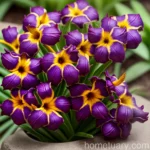
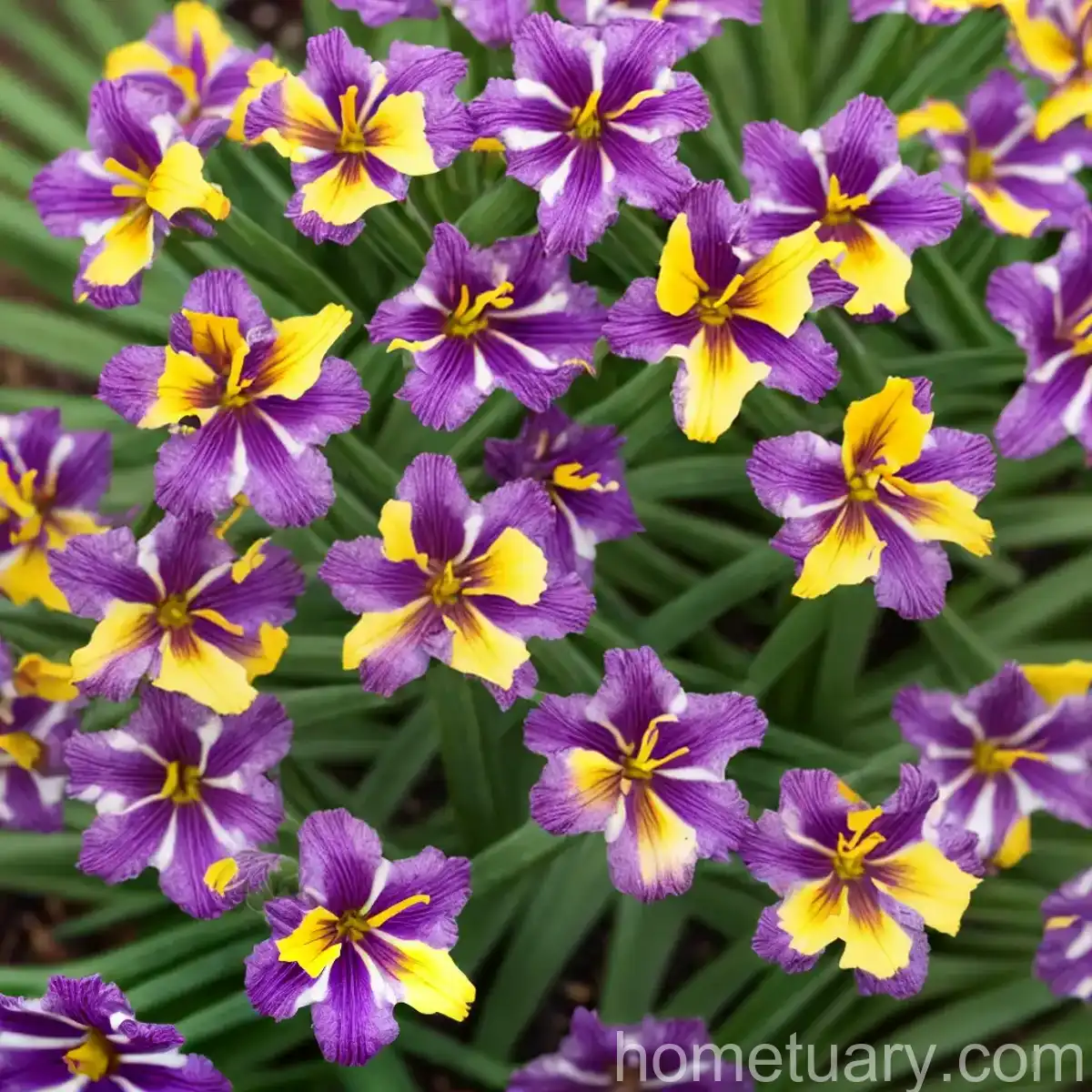
The Sisyrinchium ‘Quaint and Queer’ is a cultivar of the Sisyrinchium genus, known for its unique and versatile features. This perennial plant is celebrated for its compact growth, showy flowers, and ornamental grass-like foliage. With its resilience and adaptability, it is a wonderful addition to various landscapes, from wildflower gardens to urban green spaces.
Key Takeaways – Sisyrinchium (Sisyrinchium ‘Quaint and Queer’)
Before delving into the details of caring for Sisyrinchium ‘Quaint and Queer’, here are the key takeaways:
- Botanical Name: Sisyrinchium ‘Quaint and Queer’
- Common Name: Blue-eyed grass
- Type: Perennial
- Mature Size: 6-12 inches tall and wide
- Exposure: Full sun to partial shade
- Bloom Time: Late spring to early summer
- Water Needs: Moderate
- Maintenance: Low
Culture
Uses
Sisyrinchium ‘Quaint and Queer’ has a wide range of uses in landscaping and gardening, owing to its unique characteristics. Some common uses of this plant include:
- Garden Borders: The compact and colorful nature of Sisyrinchium ‘Quaint and Queer’ makes it an excellent choice for border plantings, adding a delightful pop of color to garden edges.
- Rock Gardens: Its low-growing habit and vibrant blooms make it a perfect fit for rock gardens, where it can thrive in well-drained soils and full sun.
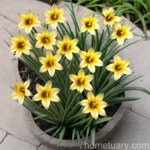
- Container Planting: The adaptable nature of this plant makes it suitable for container gardening, providing an attractive and versatile option for patio or balcony displays.
- Groundcover: In areas where a low-maintenance groundcover is desired, Sisyrinchium ‘Quaint and Queer’ can be an excellent choice, spreading gently and adding visual interest to the landscape.
Water
Sisyrinchium ‘Quaint and Queer’ has moderate water needs, making it well-suited to various garden settings. As a general guideline, ensure that the plant receives consistent moisture during the growing season, while allowing the soil to dry out slightly between watering sessions. Avoid overwatering, as this can lead to root rot and other issues.
Sunlight
This plant thrives in full sun to partial shade, displaying the best flower production and coloration when provided with ample sunlight. When grown in shadier conditions, it may result in reduced flowering and leggy growth. Therefore, aim to position Sisyrinchium ‘Quaint and Queer’ in locations where it can receive at least 6 hours of direct sunlight each day for optimal performance.
Fertilizer
When it comes to fertilizing Sisyrinchium ‘Quaint and Queer’, a balanced, all-purpose fertilizer can be applied in early spring to support healthy growth and abundant blooms. Follow the recommended application rates provided on the fertilizer packaging and avoid over-fertilization, as this can lead to excessive foliage growth at the expense of flowering.
Soil
The ‘Quaint and Queer’ cultivar thrives in well-drained soils with a slightly acidic to neutral pH. Consider amending heavy or compacted soils with organic matter to improve drainage and soil structure. Additionally, a top dressing of mulch can help retain soil moisture and suppress weed growth, contributing to the overall health of the plant.
Pruning
Keeping Sisyrinchium ‘Quaint and Queer’ tidy and well-maintained is relatively simple. The plant may benefit from periodic deadheading, which involves the removal of spent flowers to encourage continued blooming and a neat appearance. Additionally, any damaged or yellowing foliage can be trimmed back to promote fresh growth and enhance the plant’s aesthetic appeal.
Propagation
Sisyrinchium ‘Quaint and Queer’ can be propagated through division, making it possible to expand your plant collection or share it with fellow gardening enthusiasts. Division is best carried out in early spring or fall when the plant is not in active growth. Carefully dig up the plant, separate the root clumps, and replant the divisions in prepared soil, ensuring they are watered thoroughly.
Container Popularity
The versatility and compact growth habit of Sisyrinchium ‘Quaint and Queer’ make it a popular choice for container gardening. Whether grown in individual containers or combined with other compatible plants in mixed arrangements, this variety adds a charming and eye-catching element to outdoor spaces. When planting in containers, ensure the pots have adequate drainage and use a well-draining potting mix to support healthy root development.
Common Diseases
Sisyrinchium ‘Quaint and Queer’ is generally resistant to many common plant diseases; however, it is still important to be mindful of potential issues that may arise. Some of the diseases that can affect this plant include:
- Leaf Spot: Caused by fungal pathogens, leaf spot may manifest as dark or discolored spots on the leaves, potentially leading to leaf yellowing and defoliation.
- Root Rot: Excessive moisture or poor drainage can contribute to root rot, resulting in wilting, yellowing, and overall decline of the plant.
It is essential to practice good cultural practices, including providing proper air circulation, avoiding overhead watering, and maintaining soil drainage, to prevent the onset and spread of diseases in Sisyrinchium ‘Quaint and Queer’.
Disease Diagnosis
If you suspect that your Sisyrinchium ‘Quaint and Queer’ may be affected by a disease, carefully inspect the plant for any unusual symptoms such as leaf discoloration, spotting, or wilting. Additionally, observe the growing conditions and watering practices to identify any factors that may be contributing to the plant’s decline. If necessary, seek guidance from a local extension service or plant health professional for accurate diagnosis and treatment recommendations.
Common Pests
While Sisyrinchium ‘Quaint and Queer’ is relatively resistant to pest infestations, there are a few potential pests that may impact its health:
- Aphids: These tiny insects may cluster on new growth and buds, sucking plant sap and causing distortion or discoloration of leaves.
- Spider Mites: Spider mites are common pests that can affect Sisyrinchium plants, causing stippling and webbing on the foliage, particularly in hot and dry conditions.
Regular monitoring of the plant, especially during periods of stress or environmental changes, can help detect pest issues early. Consider using integrated pest management strategies or natural predators to manage pest populations and maintain the health of your plant.
Botanist’s Tips
As a plant scientist and enthusiast, I have some valuable tips for ensuring the optimal performance and health of Sisyrinchium ‘Quaint and Queer’:
- Soil Preparation: Prior to planting, invest time in preparing well-draining soil with organic matter to provide a conducive environment for healthy root development.
- Watering Practices: Maintain a consistent watering schedule, allowing the soil to slightly dry out between waterings to prevent issues associated with overwatering.
- Sun Exposure: Position the plant in a location that receives ample sunlight to encourage robust growth and prolific flowering.
- Mulching: Apply a layer of organic mulch around the base of the plant to conserve soil moisture, minimize weed growth, and insulate the roots from temperature fluctuations.
- Maintenance: Regularly inspect the plant for any signs of disease or pest infestations, and address any issues promptly to prevent widespread damage.
- Companion Planting: Consider companion planting with other low-maintenance, sun-loving perennials to create visually appealing and diverse garden displays.
Fun Facts
Here are some intriguing and delightful facts about Sisyrinchium ‘Quaint and Queer’:
- Native Habitat: The genus Sisyrinchium is native to the Americas, where various species can be found in a range of natural habitats, from meadows to woodland edges.
- Pollinator-Friendly: The charming flowers of this plant have the potential to attract and support pollinators such as bees, butterflies, and other beneficial insects, contributing to biodiversity in the garden.
- Drought-Tolerant: Sisyrinchium ‘Quaint and Queer’ exhibits good drought tolerance once established, making it a suitable option for low-water landscapes and eco-friendly gardening practices.
- Colorful Varieties: The Sisyrinchium genus encompasses numerous species and cultivars, featuring a diverse array of flower colors and forms, offering endless possibilities for garden design and artistic expression.
Links to External Resources
For further information on Sisyrinchium ‘Quaint and Queer’ and related topics, consider exploring the following external resources:
- The Royal Horticultural Society (RHS) Plant Selector
- Missouri Botanical Garden Plant Finder
- University of Florida IFAS Extension – Sisyrinchium spp. – Blue-Eyed Grass
In conclusion, Sisyrinchium ‘Quaint and Queer’ is a captivating and versatile plant that holds great appeal for gardeners and landscape enthusiasts. With its charming flowers, compact growth habit, and adaptability to diverse growing conditions, it offers an array of possibilities for enhancing gardens, borders, and container displays. By understanding and implementing the recommended care practices, you can enjoy the beauty and resilience of this unique perennial in your own green spaces.