Sempervivum Chick Charms� ‘Lotus Blossom’ (Hens and Chicks) – A Detailed Plant Guide
Sempervivum Chick Charms� ‘Lotus Blossom’ is a stunning succulent belonging to the Hens and Chicks family. This plant, known for its charming rosettes, is a popular choice among gardeners for its ease of care and unique aesthetic appeal. In this comprehensive guide, we will explore all aspects of this intriguing plant, from its cultural requirements to common pests and diseases, along with botanist’s tips and fun facts. By the end of this article, you will have a thorough understanding of how to successfully cultivate and maintain Sempervivum Chick Charms� ‘Lotus Blossom’ in your garden or container.
What is Sempervivum Chick Charms� ‘Lotus Blossom’ (Hens and Chicks)?
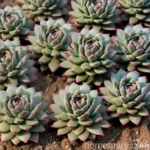
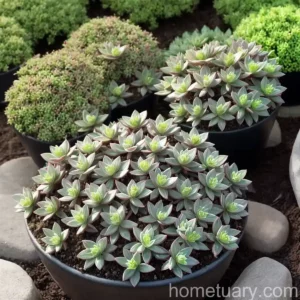
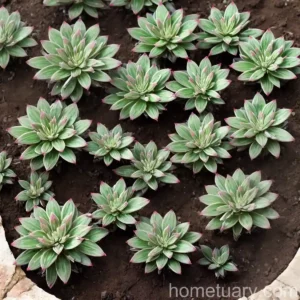
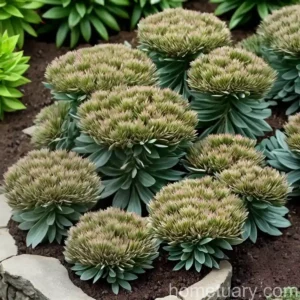
Sempervivum Chick Charms� ‘Lotus Blossom’ is a specific variety of the Sempervivum (Hens and Chicks) plant, characterized by its striking rosettes that emerge from a central point and spread outward, resembling a hen surrounded by her chicks. The name “Sempervivum” is derived from the Latin words “semper,” meaning “always,” and “vivus,” meaning “living,” reflecting the plant’s hardy nature and ability to thrive in various conditions. This succulent is known for its ability to form dense mats or clusters, making it an excellent choice for ground covers, rock gardens, and container arrangements.
Key Takeaways – Sempervivum Chick Charms� ‘Lotus Blossom’ (Hens and Chicks)
Before delving into the detailed aspects of Sempervivum Chick Charms� ‘Lotus Blossom’, let’s take a quick look at the key takeaways for this plant:
- Botanical Name: Sempervivum Chick Charms� ‘Lotus Blossom’
- Common Name: Hens and Chicks
- Variety: Lotus Blossom
- Family: Crassulaceae
- Plant Type: Succulent Perennial
Now, let’s explore each aspect of this plant in detail to understand its cultural requirements, uses, care tips, and more.
Culture
Uses
Sempervivum Chick Charms� ‘Lotus Blossom’ serves various practical and aesthetic purposes in gardening and landscaping:
-
Ground Cover: Due to its spreading nature, ‘Lotus Blossom’ makes an excellent ground cover for rock gardens, dry slopes, or as edging along paths and borders.
-
Container Gardens: Its compact growth habit makes it ideal for container arrangements, adding a touch of charm to patio gardens, succulent displays, and indoor settings.
-
Erosion Control: The dense mat-forming characteristic of Hens and Chicks aids in preventing soil erosion, making it a valuable addition to erosion-prone areas.
-
Rock Gardens: The low-growing and clustering nature of Sempervivum Chick Charms� ‘Lotus Blossom’ makes it well-suited for rock gardens, where it can thrive in the crevices of rocks, adding visual interest.
Water
Sempervivum Chick Charms� ‘Lotus Blossom’ is renowned for its drought tolerance, making it an excellent choice for water-wise gardens and landscapes. However, while the plant can withstand periods of dryness, it is essential to provide adequate water during its active growing season. The following watering guidelines will help ensure the optimal health of ‘Lotus Blossom’:
-
Summer Watering: During the hot summer months, water the plant thoroughly whenever the top inch of the soil becomes dry. Ensure that the water penetrates the soil to reach the roots.
-
Winter Watering: Reduce the frequency of watering in winter, allowing the soil to dry out partially between waterings. This helps prevent root rot, a common issue in succulents during the dormant period.
-
Container Care: If growing Sempervivum Chick Charms� ‘Lotus Blossom’ in containers, ensure that the pots have drainage holes to prevent waterlogging. Water the plant until the excess water drains out from the bottom, and empty the saucer to avoid water accumulation.
Sunlight
Proper sunlight is crucial for the healthy growth and vibrant coloration of Sempervivum Chick Charms� ‘Lotus Blossom’. Here are the sunlight requirements for this succulent:
-
Full Sun: ‘Lotus Blossom’ thrives in full sunlight, receiving at least 6-8 hours of direct sunlight each day. When grown in partial shade, the plant may become leggy, and its characteristic rosettes may lose some of their compactness.
-
Indoor Placement: If growing ‘Lotus Blossom’ indoors, place it near a bright south or west-facing window to ensure it receives the necessary sunlight. Supplemental grow lights can be used to provide adequate light if natural sunlight is limited.
Fertilizer
Sempervivum Chick Charms� ‘Lotus Blossom’ has minimal fertilizer requirements, and excessive feeding can be detrimental to its health. A light feeding regimen, coupled with the selection of the right type of fertilizer, will promote robust growth and abundant flowering. Consider the following fertilizer guidelines for ‘Lotus Blossom’:
-
Fertilizer Type: Use a balanced, water-soluble fertilizer with an N-P-K ratio of 10-10-10 or a specially formulated succulent fertilizer. Ensure that the fertilizer is diluted to half or quarter strength to prevent root burn.
-
Frequency: Apply fertilizer to ‘Lotus Blossom’ once every 4-6 weeks during the active growing season, typically from early spring to late summer. Avoid fertilizing during the winter dormancy period.
-
Application Method: Water the plant thoroughly a day before applying fertilizer to avoid stressing the roots. Then, apply the diluted fertilizer to the soil, avoiding direct contact with the rosettes.
Soil
Well-draining, gritty soil is a fundamental requirement for the successful cultivation of Sempervivum Chick Charms� ‘Lotus Blossom’. The following soil considerations will help create an optimal growing environment for this succulent:
-
Sandy Loam Mix: Prepare a well-draining soil mix by combining equal parts of coarse sand, perlite or pumice, and regular potting soil. This blend replicates the natural habitat of ‘Lotus Blossom’ and prevents water retention around the roots.
-
Raised Beds and Mounds: When planting ‘Lotus Blossom’ in the ground, create raised beds or mounds to further enhance the drainage. This is particularly beneficial in areas with heavy clay or compacted soil.
-
Soil pH: Maintain a slightly acidic to neutral soil pH range of 6.0-7.0 for optimal nutrient uptake and overall plant health. Regularly amend the soil with organic matter to improve its texture and nutrient content.
Pruning
The low-maintenance nature of Sempervivum Chick Charms� ‘Lotus Blossom’ eliminates the need for regular pruning. However, occasional maintenance tasks can help rejuvenate the plant and maintain its attractive appearance:
-
Deadheading: After flowering, remove the spent flower stalks by snipping them at the base with clean, sharp scissors or pruning shears. This encourages the plant to channel its energy into vegetative growth rather than seed production.
-
Rejuvenation: Over time, the older, outer rosettes of ‘Lotus Blossom’ may begin to decline and lose their vitality. To promote new growth and maintain a youthful appearance, remove these older rosettes by gently twisting or cutting them at the base.
Propagation
The ability to propagate Sempervivum Chick Charms� ‘Lotus Blossom’ through simple and reliable methods allows for the expansion of its presence in the garden or container collection. Here are the primary propagation techniques for ‘Lotus Blossom’:
-
Offsets: As Hens and Chicks mature, they produce offsets, also known as “chicks,” around the base of the mother plant. These offsets can be carefully detached and replanted in a separate location to establish new ‘Lotus Blossom’ plants.
-
Leaf Cuttings: While less common, ‘Lotus Blossom’ can be propagated from individual leaf cuttings. Gently twist a healthy, mature leaf from the mother plant and allow the cut end to callus for a few days before planting it in a well-draining potting mix.
-
Division: Over time, the clumps of ‘Lotus Blossom’ may become congested, impacting their vigor and growth. Dividing the clumps into smaller sections and replanting them in fresh soil promotes healthier growth and rejuvenates the overall appearance of the plant.
Container Popularity
Sempervivum Chick Charms� ‘Lotus Blossom’ is highly sought after for container gardening due to its compact size, drought tolerance, and captivating visual appeal. When grown in containers, ‘Lotus Blossom’ adds a touch of charm and elegance to various settings, including patios, balconies, and windowsills. Here are some popular container gardening ideas for this succulent:
-
Mixed Succulent Arrangements: Incorporate ‘Lotus Blossom’ into mixed succulent containers to create striking compositions with contrasting colors, textures, and growth habits. Consider pairing it with other Sempervivum varieties, sedums, and echeverias for a diverse display.
-
Vertical Gardens: Utilize Sempervivum Chick Charms� ‘Lotus Blossom’ in vertical garden designs, such as living walls or succulent frames. Its trailing growth habit and ability to thrive in confined spaces make it an ideal candidate for vertical plantings.
-
Fairy Gardens: Create enchanting miniature landscapes by featuring ‘Lotus Blossom’ in fairy gardens, terrariums, or bonsai dishes. Its whimsical rosettes and petite size add a magical element to these small-scale gardening projects.
-
Single Species Containers: Showcase the beauty of ‘Lotus Blossom’ in single-species containers, allowing its charming rosettes to be the focal point of the arrangement. Opt for decorative pots or planter boxes that complement the unique character of this succulent.
Common Diseases
While Sempervivum Chick Charms� ‘Lotus Blossom’ is generally resistant to most diseases, certain environmental conditions or cultural practices can make it susceptible to specific issues. Understanding these common diseases and their management is essential for maintaining the health and vitality of ‘Lotus Blossom’:
Disease Diagnosis
-
Root Rot: Excessive moisture and poor drainage can lead to root rot in ‘Lotus Blossom’. Symptoms include wilting, yellowing, or blackening of the lower leaves, accompanied by a foul odor emanating from the soil. To diagnose root rot, gently inspect the roots for mushy, discolored areas.
-
Powdery Mildew: Humid and stagnant conditions can promote the development of powdery mildew on ‘Lotus Blossom’. Look for a white, powdery coating on the leaves, accompanied by distorted growth and leaf curling. In advanced stages, the affected leaves may become yellow and eventually drop.
-
Bacterial Soft Rot: Overly wet or crowded growing conditions can create a favorable environment for bacterial soft rot. Affected rosettes exhibit soft, discolored areas with a foul smell, which can rapidly progress to rotting and decay. Cut open a suspect rosette to inspect for dark, slimy tissue.
Common Pests
Sempervivum Chick Charms� ‘Lotus Blossom’ is relatively resistant to pest infestations, owing to its succulent nature and protective rosette formation. However, certain pests may still pose a threat under conducive conditions. Here are some common pests that can affect ‘Lotus Blossom’:
-
Aphids: These tiny, soft-bodied insects can cluster on the new growth tips and undersides of the leaves, sucking sap and causing stunted growth. They can be managed with insecticidal soaps or horticultural oils.
-
Mealybugs: Mealybugs may gather in the leaf axils and dense rosettes of ‘Lotus Blossom’, secreting sticky honeydew and causing leaf yellowing. Control measures include physically removing the pests and applying organic insecticidal sprays.
-
Spider Mites: These minuscule pests can infest ‘Lotus Blossom’ in dry and dusty conditions, spinning fine webs on the leaves and causing stippling or discoloration. Regularly hosing down the plant and using predatory mites as natural enemies can help keep spider mite populations in check.
Botanist’s Tips
Harnessing the insights and expertise of botanists can provide valuable guidance for cultivating Sempervivum Chick Charms� ‘Lotus Blossom’ to its full potential. Consider the following tips from botanists and succulent experts:
-
Planting Depth: When transplanting or potting ‘Lotus Blossom’, ensure that the rosettes are positioned at the same level as they were in the original container or planting site. Planting too deep can lead to rot, while planting too high can expose the roots to desiccation.
-
Seasonal Care: Adjust your care routine based on the season, taking into account factors such as water requirements, sunlight intensity, and temperature fluctuations. Monitoring and responding to these seasonal changes can optimize the health of ‘Lotus Blossom’.
-
Overwintering: In regions with cold winters, provide protection for ‘Lotus Blossom’ by covering it with a layer of mulch or frost cloth to safeguard against frost. Bringing container-grown plants indoors to an unheated area can also provide protection during harsh winter conditions.
-
Pest Monitoring: Regularly inspect ‘Lotus Blossom’ for signs of pest activity, such as distorted growth, discolored leaves, or the presence of insects. Detecting pest issues early allows for prompt intervention and prevents widespread infestations.
Fun Facts
Discover some fascinating and less-known aspects of Sempervivum Chick Charms� ‘Lotus Blossom’ through the following fun facts:
-
Monocarpic Nature: Sempervivum varieties, including ‘Lotus Blossom’, are monocarpic plants, meaning that they bloom once and then gradually die. However, before perishing, they produce numerous offsets that continue the life cycle.
-
Species Diversity: The Sempervivum genus comprises over 40 recognized species, with a wide range of rosette colors, shapes, and sizes. This diversity makes Sempervivum a favorite among succulent enthusiasts and collectors.
-
Historical Significance: Hens and Chicks have a rich history and have been cultivated for centuries. They are believed to have originated in mountainous regions of Europe and have been traditionally grown on rooftops for their symbolic and practical significance.
-
Symbolism: In folklore and symbolism, Sempervivum plants are associated with protection, resilience, and vitality. They are often planted on roofs to ward off evil spirits and bring good luck to the household.
Links to External Resources
For further information and resources on Sempervivum Chick Charms� ‘Lotus Blossom’ and related topics, explore the following links:
- Sempervivum Chick Charms� Collection
- Succulent Care Guide
- Growing and Propagating Hens and Chicks Succulents
- Aphid Control on Succulents
- How to Identify and Treat Powdery Mildew on Succulents
- The Grumpy Gardener’s Guide to Mealybugs
- Spider Mite Control and Management
Plant Name: Sempervivum Chick Charms� ‘Lotus Blossom’ (Hens and Chicks)
In conclusion, the enchanting Sempervivum Chick Charms� ‘Lotus Blossom’ (Hens and Chicks) is a valuable addition to any garden or container collection, offering timeless beauty and enduring resilience. With its unique growth habits, drought tolerance, and minimal maintenance requirements, ‘Lotus Blossom’ stands out as an exemplary choice for gardeners seeking an elegant and low-maintenance succulent. By following the cultural guidelines, understanding its uses, and being aware of potential pests and diseases, you can ensure the thriving presence of Sempervivum Chick Charms� ‘Lotus Blossom’ in your outdoor or indoor spaces. Whether as a standalone feature or incorporated into creative arrangements, ‘Lotus Blossom’ brings a touch of charm and character to any setting, evoking a sense of timelessness and vitality.
With its captivating rosettes and resilient nature, Sempervivum Chick Charms� ‘Lotus Blossom’ is a true gem in the world of succulents. Whether you are a seasoned gardener or a succulent enthusiast, integrating ‘Lotus Blossom’ into your outdoor or indoor spaces can elevate the visual appeal and add a touch of charm to your botanical collection. So, embrace the allure of Hens and Chicks and embark on a delightful journey of cultivating and admiring the beauty of Sempervivum Chick Charms� ‘Lotus Blossom’.