Sempervivum ‘Kalinda’ (Hens and Chicks) – A Complete Guide
As a plant scientist with a passion for succulents, I often come across fascinating species that captivate both seasoned gardeners and novices alike. One such plant that has caught my attention is Sempervivum ‘Kalinda’, also known as Hens and Chicks. In this comprehensive guide, I will delve into the various aspects of this remarkable succulent, including its culture, uses, care requirements, and much more.
What is Sempervivum ‘Kalinda’ (Hens and Chicks)?
Sempervivum ‘Kalinda’ is a striking perennial succulent that belongs to the Crassulaceae family. It is a member of the Sempervivum genus, which encompasses numerous species commonly known as houseleeks or liveforever. The name “Sempervivum” is derived from the Latin words “semper,” meaning always, and “vivus,” meaning living, emphasizing the plant’s tenacity and ability to thrive in harsh conditions.
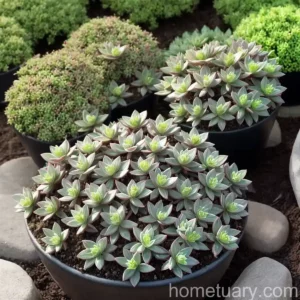
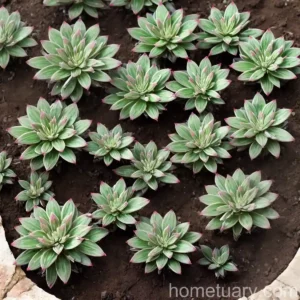
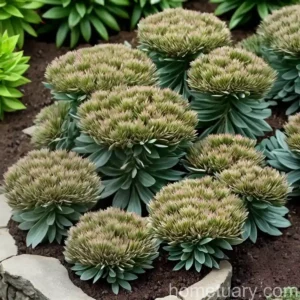
The ‘Kalinda’ variety of Sempervivum is characterized by its dense rosettes of chubby, pointed leaves that form attractive clumps. The foliage may exhibit varying hues, including shades of green, red, purple, and even silver, lending visual interest to the plant. Additionally, ‘Kalinda’ produces offsets or “chicks” around the mother rosette, contributing to its common name “Hens and Chicks.”
Key Takeaways – Sempervivum ‘Kalinda’ (Hens and Chicks)
Before getting into the details of the culture, care, and other aspects of Sempervivum ‘Kalinda’, let’s consider the key takeaways that will be covered in this guide.
- Sempervivum Kalinda Characteristics: Delve into the unique features and attributes of Sempervivum ‘Kalinda’.
- Hens and Chicks Plant Care: Understand the essential elements of caring for this succulent, including water, sunlight, and soil requirements.
- Propagation Techniques: Explore methods for propagating Sempervivum ‘Kalinda’ to expand your succulent collection.
- Common Diseases and Pests: Identify potential issues that may affect the plant and learn how to address them effectively.
- Botanist’s Tips: Benefit from expert insights and tips to ensure the optimal growth and health of Sempervivum ‘Kalinda’.
- Fun Facts: Discover intriguing and lesser-known facts about this captivating succulent.
Now, let’s embark on an in-depth exploration of ‘Kalinda’ and gain a comprehensive understanding of this remarkable plant.
Culture
Understanding the culture of Sempervivum ‘Kalinda’ is essential for creating an environment that allows this succulent to thrive. From its native habitat to its adaptation to cultivation, here is a detailed look at the culture of this fascinating plant.
Native Habitat
The natural habitat of Sempervivum ‘Kalinda’ provides valuable insight into its preferred growing conditions. Sempervivum species are native to mountainous regions of Europe, North Africa, and Western Asia, where they inhabit rocky, well-drained environments. These plants have adapted to thrive in challenging conditions, including high altitudes, arid climates, and poor soils. Their ability to withstand harsh environments makes them well-suited for cultivation in various settings, as long as their basic requirements are met.
Uses
Sempervivum ‘Kalinda’ has both ornamental and practical uses, making it a versatile addition to gardens, landscapes, and even indoor spaces. Here are some common uses of this succulent:
- Garden and Landscape Ornament: Due to its visually appealing rosettes and ability to form dense clusters, ‘Kalinda’ is often used as a ground cover or as part of rock gardens, where its unique texture and color add interest to the landscape.
- Container Gardening: The compact nature of the plant makes it well-suited for container gardening, allowing individuals with limited outdoor space to enjoy its beauty.
- Erosion Control: Sempervivum ‘Kalinda’ can help prevent soil erosion on slopes and embankments, as its extensive root system stabilizes the soil.
- Medicinal and Culinary Benefits: Some Sempervivum species have been traditionally used for their medicinal properties, although it’s important to consult reliable sources before using them for medicinal purposes. Additionally, the leaves of certain Sempervivum varieties are edible and can be used in culinary applications.
Care Requirements
Proper care is paramount to the health and vitality of Sempervivum ‘Kalinda’. From watering and sunlight to soil and fertilization, let’s explore the essential care requirements to ensure the well-being of this stunning succulent.
Water
As with most succulents, proper watering is crucial for the health of Sempervivum ‘Kalinda’. These plants are adapted to arid conditions, and excessive moisture can lead to rot and other issues. Here are some key points to consider regarding watering:
- Well-Draining Soil: Sempervivum ‘Kalinda’ thrives in well-draining soil that allows excess water to escape freely. This prevents waterlogged conditions that can be detrimental to the plant.
- Watering Frequency: During the growing season, which typically spans from spring to fall, ‘Kalinda’ should be watered when the top inch of the soil becomes dry. In contrast, reduce watering during the winter months when the plant is in a dormant state.
Sunlight
Sempervivum ‘Kalinda’ exhibits a preference for ample sunlight, making it an excellent choice for sunny garden spots and areas with high light exposure. Consider the following points when providing sunlight for ‘Kalinda’:
- Full Sun: The plant thrives in full sun, which generally translates to at least six hours of direct sunlight per day. In hotter regions, some afternoon shade may be beneficial to prevent sunburn on the foliage.
- Indoor Considerations: When grown indoors, ensure that ‘Kalinda’ is placed in a location with bright, indirect light to mimic its natural sunlight requirements.
Fertilizer
Unlike many other plants, Sempervivum ‘Kalinda’ is not heavy feeder and can thrive without frequent fertilization. Here are some considerations when it comes to fertilizing this succulent:
- Sparse Feeding: Apply a diluted, balanced fertilizer sparingly during the active growing season, typically in spring and occasionally in summer. Too much fertilizer can lead to excessive growth and reduced color intensity in the leaves.
Soil
The right soil composition is essential for the well-being of Sempervivum ‘Kalinda’, as it influences moisture retention, drainage, and nutrient availability. Here’s what to keep in mind when selecting or preparing soil for this succulent:
- Well-Draining Mix: Use a well-draining soil mix specifically designed for succulents and cacti, or create a custom mix by amending standard potting soil with coarse sand, perlite, or pumice to enhance drainage.
Pruning
Pruning requirements for Sempervivum ‘Kalinda’ are minimal, as the plant naturally sheds older leaves and offsets as part of its growth process. However, you can remove any dead or dried foliage to maintain the plant’s aesthetic appeal and prevent potential pest and disease issues.
Propagation
The ability to propagate Sempervivum ‘Kalinda’ allows enthusiasts to expand their collection and share the beauty of this plant with others. Here are some effective methods for propagating ‘Kalinda’:
- Offsets: One of the easiest ways to propagate ‘Kalinda’ is by using the offsets or “chicks” that form around the mother rosette. Simply detach these offsets and plant them in a suitable growing medium to establish new plants.
- Leaf Cuttings: While less common, leaf cuttings can also be used to propagate ‘Kalinda’. Select healthy leaves, let them dry for a few days to allow callusing, and then place them on well-draining soil, where they will develop roots and form new rosettes.
Container Popularity
The compact growth habit and low maintenance requirements of Sempervivum ‘Kalinda’ make it a popular choice for container gardening. Whether displayed individually or as part of an assorted succulent arrangement, it adds a touch of charm to any container garden. When choosing a container for ‘Kalinda’, ensure that it provides adequate drainage and is the appropriate size for the plant to prevent over-crowding.
Common Diseases and Pests
While Sempervivum ‘Kalinda’ is generally resilient to diseases and pests, it’s important to be aware of potential issues that may arise. Here are some common diseases and pests that may affect this succulent, along with tips for prevention and control:
Disease Diagnosis
- Root Rot: Excessive moisture in the soil can lead to root rot in Sempervivum ‘Kalinda’. Symptoms include wilting, mushy roots, and a foul odor. To prevent root rot, ensure well-draining soil and reduce watering during the dormant season.
Common Pests
- Aphids: These tiny insects may occasionally infest ‘Kalinda’, feeding on the sap of the plant and causing distortion of the leaves. Control aphids by physically removing them, using a strong stream of water, or applying insecticidal soap.
Botanist’s Tips
Sempervivum Kalinda Maintenance
Maintaining the health and vibrancy of Sempervivum ‘Kalinda’ often involves adhering to a few key principles, including:
- Adequate Drainage: Ensuring that the plant’s growing medium provides excellent drainage is crucial for preventing root-related issues and maintaining overall health.
- Balanced Sunlight: While ‘Kalinda’ thrives in full sun, be mindful of extreme heat, especially in regions with scorching summers. Providing some afternoon shade during peak sunlight hours can prevent leaf burn and dehydration.
- Minimal Watering: Overwatering is a common issue with succulents, including Sempervivum ‘Kalinda’. Emphasize the importance of infrequent, deep watering to prevent water-related problems.
Fun Facts
In addition to its ornamental value and resilient nature, Sempervivum ‘Kalinda’ boasts some intriguing and lesser-known facts:
- Historical Significance: Sempervivum species have been utilized across various cultures for their purported medicinal properties, protective symbolism, and even culinary use.
- Succulent Communities: Enthusiasts of Sempervivum and other succulents often form communities and clubs to share knowledge, trade plants, and celebrate the diverse beauty of these unique species.
Links to External Resources
For further exploration of Sempervivum ‘Kalinda’ and related topics, consider the following external resources:
- The British Cactus & Succulent Society (BCSS)
- The Succulent Source
- International Crassulaceae Network
Conclusion
In conclusion, Sempervivum ‘Kalinda’ (Hens and Chicks) is a captivating succulent that offers both visual appeal and straightforward care requirements, making it an excellent choice for gardens, container displays, and indoor settings. By understanding its culture, implementing proper care practices, and being mindful of potential challenges, enthusiasts can cultivate and enjoy the beauty of ‘Kalinda’ while expanding their knowledge of succulent gardening and plant care.
We hope this comprehensive guide has provided valuable insights into the world of Sempervivum ‘Kalinda’, offering practical knowledge, expert tips, and a deeper appreciation for this remarkable succulent.
Remember – whether you’re an experienced succulent enthusiast or just beginning your journey with these mesmerizing plants, the world of Sempervivum ‘Kalinda’ awaits, ready to enrich your green spaces and captivate your botanical curiosity.