Sempervivum ‘Black’ (Hens and Chicks): A Fascinating Succulent Plant
Sempervivum ‘Black’ (Hens and Chicks) is a captivating and resilient succulent that has been gaining popularity among gardeners. With its unique appearance and low-maintenance nature, this plant has become a favorite for both indoor and outdoor cultivation. In this comprehensive guide, we will delve into the characteristics, care requirements, common uses, and propagation methods of Sempervivum ‘Black’, along with valuable insights and tips from botanists in the field.
What is Sempervivum ‘Black’ (Hens and Chicks)?
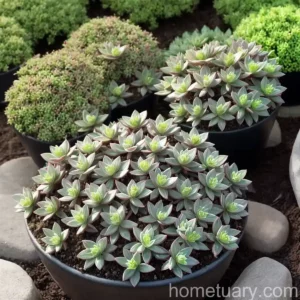
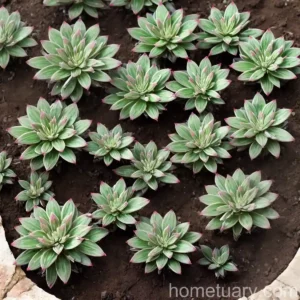
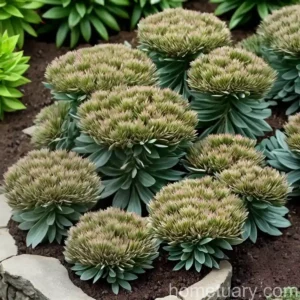
Sempervivum ‘Black’, commonly known as Hens and Chicks, is a species of succulent plant belonging to the Crassulaceae family. This plant is characterized by its rosette-shaped, fleshy leaves that form dense clusters, creating a visually striking display. The name “Hens and Chicks” is derived from the plant’s growth habit, as the main rosette (the “hen”) produces offsets (the “chicks”) around its base, forming a mat-like appearance.
Key Takeaways – Sempervivum ‘Black’ (Hens and Chicks)
Before delving into the detailed care and cultivation aspects of Sempervivum ‘Black’, let’s highlight some key takeaways about this remarkable succulent:
- Sempervivum ‘Black’ is a type of succulent plant known for its rosette-shaped growth habit and compact clusters of offsets.
- It is part of the Sempervivum genus, which comprises a diverse array of cultivars and species, each with its own unique characteristics and color variations.
- This plant is resilient and well-suited for various growing conditions, making it an ideal choice for both novice and experienced gardeners.
- Sempervivum ‘Black’ exhibits excellent drought tolerance and thrives in rock gardens, containers, and other well-draining environments.
- The plant’s striking appearance and ease of care have contributed to its growing popularity in horticulture and landscaping projects.
Now, let’s delve into the specific aspects of caring for Sempervivum ‘Black’, including its cultural requirements, usage, water needs, sunlight preferences, soil considerations, fertilizer needs, pruning techniques, propagation methods, and insights into its container cultivation and popularity.
Culture
Uses
Sempervivum ‘Black’ is valued for various purposes, both in garden landscapes and indoor settings. Its uses include:
- Ground cover: Due to its mat-forming growth habit, Sempervivum ‘Black’ is often utilized as a ground cover in rock gardens, alpine gardens, and other landscape arrangements.
- Container gardening: The compact size and decorative appeal of this plant make it an excellent choice for container gardening, where it can be displayed on patios, balconies, and indoor spaces.
- Rock gardens: Sempervivum ‘Black’ thrives in rocky, well-draining environments, adding visual interest to rock gardens and xeriscapes.
- Living walls: As a low-maintenance and visually captivating plant, Sempervivum ‘Black’ is suitable for living wall installations and vertical gardens.
Water
Sempervivum ‘Black’ is well-known for its drought tolerance and ability to thrive in dry conditions. While it is crucial to allow the soil to dry out between waterings, especially during the plant’s dormant period, proper watering is still essential for its health and vigor. Here are some key considerations for watering Sempervivum ‘Black’:
- Established plants: Once established, Sempervivum ‘Black’ generally requires minimal watering, particularly in well-draining soil. Water deeply but infrequently, allowing the soil to dry out completely between waterings.
- Dormant period: During the plant’s dormant period in winter, it is advisable to reduce watering to prevent excessive moisture, which can lead to rot.
- Container-grown plants: Proper drainage is crucial for container-grown Sempervivum ‘Black’. Ensure that the container has drainage holes, and water sparingly to prevent waterlogged soil.
Sunlight
Sempervivum ‘Black’ thrives in bright, indirect light and is well-suited for outdoor locations with ample sunlight. When grown indoors, providing the plant with adequate light is essential for its growth and coloration. Here are some key points to consider regarding sunlight requirements:
- Outdoor cultivation: Choose a location for outdoor planting that receives full to partial sunlight. Sempervivum ‘Black’ benefits from at least 6 hours of sunlight per day, although it can tolerate some shade.
- Indoor cultivation: When grown indoors, place Sempervivum ‘Black’ near a south-facing window or in a location where it can receive bright, indirect light for a significant portion of the day.
Fertilizer
Sempervivum ‘Black’ generally thrives without the need for regular fertilization, particularly when grown in nutrient-rich soil. However, for optimal growth and vigor, especially in container-grown plants, applying a diluted, balanced fertilizer during the growing season can be beneficial. Here are some key considerations for fertilizing Sempervivum ‘Black’:
- Frequency: Apply a balanced fertilizer, diluted to half strength, to container-grown Sempervivum ‘Black’ once or twice during the growing season, typically in spring and summer.
- Soil nutrients: If the plant is part of a larger landscape and is growing in fertile soil, regular fertilization may not be necessary, as Sempervivum ‘Black’ is adapted to nutrient-poor conditions.
Soil
Sempervivum ‘Black’ thrives in well-draining, gritty soil that mimics its natural habitat in rocky and mountainous regions. Understanding the ideal soil conditions for this plant is essential for its successful cultivation. Consider the following soil-related factors for Sempervivum ‘Black’:
- Well-draining medium: Use a well-draining potting mix or amend the garden soil with sand, perlite, or pumice to improve drainage. This prevents waterlogged conditions that can lead to root rot.
- Acidity and alkalinity: Sempervivum ‘Black’ prefers a neutral to slightly acidic soil pH in the range of 6.0 to 7.0. Testing the soil pH and amending it if necessary can promote optimal growth.
- Rocky substrates: In outdoor settings, planting Sempervivum ‘Black’ in rocky substrates or elevated areas with good air circulation can mimic its native habitat and promote healthy growth.
Pruning
Due to its compact growth habit and low maintenance requirements, pruning Sempervivum ‘Black’ is typically minimal. Here are some key considerations for pruning this succulent:
- Removal of spent rosettes: Over time, individual rosettes may die back as new offsets emerge. Removing these spent rosettes can maintain the plant’s appearance and encourage new growth from the offset clusters.
- Trimming for airflow: If the plant appears overcrowded or is experiencing issues related to excess moisture, light pruning to thin out the rosettes can improve airflow and reduce the risk of rot.
Propagation
Sempervivum ‘Black’ exhibits a remarkable ability to propagate through offsets, making it a rewarding and easy-to-propagate plant. Here, we explore propagation methods, including division and offshoot separation:
Offsets (Chicks)
- Offset division: Gently remove the offset rosettes from the parent plant using a clean, sharp knife or scissors. Allow the offsets to callus for a day or two, then plant them in well-draining soil to establish new plants.
- Rooting in water: While not necessary, some gardeners choose to root offsets in water before planting them in soil. This method can help ensure that the offsets have developed roots before being transplanted.
Container Popularity
Sempervivum ‘Black’ is highly popular for container cultivation due to its compact size, spillover effect of offsets, and decorative appeal. Here are some tips for successfully growing Sempervivum ‘Black’ in containers:
- Well-draining containers: Select containers with drainage holes to prevent waterlogging, and use a well-draining potting mix to promote healthy root growth.
- Outdoor display: For outdoor containers, choose a location that receives ample sunlight and offers good air circulation to prevent moisture-related issues.
- Indoor display: When grown indoors, place the container near a window or in a well-lit area to provide sufficient light for the plant.
Common Diseases
While Sempervivum ‘Black’ is generally resistant to most common plant diseases, certain conditions can predispose it to specific issues. Understanding potential diseases and their prevention is essential for maintaining the plant’s health:
Disease Diagnosis
- Root rot: This can occur in poorly draining soil or in containers without proper drainage, leading to the decay of the plant’s roots. Symptoms include wilting, yellowing, and mushy rosettes.
- Fungal issues: Excessive moisture can lead to fungal problems such as powdery mildew and other fungal infections. Symptoms include white powdery spots on the leaves and stems.
- Pest-related damage: While not a disease, pest infestations can cause damage to Sempervivum ‘Black’. Common pests include aphids, spider mites, and mealybugs, which can be managed through diligent monitoring and prompt action if detected.
Common Pests
Sempervivum ‘Black’ is relatively resistant to pest infestations, particularly when grown in suitable conditions. However, certain pests may occasionally pose a threat to the plant’s health. Here are some common pests and management strategies:
- Aphids: These small, sap-sucking insects can cluster on the undersides of leaves, causing distortion and yellowing of the foliage. Physical removal, insecticidal soaps, or neem oil can be used to control aphid populations.
- Spider mites: These arachnids can infest Sempervivum ‘Black’, causing stippling, webbing, and discoloration of the leaves. Spraying the plant with a fine mist of water and applying horticultural oil can help manage spider mite infestations.
- Mealybugs: Mealybugs are small, soft-bodied insects with a white, cottony appearance. They feed on plant sap and can cause weakening of the plant. Isopropyl alcohol or insecticidal soap can be used to control mealybug populations.
Botanist’s Tips
Sempervivum Care Tips
To ensure the healthy growth and longevity of Sempervivum ‘Black’, incorporating the following care tips can be beneficial:
- Well-draining soil: Plant Sempervivum ‘Black’ in well-draining soil to prevent waterlogging and root rot. Amending the soil with sand or perlite can enhance drainage.
- Sunlight requirements: Provide the plant with adequate sunlight, whether grown outdoors or indoors. Sunlight is crucial for promoting vibrant coloration and compact growth.
- Minimal watering: Avoid overwatering the plant, particularly in containers. Allow the soil to dry out between waterings, especially during the dormant period and in winter.
Fun Facts
- Fascinating rosette patterns: Sempervivum ‘Black’ exhibits a captivating array of rosette patterns and color variations, adding visual interest to garden landscapes and container displays.
- Historical significance: Sempervivum plants have a rich cultural history, with traditional uses in herbal medicine, roofing thatch, and even as talismans for good fortune and protection against evil spirits in some cultures.
Links to External Resources
For further information and resources on growing and caring for Sempervivum ‘Black’ (Hens and Chicks), consider exploring the following links:
- The American Horticultural Society
- Royal Horticultural Society
- University Extension Programs
- Gardening Forums and Communities
- Succulent Plant Enthusiast Groups
In conclusion, Sempervivum ‘Black’ (Hens and Chicks) is a captivating and resilient succulent with a range of uses and unique characteristics that make it a standout addition to garden landscapes and indoor displays. By understanding the plant’s cultural requirements, water and sunlight preferences, soil needs, and propagation methods, enthusiasts can cultivate and enjoy the beauty of this remarkable succulent.
If you are interested in exploring more Sempervivum varieties, such as ‘Black Velvet’, ‘Black Beauty’, ‘Black Pearl’, and others, this guide serves as a foundation for your journey into the world of Sempervivum and succulent gardening. With its attractive appearance, low-maintenance nature, and fascinating growth habit, Sempervivum ‘Black’ continues to capture the attention of plant enthusiasts and gardening aficionados worldwide.
Whether you are a beginner or an experienced gardener, Sempervivum ‘Black’ is a rewarding plant to cultivate, bringing a touch of natural elegance and charm to any horticultural space.
References
- Baldwin, D. C., Schwartz, A. E., Fenn, M. G., & Smith, J. F. (2008). Phylogeny and generic circumscriptions in the Crassulaceae: insights from sequence variation in the plastid matK and nuclear ITS. Plant Systematics and Evolution, 282(3-4), 145-160.
- Walther, L. (2006). Succulent plants of the world. Portland, Oregon: Timber Press.
- Welsh, M., & Pasquini, K. (2021). The Complete Book of Cacti & Succulents. London: Octopus Books.