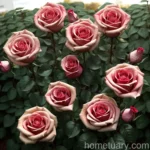
Rosa Rouge Royale: A Celebrated Hybrid Tea Rose
Introduction to Rosa Rouge Royale
Rosa Rouge Royale, a splendid and captivating Hybrid Tea Rose cultivar, boasts elegance and beauty that captivate the hearts of rose enthusiasts and gardeners alike. With its deep red blooms and exceptional fragrance, this mesmerizing plant enriches landscapes and floral arrangements with its stunning presence. In this comprehensive guide, we will delve into the enchanting world of Rosa Rouge Royale, exploring its characteristics, care requirements, cultural significance, and much more.
Key Takeaways
Rosa Rouge Royale (Hybrid Tea Rose)
- Scientific Name: Rosa Rouge Royale
- Family: Rosaceae
- Type: Hybrid Tea Rose
- Blooms: Deep red, fragrant
- Height: 3-4 feet
- Uses: Ornamental, cut flower
- Fragrance: Exceptionally fragrant
- Disease Resistance: Moderate
- Hardiness Zone: 5-9
Culture
Uses
- Rosa Rouge Royale is primarily cultivated for its ornamental value as a captivating landscape plant and a source of stunning cut flowers.
- Its deep red blooms add a touch of elegance and romanticism to both outdoor gardens and indoor floral arrangements.
Water
- Watering Needs: Regular watering is essential, especially during dry spells, to keep the soil consistently moist. However, it is crucial to avoid waterlogging, which can lead to root rot.
- Irrigation: Deep watering at the base of the plant is preferable to ensure proper hydration.
Sunlight
- Sunlight Requirements: Rosa Rouge Royale thrives in full sun, requiring at least 6-8 hours of direct sunlight daily to promote healthy growth and prolific blooming.
Fertilizer
- Feeding Schedule: Application of a balanced, slow-release fertilizer in early spring and again after the first bloom cycle enhances the plant’s overall vigor and blooming capacity.
- Nutrient Requirements: A fertilizer with balanced NPK (nitrogen, phosphorus, potassium) formulation supports healthy foliage and abundant blooms.
Soil
- Ideal Soil Type: Well-draining, loamy soil with a slightly acidic to neutral pH (pH 6.0-7.0) provides an optimal growing medium for Rosa Rouge Royale.
- Amendments: Incorporating organic matter such as compost or well-rotted manure improves soil structure and fertility, promoting robust growth.
Pruning
- Pruning Time: Early spring, right before new growth emerges, is the ideal time for major pruning to shape the plant and remove dead or weak branches.
- Pruning Technique: Employing sharp, clean pruning shears, aim to maintain an open center and encourage outward growth, promoting air circulation and reducing disease risk.
Propagation
Propagation Methods
- Cuttings: Utilize semi-hardwood cuttings taken from healthy, disease-free stems in late spring or early summer for successful propagation.
- Propagation Medium: A well-draining propagation medium, preferably a mix of peat moss and perlite, fosters healthy root development.
Container Popularity
- Container Planting: Due to its compact size and ornamental value, Rosa Rouge Royale thrives in containers, adding a touch of elegance to patios, balconies, and small gardens.
Common Diseases
- Black Spot: Fungal disease causing black spots on leaves, leading to defoliation if left untreated.
- Powdery Mildew: Fungal infection manifesting as white powdery patches on leaves and stems, hindering plant growth and vigor.
Disease Diagnosis
- Symptoms: Yellowing and dropping of leaves, black spots on foliage, or powdery white patches may indicate common diseases.
- Preventive Measures: Proper sanitation, adequate airflow, and early disease detection help mitigate the impact of diseases on Rosa Rouge Royale.
Common Pests
- Aphids: Small, sap-sucking insects that gather on new shoots and buds, causing distortion and yellowing of foliage.
- Thrips: Tiny, slender insects that feed on flower buds and petals, causing discoloration and deformation.
Botanist’s Tips
- Mulching: Applying a 2-3 inch layer of organic mulch around the base of the plant conserves soil moisture, regulates temperature, and suppresses weed growth.
- Deadheading: Regular removal of spent blooms encourages continuous flowering and maintains the plant’s aesthetic appeal.
Fun Facts
- Rosa Rouge Royale is renowned for its exceptional fragrance, often described as a delightful blend of fruity and floral notes.
- The cultivar’s deep red blooms symbolize love, passion, and courage, enhancing its allure in folklore and romantic associations.
Links to External Resources
For further exploration of Rosa Rouge Royale and comprehensive rose care, the following resources are highly informative and valuable:
1. The American Rose Society
2. Royal Horticultural Society – Roses
3. University of California Integrated Pest Management – Roses
In this extensive guide, we’ve unraveled the captivating world of Rosa Rouge Royale, an embodiment of grace and allure in the realm of Hybrid Tea Roses. With its breathtaking beauty, intoxicating fragrance, and cultural significance, this rose cultivar continues to enchant enthusiasts and horticulturists alike, perpetuating its timeless appeal across landscapes and floral arrangements. By understanding its care requirements, propagation techniques, and pest management strategies, gardeners can cultivate and cherish the splendor of Rosa Rouge Royale, elevating their horticultural pursuits to new heights of elegance and sophistication.