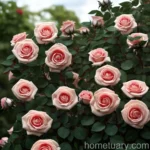
Rosa rugosa ‘Alba’ (Rugosa Rose): A Delightful Addition to Any Garden
Introduction
Rosa rugosa ‘Alba’, commonly known as the Rugosa Rose, is a stunning and robust species that can be a valuable addition to any garden. Its enchanting white blossoms, abundant foliage, and adaptability make it a sought-after plant for horticulturists and garden enthusiasts. In this comprehensive guide, we will delve into the various dimensions of this charming rose variety, touching on its characteristics, ideal growing conditions, propagation techniques, common pests and diseases, and much more.
What is Rosa rugosa ‘Alba’ (Rugosa Rose)?
Rosa rugosa ‘Alba’, a member of the Rosaceae family, originates from Eastern Asia, specifically from regions such as Korea, Japan, and China. Its distinctive white flowers, also known as “Alba Roses,” are known for their delightful fragrance, providing a sweet and fresh aroma to any garden. The species is also celebrated for its vigor, adaptability, and high disease resistance, making it an excellent choice for both amateur and experienced gardeners.
Key Takeaways
At a glance, here are some key points to keep in mind about Rosa rugosa ‘Alba’:
- Botanical Name: Rosa rugosa ‘Alba’
- Common Name: Rugosa Rose, Alba Rugosa Rose, White Rugosa Rose
- Fragrance: Sweet and refreshing
- Characteristics: Abundant foliage, thorny stems, white blossoms, red hips
- Adaptability: Highly versatile and resilient, suitable for various climates and soil types
- Disease Resistance: Known for high resistance to common rose diseases
- Uses: Ornamental display, hedge creation, coastal gardens, wildlife habitat
Now, let’s explore the intricate details of cultivating and caring for this captivating plant.
Culture
Uses
Rosa rugosa ‘Alba’ serves various horticultural and landscaping purposes, courtesy of its elegant appearance, fragrance, and adaptability. Some common uses of this stunning variety include:
- Ornamental Display: Its large, fragrant white flowers make it an attractive choice for adding visual appeal to gardens and landscapes.
- Hedging: With its dense foliage and thorny stems, it is often used to create natural, effective hedges.
- Coastal Gardens: Due to its tolerance to salt spray and windy conditions, it is an ideal choice for coastal environments.
- Wildlife Habitat: The red hips produced by Rugosa Roses are a valuable food source for birds and wildlife.
Water
Rosa rugosa ‘Alba’ demonstrates good tolerance to moderately dry conditions once established, making it suitable for areas with periodic water scarcity. However, it thrives best when provided with regular watering, especially during dry spells or in regions with hot summers.
Sunlight
This rose variety fares well in full sun, flourishing under direct sunlight for the majority of the day. Adequate exposure to sunlight is crucial for its optimal growth, flowering, and overall health.
Fertilizer
When it comes to fertilization, Rosa rugosa ‘Alba’ typically appreciates organic, slow-release fertilizers. Applying a balanced fertilizer in spring, before new growth emerges, can promote vigorous growth and abundant flowering.
Soil
In terms of soil preference, Rosa rugosa ‘Alba’ showcases a remarkable adaptability, thriving in a wide range of soil types. However, it particularly thrives in moist, well-draining soil with a slightly acidic to neutral pH level.
Pruning
Pruning is vital for maintaining the shape, health, and flowering potential of Rugosa Roses. Here are some essential tips for effective pruning:
- Timing: The ideal time for pruning is in late winter or early spring before new growth commences.
- Deadheading: Regularly removing spent blooms can encourage the production of new flowers and prevent the plant from expending energy on seed production.
- Shaping: To maintain a neat and compact appearance, pruning can be utilized to shape the plant, remove damaged branches, and enhance air circulation.
Propagation
Rosa rugosa ‘Alba’ can be propagated through various methods, including:
- Seeds: Propagation from seeds is a viable option, requiring patience for the new plants to establish and mature.
- Cuttings: Stem cuttings can be taken in late spring or early summer and rooted to produce genetic clones of the parent plant.
Container Popularity
Due to its adaptability and manageable size, Rugosa Roses are well-suited for container gardening, providing an opportunity for individuals with limited garden space to enjoy the beauty and fragrance of these stunning plants.
Common Diseases
Rosa rugosa ‘Alba’ is notably resistant to various common rose diseases. However, it is essential to be mindful of potential issues such as:
- Powdery Mildew: A fungal disease that can affect the foliage, leading to a whitish powdery coating.
- Black Spot: Another fungal disease characterized by dark spots on the leaves and potential defoliation.
- Rust: This disease manifests as orange or rust-colored spots on the foliage.
Disease Diagnosis
In the event of any suspected disease symptoms, it is crucial to promptly identify and address the issue. Proper diagnosis involves examining the specific symptoms, as well as consulting with local horticultural professionals or extension services for accurate identification and treatment recommendations.
Common Pests
While Rugosa Roses are generally resilient to pests, they may occasionally face challenges from common garden pests such as aphids, spider mites, and caterpillars. Regular monitoring and appropriate intervention, such as introducing beneficial insects or using horticultural oils, can effectively manage pest issues.
Botanist’s Tips
For optimal success in cultivating and maintaining Rosa rugosa ‘Alba’, consider the following expert recommendations:
- Select a well-draining location with ample sunlight for planting.
- Supplement the soil with organic matter to improve its fertility and structure.
- Emphasize regular watering, especially during the initial establishment period and dry spells.
- Prioritize balanced fertilization to support vigorous growth and rich flowering.
- Implement routine pruning to maintain the plant’s shape and vitality.
- Monitor the plant for any signs of pests or diseases, intervening promptly if necessary.
Fun Facts
- Rosa rugosa ‘Alba’ is widely celebrated for its resilience in challenging environmental conditions, including coastal and windy locations.
- The species is renowned for its production of garden-worthy, decorative hip fruits in addition to its ornamental flowers.
- Its rich folklore and medicinal uses emphasize its historical and cultural significance in various regions.
Links to External Resources
For further exploration of Rosa rugosa ‘Alba’ and related topics, consider these external resources:
- Rosa rugosa ‘Alba’: A Coastal Gardener’s Dream
- Pruning Techniques for Rugosa Roses
- Companion Planting with Alba Rugosa Roses
- Tips for Growing and Caring for Alba Rugosa Roses
Conclusion
Rosa rugosa ‘Alba’ stands as a testament to the allure and resilience of the Rugosa Rose species. Its cultural significance, adaptability, and aesthetic charm make it a prized addition to gardens, landscapes, and coastal environments. With its captivating white blossoms, rich fragrance, and ecological value, this remarkable rose variety has earned its place as a favorite among gardeners and nature enthusiasts alike. By understanding its ideal culture, propagation techniques, and methods for pest and disease management, individuals can cultivate and appreciate the enduring beauty of the Alba Rugosa Rose in their own outdoor spaces.