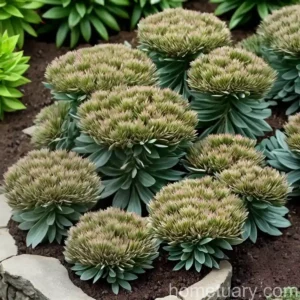
Sedum Kamtschaticum (Orange Stonecrop): The Perfect Addition to Your Garden
Sedum kamtschaticum, commonly known as Orange Stonecrop, is a stunning perennial plant that thrives in various growing conditions. With its vibrant orange and yellow flowers and its ability to tolerate drought, it has become a popular choice for gardeners looking to add color and texture to their landscapes.
In this comprehensive guide, we will delve into the various aspects of Orange Stonecrop, including its cultural requirements, uses, propagation methods, maintenance tips, common diseases and pests, and much more. Whether you are a seasoned gardener or just starting out, this article will equip you with the knowledge to cultivate and care for Sedum kamtschaticum successfully.
What is Sedum Kamtschaticum (Orange Stonecrop)?
Sedum kamtschaticum, a member of the Crassulaceae family, is a low-growing perennial that is native to the mountainous regions of Russia and eastern Asia. It is known for its succulent foliage and its ability to thrive in challenging environments, such as rocky slopes and dry, arid soils.
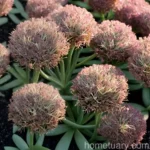
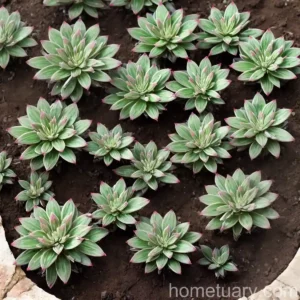
The plant is characterized by its fleshy, serrated leaves and its clusters of star-shaped flowers that range in color from vibrant orange to yellow. Its ability to form dense mats of foliage makes it an excellent choice for ground cover or as a border plant in rock gardens and alpine landscapes.
Key Takeaways – Sedum Kamtschaticum (Orange Stonecrop)
Before we delve into the specifics of Orange Stonecrop care and cultivation, let’s first highlight the key takeaways about this versatile plant.
- Sedum kamtschaticum, also known as Orange Stonecrop, is a low-growing perennial with succulent foliage and vibrant orange to yellow flowers.
- It is well-suited for a variety of landscaping purposes, including ground cover, rock gardens, borders, and containers.
- Orange Stonecrop is highly adaptable, with excellent drought tolerance and the ability to thrive in various soil types.
- Its low-maintenance nature and resilience against common pests and diseases make it an attractive choice for gardeners of all skill levels.
Now that we have a general understanding of Sedum kamtschaticum, let’s explore its cultural requirements in more detail.
Culture
Uses
Sedum kamtschaticum, or Orange Stonecrop, offers a multitude of uses in garden landscaping and design due to its adaptability and visual appeal. Here are some common uses for this versatile plant:
- Ground Cover: With its spreading habit and dense foliage, Orange Stonecrop is an excellent choice for ground cover in sunny, well-drained areas. It forms a carpet-like growth that effectively suppresses weeds and adds visual interest to the landscape.
- Rock Gardens: The low-growing, succulent nature of Sedum kamtschaticum makes it a perfect fit for rock gardens, where it can thrive in the well-drained, nutrient-poor soil often found in these environments. Its vibrant flowers provide a striking contrast against the rocky backdrop.
- Borders and Edging: Orange Stonecrop’s tendency to form compact clumps makes it well-suited for border plantings and edging. Its colorful foliage and flowers create a visually appealing transition between different garden elements.
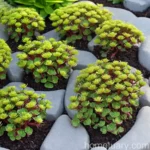
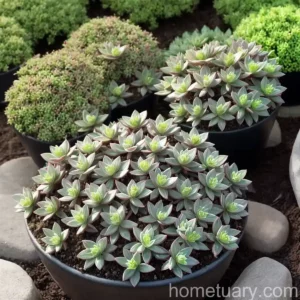
- Container Gardening: Due to its low water requirements and ability to thrive in confined spaces, Sedum kamtschaticum is an excellent choice for container gardening. It can be used in pots, hanging baskets, and mixed planters, adding a pop of color to patios and balconies.
Water
Orange Stonecrop is known for its drought tolerance and ability to thrive in dry conditions. While it is relatively low-maintenance once established, it is essential to provide adequate water during the plant’s initial growth phase and in prolonged periods of drought.
- Establishment: When initially planting Sedum kamtschaticum, ensure that the soil is evenly moist, but not waterlogged. Water the newly planted specimens regularly to encourage root development and establishment.
- Mature Plants: Once established, Orange Stonecrop generally requires minimal supplemental watering, as it is well-adapted to dry conditions. However, during prolonged droughts or extreme heat, providing occasional deep watering can help ensure the plant’s vigor and vitality.
Sunlight
As a sun-loving plant, Sedum kamtschaticum thrives in full sunlight and requires a minimum of six hours of direct sunlight per day. It is well-suited for sunny, south-facing slopes and rockeries where it can bask in the sun’s warmth.
- Optimal Conditions: To promote healthy growth and abundant flowering, plant Orange Stonecrop in a location that receives full sunlight. In hotter climates, some afternoon shade may be beneficial to protect the plant from excessive heat stress.
Fertilizer
One of the appealing aspects of Sedum kamtschaticum is its minimal fertilizer requirements. This plant is generally not heavy feeders and can thrive in nutrient-poor soils. However, a light application of balanced fertilizer in the spring can support healthy growth and blooming.
- Fertilizer Type: Use a balanced, 10-10-10 slow-release fertilizer or a specialized succulent fertilizer to provide a gentle nutrient boost to the plant.
- Application Method: Apply the fertilizer according to the manufacturer’s instructions, usually by evenly distributing it around the base of the plant and watering it in thoroughly.
Soil
Orange Stonecrop is adaptable to various soil types, as long as they are well-drained and not overly fertile. It can thrive in rocky, sandy, or loamy soils and is tolerant of slightly acidic to slightly alkaline pH levels.
- Drainage: Excellent drainage is critical for the success of Sedum kamtschaticum. Avoid planting it in waterlogged or compacted soils, as this can lead to root rot and other issues.
- Soil Amendment: If the native soil is heavy or clay-based, amending it with coarse sand or gravel can improve drainage and create a more suitable growing environment for Orange Stonecrop.
Pruning
While Orange Stonecrop is generally low-maintenance, occasional pruning can help maintain its appearance and encourage dense, compact growth.
- Deadheading: Removing spent flowers can prolong the blooming season and prevent the plant from expending energy on seed production. Simply snip off the faded flower clusters once they have finished blooming.
- Spring Pruning: In early spring, trim back any damaged or leggy growth to promote a more uniform and tidy appearance. Use clean, sharp pruners to make precise cuts, and ensure that the plant receives ample sunlight and airflow.
Propagation
Sedum kamtschaticum can be easily propagated from both seeds and stem cuttings, making it an ideal candidate for expanding your plant collection or sharing with fellow garden enthusiasts.
- Seed Propagation: Collect mature seeds from the plant in the fall and sow them in well-draining soil. Keep the soil consistently moist until germination occurs, and then gradually transition the young seedlings to their final growing location.
- Stem Cuttings: Take 3- to 4-inch stem cuttings from healthy, established plants in the spring or early summer. Allow the cut ends to callus for a day or two before planting them in a well-draining potting mixture. Keep the soil lightly moist, and the cuttings should root within a few weeks.
Container Popularity
Due to its low water requirements and spreading growth habit, Sedum kamtschaticum is a popular choice for container gardening. When selecting a container for Orange Stonecrop, opt for a well-draining pot with ample room for the plant’s roots to spread.
- Container Types: Choose containers made of terracotta, plastic, or wood, and ensure that they have drainage holes at the bottom to prevent waterlogging.
- Soil Medium: Use a well-draining potting mix suitable for succulents or cacti, or create a custom blend by combining regular potting soil with perlite or coarse sand.
Now that we have explored the cultural requirements and potential uses of Sedum kamtschaticum, let’s delve into its popularity and common diseases and pests.
Popularity and Common Diseases
Despite the ease of care and attractive qualities of Sedum kamtschaticum, it is not immune to certain diseases and pests. Understanding these potential issues and its overall popularity can help ensure successful cultivation and maintenance of Orange Stonecrop in your garden.
Container
As previously mentioned, Orange Stonecrop is well-suited for container gardening due to its low water needs and spreading growth habit. When grown in containers, this plant can be an eye-catching addition to outdoor living spaces and garden patios.
Common Diseases
While Sedum kamtschaticum is generally resilient against most diseases, it can occasionally encounter issues such as fungal infections or root rot, especially in poorly draining soil or during prolonged periods of excessive moisture.
- Fungal Diseases: Gray mold (Botrytis cinerea) and powdery mildew can affect the foliage of Sedum kamtschaticum, particularly in humid or damp conditions. Providing adequate airflow and avoiding overhead watering can help prevent these issues.
- Root Rot: Overwatering or planting Orange Stonecrop in poorly draining soil can lead to root rot, which presents as wilted, discolored foliage and a general decline in the plant’s health. Proper soil drainage and watering practices are essential to prevent this issue.
Disease Diagnosis
Monitoring the appearance and behavior of Sedum kamtschaticum can help diagnose and address potential diseases before they become severe. Inspect the plant regularly for any signs of discoloration, wilting, or abnormal growth, and take prompt action if any issues are observed.
- Leaf Inspection: Check the foliage for any areas of discoloration, spots, or fuzzy growth, as these may indicate the presence of a fungal infection.
- Soil Moisture Management: Keep track of the soil moisture levels and ensure that the plant is not sitting in waterlogged conditions, which can predispose it to root rot.
Common Pests
In addition to diseases, Sedum kamtschaticum may occasionally attract certain pests that can affect its overall health and appearance. Some common pests that may target Orange Stonecrop include:
- Aphids: These small, soft-bodied insects can congregate on the new growth of Sedum kamtschaticum, sucking sap from the plant and causing deformation and yellowing of the leaves.
- Spider Mites: Spider mites are tiny arachnids that can infest the foliage of Orange Stonecrop, causing stippling and discoloration. They thrive in dry, dusty conditions and can be particularly problematic in warm weather.
Understanding the potential pests and diseases that can affect Sedum kamtschaticum is crucial for maintaining the plant’s vigor and addressing any issues in a timely manner.
Botanist’s Tips
To further enhance your experience with Sedum kamtschaticum, consider the following botanist’s tips for successful cultivation and enjoyment of Orange Stonecrop in your garden:
- Companion Plants: Pair Sedum kamtschaticum with other sun-loving, drought-tolerant plants such as lavender, yarrow, and ornamental grasses for a visually dynamic and water-wise garden display.
- Wildlife Benefits: Orange Stonecrop’s nectar-rich flowers are attractive to a variety of pollinators, including bees, butterflies, and hummingbirds. Incorporating this plant into your landscape can help support local pollinator populations.
- Late-Season Interest: Even after the blooming period, Sedum kamtschaticum’s succulent foliage provides visual interest in the garden, particularly during the fall and winter months. Its hearty nature can create a resilient and evergreen presence in the landscape.
Fun Facts
As we wrap up our exploration of Sedum kamtschaticum, let’s uncover some fascinating and lesser-known facts about this remarkable plant:
- Alpine Adaptation: Orange Stonecrop’s native habitat in the mountainous regions of Russia and Asia has influenced its adaptation to harsh, high-altitude environments, making it a resilient and hardy addition to alpine gardens and landscapes.
- Drought Tolerance: The succulent nature of Sedum kamtschaticum enables it to store water in its leaves, allowing it to withstand extended periods of drought with minimal stress.
- Color Variations: While the most common form of Sedum kamtschaticum produces orange to yellow flowers, there are also cultivated varieties that exhibit a range of flower colors, including pink, red, and white, adding even more diversity to this species.
Links to External Resources
To further expand your knowledge and appreciation of Sedum kamtschaticum, consider exploring the following external resources:
- The Royal Horticultural Society (RHS): Sedum kamtschaticum
- Missouri Botanical Garden: Sedum kamtschaticum
- North Carolina State University Extension: Sedum kamtschaticum for the Home Landscape
In conclusion, Sedum kamtschaticum, or Orange Stonecrop, is a versatile and visually captivating plant that offers a myriad of landscaping opportunities. Its adaptability to challenging growing conditions, vibrant flowers, and low-maintenance nature make it a valuable addition to gardens, rockeries, and container displays. By understanding its cultural requirements, potential uses, and methods for propagation and maintenance, you can cultivate and enjoy the beauty of Sedum kamtschaticum in your own outdoor spaces. Whether you’re seeking a ground cover plant, a focal point for a rock garden, or a low-maintenance container specimen, Orange Stonecrop stands ready to enrich your landscape with its charm and resilience.