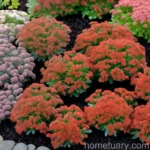
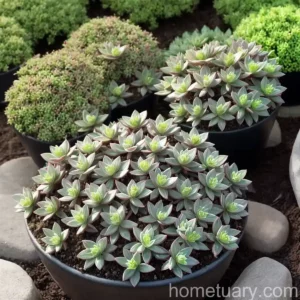
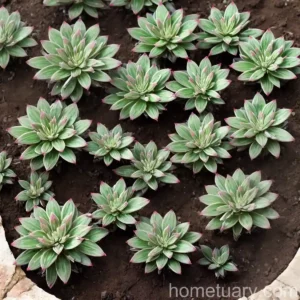
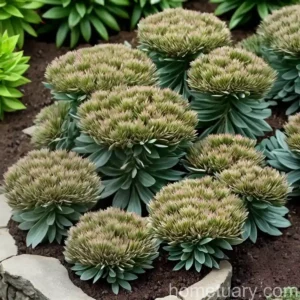
Understanding the Stonecrop (Sedum forsterianum ‘Oracle’)
Introduction
In the world of gardening and landscaping, the stonecrop (Sedum forsterianum ‘Oracle’) stands as a brilliant choice for those seeking a hardy and visually striking plant. This resilient succulent, known for its vibrant foliage and dainty flowers, has gained popularity as a top choice for ground cover, container gardening, and rock gardens. With its impressive adaptability and low maintenance requirements, the stonecrop has secured its place in the hearts of plant enthusiasts and landscapers alike.
In this comprehensive guide, we will delve into the various aspects of the stonecrop (Sedum forsterianum ‘Oracle’), exploring its culture, uses, maintenance, propagation, and much more. We will equip you with the knowledge needed to nurture and appreciate this delightful plant to its full potential.
Plant Name: “Stonecrop (Sedum forsterianum ‘Oracle’)
Before we dive deeper into the nuances of caring for the stonecrop (Sedum forsterianum ‘Oracle’), let’s take a moment to understand the plant at its core:
Scientific Name: Sedum forsterianum ‘Oracle’
Common Name: Stonecrop
Family: Crassulaceae
With the scientific name providing its taxonomic identity, the stonecrop finds its place in the family of Crassulaceae, a group renowned for its diverse and resilient succulent species.
Key Takeaways – Stonecrop (Sedum forsterianum ‘Oracle’)
Culture
- Hardiness Zone: Suitable for Zones 3-9
- Growth Habit: Spreading, low-growing
- Watering: Drought-tolerant once established
- Soil: Well-draining, sandy or loamy soil
- Sunlight: Full sun to partial shade
Uses
- Ground Cover: Excellent for creating low-maintenance ground cover
- Container Gardening: Adds visual interest to containers and rock gardens
- Landscaping: Suits various landscape designs including pollinator gardens and rockeries
Maintenance
- Pruning: Minimal pruning required to maintain shape
- Propagation: Easily propagated from stem cuttings or division
- Disease Resistance: Exhibits strong resistance to common diseases
Common Pests
- Insect Resistance: Shows resilience against common garden pests
- Deer Resistance: Often avoided by browsing deer
Fun Facts
- The name “stonecrop” is derived from the plant’s ability to thrive in rocky, stony environments.
- The cheerful yellow flowers of the stonecrop often attract bees and butterflies to the garden.
Now, armed with these key takeaways, let’s venture further into understanding the intricacies of caring for the stonecrop (Sedum forsterianum ‘Oracle’).
Water
Water Requirements
The stonecrop, once established, demonstrates impressive resilience to dry conditions. However, like many succulents, it benefits from regular watering during its early stages of growth. It is crucial to allow the soil to dry out between watering sessions to prevent root rot, a common issue with succulents.
To gauge the ideal watering schedule, consider the following factors:
– Climate: Warmer climates may necessitate more frequent watering.
– Soil Type: Well-draining soil helps prevent waterlogging, promoting healthy root development.
– Season: During the active growth period, typically spring to early fall, the plant may require more water.
It’s essential to strike a balance, ensuring the soil does not become overly dry or waterlogged. Aim for consistency rather than frequency when watering the stonecrop.
Sunlight
Sunlight Needs
The stonecrop (Sedum forsterianum ‘Oracle’) thrives in bright, indirect sunlight, making it an excellent choice for locations receiving ample light. When cultivated in the appropriate sunlight conditions, the plant exhibits vibrant foliage and encourages the prolific blooming of its charming flowers.
To optimize sunlight exposure for the stonecrop:
– Full Sun: In regions with milder climates, providing the stonecrop with full sun facilitates robust growth and accentuates the captivating coloration of its foliage.
– Partial Shade: While the stonecrop can tolerate partial shade, it flourishes best when offered ample sunlight alongside protection from scorching midday rays.
In regions prone to intense heat, partial shade might be favorable to shield the plant from potential sun damage.
Fertilizer
Fertilization Practices
The stonecrop generally thrives in nutrient-poor environments, characteristic of its natural habitat in rocky and gravelly settings. Excessive fertilization can lead to excessive foliage growth at the expense of flowering, thus deviating from the plant’s natural form.
When considering fertilization for the stonecrop, prioritize the following guidelines:
– Lean Soil: Favor soil with minimal fertility to mimic the plant’s natural habitat.
– Balanced Fertilizer: If necessary, utilize a balanced fertilizer diluted to half or quarter strength during the growing season.
– Frequency: Limit fertilization to once or twice a year, focusing on the onset of the growing season.
Maintaining a cautious approach to fertilization ensures the stonecrop’s optimal growth and blooming potential while preserving its innate resilience.
Soil
Soil Preferences
The stonecrop’s preference for well-draining soil aligns with its natural inclination towards rocky and gravelly substrates. When cultivating this plant, it is vital to replicate its native environment to promote healthy growth and vitality.
To create an ideal soil environment for the stonecrop:
– Drainage: Prioritize soil with excellent drainage properties to prevent waterlogging and root rot.
– Texture: Sandy or loamy soil types are well-suited for the plant, mirroring the conditions of its natural habitat.
– pH Level: The stonecrop thrives in neutral to slightly acidic soil, typically within the range of 6.0 to 7.0.
By upholding these soil preferences, you create an environment conducive to the stonecrop’s flourishing and long-term health.
Pruning
Pruning Tips
Pruning requirements for the stonecrop are minimal, reflecting its low-maintenance nature. As the plant exhibits a spreading growth habit, occasional pruning can help maintain its desired shape and prevent overcrowding in the garden or container.
Key considerations for pruning the stonecrop include:
– Deadheading: Removing spent flower heads stimulates the production of new blooms and maintains the plant’s visual appeal.
– Thinning: Periodic thinning of overgrown sections helps manage the plant’s growth and prevents it from overshadowing neighboring flora.
– Winter Pruning: In regions experiencing harsh winters, consider pruning in late fall to tidy the plant’s appearance and prepare it for the dormant season.
With these pruning practices, you can ensure the stonecrop retains its aesthetic charm and contributes to a well-maintained garden or landscape design.
Propagation
Propagation Techniques
The stonecrop (Sedum forsterianum ‘Oracle’) readily lends itself to propagation through several straightforward techniques, offering plant enthusiasts the opportunity to expand their collection and share the plant’s beauty with others.
Preferred methods for propagating the stonecrop include:
– Stem Cuttings: The utilization of stem cuttings taken during the active growing season, typically spring or early summer, allows for the creation of new plants with genetic consistency to the parent plant.
– Division: Mature stonecrop plants can be divided during the early spring, facilitating the creation of multiple plants while rejuvenating the original specimen.
By adopting these propagation techniques, you can propagate the stonecrop with ease, contributing to its popularity in various gardening and landscaping endeavors.
Container Popularity
Versatility in Container Gardening
The versatility of the stonecrop (Sedum forsterianum ‘Oracle’) makes it an invaluable addition to container gardening, lending its unique charm to diverse settings. Whether utilized as a solo specimen in a decorative pot or combined with complementary plants in a mixed container, the stonecrop proves itself as a valuable asset for container gardening enthusiasts.
Benefits of incorporating the stonecrop in containers include:
– Aesthetic Appeal: The plant’s vibrant foliage and delicate flowers enhance the visual allure of containers, providing year-round interest.
– Low Maintenance: Well-suited for low-maintenance container designs, requiring minimal intervention once established.
– Adaptability: Thrives in various container sizes and styles, from traditional ceramic pots to modern, sleek planters.
With its capacity to thrive in confined spaces, the stonecrop supports the creation of captivating container displays throughout different seasons.
Common Diseases
Disease Resistance
The stonecrop (Sedum forsterianum ‘Oracle’) impresses with its innate resilience against common garden diseases, a testament to its adaptability and hardy nature. This notable resistance contributes to the plant’s appeal, as it minimizes the need for extensive disease management, allowing the plant to flourish with minimal intervention.
Key observations regarding the stonecrop’s disease resistance include:
– Rot Diseases: The plant exhibits resistance to rot diseases often associated with overwatering or poorly-draining soil.
– Fungal Infections: Displays resilience against common fungal infections, particularly those prevalent in humid environments, due to its preference for drier conditions.
– Bacterial Diseases: The stonecrop showcases significant fortitude against bacterial diseases, underscoring its robust nature.
By harnessing the stonecrop’s natural defenses, you can minimize concerns related to diseases, fostering its sustained vitality in the garden or landscape.
Disease Diagnosis
Given the stonecrop’s remarkable resistance to diseases, diagnosing potential ailments becomes a relatively rare occurrence. However, it remains essential to recognize any signs of distress or irregularities that may compromise the plant’s health.
Notable symptoms that may warrant closer inspection include:
– Yellowing or Browning of Foliage: Indicative of potential stress due to overwatering, poor soil drainage, or insufficient sunlight.
– Stunted Growth: Manifests as a reduction in the plant’s overall vigor and can signify underlying issues related to soil quality or environmental conditions.
– Leaf Spots or Discoloration: Often linked to fungal or bacterial infections, necessitating prompt intervention to prevent further spread.
Upon detecting such symptoms, prompt and targeted action can address the underlying issues, restoring the stonecrop to optimal health and vitality.
Common Pests
Insect Resistance
A notable attribute of the stonecrop (Sedum forsterianum ‘Oracle’) lies in its resilience to common garden pests, a quality that contributes to its low-maintenance appeal. By exhibiting natural defenses against pest infestations, the plant thrives without succumbing to the detrimental impact of various insects.
Pest resistance characteristics of the stonecrop encompass:
– Aphids: Typically repelled by the plant’s natural compounds, resulting in limited aphid infestations.
– Mealybugs: Detrimental mealybug infestations are rare due to the stonecrop’s natural deterrents and succulent nature.
– Snails and Slugs: The plant often remains unscathed by these common garden pests, minimizing the risk of foliar damage.
This inherent resistance equips the stonecrop to flourish without succumbing to the challenges posed by bothersome garden pests.
Deer Resistance
Another notable advantage of the stonecrop lies in its resistance to deer browsing, a valuable trait for gardeners contending with deer populations in their local ecosystems. The plant’s unpalatability to deer minimizes the risk of significant damage to its foliage, ensuring its sustained presence in the garden landscape.
By harnessing its deer-resistant qualities, the stonecrop offers a reliable and low-maintenance option for creating visually appealing gardens while coping with the challenges presented by local wildlife.
Botanist’s Tips
Best Practices for Care
As you cultivate and appreciate the stonecrop (Sedum forsterianum ‘Oracle’), several tips can enhance your experience and foster the plant’s optimal growth and visual appeal:
- Adequate Drainage: Prioritize well-draining soil and containers to minimize the risk of waterlogging, promoting the plant’s overall health.
- Optimal Sunlight: Offer the stonecrop ample sunlight, ensuring its vibrant foliage and prolific flowering.
- Moderate Watering: Avoid overwatering, permitting the soil to dry between watering sessions to prevent potential root rot.
- Minimal Intervention: Embrace the stonecrop’s low-maintenance nature, intervening only when necessary to preserve its natural form and health.
By adhering to these best practices, you can cultivate the stonecrop with confidence, appreciating its beauty and resilience in various garden and landscape settings.
Fun Facts
Engaging Insights
Uncover intriguing facts that render the stonecrop (Sedum forsterianum ‘Oracle’) as an endearing and captivating addition to gardens and landscapes:
- Pollinator Magnet: The stonecrop’s cheerful yellow flowers serve as a beacon for pollinators, attracting bees and butterflies to the garden.
- Rocky Resilience: The plant’s name, “stonecrop,” originates from its remarkable ability to thrive in rocky, stony environments, reflecting its adaptability and hardy nature.
- Drought Tolerance: Exhibiting exceptional adaptability, the stonecrop showcases resilience to prolonged periods of drought, further enhancing its appeal in water-wise landscaping endeavors.
These fascinating insights illuminate the stonecrop’s allure and appeal, showcasing its remarkable qualities and contributions to garden aesthetics.
Links to External Resources
To further enrich your understanding and appreciation of the stonecrop (Sedum forsterianum ‘Oracle’), explore the following external resources:
- The Spruce: How to Grow Stonecrop Plants
- Royal Horticultural Society: Sedum
- Missouri Botanical Garden: Sedum
These supplementary resources provide valuable insights, guidance, and diverse perspectives on the cultivation and appreciation of the stonecrop, enhancing your journey with this beloved plant species.
In conclusion, the stonecrop (Sedum forsterianum ‘Oracle’) stands as a remarkable and versatile plant, enriching gardens, landscapes, and container displays with its vibrant foliage, delicate flowers, and low-maintenance appeal. By embracing its resilience and unique characteristics, you can cultivate and admire the stonecrop as a beacon of natural beauty and resilience within your outdoor spaces.