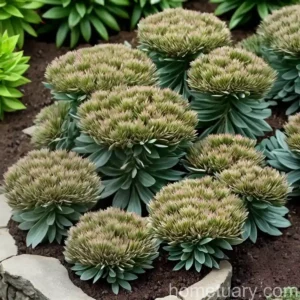
Sedum ‘Lime Twister’ (SunSparkler Series) – A Beautiful and Versatile Plant for Your Garden
Introduction
Welcome to another exciting discussion for plant enthusiasts and gardeners! In this article, we will delve into the world of Sedum ‘Lime Twister’ from the SunSparkler Series. We’ll explore all aspects of this fascinating plant, including its culture, uses, care requirements, common diseases and pests, propagation, and much more. Whether you are a seasoned horticulturist or a novice looking to enhance your green thumb, you’ll find valuable insights and expert tips to make the most of this stunning plant.
What is Sedum ‘Lime Twister’ (SunSparkler Series)?
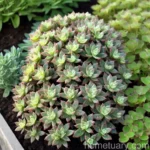
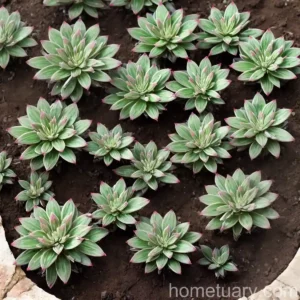
Sedum ‘Lime Twister’, a member of the SunSparkler Series, is a charming and resilient perennial plant that belongs to the Crassulaceae family. Known for its striking foliage and low-maintenance nature, it has gained popularity among gardeners and landscaping enthusiasts alike. This cultivar is prized for its vibrant foliage colors, compact growth habit, and versatility in various garden settings. Whether used in containers, rock gardens, or as groundcover, Sedum ‘Lime Twister’ adds a touch of elegance and allure to any landscape.
Key Takeaways
Let’s take a quick look at the key takeaways for Sedum ‘Lime Twister’ (SunSparkler Series):
- Plant Name: Sedum ‘Lime Twister’ (SunSparkler Series)
- Botanical Family: Crassulaceae
- Common Name: Lime Twister Sedum
- Series: SunSparkler
- Plant Type: Perennial
- Foliage Colors: Variegated green, yellow, and red
- Growth Habit: Compact and spreading
- Uses: Containers, rock gardens, groundcover, borders, and edging
Now that we have an overview of this captivating plant, let’s delve deeper into its culture, care, and other essential aspects.
Culture
Understanding the cultural requirements of Sedum ‘Lime Twister’ is crucial for ensuring its optimal growth and health in your garden. Let’s explore the various cultural aspects, including water, sunlight, fertilizer, soil, and pruning.
Water
Sedum ‘Lime Twister’ thrives in well-draining soil and is remarkably tolerant of drought conditions. While it doesn’t require frequent watering once established, it’s essential to provide adequate moisture during its initial establishment period. Consistent watering in the first growing season helps the plant develop a robust root system. However, be cautious not to overwater, as excessive moisture can lead to root rot and other issues.
- Water Requirements:
- Regular watering during the first growing season
- Once established, water occasionally, especially during prolonged dry spells
Sunlight
As a sun-loving plant, Sedum ‘Lime Twister’ flourishes in bright, full sunlight. When selecting a planting location, ensure that it receives at least 6-8 hours of direct sunlight daily. Insufficient sunlight may result in leggy growth and decreased vibrancy of the foliage. In northern regions with intense summer heat, providing some afternoon shade can be beneficial to prevent leaf scorching.
- Sunlight Requirements:
- Full sun to partial shade, especially in hot climates
- Minimum of 6-8 hours of direct sunlight daily
Fertilizer
Sedum ‘Lime Twister’ is a relatively low-maintenance plant when it comes to fertilization. In nutrient-rich soils, it often thrives without the need for additional fertilizers. However, if you choose to fertilize, a balanced, slow-release fertilizer applied in early spring can support healthy growth and vibrant foliage. Avoid excessive nitrogen, as it can promote lush foliage at the expense of flower production.
- Fertilizer Recommendations:
- Use a balanced, slow-release fertilizer in early spring
- Avoid over-fertilization, especially with high-nitrogen formulas
Soil
Well-draining soil is essential for the success of Sedum ‘Lime Twister’. It performs best in slightly alkaline to neutral soils with good drainage. Amending heavy clay soils with organic matter or coarse sand can improve drainage and create a more suitable growing environment for this resilient plant. Additionally, raised beds or container planting can be effective options for ensuring proper soil drainage.
- Preferred Soil Type:
- Slightly alkaline to neutral soil
- Ensure good drainage to prevent waterlogging
Pruning
Pruning requirements for Sedum ‘Lime Twister’ are minimal, making it an excellent choice for low-maintenance landscapes. While deadheading spent flower clusters can promote additional blooming, it’s not strictly necessary for the plant’s overall health. In late winter or early spring, removing any damaged or overgrown stems can help maintain a tidy and compact appearance.
- Pruning Guidelines:
- Optional deadheading to encourage repeat blooming
- Trim back damaged or overgrown stems in late winter or early spring
Uses
The versatility of Sedum ‘Lime Twister’ extends to a wide range of landscape applications. Let’s explore the various uses of this captivating plant, from containers to groundcover.
Container Planting
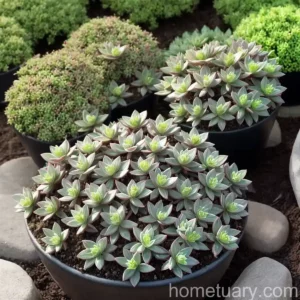
Sedum ‘Lime Twister’ thrives in container settings, adding texture and color to patio gardens, rooftop landscapes, and mixed container arrangements. Its low-growing habit and striking foliage make it an ideal choice for borders and edging, as well as standalone specimen plantings in decorative containers. When selecting containers, ensure adequate drainage to prevent waterlogging, and use a well-draining potting mix tailored to succulents and cacti.
- Container Recommendations:
- Use containers with adequate drainage holes
- Opt for well-draining potting mix for succulents and cacti
Rock Gardens
The unique texture and coloration of Sedum ‘Lime Twister’ make it a perfect candidate for rock gardens and alpine plantings. Its ability to thrive in lean, rocky soils and withstand drought-like conditions makes it well-suited for these challenging environments. When designing a rock garden, consider interspersing ‘Lime Twister’ with other low-growing sedums and alpine plants to create a visually dynamic and water-wise landscape.
- Rock Garden Planting:
- Plant in lean, well-draining soils with good exposure to sunlight
- Pair with other low-growing sedums and alpine plants for a diverse display
Groundcover
With its spreading growth habit and vibrant foliage, Sedum ‘Lime Twister’ serves as an excellent groundcover for sunny areas. Whether used to blanket garden borders, slope plantings, or large expanses, this versatile plant forms a dense mat that suppresses weeds and adds visual interest. Its adaptability to various soil types and minimal maintenance requirements make it an appealing choice for creating cohesive groundcover designs.
- Groundcover Applications:
- Plant in sunny areas with well-draining soil
- Ideal for borders, slopes, and expansive areas requiring weed suppression
Popularity
The rising popularity of Sedum ‘Lime Twister’ (SunSparkler Series) can be attributed to its captivating characteristics and adaptable nature. Gardeners and landscapers appreciate its ability to thrive in diverse settings while adding visual appeal and ecological benefits to the landscape. Whether utilized for its ornamental foliage, low-water needs, or wildlife-friendly attributes, ‘Lime Twister’ has earned its place as a sought-after plant for modern garden designs.
Common Diseases
While Sedum ‘Lime Twister’ is generally resilient to pests and diseases, it’s essential to be mindful of potential issues that can affect its health and vigor. Common diseases that may impact this plant include:
- Powdery Mildew: Occurs in humid and poorly ventilated conditions, leading to a white powdery coating on the foliage.
- Root Rot: Caused by overwatering and poorly drained soils, resulting in yellowing foliage and wilting.
By taking preventive measures and ensuring proper cultural practices, gardeners can minimize the risk of these diseases and safeguard the overall well-being of ‘Lime Twister’.
Disease Diagnosis
Diagnosing potential diseases in Sedum ‘Lime Twister’ involves careful observation of the plant’s foliage, stems, and overall appearance. Look for symptoms such as powdery white patches on the leaves for powdery mildew, and check the root system for signs of rot, including foul odors and mushy roots.
Upon identifying any disease symptoms, prompt action, such as adjusting watering practices, improving air circulation, and applying appropriate fungicidal treatments, can help mitigate the impact and restore the plant’s health.
Common Pests
While generally resistant to most pests, Sedum ‘Lime Twister’ may occasionally encounter pest pressures that require attention. Common pests that may affect this plant include:
- Aphids: Small, soft-bodied insects that cluster on new growth, causing distortion and discoloration of the foliage.
- Scale Insects: Often appear as small, immobile bumps on stems and leaves, leading to yellowing and stunted growth.
Employing natural predatory insects, such as ladybugs and lacewings, and using horticultural oils can provide effective control of these pests without harming beneficial insects or the environment.
Botanist’s Tips
As a plant scientist with a deep appreciation for horticulture, I want to share some valuable tips for cultivating and enjoying Sedum ‘Lime Twister’ to its fullest potential:
-
Optimal Planting Site: Choose a well-drained, sunny location with adequate air circulation to promote vigorous growth and vibrant foliage colors.
-
Mulching Benefits: Apply a thin layer of organic mulch around the base of the plant to conserve soil moisture and moderate soil temperatures, particularly in hot climates.
-
Wildlife Attraction: Embrace the pollinator-friendly qualities of ‘Lime Twister’ by observing the diverse array of butterflies, bees, and other beneficial insects that are attracted to its summer blooms.
-
Seasonal Maintenance: During the winter months, provide minimal protection for Sedum ‘Lime Twister’ in colder regions by mulching around the base to insulate the root system from extreme temperatures.
Fun Facts
To wrap up our exploration of Sedum ‘Lime Twister’, here are some intriguing and delightful fun facts about this captivating plant:
-
The variegated foliage of ‘Lime Twister’ transforms with the seasons, displaying hues of green, yellow, and red at different times of the year.
-
Sedum ‘Lime Twister’ is known for its resilience in challenging environments and ability to thrive in poor, rocky soils, making it a fitting choice for sustainable and water-wise landscapes.
-
When planted as part of a mixed container garden, ‘Lime Twister’ offers a striking contrast to other succulents, grasses, and flowering plants, creating dynamic and eye-catching combinations.
Links to External Resources
For further information and resources on Sedum ‘Lime Twister’ (SunSparkler Series), I recommend exploring the following links:
-
The Sedum Nomenclature – A comprehensive publication on the nomenclature and classification of Sedum species, including ‘Lime Twister’.
-
Sedum ‘Lime Twister’ – Plant Care Guide – An in-depth plant care guide outlining the cultural requirements, landscaping uses, and propagation methods for ‘Lime Twister’.
In conclusion, Sedum ‘Lime Twister’ from the SunSparkler Series stands out as a charismatic and versatile plant with a myriad of applications in the modern garden. Whether utilized for its vibrant foliage, low-maintenance nature, or ecological benefits, this plant brings a touch of elegance and allure to any landscape. By embracing its unique characteristics and following the recommended care guidelines, gardeners can create captivating displays and sustainable landscapes that showcase the enduring beauty of ‘Lime Twister’.
Remember, the key to successful gardening with Sedum ‘Lime Twister’ lies in understanding its preferences, adapting to its needs, and appreciating the natural beauty it adds to our outdoor spaces. Happy gardening, and may the ‘Lime Twister’ bring joy and inspiration to your garden for years to come!