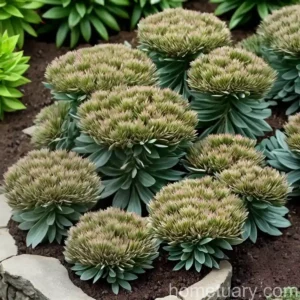
Sedum ‘Marina’ (Stonecrop): A Comprehensive Guide
Sedum ‘Marina’, commonly known as Stonecrop ‘Marina’, is a beautiful and versatile perennial plant that belongs to the Crassulaceae family. Its unique foliage and low-maintenance nature make it a popular choice for gardens and landscapes. In this comprehensive guide, we will explore the various aspects of Sedum ‘Marina’, including its culture, uses, care requirements, propagation techniques, common diseases and pests, and much more. Whether you’re a seasoned gardener or just getting started with plants, this guide will provide valuable insights into cultivating and enjoying the beauty of Sedum ‘Marina’.
What is Sedum ‘Marina’ (Stonecrop)?
Sedum ‘Marina’ is a variety of sedum, which is a large genus of flowering plants in the family Crassulaceae. It is a succulent perennial that is prized for its attractive, fleshy foliage and vibrant blooms. The plant is native to North America and is known for its ability to thrive in various growing conditions, making it a popular choice for gardeners and landscapers.
Key Takeaways – Sedum ‘Marina’ (Stonecrop)
Before delving into the specific details of Sedum ‘Marina’ care, it’s important to highlight some key takeaways of this unique plant variety. These takeaways will give you a quick overview of the plant’s characteristics and requirements.
- Plant Type: Perennial Succulent
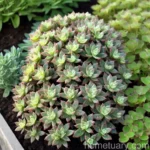
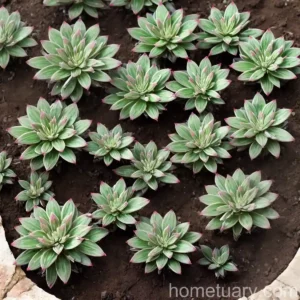
- Foliage: Fleshy, Blue-Green Leaves
- Flowers: Star-shaped, Clusters of Pink Blooms
- Growth Habit: Trailing, Spreading
- Hardiness Zone: 3-9
- Watering Needs: Low to Moderate
- Sunlight Requirements: Full Sun to Partial Shade
- Soil Preferences: Well-draining, Sandy Soil
- Uses: Ground Cover, Container Plant, Rock Gardens, Edging
- Maintenance: Low
Culture
Understanding the cultural requirements of Sedum ‘Marina’ is essential for ensuring its healthy growth and overall well-being. Let’s explore the key cultural aspects, including its water, sunlight, fertilizer, soil, and pruning needs.
Water
Sedum ‘Marina’ is a drought-tolerant plant that prefers moderate watering. While it can withstand dry conditions, especially once established, regular watering is essential during the initial stages of growth and in prolonged periods of drought. The plant should be watered thoroughly but allowed to dry out between waterings to prevent root rot.
| Watering Needs | |
|---|---|
| Frequency | Moderate |
| Method | Direct Soil or Base of Container |
| Signs of Overwatering | Yellowing Leaves, Rotting |
| Signs of Underwatering | Wilting, Leaf Curling |
Sunlight
Sedum ‘Marina’ thrives in full sun to partial shade. It requires at least 6-8 hours of sunlight per day to promote healthy growth and vibrant blooms. When grown in low-light conditions, the plant may become leggy and exhibit reduced flowering.
| Sunlight Requirements | |
|---|---|
| Ideal Exposure | Full Sun to Partial Shade |
| Indoor Lighting | Bright, Indirect Light for Indoor Cultivation |
| Outdoor Placement | South or East-Facing Exposure |
Fertilizer
As a low-maintenance plant, Sedum ‘Marina’ has minimal fertilizer needs. A well-balanced, water-soluble fertilizer can be applied sparingly during the growing season to provide essential nutrients for healthy growth and blooming.
| Fertilizer | |
|---|---|
| Application | Once in Spring |
| Type | Balanced, Water-Soluble Fertilizer |
| Frequency | Yearly Application |
Soil
The soil preferences of Sedum ‘Marina’ are centered around well-draining, sandy soil. It is important to provide a growing medium that allows excess moisture to escape, preventing waterlogged conditions that can harm the plant’s roots.
| Soil Preferences | |
|---|---|
| Type | Well-Draining, Sandy |
| pH Level | Slightly Alkaline |
| Amendments | Permeability Enhancement with Perlite or Grit |
Pruning
Pruning is typically minimal for Sedum ‘Marina’, largely focused on the removal of dead, damaged, or overgrown stems to maintain a tidy appearance. Regular deadheading of spent blooms can also encourage additional flowering and prevent self-seeding in garden settings.
| Pruning | |
|---|---|
| Timing | Spring or Early Summer |
| Technique | Removal of Dead/Damaged Stems, Deadheading |
| Frequency | As Needed |
Uses
Sedum ‘Marina’ serves multiple purposes in garden and landscaping settings, making it a versatile and valuable addition to various outdoor spaces. Let’s explore some of the primary uses of this plant variety.
-
Ground Cover: Its trailing habit and dense foliage make Sedum ‘Marina’ an excellent ground cover option for sunny and well-drained areas. The plant forms a lush carpet of blue-green leaves and produces clusters of pink flowers, adding visual interest to the landscape.
-
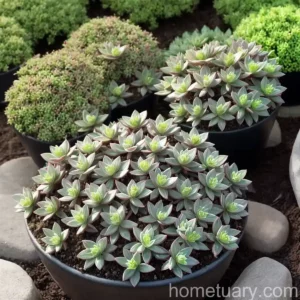
Container Plant: Due to its compact growth and low-maintenance nature, Sedum ‘Marina’ is well-suited for container gardening. It thrives in pots, planters, and hanging baskets, adding a unique touch to patio, balcony, or indoor spaces.
-
Rock Gardens: The drought-tolerant and rock garden-friendly nature of Sedum ‘Marina’ makes it a popular choice for rockeries and alpine gardens. Its ability to thrive in poor soil conditions and provide seasonal interest through blooms and foliage adds diversity to rock garden landscapes.
-
Edging: With its spreading habit and attractive foliage, Sedum ‘Marina’ can be used for edging along pathways, borders, or flower beds. Its low-growing nature and adaptability to various soil types make it an ideal candidate for defining garden edges.
Propagation
Understanding the propagation techniques for Sedum ‘Marina’ is essential for gardeners looking to expand their plant collection or share this unique variety with others. The following methods can be used for successful propagation of Sedum ‘Marina’.
-
Division: The division of mature clumps or offsets is a common propagation method for Sedum ‘Marina’. This can be done in the early spring, separating the rooted offsets and replanting them in desired locations.
-
Cuttings: Stem cuttings can be taken from healthy, non-flowering stems of Sedum ‘Marina’ and rooted in a suitable growing medium. This method allows for the creation of new plants that are genetically identical to the parent plant.
-
Seeds: While less common due to the plant’s ability to propagate through division and cuttings, Sedum ‘Marina’ can also be grown from seeds. Collecting and sowing ripe seeds can result in new plants with varying characteristics, adding to the genetic diversity within the species.
Container Popularity
The popularity of Sedum ‘Marina’ as a container plant stems from its compact growth habit, attractive foliage, and low-maintenance requirements. Whether grown in individual containers or combined with other succulents and perennials, this plant variety adds visual interest to outdoor and indoor spaces.
Common Uses of Container-Grown Sedum ‘Marina’
-
Patio and Balcony Gardens: When grown in containers, Sedum ‘Marina’ thrives on patios, balconies, and other outdoor living areas. Its trailing nature and seasonal blooms make it a popular choice for adding color and texture to small-space gardens.
-
Hanging Baskets: The cascading growth habit of Sedum ‘Marina’ makes it an ideal candidate for hanging baskets. When combined with other trailing plants or succulents, it creates visually appealing arrangements with minimal maintenance requirements.
-
Mixed Container Gardens: Sedum ‘Marina’ can be combined with other container plants, such as ornamental grasses, flowering annuals, or taller perennials, to create diverse and attractive container gardens. Its versatility allows it to complement a wide range of plant species and styles.
Common Diseases
Sedum ‘Marina’ is generally resistant to many common plant diseases, thanks to its succulent nature and adaptation to various environmental conditions. However, like any plant, it may be susceptible to certain issues under specific circumstances.
Disease Diagnosis and Management:
Crown Rot
- Symptoms: Soft, Water-Soaked Areas at the Base of the Plant, Discolored Stems
- Cause: Overly Moist, Poorly Draining Soil
- Management: Improve Soil Drainage, Reduce Watering Frequency, Remove Affected Tissues
- Prevention: Plant in Well-Draining Soil, Avoid Overwatering
Powdery Mildew
- Symptoms: White, Powdery Coating on Foliage, Stunted Growth
- Cause: Humid Conditions, Poor Air Circulation
- Management: Remove Affected Leaves, Apply Fungicidal Sprays
- Prevention: Prune for Airflow, Avoid Overhead Watering, Increase Sunlight Exposure
Stem and Root Rot
- Symptoms: Darkening or Softening of Stems and Roots, Wilting
- Cause: Excessive Moisture, Poor Drainage
- Management: Reduce Watering, Improve Drainage, Prune and Dispose of Affected Parts
- Prevention: Ensure Well-Draining Soil, Allow for Drying Between Waterings
Aphid Infestation
- Symptoms: Sticky Residue on Leaves, Distorted Growth, Presence of Aphids
- Cause: Aphid Infestation
- Management: Remove Aphids by Hand, Apply Insecticidal Soap or Neem Oil
- Prevention: Monitor for Early Signs, Encourage Natural Predators (Ladybugs)
Leaf Spot
- Symptoms: Circular, Dark Spots on Leaves, Leaf Discoloration
- Cause: Fungal or Bacterial Pathogens
- Management: Remove Affected Leaves, Apply Fungicidal Sprays
- Prevention: Avoid Overhead Watering, Improve Air Circulation
Common Pests
Sedum ‘Marina’ is relatively resistant to pests but may still occasionally experience infestations. Recognizing and addressing common pests is essential for maintaining the plant’s health and vitality.
Common Pests:
Spider Mites
- Identification: Tiny, Webbing-Producing Pests on Undersides of Leaves
- Management: Rinse with Water, Apply Insecticidal Soap
- Prevention: Increase Humidity, Monitor for Signs of Infestation
Mealybugs
- Identification: White, Cottony Pests on Stems and Leaf Joints
- Management: Remove with Cotton Swabs, Apply Insecticidal Soap
- Prevention: Inspect New Plants, Quarantine New Additions
Scale Insects
- Identification: Small, Hard-Shelled Insects on Stems or Leaves
- Management: Remove with Cotton Swabs, Apply Horticultural Oil
- Prevention: Monitor for Signs, Inspect Plants Regularly
Botanist’s Tips
As a plant enthusiast, understanding the intricacies of Sedum ‘Marina’ can enhance your gardening experience and contribute to the success of these beautiful plants. Here are some valuable botanist’s tips for cultivating and enjoying Sedum ‘Marina’ to the fullest.
-
Soil Drainage: Prioritize well-draining soil to avoid waterlogged conditions, which can be detrimental to the plant’s overall health.
-
Sunlight: Provide ample sunlight for robust growth and prolific flowering. Inadequate light can lead to leggy growth and reduced blooming.
-
Watering: Practice moderation in watering, especially after the plant has become established. Overly moist conditions can lead to root rot and other issues.
-
Pruning: Regular maintenance, including deadheading spent blooms and removing dead or damaged stems, can promote a tidy appearance and encourage additional flowering.
-
Propagation: Experiment with different propagation methods, such as division and cuttings, to expand your collection of Sedum ‘Marina’ plants and share them with fellow gardening enthusiasts.
-
Pest and Disease Monitoring: Regularly inspect your plants for signs of pests and diseases, allowing for timely intervention and management when necessary.
-
Companion Planting: Explore companion planting options to enhance the visual appeal and biodiversity of your garden space, considering plants that complement the qualities of Sedum ‘Marina’.
Fun Facts
- The name “Sedum” is derived from the Latin word “sedere,” which means “to sit,” referencing the plant’s low-growing and spreading habit.
- Sedum ‘Marina’ is known for attracting pollinators, such as bees and butterflies, with its nectar-rich blooms and ample landing platforms provided by its dense foliage.
- Some sedum varieties, including ‘Marina’, are edible and can be used in culinary applications, adding a unique touch to salads and other dishes with their succulent leaves.
Links to External Resources
To further expand your knowledge about Sedum ‘Marina’ and explore additional resources, consider the following links:
- The Royal Horticultural Society (RHS) – Sedum
- University of Florida IFAS Extension – Sedum Plant Selection and Preparation
- North Carolina State University – Hardy Succulents for the Southeast
- The Spruce – Sedum Plant Profile
By exploring these resources, you can gain valuable insights, tips, and best practices for growing and enjoying Sedum ‘Marina’ in various gardening and landscaping contexts.
In conclusion, Sedum ‘Marina’ (Stonecrop) is a captivating and resilient plant that adds vibrant color, texture, and visual appeal to gardens, containers, and landscapes. Understanding its cultural requirements, uses, propagation methods, and pest and disease management is essential for fostering its healthy growth and maximizing its ornamental value. Whether as a ground cover, container feature, or rock garden element, Sedum ‘Marina’ stands out as a versatile and low-maintenance addition to any outdoor space. With proper care and appreciation for its unique qualities, this plant variety can thrive and delight gardening enthusiasts for years to come.