Sedum ‘Dazzleberry’ (SunSparkler Series) – A Comprehensive Guide
Sedum ‘Dazzleberry’ is a stunning perennial plant belonging to the SunSparkler Series. This exceptional plant is celebrated for its vibrant color, easy maintenance, and versatility in various garden settings. In this comprehensive guide, we will delve into the characteristics, culture, uses, and propagation techniques of Sedum ‘Dazzleberry’ to help you maximize the potential of this remarkable plant in your garden.
What is Sedum ‘Dazzleberry’ (SunSparkler Series)?
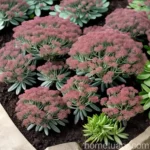
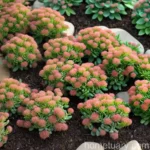
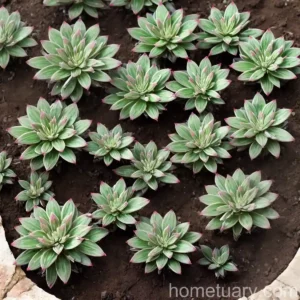
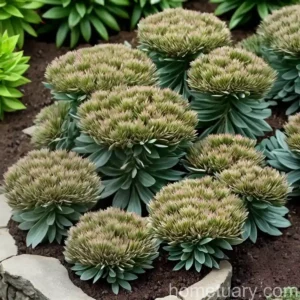
Sedum ‘Dazzleberry’ is a member of the SunSparkler Series, which is renowned for its compact growth habit and vibrant foliage colors. This particular sedum variety is characterized by its stunning blue-green foliage that takes on a purplish hue in late summer, providing a mesmerizing display in the garden. Additionally, Sedum ‘Dazzleberry’ produces clusters of bright pink flowers that further enhance its visual appeal. With its low-growing, spreading nature, Sedum ‘Dazzleberry’ serves as an excellent groundcover and is ideal for borders, rock gardens, and containers.
Key Takeaways – Sedum ‘Dazzleberry’ (SunSparkler Series)
Before delving into the specifics of caring for Sedum ‘Dazzleberry’, let’s explore some key takeaways that highlight its essential characteristics, uses, and ideal growing conditions.
-
Colorful Foliage: The blue-green foliage of Sedum ‘Dazzleberry’ transforms into a striking purplish shade in late summer, creating a captivating visual impact in the garden.
-
Compact Growth Habit: This sedum variety exhibits a low-growing and spreading growth habit, making it an excellent choice for groundcover and borders.
-
Versatile Uses: From rock gardens to containers and garden borders, Sedum ‘Dazzleberry’ offers versatility in its applications and can thrive in various garden settings.
-
Low Maintenance: With minimal care requirements, this sedum variety is an ideal choice for gardeners seeking low-maintenance yet visually appealing plants.
Now, let’s explore the specific cultural requirements, uses, and propagation techniques for Sedum ‘Dazzleberry’ to ensure its successful growth and thriving presence in your garden.
Culture
Understanding the cultural requirements of Sedum ‘Dazzleberry’ is crucial for nurturing its growth and promoting its visual appeal. From water and sunlight needs to soil preferences and propagation guidelines, here’s a comprehensive overview of the plant’s culture.
Water
Sedum ‘Dazzleberry’ exhibits a remarkable tolerance for drought conditions, making it well-suited for low-water landscapes and xeriscaping projects. While the plant can thrive in dry conditions, it’s important to provide adequate water during its establishment phase and extended periods of dry weather. Once established, Sedum ‘Dazzleberry’ typically requires minimal supplemental watering, relying on natural rainfall to meet its moisture needs. Overwatering should be avoided, as sedums are susceptible to root rot in excessively wet soil.
Sunlight
One of the key factors contributing to the vibrant foliage color and overall health of Sedum ‘Dazzleberry’ is adequate sunlight. This sedum variety thrives in full sun to partial shade, with at least 6 hours of direct sunlight being ideal for robust growth and intense coloration. When grown in partial shade, the plant may exhibit slightly less intense coloration but will still thrive in the right conditions.
Fertilizer
Sedum ‘Dazzleberry’ is not particularly demanding when it comes to fertilizer. In fact, excessive fertilization can lead to overly lush growth and diminished color intensity. A balanced, slow-release fertilizer applied in early spring as new growth emerges is generally sufficient to support the plant’s nutritional needs. It’s important to follow the manufacturer’s instructions regarding application rates and timing to prevent overfeeding the sedum.
Soil
Well-draining soil is essential for the successful cultivation of Sedum ‘Dazzleberry’. The plant thrives in moderately fertile, loose, and well-draining soil, with a preference for slightly acidic to neutral soil pH. Amending heavy or compacted soil with organic matter can improve drainage and create an optimal growing environment for the sedum. Additionally, ensuring good air circulation around the plant’s root system is important to prevent moisture-related issues.
Pruning
Pruning requirements for Sedum ‘Dazzleberry’ are minimal, thanks to its compact growth habit and tidy appearance. Deadheading spent flowers can promote continuous blooming and prevent the plant from self-seeding excessively. Additionally, removing any damaged or discolored foliage can contribute to a neat and healthy appearance. However, extensive pruning is typically unnecessary for this low-maintenance sedum variety.
Propagation
Propagating Sedum ‘Dazzleberry’ is relatively straightforward, offering gardeners the opportunity to expand their plantings or share this delightful sedum with fellow gardening enthusiasts. The plant can be propagated through division or stem cuttings, both of which are effective methods for creating new plants. Division is commonly performed in early spring, while stem cuttings can be taken during the active growing season for successful propagation.
Uses
Sedum ‘Dazzleberry’ offers a multitude of uses in various garden settings, thanks to its striking appearance and adaptability. Whether you’re envisioning vibrant groundcover, captivating container displays, or colorful borders, this versatile sedum can fulfill diverse landscaping and gardening needs. Here are some of the primary uses for Sedum ‘Dazzleberry’:
-
Groundcover: With its low-growing and spreading nature, Sedum ‘Dazzleberry’ serves as an excellent groundcover, creating a visually appealing carpet of colorful foliage and delicate pink flowers.
-
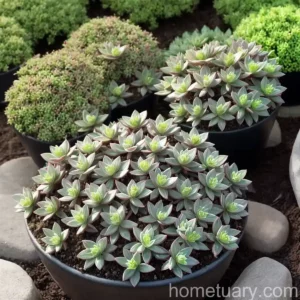
Containers: The compact growth habit of Sedum ‘Dazzleberry’ makes it well-suited for container plantings. Whether showcased in a solo container or integrated into mixed arrangements, the sedum lends its vibrant colors to container gardens.
-
Borders: Along garden borders and edging, Sedum ‘Dazzleberry’ can add a pop of color and lush texture. Its easy-care nature and captivating appearance make it an excellent choice for defining garden boundaries.
-
Rock Gardens: The drought-tolerant and low-maintenance characteristics of Sedum ‘Dazzleberry’ make it an ideal candidate for rock gardens, where it can thrive in well-draining soil and sunny conditions.
Common Diseases
While Sedum ‘Dazzleberry’ is generally resistant to most pests and diseases, there are a few issues that may occasionally affect its health and appearance. Being vigilant and addressing any signs of disease promptly can help maintain the plant’s vigor and visual appeal.
Disease Diagnosis
Some of the common diseases that may impact Sedum ‘Dazzleberry’ include:
-
Powdery Mildew: This fungal disease can manifest as a powdery white substance on the plant’s foliage, leading to reduced photosynthesis and aesthetic degradation. Proper air circulation, adequate sunlight, and selectively pruning affected foliage can help mitigate powdery mildew.
-
Root Rot: Excessive moisture in the soil, typically due to poor drainage or overwatering, can predispose sedums to root rot. Symptoms include wilting, yellowing foliage, and decayed roots. Improving soil drainage and adjusting watering practices can help prevent root rot.
-
Stem Rot: Prolonged exposure to overly wet conditions can also result in stem rot, leading to wilting and discoloration of the plant’s stems. Preventing waterlogged soil and providing proper airflow around the plant can reduce the risk of stem rot.
Common Pests
Sedum ‘Dazzleberry’ is generally resistant to most insect pests; however, a few pests may occasionally pose a threat to its health and vitality. Common pests that may affect Sedum ‘Dazzleberry’ include:
-
Aphids: These small, sap-sucking insects can congregate on the new growth of sedums, causing distorted leaves and stunting growth. Insecticidal soaps or horticultural oils can effectively control aphid infestations.
-
Snails and Slugs: These voracious feeders can damage the foliage of Sedum ‘Dazzleberry’, particularly in damp conditions. Employing physical barriers, such as copper tape or diatomaceous earth, can help protect the plant from snail and slug damage.
Botanist’s Tips
To ensure the successful cultivation and maintenance of Sedum ‘Dazzleberry’, consider incorporating the following botanist’s tips into your gardening practices:
-
Plant Spacing: When planting Sedum ‘Dazzleberry’, ensure adequate spacing between individual plants to accommodate their spreading growth habit. Providing ample room for the sedum to thrive can contribute to optimal air circulation and prevent overcrowding.
-
Mulching: Apply a layer of organic mulch around the base of Sedum ‘Dazzleberry’ to conserve soil moisture, suppress weed growth, and maintain a uniform soil temperature. Avoid placing mulch directly against the plant’s stems to prevent moisture-related issues.
-
Winter Protection: In regions with harsh winters, consider providing a layer of mulch or winter cover to protect the plant’s root system from extreme cold and frost. This extra precaution can safeguard the sedum’s vitality during the winter months.
-
Companion Planting: Pairing Sedum ‘Dazzleberry’ with complementary companion plants can create visually appealing and ecologically beneficial garden compositions. Consider incorporating pollinator-friendly and drought-tolerant plants to enhance the overall aesthetic and ecological value of your garden.
Fun Facts
Uncover some fascinating fun facts about Sedum ‘Dazzleberry’ that showcase its unique characteristics and contributions to the garden landscape:
-
Attracts Pollinators: The vibrant flowers of Sedum ‘Dazzleberry’ are attractive to pollinators such as bees and butterflies, contributing to the ecological diversity of garden spaces.
-
Winter Interest: Even during the winter months, the dried flower heads and persistent foliage of Sedum ‘Dazzleberry’ can offer visual interest in the garden, creating an appealing contrast against the winter landscape.
-
Diverse Color Variations: While Sedum ‘Dazzleberry’ is celebrated for its blue-green foliage and pink flowers, it also offers various color variations in different growing conditions and seasons, adding to its visual allure.
Links to External Resources
For further exploration of Sedum ‘Dazzleberry’ and its role in garden landscapes, consider delving into the following external resources:
- The New York Botanical Garden
- Royal Horticultural Society (RHS)
- American Horticultural Society (AHS)
- Missouri Botanical Garden
Conclusion
Sedum ‘Dazzleberry’ from the SunSparkler Series stands as a captivating and versatile addition to garden landscapes, offering vibrant foliage, low-maintenance care, and adaptability to various garden settings. With its drought-tolerant nature, colorful flowers, and compact growth habit, this sedum variety presents an array of possibilities for groundcover, container displays, and borders. By understanding its cultural requirements, uses, and propagation techniques, you can harness the full potential of Sedum ‘Dazzleberry’ in your garden and appreciate its enduring beauty throughout the seasons.
By integrating the botanist’s tips and fun facts into your gardening endeavors, you can elevate your experience with Sedum ‘Dazzleberry’ and create a visually striking and ecologically valuable garden space. Whether you’re a seasoned gardener seeking new plant additions or a beginner looking to cultivate an enchanting landscape, Sedum ‘Dazzleberry’ holds great promise for fulfilling your garden aspirations. Embrace the allure of this exceptional sedum variety and embark on a journey of vibrant colors, pollinator interactions, and enduring beauty with Sedum ‘Dazzleberry’ from the SunSparkler Series.