Sedum ‘Little Miss Sunshine’ (Stonecrop): A Versatile and Beautiful Succulent
Sedum ‘Little Miss Sunshine’, commonly known as Stonecrop, is a delightful succulent plant that has gained popularity among gardeners for its low maintenance, vibrant appearance, and adaptability to various growing conditions. In this comprehensive guide, we will delve into the various aspects of cultivating and caring for Sedum ‘Little Miss Sunshine’, including its culture, uses, water and sunlight requirements, fertilizer needs, soil preferences, pruning techniques, propagation methods, common diseases and pests, as well as interesting botanist’s tips and fun facts.
What is Sedum ‘Little Miss Sunshine’ (Stonecrop)?
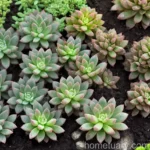
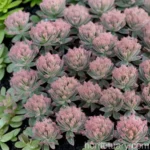
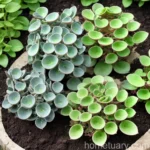
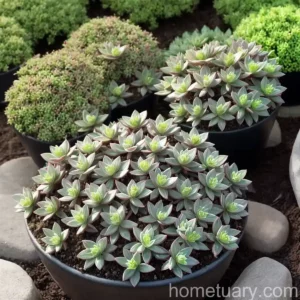
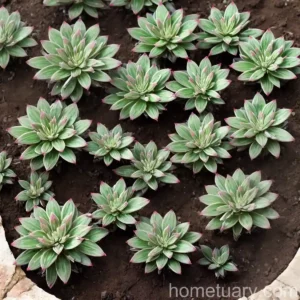
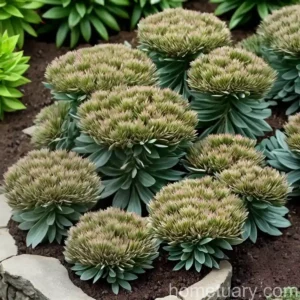
Sedum ‘Little Miss Sunshine’ is a compact and charming succulent that belongs to the Crassulaceae family. It is native to North America and is characterized by its striking golden-yellow foliage, which makes it a standout addition to rock gardens, borders, containers, and hanging baskets. This variety is particularly appreciated for its exceptional drought tolerance and the ability to thrive in challenging conditions, making it an excellent choice for both novice and experienced gardeners.
Now, let’s explore the diverse facets of this enchanting plant, from its cultural requirements and uses to its propagation and common diseases.
Key Takeaways – Sedum ‘Little Miss Sunshine’ (Stonecrop)
Culture
Uses
- Landscaping and garden borders
- Groundcover in sunny areas
- Rock gardens and vertical gardening
- Container plantings
- Low-maintenance gardens
- Medicinal uses
Water
- Drought tolerance
- Water-wise gardening
- Moderate watering needs
Sunlight
- Sun-loving plant
- Requires at least 6 hours of direct sunlight
- Heat-tolerant
Fertilizer
- Minimal fertilizer requirements
- Use of well-balanced, low-nitrogen fertilizers
Soil
- Well-draining soil
- Ideal pH range of 6.0 to 7.0
- Suitable for poor, rocky soil
Pruning
- Limited pruning needs
- Deadheading for prolonged blooming
Propagation
- Easy propagation through stem cuttings
- Division of clumps
- Sowing seeds
Container
- Suitable for container gardening
- Well-draining containers
- Minimal maintenance
Popularity
- Growing popularity in landscaping
- Increasing use in xeriscaping
- Embraced by succulent enthusiasts
Common Diseases
- Prevention of fungal diseases
- Management of rot issues
- Disease-resistant attributes
Disease Diagnosis
- Identification of fungal infections
- Symptoms and visual cues
Common Pests
- Control of aphids
- Prevention of mealybugs
- Pest-resistant qualities
Botanist’s Tips
- Companion planting for pollinators
- Cold hardiness considerations
- Unique growth habit
- Symbolism in horticulture
Fun Facts
- Decorative appeal in winter
- Seasonal color changes
- Symbolic significance in cultural contexts
Links to External Resources
For further information on Sedum ‘Little Miss Sunshine’, you may find the following resources helpful:
– The Royal Horticultural Society
– Missouri Botanical Garden
– American Horticultural Society
Now that we have outlined the key takeaways, let’s delve deeper into each aspect of caring for Sedum ‘Little Miss Sunshine’.
Sedum ‘Little Miss Sunshine’ (Stonecrop) Care
Planting Tips
When considering planting Sedum ‘Little Miss Sunshine’ in your garden or containers, here are some essential tips to ensure optimal growth and development:
- Best Conditions for Sedum ‘Little Miss Sunshine’
- Select a sunny location with well-draining soil for planting. Ensure that it receives at least 6 hours of direct sunlight daily.
- Choose a planting site with good air circulation to minimize the risk of fungal diseases.
- Consider the plant’s low-maintenance and drought-tolerant nature when integrating it into your landscape.
Watering Requirements
Proper watering practices are crucial for the health of Sedum ‘Little Miss Sunshine’. Here are the key considerations:
- Water-Wise Gardening
- As a drought-tolerant succulent, Sedum ‘Little Miss Sunshine’ thrives in arid conditions and requires minimal watering once established.
- Water deeply but infrequently to encourage robust root development. Allow the soil to dry out between watering sessions to prevent root rot.
Soil Preferences
The choice of soil is pivotal in ensuring the well-being of Sedum ‘Little Miss Sunshine’. Consider the following:
- Well-Draining Soil
- Opt for well-draining soil with a pH range of 6.0 to 7.0, ensuring effective water drainage and preventing waterlogged conditions.
- If needed, amend heavier soils with sand or gravel to enhance drainage for the plant’s root system.
Sun Exposure
Sedum ‘Little Miss Sunshine’ thrives in sunlight-rich environments and showcases enhanced foliage coloration when exposed to ample sunlight. Here’s what you need to know about its sunlight requirements:
- Sunny Gardens
- Choose a location with full sun exposure to support the plant’s vibrant yellow foliage and flowering.
- Ensure that the plant receives adequate light to maintain its compact growth habit and prevent legginess.
Fertilizer Needs
While Sedum ‘Little Miss Sunshine’ does not demand frequent fertilization, providing minimal nutrients can support its overall vitality. Consider the following tips:
- Low-Nitrogen Fertilizers
- Utilize a well-balanced, low-nitrogen fertilizer during the growing season to supplement the plant’s nutritional requirements without promoting excessive foliage growth.
Pruning Techniques
Sedum ‘Little Miss Sunshine’ exhibits minimal pruning needs, primarily focused on facilitating its growth and extending flowering periods. Here are some pruning tips:
- Deadheading
- Remove spent flower heads to encourage continuous blooming and maintain the plant’s aesthetic appeal throughout the season.
- Furthermore, deadheading supports the plant’s energy allocation towards new growth and flower production.
Propagation Methods
Propagation allows for the expansion of your Sedum ‘Little Miss Sunshine’ collection or the sharing of its beauty with others. Consider the following propagation techniques:
- Stem Cuttings
- Propagate the plant through stem cuttings taken during the growing season. Ensure that the cuttings have ample time to callus before planting in well-draining soil.
-
Place the cuttings in indirect light and maintain consistent moisture levels until rooted.
-
Division
-
Divide mature clumps of Sedum ‘Little Miss Sunshine’ to create new plants. This method is particularly effective for rejuvenating overcrowded plantings and expanding its presence in the landscape.
-
Seeds
- If desired, gather and sow the seeds of Sedum ‘Little Miss Sunshine’ to yield new plants. Ensure proper seed storage and germination conditions for successful propagation.
Container Gardening
Sedum ‘Little Miss Sunshine’ is an excellent candidate for container plantings, offering versatility and charm in various settings. Here’s how to optimize its growth in containers:
- Container Selection
- Choose well-draining containers to prevent water stagnation and provide adequate aeration for the plant’s roots.
-
Utilize containers with ample depth to accommodate its root system and maintain stability.
-
Container Maintenance
- Moisture management is critical in container gardening. Balance water needs by monitoring the soil’s moisture content and avoiding overwatering.
Common Diseases and Pest Control
Sedum ‘Little Miss Sunshine’ boasts inherent resilience against most diseases and pests, making it a hassle-free addition to gardens. However, here are some key considerations for disease prevention and pest control:
- Disease Prevention
- Ensure proper air circulation and avoid overhead watering to prevent fungal diseases such as powdery mildew and leaf spot.
-
Promptly remove any damaged or diseased foliage to prevent the spread of infection and enhance the plant’s overall health.
-
Pest Control
- Monitor the plant for the presence of aphids and mealybugs, particularly in indoor or greenhouse settings. Employ organic pest control methods if necessary to maintain a pest-free environment for the plant.
The diverse uses, adaptability, and low-maintenance nature of Sedum ‘Little Miss Sunshine’ make it a sought-after addition to gardens and landscapes. Its striking foliage, vibrant blooms, and resistance to adverse conditions contribute to its increasing popularity and widespread appreciation among gardeners and horticultural enthusiasts.
Conclusion
Sedum ‘Little Miss Sunshine’ (Stonecrop) stands out as a versatile and resilient succulent, offering a myriad of benefits for both indoor and outdoor settings. Its water-wise nature, minimal maintenance requirements, and captivating aesthetic appeal make it a valuable addition to any garden or landscape. From its use as a groundcover to its role in container gardening and its symbolic significance, Sedum ‘Little Miss Sunshine’ continues to captivate plant enthusiasts and horticultural professionals alike.
This guide has provided an in-depth exploration of the cultural requirements, uses, propagation methods, and disease management of Sedum ‘Little Miss Sunshine’, offering valuable insights for gardeners seeking to cultivate and care for this charming succulent. By embracing the unique attributes and applications of Sedum ‘Little Miss Sunshine’, gardeners can elevate their landscapes with a touch of vibrant elegance and enduring beauty.
We invite you to embark on your journey with Sedum ‘Little Miss Sunshine’ and witness the remarkable charm and resilience that this captivating succulent brings to your garden or living space.
Keywords: Sedum ‘Little Miss Sunshine’ care, Stonecrop plant varieties, Sedum ‘Little Miss Sunshine’ propagation, best conditions for Sedum ‘Little Miss Sunshine’, how to grow Sedum ‘Little Miss Sunshine’, Stonecrop plants for sunny gardens, Sedum ‘Little Miss Sunshine’ characteristics, Sedum ‘Little Miss Sunshine’ planting tips, Stonecrop succulent care, Sedum ‘Little Miss Sunshine’ watering requirements, Sedum ‘Little Miss Sunshine’ soil preferences, Stonecrop ground cover plants, Sedum ‘Little Miss Sunshine’ container gardening, Sedum ‘Little Miss Sunshine’ pruning techniques, Stonecrop plant uses in landscaping, Sedum ‘Little Miss Sunshine’ disease prevention, Sedum ‘Little Miss Sunshine’ indoor care, Stonecrop plant companion plants, Sedum ‘Little Miss Sunshine’ seasonality, Sedum ‘Little Miss Sunshine’ growth habit, Stonecrop plant benefits for pollinators, Sedum ‘Little Miss Sunshine’ cold hardiness, Sedum ‘Little Miss Sunshine’ decorative appeal, Stonecrop plants for rock gardens, Sedum ‘Little Miss Sunshine’ sun exposure, Sedum ‘Little Miss Sunshine’ water-wise gardening, Stonecrop plant unique features, Sedum ‘Little Miss Sunshine’ drought tolerance, Sedum ‘Little Miss Sunshine’ container planting ideas, Stonecrop plant symbolism, Sedum ‘Little Miss Sunshine’ pest control, Sedum ‘Little Miss Sunshine’ companion planting, Stonecrop plants for border planting, Sedum ‘Little Miss Sunshine’ foliage color, Sedum ‘Little Miss Sunshine’ propagation methods, Stonecrop plant groundcover benefits, Sedum ‘Little Miss Sunshine’ container arrangements, Sedum ‘Little Miss Sunshine’ flower structure, Stonecrop plants for low-maintenance gardens, Sedum ‘Little Miss Sunshine’ blossom duration, Sedum ‘Little Miss Sunshine’ container selection, Stonecrop plant medicinal uses, Sedum ‘Little Miss Sunshine’ container maintenance, Sedum ‘Little Miss Sunshine’ unique growth pattern, Stonecrop plant cultural significance, Sedum ‘Little Miss Sunshine’ winter care, Sedum ‘Little Miss Sunshine’ natural habitat, Stonecrop plants for vertical gardening, Sedum ‘Little Miss Sunshine’ heat tolerance, Sedum ‘Little Miss Sunshine’ leaf shape