All About Sedum hispanicum var. minus ‘Purple Form’ (Spanish Stonecrop)
Sedum hispanicum var. minus ‘Purple Form’, commonly known as Spanish Stonecrop, is a charming and versatile succulent that has gained popularity among gardeners and landscape designers. With its stunning foliage and low-maintenance nature, it has become a go-to plant for various landscaping and gardening applications. In this comprehensive guide, we will delve into the various aspects of Sedum hispanicum var. minus ‘Purple Form’, including its cultural requirements, uses, maintenance, and much more. Whether you are a novice gardener or a seasoned horticulturist, you will find valuable insights to enhance your understanding and care for this fascinating plant.
Key Takeaways – Sedum hispanicum var. minus ‘Purple Form’ (Spanish Stonecrop)
Here are some key takeaways that will be explored in detail:
- Plant Name: Sedum hispanicum var. minus ‘Purple Form’ (Spanish Stonecrop)
- Cultural Requirements: Water, Sunlight, Fertilizer, Soil, Pruning, Propagation
- Uses: Landscaping, Container Gardening, Groundcover, Edging
- Popularity: Increasing demand in the horticultural industry
- Common Diseases: Identification and management
- Common Pests: Prevention and control methods
- Botanist’s Tips: Expert advice and recommendations
- Fun Facts: Fascinating aspects of this plant
- Links to External Resources: Additional references and information
Now, let’s delve into the world of Sedum hispanicum var. minus ‘Purple Form’ and explore its intriguing characteristics and care requirements.
What is Sedum hispanicum var. minus ‘Purple Form’ (Spanish Stonecrop)?
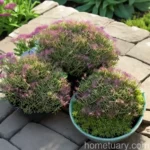
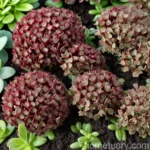
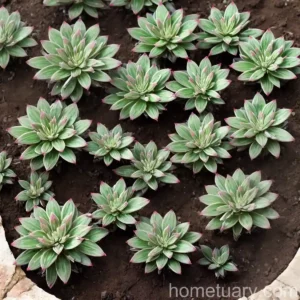
Sedum hispanicum var. minus ‘Purple Form’ is a low-growing succulent plant that belongs to the family Crassulaceae. It is native to the Mediterranean region and is recognized for its dense, mat-forming growth habit and attractive foliage. The ‘Purple Form’ variety is specifically known for its stunning purple-tinged leaves, which add a vibrant touch to gardens and landscapes.
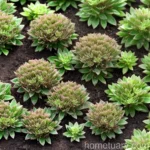
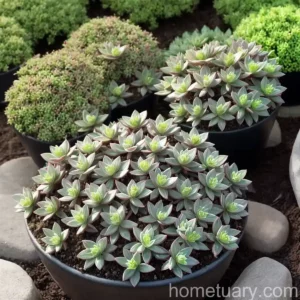
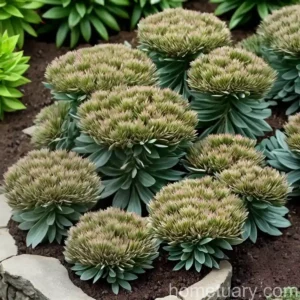
This sedum variety is characterized by its fleshy, rounded leaves that form rosettes, creating a visually appealing carpet of foliage. In addition to its foliage, Sedum hispanicum var. minus ‘Purple Form’ also produces small clusters of star-shaped pink flowers, typically blooming in late spring to early summer. Its unique texture and color make it a versatile choice for various garden settings, from rock gardens and borders to containers and living walls.
Characteristics of Sedum hispanicum var. minus ‘Purple Form’
- Foliage Color: Purple-tinged leaves
- Height: Low-growing, typically reaching 4-6 inches in height
- Texture: Fleshy, succulent leaves forming dense mats
- Flowers: Small star-shaped pink blooms
- Growth Habit: Mat-forming, spreading gradually
- Hardiness Zone: Suitable for zones 5 to 9
Now that we have an overview of its characteristics, let’s dive into the specific care requirements and uses of Sedum hispanicum var. minus ‘Purple Form’.
Culture
When it comes to cultivating Sedum hispanicum var. minus ‘Purple Form’, providing the right cultural conditions is essential for its health and vigor. From watering and sunlight exposure to soil preferences and propagation techniques, each aspect plays a crucial role in nurturing this distinctive succulent.
Water
One of the defining features of Sedum hispanicum var. minus ‘Purple Form’ is its drought-tolerant nature. As a succulent, it has adapted to survive in arid conditions by storing water in its leaves and stems. When it comes to watering, it is important to strike a balance to prevent overwatering, which can lead to root rot, while ensuring that the plant receives adequate moisture during its active growth period.
Watering Guidelines for Sedum hispanicum var. minus ‘Purple Form’:
- Established Plants: Water deeply but infrequently, allowing the soil to dry out between waterings
- Active Growth Period: Increase watering frequency in spring and early summer when the plant is actively growing and flowering
- Winter Care: Reduce watering during the dormant winter months to prevent waterlogged soil
Sunlight
Sedum hispanicum var. minus ‘Purple Form’ thrives in full sunlight, making it an excellent choice for sunny garden spots and rockeries. Adequate sunlight not only promotes healthy growth but also enhances the intensity of its foliage color, particularly the purple hues that give this variety its distinctive appearance.
Sunlight Requirements for Sedum hispanicum var. minus ‘Purple Form’:
- Optimal Exposure: Provide at least 6-8 hours of direct sunlight daily for best growth and color development
- Shade Tolerance: While it prefers full sun, it can tolerate light shade, especially in hot climates where some afternoon shade may be beneficial
Fertilizer
Sedum hispanicum var. minus ‘Purple Form’ is not particularly demanding when it comes to fertilization. In fact, excessive fertilization can lead to lush growth at the expense of its compact and dense habit. A balanced and minimal approach to fertilizing will support its overall health without causing excessive foliage growth.
Fertilizer Recommendations for Sedum hispanicum var. minus ‘Purple Form’:
- Frequency: Apply a diluted, balanced fertilizer once in spring as new growth emerges
- Avoid Excess Nitrogen: Use a fertilizer with a lower nitrogen content to prevent excessive leafy growth
Soil
The right soil conditions are crucial for the well-being of Sedum hispanicum var. minus ‘Purple Form’. Well-draining soil is essential to prevent waterlogging, which can be detrimental to its root system. Furthermore, a nutrient-rich soil mix can support its growth and minimize the need for additional fertilization.
Ideal Soil Conditions for Sedum hispanicum var. minus ‘Purple Form’:
- Well-Draining: Use a sandy or gritty soil mix to ensure rapid drainage and prevent water accumulation
- pH Range: Thrives in slightly acidic to slightly alkaline soils (pH 6.0-7.5)
- Amendments: Incorporate organic matter or perlite to enhance drainage in heavy or compacted soils
Pruning
Pruning plays a minimal role in the care of Sedum hispanicum var. minus ‘Purple Form’, as its low-growing habit and mat-forming nature require little intervention. However, removing spent flower stems and tidying up its appearance can promote a neat and tidy growth habit.
Pruning Techniques for Sedum hispanicum var. minus ‘Purple Form’:
- Deadheading: Remove faded flower clusters to encourage continued blooming and maintain a tidy appearance
- Spring Cleanup: Trim back any damaged or leggy growth in early spring to encourage new growth
Propagation
Propagating Sedum hispanicum var. minus ‘Purple Form’ is an excellent way to expand its presence in the garden or share its beauty with fellow gardening enthusiasts. This succulent can be effortlessly propagated from stem cuttings or divisions, allowing you to create new plantings with ease.
Propagation Methods for Sedum hispanicum var. minus ‘Purple Form’:
- Stem Cuttings: Snip healthy stem segments and root them in a well-draining potting mix to establish new plants
- Division: Divide mature clumps by carefully separating the rosettes and replanting them in desired locations
With the cultural requirements covered, let’s explore the diverse uses of Sedum hispanicum var. minus ‘Purple Form’ and its rising popularity in the horticultural world.
Uses
Sedum hispanicum var. minus ‘Purple Form’ offers a range of applications in garden and landscape settings, thanks to its unique characteristics and adaptable nature. From its role as a groundcover to its suitability for container gardening, this succulent adds an element of charm and versatility to various design schemes.
Landscaping
In landscaping, Sedum hispanicum var. minus ‘Purple Form’ serves as a valuable groundcover, creating a lush carpet of purple-hued foliage. Its ability to spread and form dense mats makes it an excellent choice for filling in bare spaces and accentuating rock features or pathways.
Landscaping Ideas with Sedum hispanicum var. minus ‘Purple Form’:
- Rock Gardens: Plant as a low-maintenance groundcover around rocks and boulders for a naturalistic look
- Border Plantings: Edge flower beds and borders with Sedum hispanicum var. minus ‘Purple Form’ to provide a colorful and textural contrast
Container Gardening
The compact growth habit and striking foliage of Sedum hispanicum var. minus ‘Purple Form’ make it an ideal candidate for container plantings. From small pots to hanging baskets, it adds a touch of elegance and color to various container designs.
Container Gardening Tips for Sedum hispanicum var. minus ‘Purple Form’:
- Well-Draining Containers: Use containers with drainage holes to prevent water buildup
- Companion Plants: Pair with other low-water succulents and drought-tolerant annuals for attractive displays
Groundcover
Sedum hispanicum var. minus ‘Purple Form’ excels as a groundcover, especially in sunny and dry locations where conventional turf grass may struggle. Its ability to smother weeds and create a uniform mat of foliage makes it a popular choice for ground-level plantings.
Benefits of Sedum hispanicum var. minus ‘Purple Form’ as a Groundcover:
- Weed Suppression: Forms a dense cover that inhibits weed growth and reduces maintenance
- Erosion Control: Stabilizes soil on slopes and embankments, preventing erosion
Edging
The low-growing and compact nature of Sedum hispanicum var. minus ‘Purple Form’ makes it an excellent candidate for edging flower beds and walkways. The vibrant foliage serves as a charming border for garden spaces, adding visual interest and structure.
Edging Applications of Sedum hispanicum var. minus ‘Purple Form’:
- Pathway Borders: Create defined edges along garden paths and walkways for a polished look
- Mixed Borders: Combine with other low-growing plants to form decorative borders around garden beds
As the demand for Sedum hispanicum var. minus ‘Purple Form’ continues to rise, it is essential to be aware of common diseases, pests, and maintenance practices to ensure its long-term vitality in the garden.
Common Diseases
While Sedum hispanicum var. minus ‘Purple Form’ is relatively resistant to diseases, it can occasionally encounter issues that affect its overall health and appearance. Understanding the symptoms and management strategies for common diseases can help maintain the plant’s vigor and vitality.
Disease Diagnosis
Common Diseases Affecting Sedum hispanicum var. minus ‘Purple Form’:
- Powdery Mildew: Characterized by a powdery white growth on the foliage, particularly in humid conditions
- Root Rot: Caused by overwatering and poorly-draining soil, leading to wilting and decline
- Leaf Spot: Manifests as dark spots or lesions on the foliage, often due to excessive moisture or poor air circulation
Disease Management
Preventing and managing diseases in Sedum hispanicum var. minus ‘Purple Form’ involves maintaining optimal growing conditions and promptly addressing any signs of disease. Good cultural practices, such as proper watering and adequate air circulation, can prevent many disease issues.
Key Strategies for Disease Management:
- Air Circulation: Ensure adequate spacing between plants to promote air movement and reduce humidity around the foliage
- Watering Practices: Avoid overhead watering and ensure the soil dries out between watering sessions to prevent fungal diseases
- Sanitation: Remove and dispose of any affected plant parts to prevent the spread of diseases
With proper disease management in place, it is equally important to be vigilant against common pests that may affect the health and appearance of Sedum hispanicum var. minus ‘Purple Form’.
Common Pests
While generally resistant to most pests, Sedum hispanicum var. minus ‘Purple Form’ can still fall victim to certain insects and mites that target succulent plants. Implementing proactive pest control measures can safeguard the plant from potential infestations.
Common Pests
Pests That May Affect Sedum hispanicum var. minus ‘Purple Form’:
- Aphids: Small, soft-bodied insects that cluster on new growth and sap the plant’s resources
- Mealybugs: White, cottony pests that congregate on the foliage and stems, affecting plant vigor
- Spider Mites: Tiny arachnids that feed on the undersides of leaves, leading to stippled and discolored foliage
Pest Prevention and Control
Effective Strategies for Managing Pests:
- Natural Predators: Encourage the presence of beneficial insects, such as ladybugs and lacewings, to feed on aphids and mealybugs
- Horticultural Oils: Apply horticultural oil sprays to suffocate and control spider mite infestations
- Inspect Regularly: Monitor the plant regularly for signs of pest activity and intervene early to prevent widespread damage
By being proactive in disease prevention and pest control, you can maintain the health and beauty of Sedum hispanicum var. minus ‘Purple Form’ in various garden settings. As we explore the botanist’s tips and fun facts about this plant, you will gain additional insights into its care and intriguing attributes.
Botanist’s Tips
For a plant as captivating as Sedum hispanicum var. minus ‘Purple Form’, leveraging the knowledge and expertise of botanists can provide invaluable guidance for its cultivation and maintenance. Whether you are a novice gardener or an experienced horticulturist, these expert tips can enhance your approach to growing and caring for this unique succulent.
Expert Recommendations
- Well-Draining Soil: Use a sandy or gritty soil mix to ensure proper drainage and prevent water-related issues
- Minimal Fertilization: Avoid excessive fertilization, as Sedum hispanicum var. minus ‘Purple Form’ thrives in lean soil conditions
- Consider Microclimates: Identify microclimates within your garden or landscape to provide optimal growing conditions for the plant
- Propagate with Care: When propagating through division, handle the delicate rosettes gently to minimize damage and promote successful establishment
- Winter Protection: In colder climates, provide winter protection by mulching around the base of the plant to insulate the roots
By incorporating these botanist’s tips into your plant care routine, you can optimize the growth and vitality of Sedum hispanicum var. minus ‘Purple Form’ and enjoy its striking presence in your garden.
Fun Facts
Uncovering the unique and intriguing aspects of Sedum hispanicum var. minus ‘Purple Form’ can deepen your appreciation for this remarkable succulent. From historical uses to fascinating adaptations, here are some fun facts that shed light on the charm and allure of this plant.
Fascinating Tidbits
- Mediterranean Origins: Sedum hispanicum var. minus ‘Purple Form’ hails from the Mediterranean region, where it thrives in the arid and rocky landscapes of its native habitat.
- Succulent Adaptations: Its fleshy leaves and water-storing capabilities are adaptations that enable it to survive prolonged periods of drought and limited water availability.
- Historical Use: Throughout history, sedums, including Sedum hispanicum, have been utilized for their medicinal properties, often applied in traditional herbal remedies.
- Wildlife Attraction: The small, star-shaped blooms of Sedum hispanicum var. minus ‘Purple Form’ can attract pollinators such as bees and butterflies, contributing to biodiversity in the garden.
- Drought Resistance: Its ability to thrive in dry conditions and resist drought makes it an eco-friendly choice for xeriscaping and water-wise gardens.
Exploring the fun facts of Sedum hispanicum var. minus ‘Purple Form’ adds a layer of intrigue to its already captivating presence in garden and landscape settings.
Links to External Resources
To further enrich your understanding of Sedum hispanicum var. minus ‘Purple Form’ and its care, we have curated a selection of external resources that offer additional insights and practical tips.
- The Ultimate Guide to Growing Succulents
- How to Propagate Succulents
- Succulent Container Gardening Tips
- Managing Common Diseases of Succulent Plants
- Pest Management in Succulent Gardens
These resources offer comprehensive guidance on various aspects of succulent care, including propagation, disease management, and container gardening, which can be applied to the cultivation of Sedum hispanicum var. minus ‘Purple Form’.
Conclusion
Sedum hispanicum var. minus ‘Purple Form’ (Spanish Stonecrop) stands out as a captivating succulent with its distinctive purple-tinged foliage and low-maintenance nature. Its adaptability to a range of growing conditions, from sunny landscapes to container gardens, makes it a valuable addition to horticultural settings.
By understanding its cultural requirements, uses, disease and pest management, and leveraging expert tips, you can cultivate and showcase the beauty of Sedum hispanicum var. minus ‘Purple Form’ in your garden with confidence. As you embark on your journey with this versatile succulent, may its charm and resilience inspire your gardening endeavors and delight your outdoor spaces.
Remember to reference the external resources and expand your knowledge through further exploration of succulent care and gardening practices. With the insights provided in this comprehensive guide, you are well-equipped to nurture and celebrate the allure of Sedum hispanicum var. minus ‘Purple Form’ in your own corner of the natural world.