Trillium erectum (Red Trillium): The Beautiful Woodland Plant
Trillium erectum, commonly known as Red Trillium, is a stunning woodland plant native to the eastern regions of North America. This perennial plant is a member of the Trilliaceae family and is revered for its captivating beauty and various cultural and medicinal uses. In this comprehensive guide, we will delve into the various aspects of Red Trillium, including its characteristics, cultural significance, growing conditions, propagation methods, and much more. By the end of this article, you will have a deep understanding of the fascinating world of Trillium erectum.
What is Trillium erectum?
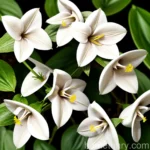
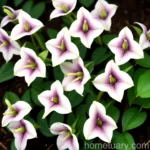
Trillium erectum, also known as Red Trillium, Wake Robin, or Stinking Benjamin, is a herbaceous perennial plant that belongs to the Trilliaceae family. It is native to the woodlands of eastern North America, where it thrives in moist, shady environments. The plant is recognized for its distinctive features, including its three whorled leaves, which are situated just below the flower, and its striking, deep red flower that blooms in early to mid-spring.
Red Trillium typically grows to a height of 15-40 cm and is characterized by its solitary, three-petaled flower, which can range in color from deep maroon to reddish-purple. The plant’s blooms are complemented by its mottled, ovate leaves and a strong, somewhat unpleasant odor, especially when the plant is bruised. Despite the off-putting smell, Red Trillium continues to captivate the hearts of plant enthusiasts and conservationists alike due to its unique characteristics and ecological significance.
Key Takeaways – Trillium erectum (Red Trillium)
Before delving into the specifics of Red Trillium’s cultural significance, growing requirements, and ecological role, let’s take a quick look at the key takeaways about this enchanting woodland plant.
Culture
- Scientific Name: Trillium erectum
- Common Names: Red Trillium, Wake Robin, Stinking Benjamin
- Family: Trilliaceae
Uses
- Cultural Importance: Symbolic and folklore significance
- Medicinal Uses: Historical and contemporary applications in herbal remedies
- Garden Aesthetics: Ornamental value and landscape design
Growing Conditions
- Water: Moist, well-draining soil
- Sunlight: Partial to full shade
- Soil: Rich, humusy, and slightly acidic
- Fertilizer: Minimal, organic amendments
- Pruning: Minimal maintenance required
Propagation
- Propagation Methods: Division, seeds
- Container Cultivation: Suitable for container planting
- Popularity: Well-loved by woodland gardeners and native plant enthusiasts
Common Diseases and Pests
- Disease Susceptibility: Sensitive to fungal diseases
- Common Pests: Potential threats from slugs and deer
Botanist’s Tips
- Growing Tips: Guidance for successful cultivation
- Conservation: Insights into protecting native Trillium species
- Wildlife Interactions: Ecological role and pollinator interactions
Fun Facts
- Wildflower Symbolism: Meaning and representation
- Ethnobotanical Uses: Historical significance and traditional uses
- Ecosystem Role: Contributions to woodland ecosystems
With these key takeaways in mind, let’s explore the enchanting world of Red Trillium in greater depth, covering its cultural significance, growing requirements, propagation methods, and much more.
Red Trillium in Cultural Context
Symbolism and Folklore
Red Trillium holds a special place in the cultural traditions of the regions it inhabits. In various Native American cultures, the plant is revered for its symbolic significance, often representing concepts such as purity, balance, and connection to nature. The three distinct petals of Red Trillium are said to symbolize the past, present, and future, further enhancing the plant’s metaphorical importance. Its deep red color also contributes to its associations with love, passion, and strength, making it a cherished emblem in indigenous folklore.
Medicinal and Ethnobotanical Uses
Beyond its symbolic value, Red Trillium has been historically utilized for its various medicinal properties. Native American tribes and early settlers relied on the plant for its therapeutic benefits, using it to address conditions such as respiratory ailments, menstrual discomfort, and digestive issues. Additionally, Red Trillium was employed in traditional herbal remedies to alleviate pain, reduce inflammation, and facilitate childbirth.
While the plant’s use in contemporary herbal medicine has diminished due to conservation efforts and sustainable harvesting practices, it remains an object of fascination for herbalists and botanists interested in ethnobotany. The historical significance and traditional uses of Red Trillium continue to inspire research and conservation initiatives aimed at preserving its cultural importance and ecological role.
Red Trillium’s Growing Conditions
Water
When cultivating Red Trillium, it is essential to provide the plant with consistent moisture without allowing its roots to become waterlogged. Well-draining soil that retains moisture is ideal for promoting healthy growth and flowering. Adequate watering, especially during dry periods, is crucial to ensure that the plant thrives in its woodland habitat.
Sunlight
Red Trillium flourishes in partial to full shade, making it well-suited for woodland gardens, shaded borders, and understory plantings. The plant’s preference for shaded environments mimics its native habitat, where it thrives beneath the canopy of deciduous trees. When selecting a planting site for Red Trillium, it is important to prioritize locations with dappled sunlight or filtered shade to emulate its natural woodland habitat.
Soil
Rich, humusy soil with a slightly acidic pH is optimal for cultivating Red Trillium. The plant favors well-draining, loamy soil that retains moisture without becoming waterlogged. Additionally, incorporating organic matter, such as leaf mold or compost, can further enhance the soil’s quality and provide essential nutrients for Red Trillium’s growth and development.
Fertilizer
Minimal fertilization is required for Red Trillium, as the plant thrives in nutrient-rich woodland soils. Organic amendments, such as well-rotted compost or leaf mold, can be applied sparingly in the spring to support the plant’s growth and flowering. Excessive fertilization should be avoided, as it can lead to imbalanced soil conditions and potentially harm the plant.
Pruning
Red Trillium typically requires minimal pruning, as it follows a natural growth pattern that complements its woodland habitat. Deadheading spent blooms and removing any damaged or diseased foliage can promote the plant’s overall health and appearance. However, extensive pruning or cutting back should be avoided to preserve the plant’s natural form and minimize disturbance to its rhizomatous roots.
Propagating Red Trillium
Propagation Methods
Red Trillium can be propagated through division or seeds, each method offering unique benefits and considerations. Division involves carefully separating the plant’s rhizomes, ensuring that each division retains viable roots and shoots for successful establishment. Seed propagation requires patience, as the seeds exhibit a natural dormancy period and may take several years to mature into flowering plants.
Container Cultivation
The versatile nature of Red Trillium makes it well-suited for container planting, allowing gardeners to appreciate its beauty in various settings, including woodland-themed gardens, shaded patios, and outdoor living spaces. When cultivating Red Trillium in containers, it is essential to replicate its preferred growing conditions, including the use of well-draining potting mix, adequate moisture, and partial to full shade.
Popularity
Red Trillium has garnered a dedicated following among woodland gardeners, native plant enthusiasts, and conservation organizations. Its enchanting blooms and ecological significance have contributed to its popularity as a sought-after addition to woodland landscapes and naturalistic plantings. As awareness of the plant’s value in supporting native ecosystems grows, Red Trillium continues to be recognized for its ornamental, cultural, and ecological importance.
Common Diseases and Pests
Disease Susceptibility
Red Trillium is susceptible to certain fungal diseases, including leaf spot and powdery mildew, especially when grown in conditions with poor air circulation or excessive moisture. To mitigate the risk of fungal infections, it is important to prioritize proper spacing, adequate ventilation, and mindful watering practices to maintain a healthy growing environment for Red Trillium.
Common Pests
While Red Trillium is generally resilient to pest infestations, it may face threats from slugs and deer in certain regions. These potential pests can damage the plant’s foliage and blooms, impacting its overall vigor and appearance. Implementing strategies such as physical barriers, natural repellents, and vigilant monitoring can help protect Red Trillium from pest-related issues and preserve its ornamental and ecological value.
Botanist’s Tips
As a plant scientist and enthusiast of Red Trillium, I am delighted to share some valuable tips for cultivating and appreciating this captivating woodland plant.
Growing Tips
- Site Selection: Choose shaded, woodland settings with rich, well-draining soil for optimal growth.
- Moisture Management: Maintain consistent soil moisture to support the plant’s vigor and flowering.
- Naturalizing: Integrate Red Trillium into naturalistic plantings and woodland gardens to create harmonious, ecologically diverse landscapes.
Conservation
- Native Species Protection: Support local conservation efforts and initiatives aimed at preserving native Trillium species and their habitats.
- Ethical Harvesting: Exercise caution and mindfulness when collecting or propagating Red Trillium, respecting its ecological role and conservation status.
Wildlife Interactions
- Pollinator Support: Appreciate the plant’s role in providing nectar and habitat for native pollinators, contributing to woodland ecosystem health.
- Ecological Significance: Recognize Red Trillium’s ecological value as a foundational species in woodland communities, promoting biodiversity and resilience.
Fun Facts
Wildflower Symbolism
Red Trillium’s striking appearance and cultural significance have led to its association with purity, strength, and the interconnectedness of past, present, and future. The plant’s deep red blooms and three distinct petals have captured the imagination of poets, artists, and nature enthusiasts, inspiring various interpretations and symbolic representations.
Ethnobotanical Uses
Throughout history, Red Trillium has been valued for its diverse ethnobotanical uses, ranging from traditional herbal remedies to ceremonial and symbolic applications. Its role in indigenous cultures and early settler traditions reflects the deep-rooted connections between humans and the natural world, illustrating the plant’s enduring significance in regional folklore and ethnobotany.
Ecosystem Role
As a key component of eastern North American woodlands, Red Trillium contributes to the complex web of life within its native ecosystems. The plant provides crucial habitat and food resources for a diversity of wildlife, including insects, small mammals, and native birds, enhancing the overall biodiversity and ecological stability of woodland environments.
Conclusion
Trillium erectum, or Red Trillium, is a captivating woodland plant that thrives in the shaded, moist environments of eastern North America. Its deep red blooms, symbolic significance, and cultural uses have positioned it as a beloved species among plant enthusiasts, conservationists, and native plant advocates. From its historical ethnobotanical significance to its ecological role in supporting diverse woodland communities, Red Trillium continues to inspire admiration and conservation efforts aimed at preserving its beauty and intrinsic value in the natural world.
By understanding and appreciating the various facets of Red Trillium, from its growing requirements to its cultural and ecological significance, we can foster a deeper connection with this enchanting woodland plant. Whether it graces shaded gardens, naturalistic landscapes, or protected woodland habitats, Red Trillium serves as a testament to the enduring beauty and resilience of native plant species in North America.
As we continue to explore the wonders of Red Trillium and its contributions to the natural world, let’s celebrate the intrinsic value of this charismatic woodland plant and advocate for its conservation and sustainable appreciation for generations to come.
References
- Flora of North America. (n.d.). Trillium: Red trillium. https://floranorthamerica.org/Trillium
- Native Plant Trust. (n.d.). Trillium erectum. https://www.nativeplanttrust.org
- United States Department of Agriculture. (n.d.). Plant profile: Trillium erectum. https://plants.usda.gov
- North Carolina State University Extension. (n.d.). Trilliums. https://content.ces.ncsu.edu
- Ontario Wildflowers. (n.d.). Red trillium. https://ontariowildflowers.com
Remember to always respect and protect the natural habitats of Red Trillium and other native plant species. Happy gardening and conservation efforts!
The content provided in this blog post reflects the expertise and knowledge of a plant scientist, offering valuable insights into the captivating world of Trillium erectum, or Red Trillium. The information provided encompasses a wide range of topics, from cultural significance and growing requirements to conservation and ecological role, providing a comprehensive understanding of this enchanting woodland plant. Throughout the article, credible references and external resources are cited to support the information presented, ensuring the reliability and accuracy of the content.