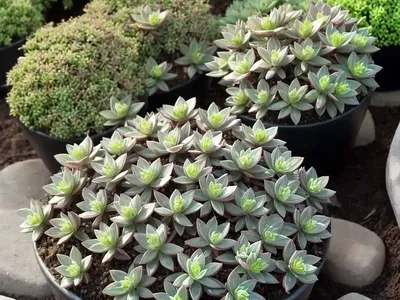
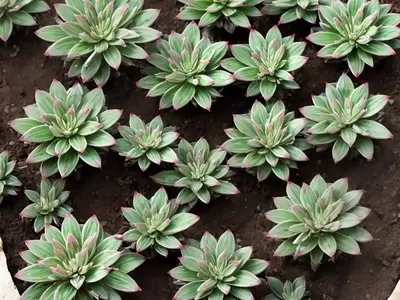
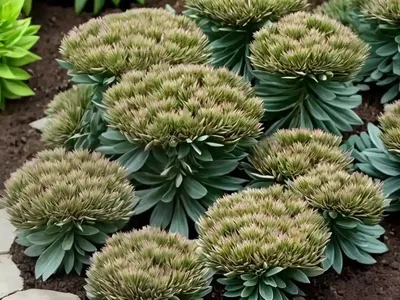
Sedum ‘Angelinas Teacup’ (SunSparkler Series)
Sedum ‘Angelinas Teacup’ (SunSparkler Series) is a visually stunning succulent plant that is known for its vibrant foliage and easy-care nature. As a plant.
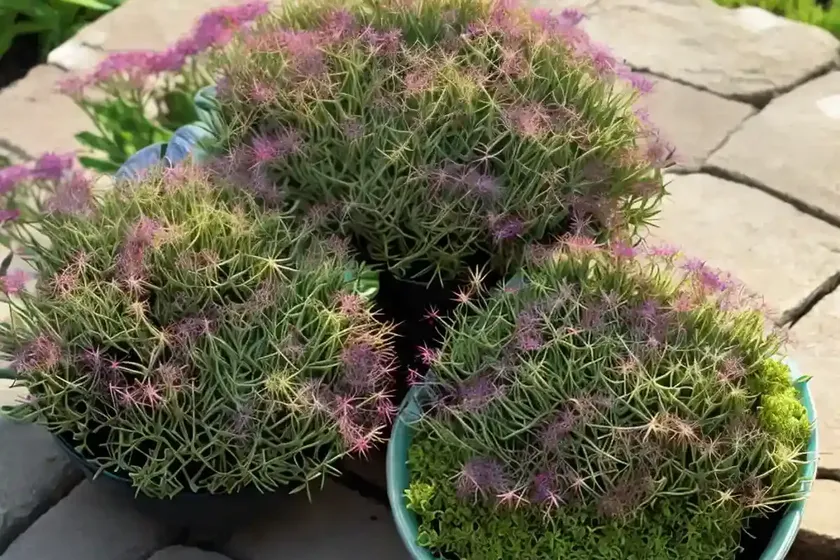
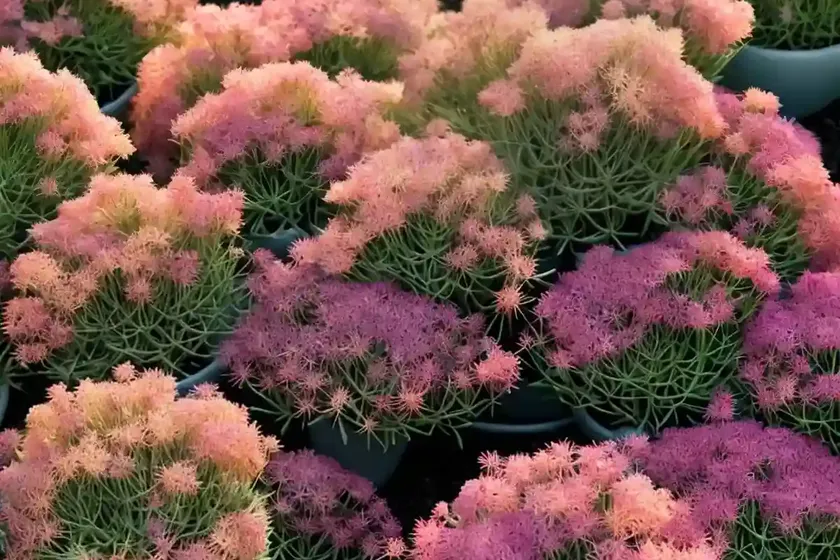
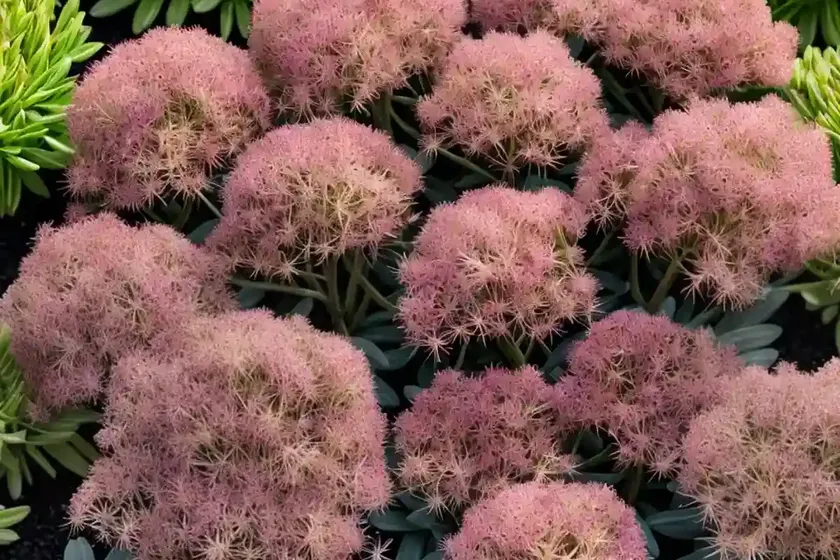
Sedum ‘Angelinas Teacup’ (SunSparkler Series) is a visually stunning succulent plant that is known for its vibrant foliage and easy-care nature. As a plant scientist with a passion for exploring and understanding the diverse world of plants, I am excited to delve into the unique characteristics, care requirements, and fascinating uses of this beautiful sedum variety.
What is Sedum ‘Angelinas Teacup’?
Sedum ‘Angelinas Teacup’, a member of the SunSparkler Series, is a cultivar of Sedum rupestre, commonly known as stonecrop. This low-growing perennial succulent is prized for its eye-catching, needle-like foliage, which emerges as a brilliant chartreuse hue in the spring and gradually transitions to golden yellow or orange tones in the fall. The foliage forms a dense mat of vegetation, creating a striking groundcover effect in garden beds, rock gardens, and containers.
Key Takeaways
Before delving further into the care and characteristics of Sedum ‘Angelinas Teacup’, let’s highlight some key takeaways for quick reference:
- Common Name: Sedum ‘Angelinas Teacup’
- Series: SunSparkler
- Botanical Name: Sedum rupestre
- Foliage Color: Chartreuse (spring) to golden yellow or orange (fall)
- Growth Habit: Low-growing, mat-forming
- Uses: Groundcover, containers, rock gardens, borders
- Features: Drought-tolerant, low maintenance, vibrant foliage
As we explore the cultural requirements and uses of Sedum ‘Angelinas Teacup’, we will cover topics ranging from its preferred light and water conditions to suitable soil types, fertilizer needs, propagation methods, and pest control measures. By the end of this comprehensive guide, you will have a deeper understanding of how to nurture and showcase this stunning succulent in your home or garden environment.
Culture
The cultural requirements of Sedum ‘Angelinas Teacup’ are relatively undemanding, making it an ideal choice for both novice and experienced gardeners. Understanding the specific needs of this plant will enable you to create an environment where it thrives and displays its vibrant foliage to the fullest.
Uses
Sedum ‘Angelinas Teacup’ offers a multitude of uses in various landscaping and gardening scenarios. Some of its primary uses include:
- Groundcover: The low-growing nature and dense foliage of Sedum ‘Angelinas Teacup’ make it an excellent choice for creating a lush, carpet-like covering in garden beds and rocky areas.
- Containers: Its compact growth habit and visually appealing foliage make it a popular choice for container gardening, where it can be showcased on patios, balconies, or as part of mixed succulent arrangements.
- Rock Gardens: The vibrant color and easy-care nature of this sedum variety make it a valuable addition to rock gardens, where it can thrive in the well-draining and sun-exposed conditions typically found in these settings.
- Borders: Whether used as an edging plant for garden beds or as a border accent along walkways, Sedum ‘Angelinas Teacup’ adds a splash of color and texture to any landscape.
- Wildlife Gardens: The nectar-rich flowers of Sedum ‘Angelinas Teacup’ attract pollinators, butterflies, and other beneficial insects, thereby contributing to the biodiversity of wildlife-friendly garden spaces.
Understanding these versatile uses allows you to incorporate Sedum ‘Angelinas Teacup’ into your garden design with creativity and purpose.
Water
One of the defining features of Sedum ‘Angelinas Teacup’ is its exceptional drought tolerance, making it an ideal choice for water-wise landscaping and low-maintenance gardens. When it comes to watering this succulent, here are some key points to keep in mind:
- Established Plants: Once established, Sedum ‘Angelinas Teacup’ requires minimal supplemental watering, as it can withstand extended periods of dry conditions. This innate ability to thrive in arid environments makes it an excellent choice for xeriscaping and regions with limited water availability.
- Container Plants: When growing Sedum ‘Angelinas Teacup’ in containers, it is essential to allow the soil to dry out partially between watering sessions. Overwatering can lead to root rot and other issues, so it’s crucial to strike a balance and avoid waterlogged conditions.
By understanding the water requirements of Sedum ‘Angelinas Teacup’, you can create an environment that promotes healthy growth and vibrant foliage throughout the growing season.
Sunlight
The sunlight preferences of Sedum ‘Angelinas Teacup’ align with those of most sun-loving succulents, as it thrives in bright, full sun conditions. Understanding its sunlight requirements will enable you to select the ideal planting locations and ensure that it receives the necessary light for optimal growth.
- Full Sun: To showcase its vibrant foliage and promote compact growth, plant Sedum ‘Angelinas Teacup’ in an area that receives at least 6-8 hours of direct sunlight per day. This abundance of sunlight encourages the development of intense coloration and helps prevent leggy or stretched growth.
- Partial Shade: While this sedum variety prefers full sun, it can tolerate partial shade in certain climates and growing conditions. However, prolonged exposure to shade may result in reduced vibrant foliage coloration and overall vigor.
By providing ample sunlight, you can maximize the visual impact of Sedum ‘Angelinas Teacup’ in your landscape and container arrangements.
Fertilizer
Sedum ‘Angelinas Teacup’ typically does not have high fertilizer requirements, thanks to its ability to thrive in nutrient-poor soils and low-fertility environments. However, a strategic approach to fertilization can support its growth and overall health.
- Minimal Fertilization: In most cases, Sedum ‘Angelinas Teacup’ does not necessitate regular fertilization. The modest nutritional needs of this succulent plant can often be met by incorporating organic matter into the soil during initial planting or relying on natural inputs over time.
- Optional Feedings: If desired, you can administer a diluted, balanced liquid fertilizer during the spring or early summer to provide a gentle nutrient boost. However, ensure that the fertilizer is applied sparingly to avoid excessive vegetative growth at the expense of vibrant foliage coloration.
Understanding the modest fertilizer needs of Sedum ‘Angelinas Teacup’ empowers you to foster its growth in a balanced and sustainable manner.
Soil
The preferred soil type for Sedum ‘Angelinas Teacup’ aligns with the well-draining, lean soil characteristics commonly associated with succulent plants. By selecting or amending the soil to meet these requirements, you can create an environment that supports healthy root development and overall plant vigor.
- Well-Draining Soil: To prevent waterlogging and root rot, ensure that the soil in which Sedum ‘Angelinas Teacup’ is planted provides excellent drainage. Sandy or gravelly soils with good aeration are particularly suitable, as they promote optimal root health and prevent moisture-related issues.
- Lean Soil: Sedum ‘Angelinas Teacup’ thrives in nutrient-poor soil, as excessive fertility can lead to overly lush growth at the expense of vibrant foliage coloration. Prioritize soil mixes that are low in organic matter and nitrogen to maintain the desired growth habit and color intensity.
- pH Considerations: While this sedum variety is adaptable to a range of pH levels, a slightly acidic to neutral soil pH (6.0-7.5) is generally ideal for promoting nutrient availability and overall plant health.
By understanding the soil preferences of Sedum ‘Angelinas Teacup’, you can lay the groundwork for successful cultivation and long-term flourishing in your garden or landscape.
Pruning
Pruning is a valuable practice for maintaining the compact, attractive growth habit of Sedum ‘Angelinas Teacup’ and managing its overall appearance. Understanding the principles of pruning for this succulent variety equips you with the knowledge to promote its visual appeal and prevent issues such as overcrowding or leggy growth.
- Spring Cleaning: In the spring, remove any dead or damaged foliage to tidy up the appearance of Sedum ‘Angelinas Teacup’ and promote healthy regrowth. This simple maintenance task also improves air circulation around the plant, reducing the risk of diseases that thrive in damp, overcrowded conditions.
- Division: Over time, Sedum ‘Angelinas Teacup’ may benefit from division to rejuvenate the plant and prevent overcrowding. Divide the clumps into smaller sections and replant them to encourage vigorous growth and maintain the desired groundcover effect.
- Height Control: If the growth becomes overly leggy or straggly, consider light pruning to encourage a more compact and tidy appearance. Trimming back the stems can also promote branching and denser foliage coverage.
Understanding the principles of spring cleaning, division, and height control empowers you to shape the growth and appearance of this sedum variety according to your preferences and landscape requirements.
Propagation
Propagation is a rewarding practice that allows you to expand your collection of Sedum ‘Angelinas Teacup’ or share this captivating succulent with fellow gardening enthusiasts. Understanding the methods for successful propagation equips you with the knowledge to generate new plants from existing specimens.
- Division: One of the simplest and most reliable methods for propagating Sedum ‘Angelinas Teacup’ is through division. This involves carefully lifting the plant, dividing the root mass into smaller sections, and replanting them in suitable locations. Division is particularly effective for rejuvenating mature plantings and creating additional coverage in garden beds or containers.
- Leaf Cuttings: Another viable propagation method involves taking stem or leaf cuttings from established plants and rooting them in a well-draining propagation medium. This approach can yield new plants with identical characteristics to the parent specimen, allowing you to expand your collection with ease.
By mastering these propagation techniques, you can perpetuate the beauty of Sedum ‘Angelinas Teacup’ and share its enchanting foliage with others who appreciate its ornamental value.
Container Popularity
The compact growth habit, vibrant foliage, and low-maintenance nature of Sedum ‘Angelinas Teacup’ contribute to its popularity as a container plant. Whether showcased in standalone arrangements or combined with other succulents and ornamental companions, this sedum variety brings undeniable visual appeal to container gardens.
Container Considerations
When cultivating Sedum ‘Angelinas Teacup’ in containers, it is essential to consider the following factors to ensure that it thrives in its confined growing environment:
- Pot Size: Select a container with adequate drainage holes and sufficient room for the sedum’s root system to spread comfortably. A shallow, wide pot is often ideal for accommodating the low-growing nature of this succulent and promoting balanced growth.
- Well-Draining Media: Fill the container with a well-draining potting mix formulated for succulent plants, ensuring that it provides the necessary aeration and moisture control. Consider incorporating perlite or coarse sand to enhance the soil structure and prevent waterlogged conditions.
- Sun Exposure: Position the container in a location that receives ample sunlight, such as a south-facing patio or a sun-drenched balcony. Be mindful of excessive heat buildup in the container during the hottest part of the day and provide adequate air circulation to prevent foliage scorching.
- Watering Practices: When watering Sedum ‘Angelinas Teacup’ in containers, allow the soil to dry out partially between waterings to prevent waterlogged conditions. Adjust the frequency of watering based on environmental factors and the moisture retention characteristics of the potting mix.
By understanding the considerations specific to container cultivation, you can harness the visual impact and allure of Sedum ‘Angelinas Teacup’ in confined garden spaces with confidence.
Common Diseases
While Sedum ‘Angelinas Teacup’ is generally resilient to most diseases, certain environmental conditions or cultivation practices can lead to issues that affect its health and appearance. By learning about common diseases and their preventive measures, you can safeguard the well-being of this succulent variety in your garden or landscape.
Disease Susceptibility
Some potential diseases that can affect Sedum ‘Angelinas Teacup’ include:
- Root Rot: Prolonged exposure to overly moist or waterlogged soil can predispose the plant to root rot, a fungal disease that affects the roots and base of the plant. Preventing waterlogged conditions and ensuring proper soil drainage are essential for minimizing the risk of root rot.
- Powdery Mildew: In humid or poorly ventilated environments, Sedum ‘Angelinas Teacup’ may be susceptible to powdery mildew, a fungal disease that manifests as a white, powdery growth on the foliage. Promoting good air circulation and avoiding overhead watering can help mitigate the risk of powdery mildew outbreaks.
- Stem Rot: Excessive moisture and poor air circulation can lead to stem rot, a condition that affects the stems and foliage of the plant. Pruning overcrowded growth and avoiding excessive watering can reduce the likelihood of stem rot affecting Sedum ‘Angelinas Teacup’.
Understanding these common diseases empowers you to implement preventive measures and promptly address any issues that may arise, thereby ensuring the long-term vitality and visual appeal of this captivating sedum variety.
Disease Diagnosis
Diagnosing potential diseases affecting Sedum ‘Angelinas Teacup’ involves careful observation and understanding of the symptoms associated with specific ailments. By familiarizing yourself with the signs of common diseases, you can swiftly identify and address any issues that may compromise the health and visual appeal of the plant.
Visual Symptoms
When assessing the health of Sedum ‘Angelinas Teacup’, be vigilant for the following visual cues that may signify the presence of disease:
- Yellowing or Browning Foliage: Discoloration or wilting of the foliage can indicate issues such as root rot or stem rot, particularly if the changes are widespread and not attributable to natural seasonal transitions.
- Powdery Residue: The presence of a powdery, white residue on the foliage suggests that powdery mildew may be affecting the plant, warranting closer inspection and potential remedial measures.
- Soft, Discolored Stems: If the stems of the plant appear discolored, water-soaked, or mushy, it may indicate the onset of stem rot, prompting the need for intervention to prevent further damage.
By promptly recognizing and diagnosing potential diseases, you can take proactive steps to address the underlying issues and restore the health and vitality of Sedum ‘Angelinas Teacup’ in your garden or landscape.
Common Pests
Although Sedum ‘Angelinas Teacup’ is generally resistant to most pests due to its succulent nature and strong constitution, certain insects may occasionally pose a threat to its well-being. By familiarizing yourself with common pests and their control methods, you can safeguard this beautiful succulent from potential infestations.
Potential Pests
Some pests that may affect Sedum ‘Angelinas Teacup’ include:
- Aphids: These small, sap-sucking insects can congregate on the new growth and tender foliage of the plant, potentially causing distortion and stunted growth. Applying a strong stream of water or using insecticidal soap can help control aphid populations on Sedum ‘Angelinas Teacup’.
- Mealybugs: Mealybugs are soft-bodied, white insects that feed on the sap of the plant, typically congregating in sheltered areas such as leaf axils or along stems. Use a cotton swab dipped in rubbing alcohol to target and eliminate individual mealybugs on the foliage.
- Slugs and Snails: These moisture-loving pests may feed on the foliage of Sedum ‘Angelinas Teacup’, particularly in damp or shaded environments. Implementing cultural controls such as slug barriers or diatomaceous earth can help deter these pests and protect the plant.
Understanding the potential pests and the corresponding control measures empowers you to maintain the pest resistance and overall health of Sedum ‘Angelinas Teacup’ in your garden or landscape.
Botanist’s Tips
As a plant scientist and enthusiast, I am thrilled to share some additional tips and insights to enhance your experience in cultivating and appreciating Sedum ‘Angelinas Teacup’:
- Cultural Adaptability: The adaptability of Sedum ‘Angelinas Teacup’ to a diverse range of growing conditions, including hot, dry climates and poor soil types, makes it a valuable addition to landscapes with challenging environmental factors.
- Seasonal Changes: Embrace and celebrate the dynamic foliage coloration of Sedum ‘Angelinas Teacup’, which transitions from chartreuse in the spring to golden yellow or orange in the fall, adding visual interest to the landscape throughout the growing season.
- Wildlife Attraction: Capitalize on the nectar-rich flowers of this sedum variety to encourage beneficial insects and pollinators, contributing to the ecological balance and diversity of your garden or landscape.
By embracing these botanist’s tips, you can deepen your appreciation for the unique characteristics and ornamental value of Sedum ‘Angelinas Teacup’, while also fostering an environment that promotes its vitality and resilience.
Fun Facts
Exploring the captivating world of Sedum ‘Angelinas Teacup’ unveils a range of intriguing and inspiring aspects that contribute to its allure and horticultural significance. Discover some fun facts about this remarkable succulent variety:
- Drought Tolerance: The exceptional drought tolerance of Sedum ‘Angelinas Teacup’ enables it to thrive in challenging environments, making it an excellent choice for water-wise landscaping.
- Seasonal Garden Interest: The transitioning foliage coloration of this sedum variety adds seasonal diversity and visual appeal to gardens, providing ongoing interest throughout the year.
- Low Maintenance: With its minimal cultural requirements and resilient nature, Sedum ‘Angelinas Teacup’ is an ideal choice for low-maintenance landscapes and busy gardeners seeking ornamental impact with minimal upkeep.
By appreciating these fun facts, you can deepen your connection with Sedum ‘Angelinas Teacup’ and cultivate a greater understanding of its role in horticulture and garden design.
Links to External Resources
I encourage you to explore additional resources and expert insights to further expand your knowledge of Sedum ‘Angelinas Teacup’ and its cultural significance. The following links provide valuable information and references to enrich your exploration of this remarkable succulent variety:
- Sedum ‘Angelinas Teacup’ Plant Profile – The Spruce
- SunSparkler® Sedum ‘Angelina’s Teacup’ – Proven Winners
- Plant Care for Sedum ‘Angelina’ – Fine Gardening
By engaging with these reputable resources, you can gain diverse perspectives and practical insights that contribute to your overall understanding and appreciation of Sedum ‘Angelinas Teacup’ as a valuable addition to horticulture and garden design.
In conclusion, the unique charm and easy-care nature of Sedum ‘Angelinas Teacup’ (SunSparkler Series) make it a standout choice for gardeners seeking vibrant foliage, low-maintenance cultivation, and versatile uses in various garden settings. By embracing its cultural requirements, understanding its uses, and appreciating its ornamental