Tigridia Pavonia ‘Aurea’ (Tiger Flower)
Tigridia pavonia ‘Aurea,’ commonly known as Tiger Flower, is a striking plant that captivates with its vibrant blooms and unique characteristics. As a.
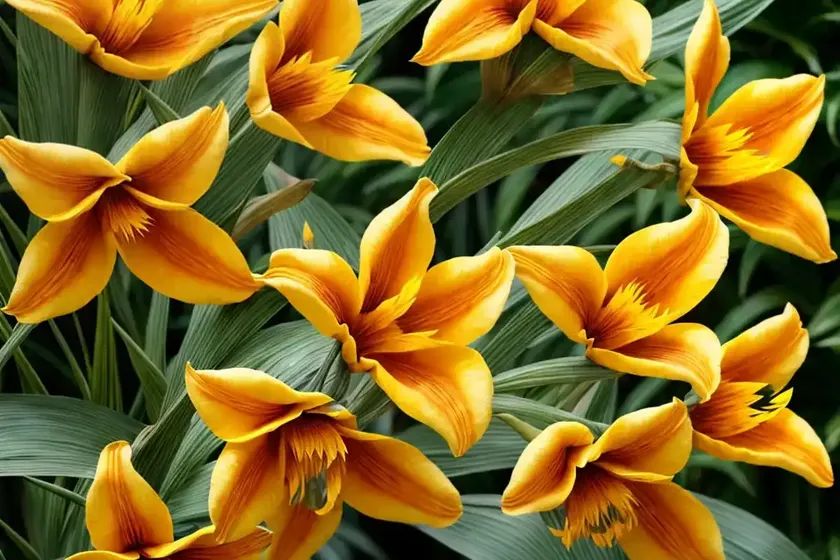
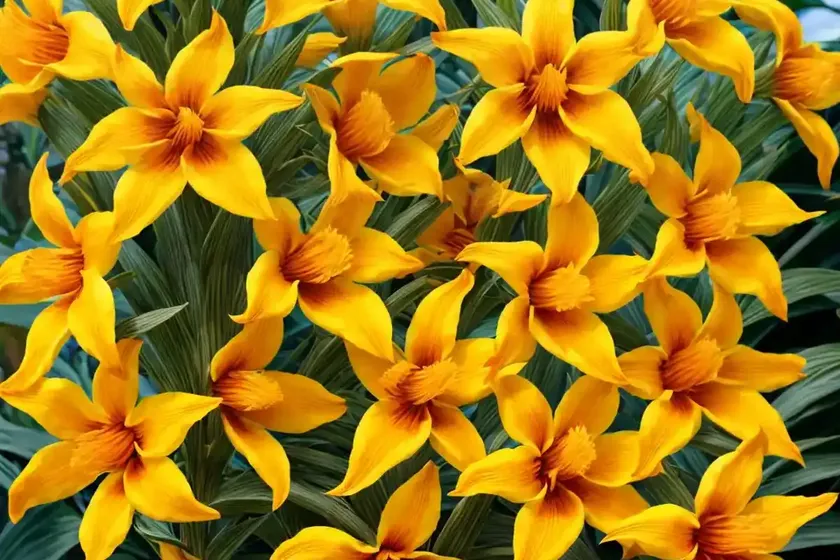
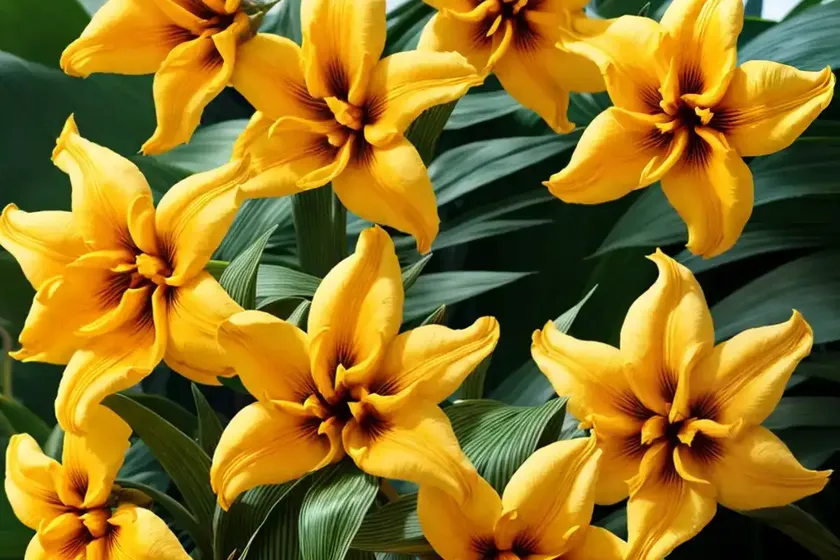
Tigridia pavonia ‘Aurea,’ commonly known as Tiger Flower, is a striking plant that captivates with its vibrant blooms and unique characteristics. As a plant scientist, I am excited to delve into the world of this remarkable species and explore its cultivation, uses, and care requirements. In this comprehensive guide, we will cover everything from its cultural significance to its ecological importance, ensuring that both beginners and experienced gardeners glean valuable insights into this captivating plant.
What is Tigridia pavonia ‘Aurea’?
Tigridia pavonia ‘Aurea,’ a member of the Iridaceae family, is a herbaceous perennial native to Mexico and Central America. It is renowned for its vibrant, intricately patterned flowers that showcase a stunning array of colors, making it a prized addition to gardens and landscapes. The genus name “Tigridia” is derived from the Latin word “tigris,” meaning tiger, which alludes to the distinctive markings on the petals of the flower, reminiscent of a tiger’s stripes.
The ‘Aurea’ variety of Tigridia pavonia is particularly cherished for its golden-yellow hue, adding a touch of warmth and radiance to any garden setting. With its mesmerizing blooms and graceful foliage, Tigridia pavonia ‘Aurea’ serves as a testament to the natural splendor found within the plant kingdom.
We will now embark on an exploration of the key aspects of cultivating and caring for Tigridia pavonia ‘Aurea,’ from its cultural significance to its environmental impact.
Key Takeaways – Tigridia pavonia ‘Aurea’ (Tiger Flower)
Before delving into the specifics of growing and caring for Tigridia pavonia ‘Aurea,’ let’s take a glance at the key takeaways that will guide our exploration of this captivating plant.
– Plant Name: Tigridia pavonia ‘Aurea’ (Tiger Flower)
– Family: Iridaceae
– Native Habitat: Mexico and Central America
– Common Name: Tiger Flower
– Distinctive Feature: Intricately patterned, vibrant blooms
– Variety: ‘Aurea’ – renowned for its golden-yellow flowers
– Cultural Significance: Celebrated for its ornamental and aesthetic value
– Ecological Impact: Attracts pollinators and enhances biodiversity
– Care Requirements: Proper watering, sunlight, soil, and maintenance practices
– Uses: Ornamental gardening, landscaping, and ecological conservation
With these key takeaways in mind, let’s delve into the nuanced aspects of cultivating and caring for Tigridia pavonia ‘Aurea,’ unraveling its cultural significance and ecological relevance along the way.
Culture
Uses
Tigridia pavonia ‘Aurea’ holds significant cultural and ecological value, serving as an ornamental marvel in gardens and playing a role in fostering biodiversity through its interactions with pollinators. Its uses can be broadly categorized into the following aspects:
-
Ornamental Gardening: The striking beauty of the Tiger Flower makes it a prized addition to ornamental gardens, where its vibrant blooms add a touch of elegance and vibrancy. As a focal point in garden beds or a colorful addition to borders and containers, Tigridia pavonia ‘Aurea’ lends a sense of allure and sophistication to garden landscapes.
-
Landscaping: With its distinctive and attractive flowers, Tigridia pavonia ‘Aurea’ is often integrated into landscape designs to create visually captivating settings. Whether used as part of a mixed border, a standalone feature, or a complementary element in landscape compositions, the Tiger Flower enhances the aesthetic appeal of outdoor spaces.
-
Ecological Conservation: Beyond its ornamental allure, Tigridia pavonia ‘Aurea’ contributes to the enhancement of biodiversity by attracting pollinators such as bees, butterflies, and hummingbirds. As these beneficial insects interact with the flowers, they facilitate pollination and support the ecological balance within the surrounding environment.
Water
Proper watering is essential for the health and vitality of Tigridia pavonia ‘Aurea.’ While it appreciates regular moisture, it is important to strike a balance and avoid waterlogging, which can lead to root rot and other detrimental consequences. Here are some key considerations for watering Tigridia pavonia ‘Aurea’:
-
Regular Moisture: The Tiger Flower thrives in moderately moist soil, and it is important to ensure consistent hydration, especially during the active growth phases and flowering periods. Adequate moisture supports the development of healthy foliage and vibrant blooms, contributing to the overall vitality of the plant.
-
Avoid Waterlogging: While providing ample moisture, it is crucial to prevent waterlogging, as excessive water accumulation in the soil can suffocate the roots and predispose the plant to various diseases. Proper drainage and an awareness of soil moisture levels are crucial in maintaining optimal growing conditions.
-
Environmental Considerations: Factors such as temperature, humidity, and seasonal variations can influence the plant’s water requirements. It is essential to adapt the watering regimen based on the prevailing environmental conditions, ensuring that Tigridia pavonia ‘Aurea’ receives appropriate moisture levels throughout the year.
Sunlight
Tigridia pavonia ‘Aurea’ thrives in well-lit environments and exhibits a preference for ample sunlight, which fosters robust growth and prolific flowering. When considering its sunlight requirements, the following aspects should be taken into account:
-
Full to Partial Sun: The Tiger Flower flourishes in locations that receive full to partial sunlight, ideally positioned in areas with access to several hours of direct sunshine each day. Adequate sunlight promotes strong, healthy foliage and encourages the development of vibrant, intricate blooms.
-
Shade Considerations: While Tigridia pavonia ‘Aurea’ benefits from sunlight, it is essential to consider the intensity of the light. In regions with hot climates or intense sunlight, providing partial shade during the peak hours of the day can offer protection from excessive heat and prevent potential sun damage to the plant.
-
Seasonal Variations: Adapting to seasonal changes, it is important to monitor the plant’s exposure to sunlight and make adjustments based on the shifting sun angles and daylight durations. Understanding the nuances of sunlight patterns allows for the optimization of growing conditions for Tigridia pavonia ‘Aurea’ throughout the year.
Fertilizer
Appropriate fertilization plays a pivotal role in supporting the growth and blooming potential of Tigridia pavonia ‘Aurea.’ By supplying essential nutrients, fertilizers contribute to the plant’s overall vigor and floral abundance. Here are some insights into fertilizing Tigridia pavonia ‘Aurea:
-
Balanced Fertilizer: Utilizing a balanced fertilizer with an emphasis on promoting flowering and overall plant health is beneficial for Tigridia pavonia ‘Aurea.’ Opt for a fertilizer formulation that provides a balanced combination of macronutrients and micronutrients, catering to the plant’s specific needs.
-
Application Timing: Administering fertilizer at strategic intervals aligning with the plant’s growth stages and flowering cycles ensures that Tigridia pavonia ‘Aurea’ receives the necessary nutritional support when it is most beneficial. This approach maximizes the effectiveness of the fertilizer and fosters optimal growth and bloom development.
-
Soil Enrichment: Fertilizers serve as a means of enriching the soil and fortifying it with essential nutrients, fostering a nutrient-rich growing medium that promotes the sustained health and vitality of Tigridia pavonia ‘Aurea.’
Soil
The selection of an appropriate growing medium is vital in providing an optimal foundation for Tigridia pavonia ‘Aurea’ to thrive. The soil characteristics and composition profoundly influence the plant’s growth, resilience, and flowering capacity. Consider the following soil-related aspects when cultivating the Tiger Flower:
-
Well-Draining Soil: Tigridia pavonia ‘Aurea’ benefits from a well-draining soil structure that prevents water stagnation and facilitates proper aeration of the root zone. By promoting good drainage, the soil helps safeguard the plant from issues related to excess moisture and root suffocation.
-
Nutrient-Rich Medium: Enriching the soil with organic matter such as compost or well-decomposed manure enhances its fertility and augments the availability of essential nutrients for Tigridia pavonia ‘Aurea.’ A nutrient-rich soil composition supports robust growth and encourages the development of vigorous foliage and vibrant blooms.
-
pH Considerations: The pH level of the soil is an important factor to consider, as it influences nutrient availability and uptake by the plant. Tigridia pavonia ‘Aurea’ thrives in slightly acidic to neutral pH levels, and maintaining the appropriate soil pH range supports the plant’s overall well-being and enhances its capacity to utilize essential nutrients.
Pruning
Pruning practices play a pivotal role in managing the growth and appearance of Tigridia pavonia ‘Aurea,’ contributing to its overall aesthetics and health. By implementing appropriate pruning techniques, gardeners can shape the plant, control its size, and promote prolific flowering. Consider the following aspects when approaching the pruning of the Tiger Flower:
-
Deadheading: Removing spent blooms through deadheading helps redirect the plant’s energy towards further flower production and prevents the formation of seed pods. This practice encourages a prolonged flowering period and maintains the visual appeal of Tigridia pavonia ‘Aurea.’
-
Foliage Maintenance: Trimming and tidying the foliage of Tigridia pavonia ‘Aurea’ contribute to the plant’s overall tidiness and aesthetics. Pruning away damaged or senescent foliage supports the development of healthy, vibrant leaves and promotes the plant’s visual allure.
-
Size Management: Controlling the size and spread of Tigridia pavonia ‘Aurea’ through selective pruning ensures that the plant harmoniously integrates into its designated growing space while preventing overcrowding and facilitating optimal air circulation.
Propagation
The propagation of Tigridia pavonia ‘Aurea’ presents an opportunity to expand the plant’s presence in gardens and share its beauty with fellow enthusiasts. By employing suitable propagation methods, gardeners can cultivate new specimens and perpetuate the presence of the Tiger Flower. Consider the following propagation approaches for Tigridia pavonia ‘Aurea’:
-
Division: Dividing established clumps of Tigridia pavonia ‘Aurea’ allows for the creation of new plants, each with the potential to develop into robust specimens. Dividing the rhizomatous roots during the plant’s dormant phase facilitates the establishment of new growth points and promotes the multiplication of the Tiger Flower.
-
Seed Propagation: Collecting and sowing seeds from Tigridia pavonia ‘Aurea’ presents an avenue for generating new plants and exploring the diversity of offspring. By following appropriate seed collection, storage, and sowing practices, gardeners can engage in the fascinating process of seed propagation, unlocking the potential for seedling variation and selection.
-
Propagation Timing: Aligning the propagation efforts with the plant’s natural growth cycles and dormancy periods optimizes the success of propagation endeavors, fostering the establishment of healthy new plants and maximizing their integration into the garden landscape.
Container Popularity
The growing popularity of container gardening has extended to include the cultivation of ornamental plants such as Tigridia pavonia ‘Aurea.’ The Tiger Flower’s adaptability to container settings and its ornamental allure have positioned it as a sought-after choice for container gardening enthusiasts. Here are some insights into the container popularity of Tigridia pavonia ‘Aurea’:
-
Space Efficiency: Tigridia pavonia ‘Aurea’ thrives in containers, making it a space-efficient option for gardening in limited areas such as patios, balconies, and urban settings. Its compact growth habit and decorative blooms make it well-suited for container cultivation, adding color and visual interest to confined spaces.
-
Aesthetic Appeal: The vibrant and intricately patterned blooms of Tigridia pavonia ‘Aurea’ serve as captivating focal points in container displays, enhancing the visual appeal of outdoor living spaces. The plant’s graceful foliage and striking flowers contribute to the creation of eye-catching container arrangements and compositions.
-
Versatile Placement: Containers offer the flexibility to position Tigridia pavonia ‘Aurea’ in various locations, allowing for the creation of dynamic and mobile garden displays. Whether placed on patios, porches, or windowsills, the Tiger Flower adds charm and elegance to the surrounding environment.
Common Diseases
The health and vitality of Tigridia pavonia ‘Aurea’ can be impacted by various diseases, emphasizing the importance of disease awareness and proactive management strategies. By recognizing common ailments and their associated symptoms, gardeners can implement preventive measures and targeted treatments to safeguard the well-being of the Tiger Flower. Consider the following common diseases that may affect Tigridia pavonia ‘Aurea’:
| Disease | Symptoms | Management |
|---|---|---|
| Botrytis Blight | Gray mold on leaves and flowers, wilting | Improve air circulation, remove infected plant parts, fungicidal treatments |
| Fungal Rots | Soft, water-soaked lesions, discoloration of foliage, wilting | Optimize drainage, avoid overwatering, use fungicidal treatments |
| Viral Diseases | Mottled or distorted leaves, stunted growth, yellowing | Prevent viral spread by controlling vectors, maintain plant vigor |
Implementing proactive measures such as proper sanitation, environmental modifications, and targeted treatments can effectively mitigate the impact of diseases on Tigridia pavonia ‘Aurea,’ promoting its sustained health and vitality.
Disease Diagnosis
Accurately diagnosing diseases affecting Tigridia pavonia ‘Aurea’ is essential for implementing appropriate management strategies and addressing the underlying causes of plant distress. By keenly observing the symptoms and manifestations of diseases, gardeners can discern the nature of the issue and take targeted actions to alleviate its impact. Consider the following diagnostic considerations for disease diagnosis in Tigridia pavonia ‘Aurea’:
-
Symptom Recognition: Recognizing the visual symptoms such as leaf discoloration, wilting, or unusual growth patterns aids in narrowing down potential diseases that may be affecting Tigridia pavonia ‘Aurea.’
-
Environmental Assessment: Evaluating the growing conditions, moisture levels, and air circulation surrounding the plant provides insights into potential environmental factors that may contribute to disease development.
-
Pathogen Identification: Identifying the causative agents, whether fungal, bacterial, or viral, enables a targeted approach in selecting appropriate disease management strategies and treatments.
By diligently assessing the symptoms, environmental factors, and potential pathogens associated with diseases, gardeners can effectively diagnose and address issues impacting the health of Tigridia pavonia ‘Aurea.’
Common Pests
The presence of pests can pose a threat to the well-being of Tigridia pavonia ‘Aurea,’ necessitating vigilance and pest management measures to safeguard the plant from potential harm. By understanding common pests and their associated detrimental effects, gardeners can employ preventive and remedial actions to protect the Tiger Flower. Consider the following common pests that may affect Tigridia pavonia ‘Aurea’:
| Pest | Symptoms | Management |
|---|---|---|
| Aphids | Clusters of small insects on foliage, honeydew secretion | Spray with insecticidal soap, introduce natural predators |
| Thrips | Distorted flower buds, silvery stippling on leaves | Use insecticidal treatments, promote natural predators |
| Spider Mites | Fine webbing, stippled leaves, reduced vigor | Mitigate through regular hose or spray washes, introduce predatory mites |
By implementing integrated pest management practices, utilizing organic controls, and maintaining a vigilant stance towards pest presence, gardeners can protect Tigridia pavonia ‘Aurea’ from the detrimental impact of common pests.
Botanist’s Tips
As a plant scientist deeply familiar with the intricacies of plant care and cultivation, I am pleased to offer the following expert tips for growing and caring for Tigridia pavonia ‘Aurea’:
- Well-Drained Soil: Ensure that the growing medium provides proper drainage to prevent waterlogging and safeguard the plant’s root health.
- Ample Sunlight: Position Tigridia pavonia ‘Aurea’ in a location that receives abundant sunlight, supporting robust growth and prolific flowering.
- Balanced Fertilization: Utilize a balanced fertilizer to provide essential nutrients, promoting overall plant vigor and floral abundance.
- Disease Surveillance: Monitor the plant for signs of diseases and pests, enabling early intervention and targeted management practices.
- Pruning Practices: Engage in regular deadheading and foliage maintenance to promote extended flowering and maintain plant tidiness.
- Environmental Adaptation: Adapt watering, sunlight exposure, and care practices based on seasonal variations, promoting resilience and optimized growth.
- Container Gardening: Explore the versatility of container gardening to cultivate Tigridia pavonia ‘Aurea’ in diverse settings and enhance visual displays.
By incorporating these tips into the care regimen for Tigridia pavonia ‘Aurea,’ gardeners can foster the sustained health and vibrancy of this captivating plant, and truly appreciate its unique characteristics.
Fun Facts
Uncover the intriguing and captivating aspects of Tigridia pavonia ‘Aurea’ through the following fun facts:
-
Garden Ballet: Tigridia pavonia ‘Aurea’ is colloquially referred to as the “Dancing Lady” due to the graceful appearance of its flowers, which appear as if engaged in a garden ballet of vibrant hues.
-
Ephemeral Blooms: The exquisite blooms of Tigridia pavonia ‘Aurea’ are relatively short-lived, typically lasting for only a single day. However, the plant produces a succession of blooms, providing a continual display of beauty throughout its flowering period.
-
Cultural Symbolism: In Mexican and Central American folklore, Tigridia pavonia ‘Aurea’ holds cultural significance, often regarded as a symbol of vitality, endurance, and the ephemeral nature of beauty.
-
Nectar Richness: The flowers of Tigridia pavonia ‘Aurea’ are a source of nectar for pollinators, attracting bees, butterflies, and hummingbirds with their floral bounty, contributing to the ecological tapestry of the garden.
-
Rhizomatous Growth: Tigridia pavonia ‘Aurea’ exhibits a rhizomatous growth habit, with underground structures that enable the plant to propagate and expand, forming clusters of graceful foliage and intricate flowers.
Links to External Resources
To further expand your knowledge and appreciation of Tigridia pavonia ‘Aurea,’ I recommend exploring the following external resources:
- Royal Horticultural Society (RHS): Tigridia pavonia ‘Aurea’ Profile
- University of California, Agriculture and Natural Resources: Tigridia Selection and Care
- Missouri Botanical Garden: [Tigridia pavonia ‘Aurea’ Information](https://www.missouribotanicalgarden.org/PlantFinder/PlantFinderDetails.aspx?kempercode=a


