Sedum Spathulifolium ‘Purpureum’ (Broadleaf Stonecrop)
Welcome to our comprehensive guide on Sedum spathulifolium ‘Purpureum’, commonly known as Broadleaf Stonecrop. This fascinating plant is a popular choice.
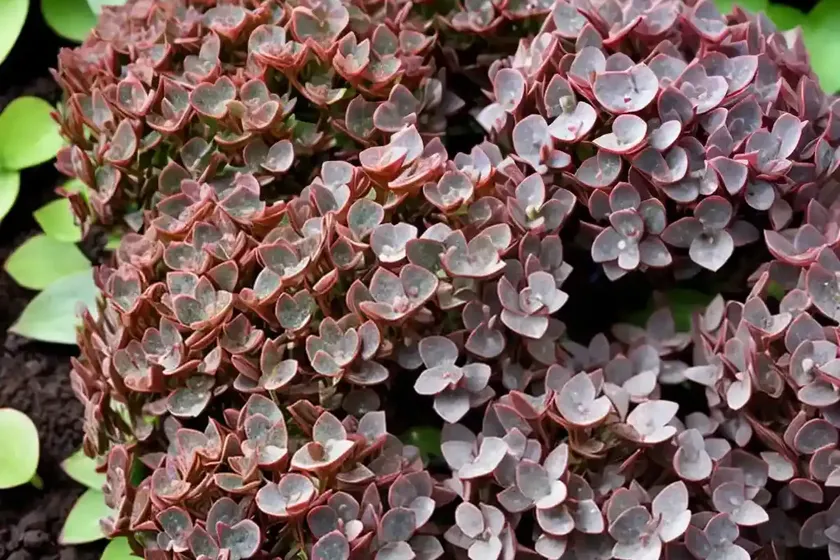
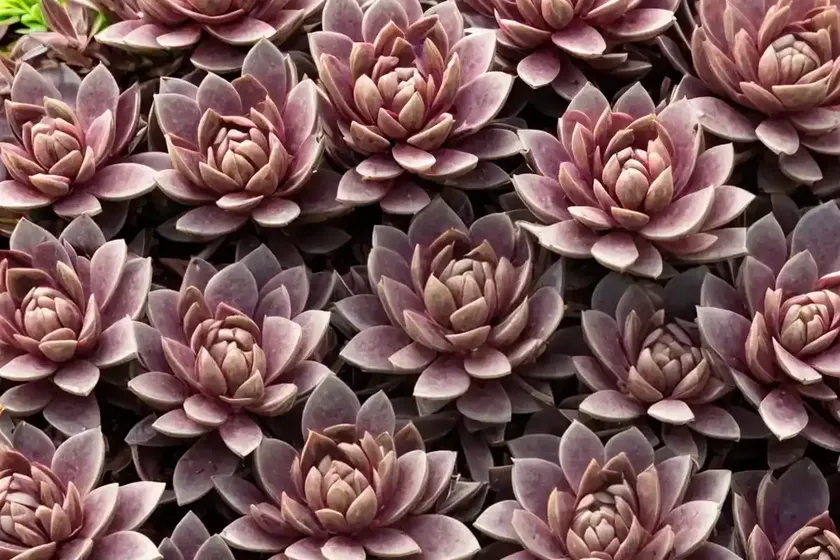
Welcome to our comprehensive guide on Sedum spathulifolium ‘Purpureum’, commonly known as Broadleaf Stonecrop. This fascinating plant is a popular choice for outdoor landscapes and container gardens due to its low maintenance and stunning visual appeal. In this guide, we will delve into the intricacies of its cultivation, uses, care requirements, and much more.
What is Sedum spathulifolium ‘Purpureum’?
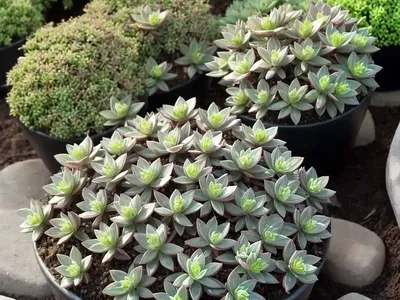
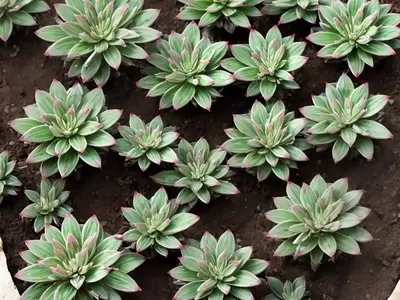
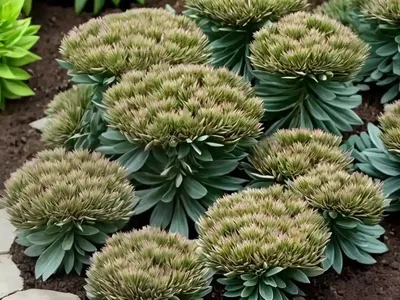
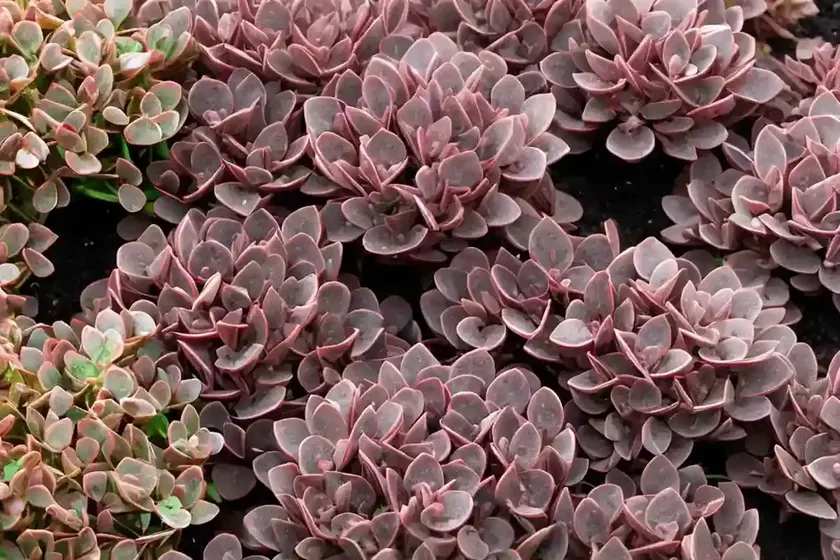
Sedum spathulifolium ‘Purpureum’ is a beautiful succulent plant that belongs to the family Crassulaceae. Originating from North America, this perennial evergreen is celebrated for its rosettes of spoon-shaped, purple-red foliage and its ability to thrive in various environmental conditions. The plant typically reaches a height of 2-3 inches and spreads about 12-24 inches, creating a dense, colorful mat of foliage. In addition to its striking appearance, the ‘Purpureum’ variety also produces lovely star-shaped yellow flowers in the summer, adding a delightful contrast to its deep-hued leaves.
Key Takeaways – Sedum spathulifolium ‘Purpureum’ (Broadleaf Stonecrop)
Before we delve into the intricate details of this remarkable plant, let’s briefly summarize some key takeaways:
- Botanical Name: Sedum spathulifolium ‘Purpureum’
- Common Name: Broadleaf Stonecrop
- Plant Type: Perennial, succulent
- Foliage: Spoon-shaped, purple-red
- Flowers: Star-shaped, yellow
- Height: 2-3 inches
- Spread: 12-24 inches
- Uses: Ground cover, container gardens, rock gardens, coastal gardens
- Characteristics: Drought-tolerant, low-maintenance, cold-hardy
- Sunlight: Full sun to partial shade
- Soil: Well-draining, sandy, rocky
- Watering: Low to moderate
- Propagation: Division, stem cuttings
- Common Pests: Aphids, mealybugs
- Common Diseases: Root rot, powdery mildew
- Companion Plants: Sempervivum, Echeveria, Delosperma
- Hardiness Zone: 6-9
- Winter Care: Mulching in colder climates
- Container Gardening: Well-suited for containers
- Medicinal Properties: Historically used for various health benefits
- Landscape Uses: Borders, ground covers, xeriscaping
Now that we have a snapshot of the important aspects of Sedum spathulifolium ‘Purpureum’, let’s embark on a detailed exploration of its culture, uses, care requirements, and more.
Culture
Uses
Sedum spathulifolium ‘Purpureum’ boasts a versatile array of uses in landscaping and gardening settings. Whether you are looking to adorn your rock garden with vibrant hues or seeking a low-maintenance ground cover for a sunny spot, this plant is a perfect choice. Here are some common uses of this stunning succulent:
- Ground Cover: Its spreading habit and colorful foliage make it an excellent ground cover for sunny areas. The dense mat of rosettes creates a visually appealing carpet of color, particularly in rock gardens and coastal landscapes.
- Container Gardens: Well-suited for container gardens, Sedum spathulifolium ‘Purpureum’ adds a pop of color and texture to mixed plantings. Its trailing growth habit makes it an ideal “spiller” in container arrangements.
- Rock Gardens: As the name “Stonecrop” suggests, this plant thrives in rocky or sandy environments, making it a natural fit for rock gardens. Its ability to withstand drought and poor soil conditions further enhances its suitability for these settings.
- Xeriscaping: With its drought-tolerant nature, Sedum spathulifolium ‘Purpureum’ is an excellent choice for xeriscapes. Its ability to conserve water and thrive in dry conditions adds value to water-wise landscaping projects.
Water
One of the remarkable qualities of Sedum spathulifolium ‘Purpureum’ is its exceptional tolerance to drought. Once established, this plant requires minimal watering, making it an ideal choice for water-wise landscaping projects. In most cases, regular rainfall is sufficient to meet its moisture needs. However, during extended dry periods, particularly in containers or in sandy soils, occasional supplemental watering may be beneficial.
When watering Sedum spathulifolium ‘Purpureum’, it is important to ensure that the soil is well-draining to prevent waterlogging, which can lead to root rot. Maintaining a balance and avoiding excessive moisture levels are key to the plant’s long-term health and vigor.
Sunlight
Bright sunlight is essential for the optimal growth and vibrant foliage coloration of Sedum spathulifolium ‘Purpureum’. This plant thrives in full sun to partial shade, with a preference for at least six hours of direct sunlight per day. In shaded conditions, the foliage may lose some of its intense purple-red tones and become more greenish in color. Therefore, for the best visual impact and overall health of the plant, it is advisable to position it in a location that receives ample sunlight.
Fertilizer
Sedum spathulifolium ‘Purpureum’ is not a heavy feeder and can thrive in relatively poor soil conditions. However, if you choose to fertilize your plants, a light application of a balanced fertilizer in the spring can encourage healthy growth and enhance the coloration of the foliage. Opt for a slow-release granular fertilizer or a diluted liquid fertilizer to avoid overwhelming the plant with excess nutrients.
Soil
The right soil conditions are paramount for the prosperity of Sedum spathulifolium ‘Purpureum’. This succulent thrives in well-draining soils with a sandy or rocky texture. It is well-suited for poor, infertile soils, making it an ideal choice for challenging landscapes where other plants struggle to thrive.
A sandy loam or gravelly soil mix provides the ideal foundation for the plant’s root system. Furthermore, the soil pH should be slightly acidic to neutral (pH 6.0-7.0), although this plant can tolerate a broader pH range. To improve drainage and aeration, amending heavy clay soils with organic matter or coarse sand can be beneficial.
Pruning
The low-growing, compact nature of Sedum spathulifolium ‘Purpureum’ typically negates the need for extensive pruning. However, occasional tidying up and removal of spent flower heads can promote a neat appearance and encourage continued blooming. In late winter or early spring, removing any damaged or dead foliage can revitalize the plant and pave the way for fresh growth in the upcoming growing season.
Propagation
The propagation of Sedum spathulifolium ‘Purpureum’ can be accomplished through various methods, including division, stem cuttings, and seed propagation.
-
Division: Dividing established clumps in the spring or early summer is an effective way to propagate this plant. Carefully lift the clump from the ground, separate the offsets or rosettes, and replant them in the desired location. The newly divided plants will readily establish themselves and continue to thrive.
-
Stem Cuttings: Stem cuttings can be taken in the summer from healthy, non-flowering stems. Allow the cut ends to callus for a day or two before inserting them into a well-draining potting medium. Maintain consistent moisture levels and provide bright, indirect light to encourage rooting.
-
Seed Propagation: While viable seeds can be collected from the plant’s mature flower heads, it is important to note that seed propagation may result in some variation in the characteristics of the offspring. Sow the seeds in a well-prepared seed-starting mix and maintain adequate moisture and warmth for germination to occur.
Container Popularity
Sedum spathulifolium ‘Purpureum’ is a popular choice for container gardening due to its compact growth habit, striking foliage, and minimal care requirements. When selecting a container for this plant, prioritize options with adequate drainage holes to prevent waterlogging. Terra cotta, concrete, or hypertufa containers are excellent choices, as they allow for air exchange and help to prevent moisture-related issues.
Container Uses
When grown in containers, Sedum spathulifolium ‘Purpureum’ can serve various purposes, including:
-
Patio Displays: Its vibrant colors and low maintenance needs make it a perfect candidate for patio displays, where it can be combined with other succulents or ornamental plants to create visually appealing arrangements.
-
Outdoor Tables: Placing containers of Sedum spathulifolium ‘Purpureum’ on outdoor tables not only adds a touch of natural beauty but also serves as a conversation piece due to the unique appearance of the plant.
-
Vertical Gardens: Incorporating Sedum spathulifolium ‘Purpureum’ into vertical garden designs creates an eye-catching display and allows for creative arrangements in limited spaces.
-
Special Events: Whether used as centerpieces for outdoor events or as gifts for gardening enthusiasts, potted ‘Purpureum’ Stonecrop adds a touch of natural elegance and charm to any setting.
Common Diseases
While Sedum spathulifolium ‘Purpureum’ is relatively resistant to diseases, it may occasionally encounter issues such as root rot and powdery mildew under certain conditions.
Disease Diagnosis
-
Root Rot: This fungal disease is often the result of excessively wet soil conditions or poor drainage. Symptoms include wilting, yellowing foliage, and a rotting odor. To prevent root rot, ensure proper drainage and avoid overwatering.
-
Powdery Mildew: In humid or crowded growing conditions, powdery mildew may appear as a white, powdery substance on the leaves. Providing adequate air circulation and avoiding overhead watering can help mitigate this issue.
Preventative measures, such as maintaining good air circulation, avoiding overhead watering, and providing proper spacing between plants, can significantly reduce the risk of disease occurrence in Sedum spathulifolium ‘Purpureum’.
Common Pests
Sedum spathulifolium ‘Purpureum’ is relatively resistant to pest infestations, but it may attract occasional nuisances such as aphids and mealybugs, particularly in indoor settings or when grown alongside vulnerable plant species.
The following are common pests of Sedum spathulifolium ‘Purpureum’ and some recommendations for pest management:
-
Aphids: These tiny insects may cluster on the new growth, causing distorted leaves and a sticky residue called honeydew. Insecticidal soap or horticultural oil can be effective in controlling aphid populations.
-
Mealybugs: Mealybugs are another common pest that may appear as cottony masses on the plant. A cotton swab dipped in rubbing alcohol can be used to remove and control these pests.
Botanist’s Tips
- Well-draining Soil: Ensure that the soil provided for Sedum spathulifolium ‘Purpureum’ is well-draining to prevent issues related to excessive moisture and waterlogging.
- Proper Sun Exposure: Position the plant in an area that receives ample sunlight to ensure vibrant foliage coloration and strong growth.
- Minimal Watering: Err on the side of underwatering rather than overwatering, as this plant is highly tolerant of dry conditions and is susceptible to root rot in excessively wet soil.
- Regular Maintenance: Conduct regular checks for signs of pests or diseases and promptly address any issues to maintain the plant’s health and vitality.
Fun Facts
- The specific epithet “spathulifolium” is derived from the Latin words “spathula” (spatula) and “folium” (leaf), in reference to the spoon-shaped leaves of the plant.
- Sedum spathulifolium ‘Purpureum’ is an excellent choice for attracting pollinators such as butterflies and bees to the garden.
- Historically, various species of Sedum have been used for their medicinal properties, and while not widely practiced today, they hold a special place in folklore and traditional medicine.
- The name “Stonecrop” refers to the plant’s ability to thrive in rocky or stony environments, emphasizing its adaptability and resilience.
Links to External Resources
To further enrich your knowledge on Sedum spathulifolium ‘Purpureum’ and its cultivation, uses, and care, we recommend exploring the following resources:
- Sedum spathulifolium ‘Purpureum’ Profile – The Spruce
- Growing and Propagating Sedum – University of Vermont Extension
- Sedum Care Guide – Royal Horticultural Society
- Sedum spathulifolium ‘Purpureum’ – Missouri Botanical Garden
- The Sedum Society
To conclude, Sedum spathulifolium ‘Purpureum’ is a captivating plant that brings an array of benefits to landscapes, gardens, and container displays. Its striking foliage, low maintenance needs, and adaptability make it a valuable addition to diverse settings, from traditional rock gardens to modern urban landscapes. We hope this comprehensive guide has provided you with the insights and inspiration needed to cultivate and appreciate the beauty of Sedum spathulifolium ‘Purpureum’ in your own gardening endeavors.
Remember to acquaint yourself with the specific climatic and environmental needs of the plant to ensure its sustained health and vigor in your particular region. Happy gardening!