Narcissus ‘Geranium’ (Tazetta Daffodil)
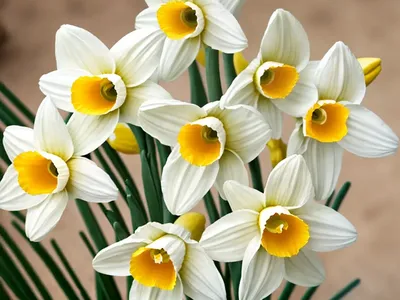
Narcissus ‘Geranium’, commonly known as Tazetta Daffodil, is a beautiful and versatile flowering plant that has gained popularity among gardeners and.
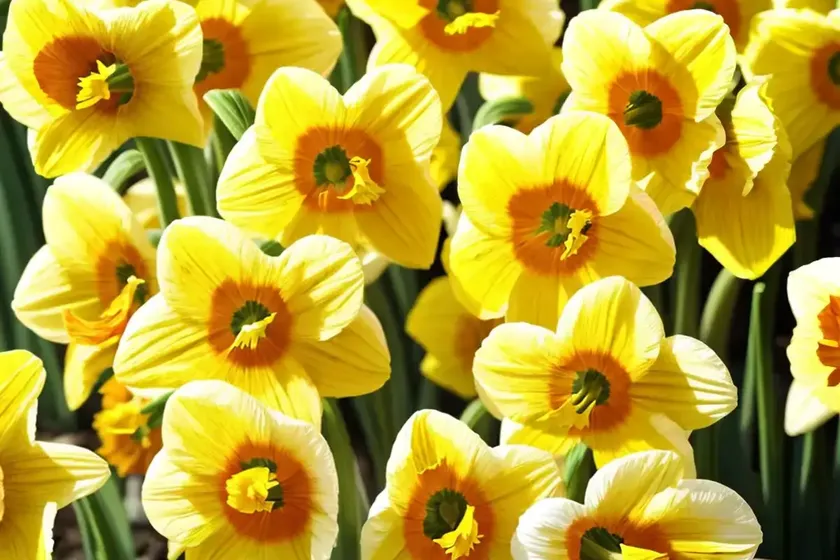
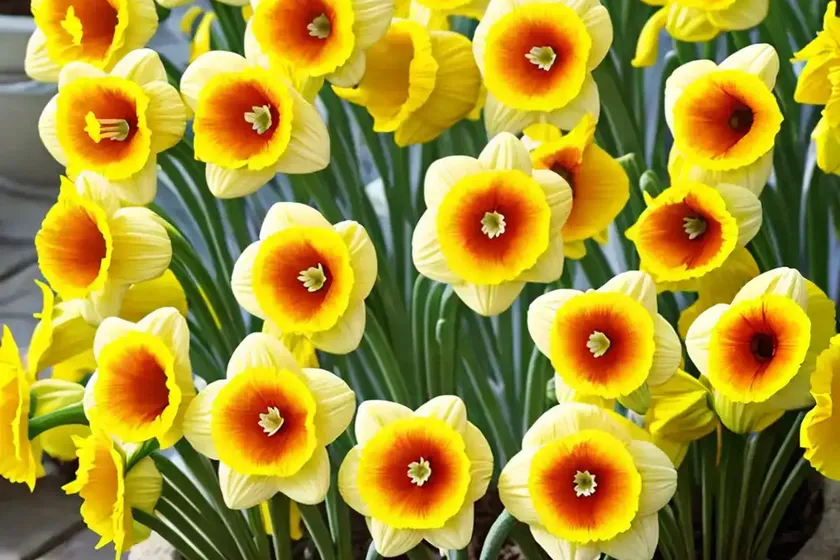
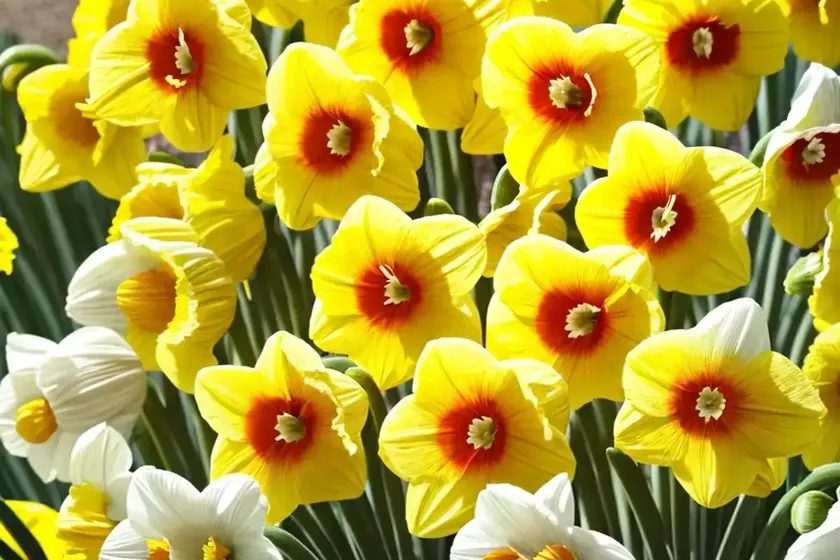
Narcissus ‘Geranium’, commonly known as Tazetta Daffodil, is a beautiful and versatile flowering plant that has gained popularity among gardeners and landscaping enthusiasts. This stunning plant is prized for its delicate, multi-flowered stems and fragrant blooms, making it a must-have addition to any garden or outdoor space. If you are looking to add a touch of elegance and charm to your landscape, learning how to care for and grow Narcissus ‘Geranium’ can be a rewarding experience. In this comprehensive guide, we will explore everything you need to know about the cultivation, uses, and maintenance of this captivating plant.
What is Narcissus ‘Geranium’ (Tazetta Daffodil)?
Narcissus ‘Geranium’ is a type of daffodil that belongs to the Tazetta group, a division within the larger Narcissus genus. Tazetta daffodils are characterized by their clusters of small, fragrant flowers, which often produce multiple blooms per stem. The ‘Geranium’ variety, in particular, is prized for its vibrant yellow or white petals and its sweet, citrus-like fragrance.
Key Takeaways – Narcissus ‘Geranium’ (Tazetta Daffodil)
Before delving into the intricate details of cultivating Narcissus ‘Geranium’, let’s take a moment to highlight some key takeaways about this enchanting flower:
- Scientific Name: Narcissus ‘Geranium’
- Common Name: Tazetta Daffodil
- Flower Characteristics: Fragrant, clustered, yellow or white blooms
- Cultural Uses: Landscaping, cut flowers, fragrant gardens
- Growth Requirements: Well-drained soil, sunlight, moderate water, suitable climate
- Maintenance: Minimal pruning, occasional fertilization, pest and disease control
- Propagation: Division of bulbs, seeds
Now that we have a basic understanding of Narcissus ‘Geranium’, let’s explore in detail the various aspects of caring for and growing this captivating flower.
Culture
Cultivating Narcissus ‘Geranium’ requires a basic understanding of its cultural preferences, including soil, water, sunlight, and other environmental factors. By providing the appropriate conditions, you can ensure that your Tazetta Daffodils thrive and produce an abundance of blooms.
Uses
Narcissus ‘Geranium’ serves a variety of practical and aesthetic purposes, making it a valuable addition to any landscape or garden. Some common uses of this plant include:
- Landscaping: Tazetta Daffodils are often used to add color and fragrance to outdoor spaces, including gardens, parks, and public areas.
- Cut Flowers: The fragrant blooms of Narcissus ‘Geranium’ make it an excellent choice for cut flower arrangements, adding a touch of elegance to indoor spaces.
- Fragrant Gardens: Due to their sweet, citrus-like scent, Tazetta Daffodils are ideal for creating fragrant garden beds or borders, enhancing the sensory experience of the environment.
- Bulb Sales: In some regions, Narcissus ‘Geranium’ bulbs are sold for ornamental or landscaping purposes, contributing to the horticultural market.
Understanding the various uses of Tazetta Daffodils can help you determine how best to integrate them into your gardening or landscaping plans.
Water
Proper watering is essential for the health and vitality of Narcissus ‘Geranium’. While these plants are relatively low-maintenance, they require adequate moisture, especially during their active growth and blooming periods.
Sunlight
Narcissus ‘Geranium’ thrives in full to partial sunlight, making it suitable for a wide range of outdoor settings. When selecting a planting location, consider providing ample sunlight to ensure robust flowering and overall plant vigor.
Fertilizer
Fertilization is important for supporting the growth and blooming of Narcissus ‘Geranium’. Applying a balanced, slow-release fertilizer in early spring can help provide essential nutrients for the plant’s development.
Soil
Well-drained and fertile soil is crucial for the successful cultivation of Tazetta Daffodils. These plants prefer loamy or sandy soil with good drainage to prevent root rot and other moisture-related issues.
Pruning
Minimal pruning is necessary for Narcissus ‘Geranium’. Once the flowers have faded, deadheading can help divert energy back to the bulbs for the following season. However, it is essential to allow the foliage to senesce naturally to ensure the bulbs receive adequate nutrients for future growth.
Propagation
Propagating Narcissus ‘Geranium’ can be achieved through bulb division or seed propagation. Dividing the bulbs during the plant’s dormant period allows you to create new plantings or expand existing ones. Seed propagation, while less common, is another method of propagating Tazetta Daffodils.
Container Popularity
The adaptability and visual appeal of Narcissus ‘Geranium’ make it a popular choice for container gardening. Whether grown in individual pots or combined with other spring-blooming plants, Tazetta Daffodils can brighten up outdoor spaces and bring a touch of cheer to patio areas.
Container Common Diseases
When grown in containers, Tazetta Daffodils may be susceptible to certain diseases that can impact their growth and overall health. Common container diseases that can affect Narcissus ‘Geranium’ include:
- Bulb Rot: Excessive moisture and poor drainage in containers can lead to bulb rot, causing the bulbs to decay and the plant to wilt.
- Fungal Diseases: Container-grown daffodils may be vulnerable to fungal infections, such as Botrytis or Fusarium, which can affect the foliage and flowers.
Disease Diagnosis
Diagnosing and addressing diseases in Narcissus ‘Geranium’ is crucial for maintaining the plant’s health and preventing the spread of infections. By recognizing common symptoms and signs of diseases, you can take prompt action to mitigate their impact.
Common Pests
While generally resistant to pests, Tazetta Daffodils may occasionally face pest infestations, particularly when grown in outdoor settings. Some common pests that can affect Narcissus ‘Geranium’ include:
- Narcissus Bulb Fly: The larvae of this fly species can damage narcissus bulbs, leading to reduced vigor and flowering.
- Slugs and Snails: These garden pests may feed on the foliage and flowers of Tazetta Daffodils, causing aesthetic damage and potential health issues for the plant.
Botanist’s Tips
To ensure the successful growth and care of Narcissus ‘Geranium’, consider the following botanist’s tips:
- Planting Depth: When planting the bulbs, ensure they are placed at a sufficient depth to promote healthy root development and stability.
- Mulching: Applying a layer of organic mulch around the base of the daffodil plants can help conserve moisture and regulate soil temperature.
- Companion Planting: Pairing Narcissus ‘Geranium’ with compatible plants, such as early-blooming perennials or ground covers, can enhance the visual appeal of the garden and provide ecological benefits.
Fun Facts
Now, let’s delve into some entertaining and fascinating facts about Narcissus ‘Geranium’ (Tazetta Daffodil):
- Symbolism: Daffodils, including Tazetta varieties, are often associated with themes of rebirth, new beginnings, and prosperity, making them popular choices for springtime plantings and celebrations.
- Fragrance: Tazetta Daffodils are renowned for their sweet, citrus-like fragrance, which can perfume the air and create a delightful olfactory experience in outdoor settings.
- Naturalizing: Over time, daffodil bulbs, including Narcissus ‘Geranium’, can naturalize and spread, forming charming clusters of blooms that signal the arrival of spring.
Links to External Resources
For additional information on growing and caring for Narcissus ‘Geranium’ (Tazetta Daffodil), consider exploring the following external resources:
- American Daffodil Society
- Royal Horticultural Society – Growing Daffodils
- University of Florida IFAS Extension – Daffodils
In conclusion, Narcissus ‘Geranium’ (Tazetta Daffodil) is a captivating and versatile plant that adds charm, fragrance, and visual appeal to outdoor spaces. By understanding its growth requirements, cultural uses, and maintenance guidelines, you can effectively incorporate this beautiful flower into your gardening and landscaping endeavors. Whether in garden beds, containers, or naturalized settings, Tazetta Daffodils can brighten up the springtime landscape and bring joy to both gardeners and admirers alike.