Stonecrop (Sedum makinoi ‘Ogon’): A Complete Guide for Plant Enthusiasts
Stonecrop, scientifically known as Sedum makinoi ‘Ogon’, is a captivating and versatile plant that has gained popularity among gardeners and landscaping enthusiasts. This low-growing stonecrop possesses ornamental qualities and is admired for its vibrant yellow foliage, making it a valuable addition to gardens and container arrangements. In this comprehensive guide, we will delve into the various aspects of stonecrop, including its culture, uses, maintenance requirements, and propagation techniques. With a focus on its care and cultivation, this guide aims to equip plant enthusiasts with a wealth of knowledge about the beautiful Sedum makinoi ‘Ogon’.
What is Stonecrop (Sedum makinoi ‘Ogon’)?
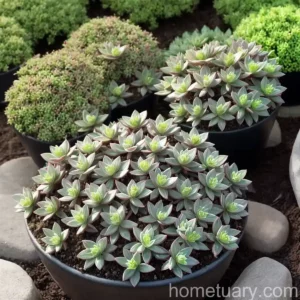
Stonecrop, a member of the Sedum genus, is a ground-covering succulent plant that is native to Japan. It is also commonly referred to as Sedum makinoi ‘Ogon’, with “Ogon” translating to “gold” in Japanese, a nod to the plant’s striking golden foliage. The Sedum makinoi ‘Ogon’ variety is recognized for its vibrant, yellow-green leaves that form dense mats, creating a visually appealing carpeting effect. This low-growing stonecrop is lauded for its adaptability and resilience, making it suitable for various landscaping applications, including rock gardens, borders, and container plantings.
Key Takeaways: Stonecrop (Sedum makinoi ‘Ogon’)
Before we delve into the detailed aspects of stonecrop care and cultivation, let’s consider the key takeaways related to this remarkable plant:
- Scientific Name: Sedum makinoi ‘Ogon’
- Common Name: Stonecrop
- Foliage Color: Golden yellow-green
- Growth Habit: Low, spreading
- Uses: Ground cover, container planting, landscaping
- Notable Traits: Drought-tolerant, vibrant foliage, low maintenance
- Propagation Methods: Division, stem cuttings
- Sunlight Requirements: Full sun to partial shade
- Watering Needs: Low to moderate
- Soil Type: Well-draining, sandy or rocky soil
- Hardiness: USDA Zones 6-9
- Common Pests: Mealybugs, aphids
- Common Diseases: Root rot, powdery mildew
With these key takeaways in mind, let’s explore the culture, uses, and maintenance requirements of stonecrop in greater detail.
Culture
Understanding the cultural preferences of stonecrop is pivotal for creating an environment in which it can thrive. By considering factors such as sunlight, water, soil, and fertilizer, gardeners can ensure that their Sedum makinoi ‘Ogon’ displays its characteristic vigor and vibrant foliage.
Water
Stonecrop is renowned for its drought tolerance and consequent low water requirements. When established, this resilient plant can endure periods of dryness, making it an excellent choice for water-wise landscapes and gardens. When it comes to watering Sedum makinoi ‘Ogon’, it is crucial to strike a balance, providing enough moisture to support growth without creating waterlogged conditions, which may lead to root rot.
To effectively water stonecrop:
-
Establishment Phase: During the initial stages of planting or transplanting, it is advisable to provide moderate water to promote root establishment. This may involve regular watering until the plant shows signs of active growth and development.
-
Established Plants: Once established, stonecrop typically thrives with minimal watering. It is essential to allow the soil to dry out between watering intervals, ensuring that excess moisture does not accumulate around the roots.
-
Drought Conditions: In extended periods of drought or summer heat, providing occasional deep watering can help maintain the plant’s vitality. However, it is imperative to avoid overwatering, especially in heavy or poorly draining soil.
Sunlight
As a sun-loving succulent, stonecrop flourishes in bright, direct sunlight. Adequate exposure to sunlight is fundamental to the plant’s ability to exhibit its characteristic golden foliage and compact growth habit. When considering the placement of Sedum makinoi ‘Ogon’, selecting a site that receives at least six hours of sunlight per day is highly recommended.
To optimize sunlight conditions for stonecrop:
-
Outdoor Plantings: When incorporating stonecrop into outdoor landscapes or gardens, choose a location that receives ample sunlight, such as south-facing or west-facing areas. Avoid areas with excessive shade, as reduced sunlight can diminish the plant’s vibrant coloration and hinder its growth.
-
Indoor Cultivation: For enthusiasts looking to cultivate stonecrop indoors, providing access to bright, indirect light or direct sunlight near windows can help maintain the plant’s vigor and aesthetic appeal.
Fertilizer
One of the appealing attributes of stonecrop is its minimal fertilizer requirements. This low-maintenance plant thrives without the need for frequent or intensive feeding, making it an ideal choice for gardeners seeking fuss-free cultivation. Over-fertilization can lead to excessive vegetative growth and diminish the plant’s vibrant foliage, underscoring the importance of adopting a conservative approach to fertilization.
To effectively fertilize stonecrop:
-
Infrequent Application: Stonecrop generally benefits from infrequent fertilization, with a focus on using a balanced, diluted fertilizer during the active growing season. Applying a half-strength, all-purpose liquid fertilizer once or twice during the growing season is often sufficient to support the plant’s nutritional needs.
-
Avoid Excess Nitrogen: It is crucial to avoid high-nitrogen fertilizers, as they can promote lush, leggy growth at the expense of the plant’s compact form and vibrant foliage. Opting for a fertilizer with balanced ratios, such as 10-10-10, can help maintain optimal growth and coloration.
-
Organic Alternatives: For gardeners who prefer organic options, incorporating a slow-release organic fertilizer during the spring can provide a gentle, long-term nutrient supply for stonecrop, supporting its overall health and vigor.
Soil
The soil composition plays a pivotal role in the success of stonecrop cultivation, with well-draining, porous soils being essential to prevent waterlogging and promote healthy root development. The preferences of Sedum makinoi ‘Ogon’ align with those of many succulent plants, requiring soil conditions that mimic its native rocky habitats.
For optimal soil conditions for stonecrop:
-
Drainage: Ample drainage is crucial for preventing water accumulation and ensuring the health of stonecrop. Sandy or gravelly soils that allow water to percolate quickly are well-suited for this low-maintenance plant.
-
Soil Amendment: Incorporating sand, perlite, or gravel into heavier soils can improve drainage and aeration, creating an environment conducive to stonecrop growth. This can be particularly beneficial in areas with clay-rich or compacted soils.
-
Soil pH: Stonecrop is adaptable to a range of soil pH levels, with a preference for slightly acidic to neutral conditions. Testing the soil pH and making adjustments as necessary can help create an optimal growing environment for Sedum makinoi ‘Ogon’.
Pruning
Pruning stonecrop is relatively minimal, with the plant’s compact growth habit alleviating the need for extensive maintenance. However, occasional grooming and removal of spent blooms can help promote tidiness and encourage renewed growth, especially during the active growing season.
When pruning stonecrop:
-
Deadheading Spent Blooms: Removing spent flower heads can prevent self-seeding and promote continued flowering. Snipping the fading blooms at the base of the stem contributes to a neat appearance and encourages the plant to conserve its energy for new growth.
-
Containment: As stonecrop possesses a spreading growth habit, occasional pruning may be required to contain its expansion or maintain a desired form. Trimming unruly or overhanging stems can help manage the plant’s spread and achieve a neat, compact appearance.
Propagation
Expanding the presence of stonecrop in the garden or sharing its beauty with fellow gardening enthusiasts often involves propagation. Sedum makinoi ‘Ogon’ can be propagated through division or stem cuttings, providing opportunities to create new plantings or expand existing ones.
For successful propagation of stonecrop:
-
Division: Dividing mature stonecrop clumps in early spring allows gardeners to create new plantings and rejuvenate existing ones. Carefully separating the rooted offsets and replanting them in well-draining soil can promote robust growth.
-
Stem Cuttings: Taking stem cuttings during the active growing season offers an alternative method of propagation. Selecting healthy, non-flowering stems and rooting them in a well-draining medium can yield new plants that mirror the characteristics of the parent Sedum makinoi ‘Ogon’.
With a firm understanding of stonecrop culture and maintenance requirements, let’s explore the versatile uses of this ornamental succulent.
Uses
Stonecrop’s versatility and aesthetic appeal lend themselves to an array of uses, ranging from ground cover plantings to container arrangements and beyond. The plant’s adaptability, low-maintenance nature, and vibrant foliage make it a valuable addition to diverse gardening and landscaping endeavors.
Ground Cover
As a low-growing, spreading succulent, stonecrop excels as a ground cover plant. Delicate, golden leaves create a dense, carpet-like effect, enlivening bare patches of soil with vibrant foliage. Along pathways, in rock gardens, or cascading over retaining walls, Sedum makinoi ‘Ogon’ functions as an eye-catching ground cover that requires minimal upkeep.
Container Planting
Stonecrop’s compact growth habit and resilience to drought make it well-suited for container plantings. The plant’s striking yellow-green foliage contrasts beautifully with various container materials, from terracotta to modern ceramics. Whether showcased in standalone planters or combined with complementary succulents and perennials, Sedum makinoi ‘Ogon’ adds visual interest to outdoor living spaces and garden displays.
Landscaping
In landscape design, stonecrop finds its place as an ornamental feature, imparting texture, color, and visual appeal. Whether employed as edging along borders, interplanted within rockeries, or incorporated into xeriscape designs, Sedum makinoi ‘Ogon’ enriches outdoor settings with its vibrant, low-maintenance presence.
Erosion Control
Stonecrop’s spreading growth habit and adaptability to various soil types make it a valuable ally in erosion control efforts. The plant’s dense mat-forming capability and robust root system can help stabilize soil on slopes, embankments, and other vulnerable areas, mitigating the risk of erosion through its resilient growth.
Pollinator Gardens
The nectar-rich blooms of stonecrop attract pollinators, making it a natural fit for inclusion in pollinator gardens. Bees, butterflies, and other beneficial insects are drawn to the tiny flowers, contributing to the ecological diversity of the garden and supporting local pollinator populations.
Container Common Diseases
Despite its resilience, stonecrop is susceptible to certain diseases and pests that can affect its overall health and appearance. Recognizing common diseases and promptly addressing any issues is essential for maintaining the vigor and vitality of Sedum makinoi ‘Ogon’.
Disease Diagnosis
Identifying and understanding common diseases that affect stonecrop is crucial for implementing appropriate disease management strategies and safeguarding the plant’s well-being. Key diseases that may impact Sedum makinoi ‘Ogon’ include:
-
Root Rot: Excessive moisture or poorly draining soil can contribute to root rot, leading to wilting, yellowing foliage, and a decline in overall vigor. Implementing proper watering practices and ensuring well-draining soil conditions can help prevent this damaging disease.
-
Powdery Mildew: In conditions of high humidity and inadequate air circulation, stonecrop may be susceptible to powdery mildew, characterized by the development of a white, powdery coating on the foliage. Maintaining good ventilation and removing affected plant parts can help manage this fungal disease.
Common Pests
Stonecrop may also attract certain pests that can compromise the plant’s health and appearance. Vigilance and proactive pest management can minimize the impact of common pests on Sedum makinoi ‘Ogon’.
Mealybugs
Mealybugs are a common pest that may afflict stonecrop, gathering on the foliage and stems and feeding on plant juices. They can cause stunted growth, yellowing leaves, and the secretion of honeydew, leading to the development of sooty mold. Applying horticultural oil or insecticidal soap can help control mealybug infestations.
Aphids
Aphids are another potential threat to stonecrop, congregating on tender shoot tips and young foliage, where they suck sap and excrete honeydew. Their feeding can lead to distorted growth and the transmission of viral diseases. Regular inspection and the application of insecticidal soap can aid in managing aphid populations.
Botanist’s Tips
Drawing on the collective knowledge and insights of experienced botanists and horticulturists can yield invaluable tips and guidance for the successful cultivation of stonecrop. Leveraging expert advice and best practices can optimize the health and vigor of Sedum makinoi ‘Ogon’ in various gardening and landscaping scenarios.
Fun Facts
Delving into the intriguing and captivating aspects of stonecrop can uncover an array of fun and fascinating facts about this exceptional succulent plant, enriching the gardening experience and fostering an appreciation for its unique attributes.
Let’s take a moment to explore some captivating fun facts about Sedum makinoi ‘Ogon’:
-
Japanese Origin: Stonecrop (Sedum makinoi ‘Ogon’) originates from Japan, where it is celebrated for its beauty and adaptability to various climates and growing conditions.
-
Botanical Significance: The specific epithet “makinoi” honors the Japanese botanist and plant collector, Tomitaro Makino, who made significant contributions to the study and taxonomy of Japanese flora.
-
Hardy Nature: Stonecrop is renowned for its winter hardiness, with many cultivars demonstrating resilience in colder climates and exhibiting evergreen or semi-evergreen foliage year-round.
-
Medicinal Properties: Some varieties of stonecrop possess traditional medicinal applications, with certain species being utilized in herbal remedies for conditions such as skin ailments and digestive issues.
-
Wildlife Habitat: Stonecrop’s nectar-rich blooms attract a diverse array of pollinators, making it a valuable contributor to ecological landscapes and wildlife-friendly gardens.
With a deeper appreciation of stonecrop’s cultural significance, uses, and maintenance practices, let’s explore valuable external resources that can enhance our understanding and support the cultivation of this versatile succulent.
Links to External Resources
For enthusiasts seeking additional information, guidance, and inspiration related to stonecrop (Sedum makinoi ‘Ogon’), the following external resources offer valuable insights and knowledge:
-
Royal Horticultural Society (RHS): The RHS provides comprehensive guidance on the cultivation, maintenance, and uses of Stonecrop (Sedum) species, offering an array of expert articles, cultivation advice, and plant profiles.
-
Missouri Botanical Garden: The Missouri Botanical Garden’s online plant database features detailed information on Sedum makinoi ‘Ogon’, including plant characteristics, growing tips, and horticultural insights.
-
University Cooperative Extension Services: Local cooperative extension services and university horticultural departments often publish articles, fact sheets, and guides related to succulent plant cultivation, including stonecrop and Sedum makinoi ‘Ogon’.
-
Gardening Forums and Communities: Engaging with gardening forums, social media groups, and online communities can provide opportunities to connect with fellow plant enthusiasts, share experiences, and seek advice on growing stonecrop and similar succulent varieties.
By exploring these external resources and engaging with the broader gardening community, plant enthusiasts can deepen their knowledge and appreciation of stonecrop, enhancing their ability to cultivate and enjoy this exceptional plant variety.
Conclusion
Stonecrop (Sedum makinoi ‘Ogon’) stands as a captivating and versatile addition to gardens, landscapes, and container arrangements. Its vibrant, golden foliage, resilient nature, and adaptability to various growing conditions make it an esteemed choice for plant enthusiasts seeking low-maintenance, visually striking plants. By understanding the cultural requirements, uses, maintenance practices, and propagation techniques associated with Sedum makinoi ‘Ogon’, gardeners can embark on a rewarding journey of cultivating and enjoying the captivating attributes of this remarkable stonecrop variety.
Through the dissemination of knowledge, exploration of resources, and collective appreciation for stonecrop, we can foster a deeper reverence for this exceptional succulent, recognizing its contributions to horticulture, landscaping, and ecological diversity.
As we celebrate the allure and resilience of stonecrop and continue to expand our understanding and exploration of succulent plants, we embrace the beauty and diversity of the natural world, enriching our lives and landscapes with the remarkable presence of Sedum makinoi ‘Ogon’.
The information provided in this blog post is intended for informational purposes only. It is important to conduct thorough research and consult relevant sources before making any decisions or implementing practices related to plant cultivation and maintenance.