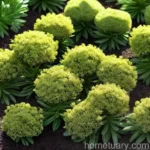
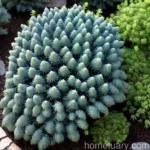
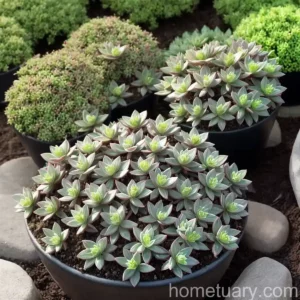
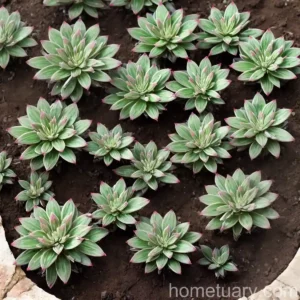
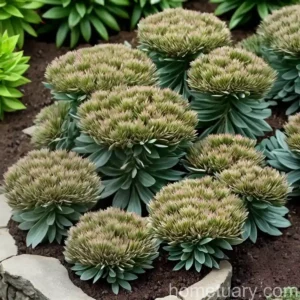
Sedum album subsp. teretifolium ‘Murale’ (White Stonecrop)
Sedum album subsp. teretifolium ‘Murale’, commonly known as White Stonecrop, is a delightful and low-growing succulent plant that belongs to the stonecrop family (Crassulaceae). Its charming appearance and versatility make it a popular choice for various landscaping and gardening applications. This article provides a comprehensive guide to understanding the culture, uses, care, and maintenance of this fascinating plant.
Key Takeaways – Sedum album subsp. teretifolium ‘Murale’ (White Stonecrop)
Before delving into the specifics of caring for Sedum album subsp. teretifolium ‘Murale’, here are some key takeaways about this plant:
-
The Sedum album subsp. teretifolium ‘Murale’, also known as White Stonecrop, is a low-growing succulent plant that belongs to the stonecrop family.
-
It is a versatile plant with various cultural uses. It can be used as ground cover, in rock gardens, or as a container plant.
-
Sedum album subsp. teretifolium ‘Murale’ thrives in well-draining soil and requires minimal maintenance, making it an ideal choice for low-maintenance landscapes.
-
This plant is relatively drought-tolerant and prefers full sun to partial shade, making it suitable for a wide range of growing conditions.
Now, let’s explore the specific aspects of caring for Sedum album subsp. teretifolium ‘Murale’ in detail.
What is Sedum album subsp. teretifolium ‘Murale’ (White Stonecrop)?
Sedum album subsp. teretifolium ‘Murale’, commonly known as White Stonecrop, is a subspecies of Sedum album, a species within the genus Sedum. This low-growing succulent plant is native to parts of Europe and Asia and is widely cultivated for its ornamental value. It is characterized by its fleshy, rounded leaves and delicate, star-shaped white flowers that bloom in clusters during the summer months.
The ‘Murale’ variety of Sedum album subsp. teretifolium is particularly valued for its compact growth habit and its ability to form a dense mat of foliage, making it an excellent choice for ground cover and rock gardens. Furthermore, its adaptability to various growing conditions, including poor soil and dry environments, makes it a resilient and attractive option for landscaping.
Plant Name: “Sedum album subsp. teretifolium ‘Murale’ (White Stonecrop)”
Now, let’s delve into the specific cultural uses, care requirements, and maintenance practices for this captivating plant.
Culture
Understanding the cultural preferences and requirements of Sedum album subsp. teretifolium ‘Murale’ is essential for successfully cultivating and maintaining this plant. Here’s a detailed look at its cultural needs and characteristics:
Uses
Sedum album subsp. teretifolium ‘Murale’ offers a wide range of cultural uses, thanks to its adaptability and ornamental features. Some common uses of this versatile plant include:
-
Ground Cover: Its low-growing and mat-forming growth habit makes it an ideal choice for ground cover in various landscape settings. When planted en masse, it creates a visually appealing carpet of foliage that enhances the aesthetic appeal of garden beds and borders.
-
Rock Gardens: White Stonecrop is well-suited for rock gardens and alpine landscapes, as its compact growth habit allows it to thrive in the crevices of rocks and stones. Its ability to withstand hot and dry conditions makes it a resilient choice for rock gardens.
-
Container Plant: The low-maintenance nature of Sedum album subsp. teretifolium ‘Murale’ makes it well-suited for container gardening. It can be grown in containers, hanging baskets, or troughs, adding a touch of greenery to patios, balconies, and other outdoor spaces.
-
Erosion Control: Due to its spreading nature and resilience to harsh growing conditions, White Stonecrop is often used for erosion control on slopes and embankments. Its ability to form a dense mat of vegetation helps stabilize soil and prevent erosion.
Water
White Stonecrop is known for its drought-tolerant nature, making it well-adapted to drier-than-average conditions. While it can withstand periods of dryness, particularly once established, regular watering is still essential for maintaining its health and promoting optimal growth.
Watering Tips for Sedum album subsp. teretifolium ‘Murale’:
-
Establishment Period: During the initial establishment phase, newly planted Sedum album subsp. teretifolium ‘Murale’ requires consistent moisture to encourage root development. Water the plant regularly, ensuring that the soil remains evenly moist but not waterlogged.
-
Mature Plants: Once established, White Stonecrop is relatively low-maintenance in terms of watering. However, during prolonged periods of drought or extreme heat, it is beneficial to provide supplemental watering to prevent excessive wilting and stress.
-
Watering Frequency: As a general guideline, water Sedum album subsp. teretifolium ‘Murale’ when the top inch of the soil feels dry to the touch. Adjust the frequency of watering based on environmental conditions and the moisture retention capabilities of the soil.
Sunlight
Proper sunlight exposure plays a crucial role in the growth and overall health of Sedum album subsp. teretifolium ‘Murale’. Understanding its sunlight preferences is essential for ensuring optimal performance and vibrant appearance.
Sunlight Preferences for Sedum album subsp. teretifolium ‘Murale’:
-
Full Sun: White Stonecrop thrives in full sun to partial shade, with a preference for at least 6 hours of direct sunlight per day. When grown in full sun, it displays vigorous growth, compact habit, and enhanced flowering.
-
Partial Shade: While tolerant of partial shade, it is important to provide sufficient sunlight to prevent overly leggy growth and sparse foliage. In shaded conditions, it may exhibit reduced flowering and a more open growth habit.
-
Sunlight Considerations: When selecting a planting site for Sedum album subsp. teretifolium ‘Murale’, choose a location with ample sunlight exposure, especially in cooler climates. In warmer regions, partial shade during the hottest part of the day can help protect the plant from excessive heat stress.
Fertilizer
Proper fertilization can support the healthy growth and vitality of Sedum album subsp. teretifolium ‘Murale’, although it generally has modest fertility requirements. Understanding the appropriate fertilization practices is essential for promoting lush foliage and prolific flowering.
Fertilization Tips for Sedum album subsp. teretifolium ‘Murale’:
-
Minimal Fertilization: White Stonecrop is not considered heavy feeder and can thrive in relatively nutrient-poor soils. Excessive fertilization can lead to excessive vegetative growth at the expense of flowering and may compromise its compact growth habit.
-
Organic Amendments: When fertilization is necessary, opt for a balanced, slow-release fertilizer or organic amendments that provide a gentle and sustained nutrient supply. Apply the fertilizer sparingly in early spring, following the recommended application rates.
-
Avoid Excess Nitrogen: High-nitrogen fertilizers should be avoided, as they can promote excessive foliage growth and diminish the plant’s overall ornamental appeal. Instead, prioritize a balanced fertilizer formulation or organic alternatives.
Soil
The soil composition and structure directly impact the overall health and performance of Sedum album subsp. teretifolium ‘Murale’. Understanding its soil requirements and considerations is essential for creating an optimal growing environment for this versatile plant.
Soil Requirements for Sedum album subsp. teretifolium ‘Murale’:
-
Well-Draining Soil: White Stonecrop thrives in well-draining soil with good aeration, as it is susceptible to root rot in waterlogged conditions. Incorporate organic matter, such as compost or peat moss, to improve soil structure and drainage in heavy or compacted soils.
-
pH Considerations: It tolerates a wide range of soil pH levels, ranging from slightly acidic to slightly alkaline. A neutral to slightly acidic pH is preferable, ranging from 6.0 to 7.5, to support optimal nutrient uptake and overall plant health.
-
Soil Texture: A sandy loam or gravelly soil texture is well-suited for White Stonecrop, mirroring its natural habitat in rocky and gravelly environments. Such soil types promote rapid drainage and minimize the risk of waterlogged conditions.
Pruning
Pruning plays a key role in maintaining the tidy and compact growth habit of Sedum album subsp. teretifolium ‘Murale’, as well as in promoting flowering and overall plant aesthetics. Proper pruning practices are essential for cultivating healthy and visually appealing specimens.
Pruning Guidelines for Sedum album subsp. teretifolium ‘Murale’:
-
Spring Pruning: In early spring, inspect the plant for any damaged, dead, or unsightly growth and remove these areas to maintain a neat appearance. Additionally, trim back any leggy or elongated stems to encourage a denser growth habit.
-
Deadheading: Regular deadheading of spent flowers throughout the blooming season can prolong flowering and prevent the plant from exhausting its energy on seed production. Use clean, sharp pruners to remove faded flower clusters.
-
Division: Every few years, consider dividing overcrowded or sprawling clumps of Sedum album subsp. teretifolium ‘Murale’ to promote vigor and rejuvenate the plant. Divide the plant in early spring or late summer, ensuring that each division has viable roots and shoots.
Propagation
Propagating Sedum album subsp. teretifolium ‘Murale’ offers an opportunity to expand your plant collection and share this charming succulent with others. Understanding the various propagation methods and best practices can help you successfully propagate new plants.
Propagation Methods for Sedum album subsp. teretifolium ‘Murale’:
-
Division: Divide mature clumps of White Stonecrop every few years to create new plants. Using a sharp, clean knife or spade, carefully separate the clump into smaller sections, ensuring that each division has sufficient roots and shoots. Replant the divisions in prepared soil and water thoroughly.
-
Stem Cuttings: Propagate Sedum album subsp. teretifolium ‘Murale’ from stem cuttings taken during the active growing season. Select healthy, non-flowering stems and cut them into 2- to 3-inch sections. Remove the lower leaves and allow the cuttings to callus for a day before planting them in a well-draining rooting medium.
-
Leaf Cuttings: Harvest individual leaves from the plant and allow them to callus for a day or two before inserting the cut ends into a suitable rooting medium. Keep the medium lightly moist and provide indirect light to encourage the development of new plantlets at the base of the inserted leaves.
-
Seed Propagation: While less commonly used, White Stonecrop can be propagated from seeds sown in prepared seed-starting mix. Sow the seeds on the surface of the soil and lightly press them in, keeping the medium consistently moist until germination occurs.
Container Popularity
The compact growth habit, ornamental appeal, and low-maintenance nature of Sedum album subsp. teretifolium ‘Murale’ make it a popular choice for container gardening. Its versatility and adaptability to container environments render it an ideal plant for various container garden designs and arrangements.
Advantages of Growing Sedum album subsp. teretifolium ‘Murale’ in Containers:
-
Space-Saving: White Stonecrop’s low-growing and spreading habit make it suitable for compact containers, where it can serve as a lush ground cover or focal point. Its adaptability to confined spaces makes it a versatile choice for balconies, patios, and small gardens.
-
Portability: Container-grown Sedum album subsp. teretifolium ‘Murale’ can be easily moved and rearranged to accommodate changing garden designs or seasonal preferences. This flexibility allows for creative experimentation with different container sizes, shapes, and materials.
-
Soil Control: Growing White Stonecrop in containers provides greater control over the soil composition and drainage, allowing you to create an optimal growing environment for the plant. This is particularly beneficial for gardeners dealing with heavy or poorly draining soils in their native landscape.
-
Design Versatility: Incorporate Sedum album subsp. teretifolium ‘Murale’ in mixed container plantings, succulent gardens, or rock garden displays to add texture, color, and visual interest. Combine it with other low-water plants, such as ornamental grasses or flowering perennials, for dynamic container arrangements.
Common Diseases
While Sedum album subsp. teretifolium ‘Murale’ is generally resistant to most common plant diseases, it may be susceptible to certain issues under specific environmental or cultural conditions. Understanding the common diseases that may affect this plant is essential for prompt identification and management.
Common Diseases of Sedum album subsp. teretifolium ‘Murale’:
-
Powdery Mildew: In excessively humid or poorly ventilated conditions, White Stonecrop may develop powdery mildew, characterized by a white, powdery growth on the foliage. Maintain good air circulation, avoid overhead watering, and apply proper sanitation to prevent powdery mildew.
-
Root Rot: Prolonged periods of waterlogged soil can lead to the development of root rot in Sedum album subsp. teretifolium ‘Murale’. Ensure proper drainage and avoid overwatering to minimize the risk of this fungal disease.
-
Stem Rot: Under excessively wet conditions, stem rot caused by fungal pathogens may affect the stems and foliage of White Stonecrop. Avoid overwatering and provide adequate space between plants to promote drying of foliage and prevent the spread of disease.
-
Botrytis Blight: Botrytis blight, or gray mold, can affect the flowers and foliage of Sedum album subsp. teretifolium ‘Murale’ in damp, cool conditions. Remove and dispose of affected plant parts and provide ample air circulation to prevent the spread of this fungal disease.
Disease Diagnosis
Diagnosing potential diseases affecting Sedum album subsp. teretifolium ‘Murale’ involves careful observation of the plant’s overall appearance, foliage, and growing conditions. Identifying symptoms and signs of disease can aid in prompt intervention and management.
Symptoms and Diagnosis of Diseases in Sedum album subsp. teretifolium ‘Murale’:
-
Irregular or Discolored Foliage: Pale, yellowing, or distorted foliage may indicate the presence of a fungal disease or pest infestation. Inspect the undersides of leaves for signs of pests or fungal growth.
-
Abnormal Growth Patterns: Stunted growth, wilting, or dieback of stems and foliage can be indicative of fungal diseases, such as root rot or stem rot. Check the soil moisture levels and adjust watering practices accordingly.
-
Presence of Powdery Residue: If a white, powdery residue is observed on the foliage, it may indicate the onset of powdery mildew. Monitor environmental conditions, such as humidity levels, and provide proper ventilation.
-
Decay or Lesions: Any signs of decay, lesions, or soft, water-soaked areas on the stems or foliage should be promptly addressed to prevent the spread of potential diseases, such as stem rot or botrytis blight.
Common Pests
While Sedum album subsp. teretifolium ‘Murale’ is relatively resistant to most pests, it may encounter occasional pest issues that can affect its appearance and overall health. Identifying and managing common pests can help maintain the vigor and ornamental appeal of this charming succulent.
Common Pests Affecting Sedum album subsp. teretifolium ‘Murale’:
-
Aphids: These small, soft-bodied insects may cluster on new growth and flower buds, sucking plant sap and causing distorted growth. Rinse affected foliage with a strong jet of water or use insecticidal soap to control aphid infestations.
-
Mealybugs: Mealybugs are another sap-sucking pest that may affect the foliage and stems of Sedum album subsp. teretifolium ‘Murale’. Remove individual mealybugs with a cotton swab dipped in rubbing alcohol or treat larger infestations with insecticidal soap.
-
Scale Insects: Scale insects may attach themselves to the stems and foliage of White Stonecrop, feeding on plant sap and causing yellowing or weakening of the plant. Use a soft brush dipped in soapy water or horticultural oil to physically remove scale insects from the plant.
-
Spider Mites: Spider mites are tiny arachnids that can cause stippling or webbing on the foliage of Sedum album subsp. teretifolium ‘Murale’. Increase humidity levels, rinse foliage with water, or use insecticidal soap to manage spider mite infestations.
Botanist’s Tips
As a botanist specializing in succulent plants and ornamental horticulture, I have gathered some valuable tips and recommendations for successfully cultivating and maintaining Sedum album subsp. teretifolium ‘Murale’:
Botanist’s Tips for Growing Sedum album subsp. teretifolium ‘Murale’:
-
Well-Draining Soil: Prioritize planting White Stonecrop in soil with excellent drainage to prevent waterlogged conditions and root rot. Amending the soil with coarse sand or perlite can improve its drainage capacity.
-
Minimal Fertilization: Avoid excessive fertilization, especially high-nitrogen formulas, to prevent overly lush growth at the expense of flowering. A balanced, low-dose fertilizer is generally sufficient for supporting the plant’s nutritional needs.
-
Pruning Frequency: Regular pruning, particularly in early spring, helps maintain the compact and neat appearance of Sedum album subsp. teretifolium ‘Murale’. Deadhead spent flowers and trim back leggy growth for a tidy presentation.
-
Watering Considerations: While drought-tolerant, provide supplemental watering during prolonged dry periods to ensure the health and vigor of the plant. Monitor soil moisture levels and adjust watering frequency based on environmental conditions.
-
Pest Vigilance: Keep a close eye on the plant for signs of pest activity, particularly aphids, mealybugs, scale insects, and spider mites. Prompt intervention and management can prevent pest infestations from impacting the plant’s vitality.
-
Container Gardening: White Stonecrop is an excellent choice for container gardening, offering versatility and adaptability to confined growing spaces. Select a well-draining potting mix and provide ample sunlight for container-grown specimens.
Fun Facts
Sedum album subsp. teretifolium ‘Murale’ boasts several interesting and unique characteristics, making it a captivating addition to garden landscapes. Here are some fun facts about this delightful succulent plant:
-
Herbal Uses: In traditional herbal medicine, certain species of Sedum, including Sedum album, have been utilized for their purported medicinal properties. However, it is essential to consult with a healthcare professional before using any plant for medicinal purposes.
-
Attracts Pollinators: The star-shaped flowers of Sedum album subsp.