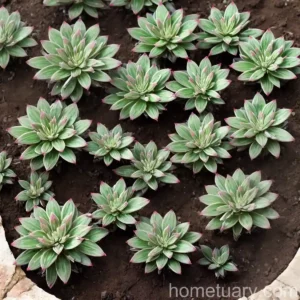
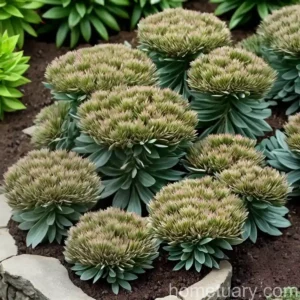
The Fascinating World of Stonecrop (Sedum ‘Pillow Talk’)
The plant kingdom is full of marvels, from towering trees to delicate flowers, but few plants captivate the imagination quite like stonecrop, specifically the Sedum ‘Pillow Talk’ variety. Stonecrop is a versatile and visually stunning plant that has captured the hearts of gardeners and plant enthusiasts worldwide. In this comprehensive guide, we will delve into the world of stonecrop, exploring its cultural significance, uses, growth requirements, and much more.
What is Stonecrop (Sedum ‘Pillow Talk’)?
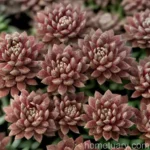
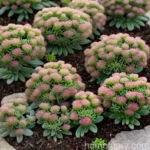
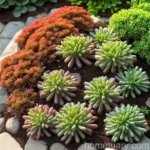
Stonecrop, scientifically known as Sedum ‘Pillow Talk’, is a perennial succulent plant that belongs to the Crassulaceae family. This delightful plant is characterized by its attractive foliage and vibrant flowers, making it a popular choice for gardens, rockeries, and container arrangements.
Key Takeaways – Stonecrop (Sedum ‘Pillow Talk’)
Before we delve into the details, here are some key takeaways about stonecrop that we will explore in this guide:
- Culture: Understand the cultural significance and symbolism associated with stonecrop.
- Uses: Explore the diverse uses of stonecrop in landscaping, agriculture, and beyond.
- Water: Learn about the watering requirements and drought tolerance of stonecrop.
- Sunlight: Discover the optimal sunlight conditions for cultivating healthy stonecrop plants.
- Fertilizer: Understand the role of fertilizer in promoting robust growth in stonecrop.
- Soil: Delve into the preferred soil conditions for cultivating stonecrop and fostering optimal growth.
- Pruning: Learn the importance of pruning and the techniques for keeping stonecrop plants healthy and attractive.
- Propagation: Explore different methods of propagating stonecrop, allowing you to expand your garden effortlessly.
- Container Popularity: Discover why stonecrop is a popular choice for container gardening.
- Container Common Diseases: Understand the common diseases that affect stonecrop when grown in containers.
- Disease Diagnosis: Equip yourself with the knowledge to identify and manage diseases that may affect your stonecrop plants.
- Common Pests: Learn about the pests that pose a threat to stonecrop and effective pest control measures.
- Botanist’s Tips: Benefit from expert insights and tips for successfully growing and caring for stonecrop.
- Fun Facts: Uncover fascinating and little-known facts about stonecrop that will deepen your appreciation for this plant.
Now, let’s embark on an enlightening journey through the world of stonecrop, where we will explore its captivating beauty, growth requirements, and much more.
Culture and Significance of Stonecrop
Symbolism
Stonecrop plants have held special cultural and symbolic significance throughout history. Traditionally, these plants have been associated with endurance, resilience, and tenacity due to their ability to thrive in challenging conditions. The name “stonecrop” itself reflects the plant’s tenacious nature, as it often grows in rocky or stony environments.
Horticultural Use
In horticulture and landscaping, stonecrop is valued for its ability to add texture, color, and visual interest to gardens and outdoor spaces. The plant’s versatility makes it suitable for a wide range of landscaping applications, from ground cover in rock gardens to accent plants in flower beds.
Medicinal and Folklore Uses
Beyond its ornamental value, some species of stonecrop have been used in traditional medicine for their purported healing properties. In folklore, stonecrop has been associated with protection and luck, with some cultures using it in rituals aimed at warding off misfortune.
Water Requirements for Stonecrop
One of the key characteristics that make stonecrop a popular choice for both novice and experienced gardeners is its exceptional drought tolerance. Stonecrop plants have built-in mechanisms that enable them to thrive in arid conditions, making them an excellent choice for water-wise gardening.
Watering Guidelines
- Established Plants: Once established, stonecrop plants typically require minimal supplemental watering, as they can draw moisture from their fleshy leaves and stems.
- Newly Planted: When initially planted or during prolonged dry spells, provide supplemental watering to help the plants establish a robust root system.
- Container-Grown: Stonecrop plants in containers may need more frequent watering, especially during hot, dry periods.
It is important to avoid overwatering stonecrop, as this can lead to root rot and other issues. By allowing the soil to dry out between waterings, you can help maintain healthy, vibrant stonecrop plants.
Sunlight Requirements for Stonecrop
As a sun-loving plant, stonecrop thrives in bright, sunny conditions and is well-suited to gardens and landscapes that receive ample sunlight. When choosing a location for planting stonecrop, consider the following sunlight requirements:
- Full Sun: Stonecrop generally thrives in full sun, which is defined as at least six hours of direct sunlight per day.
- Partial Shade: While stonecrop prefers full sun, it can tolerate some light shade, particularly in regions with intense afternoon sun or during the hottest part of the day.
In areas with scorching summers, providing some afternoon shade can help prevent sunburn and ensure that the plants maintain their vibrant colors without becoming stressed or dehydrated.
Fertilizer Application for Stonecrop
Stonecrop is known for its ability to thrive in nutrient-poor soils, but providing some fertilizer can promote healthier growth and more robust flowering. Here are some considerations for fertilizing your stonecrop plants:
- Minimal Fertilizer: In most cases, stonecrop plants do not require heavy feeding. A light application of balanced, organic fertilizer in spring can help support healthy growth.
- Frequency: Apply fertilizer once a year, ideally in early spring before the growing season begins.
- Avoid Overfeeding: It is important to avoid overfeeding stonecrop, as excessive fertilizer can lead to lush, overly succulent growth that may be more susceptible to damage from environmental stressors.
By providing a modest amount of fertilizer, you can ensure that your stonecrop plants have the nutrients they need to thrive without encouraging excessive, lush growth that may be prone to damage.
Soil Preferences for Stonecrop
Stonecrop plants are adaptable when it comes to soil types, provided that the soil is well-draining and not overly saturated. Here are some soil preferences to keep in mind when cultivating stonecrop:
- Well-Draining Soil: Stonecrop thrives in soil that allows excess water to drain freely, preventing the risk of waterlogged roots and associated problems.
- Sandy or Gravelly Soil: Sandy or gravelly soils are ideal for stonecrop, mimicking the natural rocky environments where many stonecrop species originate.
- pH Tolerance: Stonecrop plants can tolerate a wide pH range, including slightly acidic to slightly alkaline soil conditions.
When planting stonecrop, consider the natural habitat of the plant in the wild, where it often grows in rocky, gritty soils with excellent drainage. By replicating these conditions in your garden or landscape, you can create an ideal environment for your stonecrop plants to thrive.
Pruning Techniques for Stonecrop
Pruning plays a vital role in maintaining the health, appearance, and longevity of stonecrop plants. Proper pruning can help control the size and shape of the plants, promote flowering, and remove any damaged or overgrown growth. Here are some key pruning techniques for stonecrop:
- Spring Pruning: In early spring, remove any dead or damaged foliage from the previous growing season to make way for new growth.
- Deadheading: As flowers fade, deadhead them by snipping off the spent blooms, which can encourage the plant to produce additional flowers.
- Size Control: If your stonecrop plants start to spread beyond their designated area, trim back the excess growth to maintain a tidy appearance.
- Division: Periodically divide mature stonecrop plants to rejuvenate them and maintain their vigor, especially if they become overly crowded or start to decline in the center.
By employing these pruning techniques, you can keep your stonecrop plants looking their best while promoting healthy, vigorous growth throughout the growing season.
Propagation Methods for Stonecrop
Propagating stonecrop is a rewarding way to expand your plant collection and share these beautiful succulents with friends and fellow gardening enthusiasts. Stonecrop can be propagated through several methods, including division, stem cuttings, and leaf cuttings. Here’s an overview of these propagation techniques:
- Division: In early spring or fall, carefully dig up mature stonecrop clumps and divide them into smaller sections, each with its own roots and growing points.
- Stem Cuttings: Take stem cuttings from healthy, mature stonecrop plants in spring or early summer, allow the cut ends to callus for a few days, then plant them in well-draining soil.
- Leaf Cuttings: Harvest healthy leaves from the parent plant, and place them in a tray of well-draining soil or vermiculite until they develop roots and new growth.
With these propagation methods, you can easily propagate new stonecrop plants to expand your garden or share with others who appreciate the beauty and resilience of these remarkable succulents.
Stonecrop in Containers: Popularity and Considerations
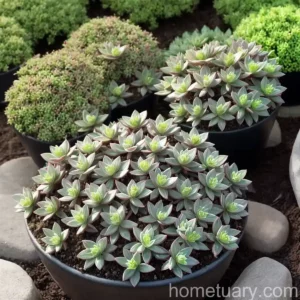
Stonecrop’s versatility and compact growth habit make it an excellent choice for container gardening. Whether you’re adorning a balcony, patio, or windowsill, stonecrop can bring a touch of natural beauty to any outdoor space. Here are some reasons for the popularity of stonecrop in containers:
- Space Efficiency: Stonecrop’s compact growth habit makes it well-suited to containers, where it can thrive without taking up excessive space.
- Visual Appeal: The eye-catching textures, colors, and forms of stonecrop make it a visually appealing choice for container arrangements and mixed planters.
- Drought Tolerance: Stonecrop’s ability to thrive with minimal watering and care makes it an attractive option for low-maintenance container gardening.
- Seasonal Interest: Stonecrop offers year-round interest, with evergreen varieties providing visual appeal even during the winter months.
Common Diseases in Container-Grown Stonecrop
While stonecrop is generally robust and disease-resistant, certain issues can arise when growing it in containers. Here are some common diseases to be aware of when cultivating stonecrop in containers:
- Root Rot: Overwatering or poorly draining soil can lead to root rot, a condition that can cause wilting, yellowing leaves, and overall decline in the plant’s health.
- Powdery Mildew: In humid or poorly ventilated conditions, stonecrop may be susceptible to powdery mildew, a fungal disease that appears as a white, powdery coating on the leaves.
- Stem Rot: Excessive moisture and poor air circulation can lead to stem rot, which can cause the plant’s stems to become mushy and eventually rot.
By providing proper drainage, allowing the soil to dry out between waterings, and ensuring good air circulation, you can minimize the risk of these diseases affecting your container-grown stonecrop plants.
Disease Diagnosis and Management
In the event that your stonecrop plants show signs of disease, it is important to diagnose the issue promptly and take appropriate measures to manage and mitigate the problem. Here are some steps for disease diagnosis and management:
- Symptom Identification: Learn to recognize the symptoms of common stonecrop diseases, such as wilting, discoloration, and the presence of fungal growth.
- Isolation: If a plant shows signs of disease, isolate it from healthy plants to prevent the spread of the issue.
- Cultural Practices: Adjust cultural practices such as watering, fertilizing, and pruning to promote the plant’s overall health and resilience.
- Treatment: In some cases, applying fungicidal treatments or biological controls may be necessary to manage specific diseases affecting stonecrop.
By staying vigilant and addressing any signs of disease promptly, you can help protect your stonecrop plants and maintain a healthy, vibrant garden or container display.
Pests That Affect Stonecrop
While stonecrop is generally resistant to pest infestations, certain pests can pose a threat to the plant under certain conditions. Understanding the common pests that affect stonecrop and implementing appropriate pest control measures can help protect your plants and preserve their health and beauty. Here are some common pests to be aware of:
- Aphids: These tiny, soft-bodied insects can cluster on the new growth of stonecrop plants, sucking sap and potentially causing wilt and distortion of leaves.
- Mealybugs: Mealybugs are small, white, cottony insects that may attack stonecrop, particularly in warm, dry conditions.
- Slugs and Snails: These mollusks can feed on the foliage of stonecrop, leaving behind ragged, chewed leaves and a telltale trail of slime.
Pest Control and Management
To keep pest populations in check and protect your stonecrop plants from potential damage, consider the following pest control measures:
- Natural Predators: Encourage the presence of beneficial insects such as ladybugs, lacewings, and predatory beetles, which can help control aphid and mealybug populations.
- Manual Removal: Handpick slugs and snails from the vicinity of stonecrop plants, particularly during the evening and early morning when they are most active.
- Barriers and Traps: Create physical barriers or use non-toxic traps to deter pests and prevent them from reaching the plants.
By combining these pest control measures with regular monitoring of your stonecrop plants, you can help safeguard them from potential pest-related issues and preserve their vitality and beauty.
Botanist’s Tips for Stonecrop Care
For those seeking to cultivate and care for stonecrop plants, here are some expert tips and insights from botanists and horticulturists:
- Selecting Varieties: Explore the diverse range of stonecrop varieties available, including different colors, textures, and growth habits, to find the ones that best suit your garden or container arrangements.
- Native Habitats: Consider the natural habitats of stonecrop plants when designing your garden, and aim to replicate these conditions to ensure optimal growth and vitality.
- Diverse Uses: Embrace the versatility of stonecrop, using it as a ground cover, accent plant, or container specimen to add visual interest and natural beauty to your outdoor spaces.
By heeding these botanist’s tips and incorporating them into your approach to stonecrop cultivation, you can enhance your understanding and appreciation of these remarkable plants and their unique care requirements.
Fun Facts About Stonecrop
To enrich your understanding and appreciation of stonecrop plants, here are some intriguing and little-known fun facts about this remarkable succulent:
- Pollinator Attraction: Stonecrop flowers are valuable nectar sources for pollinators, including bees, butterflies, and other beneficial insects.
- Winter Interest: Evergreen stonecrop varieties continue to provide visual interest during the winter months, maintaining their attractive foliage even when other plants are dormant.
- Global Distribution: Stonecrop plants can be found in diverse habitats around the world, from alpine regions to arid deserts, showcasing their adaptability and resilience.
By discovering these fun facts about stonecrop, you can deepen your connection with these captivating plants and gain a greater appreciation for their remarkable traits and ecological significance.
External Resources and Further Reading
For those eager to delve deeper into the world of stonecrop and expand their knowledge, here are some valuable external resources and further reading materials:
- The Sedum Society – Explore an organization dedicated to the study and appreciation of the Sedum genus, offering valuable resources and insights for enthusiasts.
- Royal Horticultural Society – Sedum and Hylotelephium – Discover in-depth information about stonecrop varieties and their cultivation from the prestigious Royal Horticultural Society.
- University of Florida – Extension: Growing Sedums in the Landscape – Access comprehensive guidelines for growing sedums, including stonecrop, in the landscape, provided by the University of Florida Extension.
- The American Horticultural Society A-Z Encyclopedia of Garden Plants – Explore an extensive plant encyclopedia offering valuable insights into stonecrop and its cultivation.
With the wealth of resources available, you can embark on a journey of discovery and learning, furthering your passion for stonecrop and deepening your expertise in caring for these extraordinary plants.
Conclusion
In this comprehensive guide, we have explored the captivating world of stonecrop, specifically the Sedum ‘Pillow Talk’ variety. From its cultural significance and uses to its growth requirements, propagation methods, and pest control measures, we have delved into the diverse aspects of stonecrop care and cultivation. By incorporating the insights and tips provided in this guide, you can embark on a rewarding journey of cultivating and caring for stonecrop, embracing its natural beauty and remarkable resilience.
Whether you are a seasoned gardener seeking to expand your plant collection or a novice enthusiast eager to explore the wonders of the plant kingdom, stonecrop offers a wealth of visual appeal, ecological value, and horticultural significance. As you embark on your journey with stonecrop, may you find joy and fulfillment in nurturing these remarkable plants and witnessing their enduring beauty in your outdoor spaces.
As you continue your exploration of stonecrop and expand your horticultural horizons, remember to draw inspiration from the natural world, where every plant tells a story of resilience, adaptability, and timeless beauty.
Note: The above content is intended for informational purposes only. The plant care guidelines and recommendations provided are based on general principles and may need to be adjusted based on the specific growing conditions and regional considerations.
Disclaimer: The information provided in this article is for informational purposes only. It is not meant to be a substitute for professional advice or guidance, and it should not be interpreted as such. Always seek the advice of your local gardening experts or horticulturists for specific guidance tailored to your unique growing conditions and plant care needs.