Narcissus ‘Goblet’ (Trumpet Daffodil)
Welcome to our comprehensive guide on the Narcissus ‘Goblet’ or commonly known as the Trumpet Daffodil. In this guide, we will delve into the various.
Introduction
Welcome to our comprehensive guide on the Narcissus ‘Goblet’ or commonly known as the Trumpet Daffodil. In this guide, we will delve into the various aspects of this beautiful plant, from its cultural requirements to its propagation and maintenance tips. Whether you are a seasoned gardener or a novice enthusiast, this guide will equip you with the knowledge needed to successfully cultivate and enjoy the beauty of Narcissus ‘Goblet’ in your own garden.
What is Narcissus ‘Goblet’?
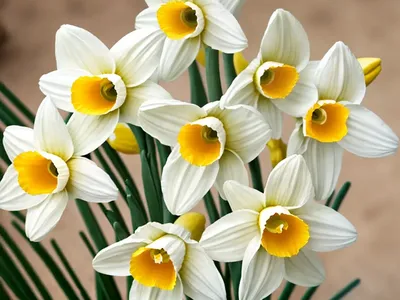
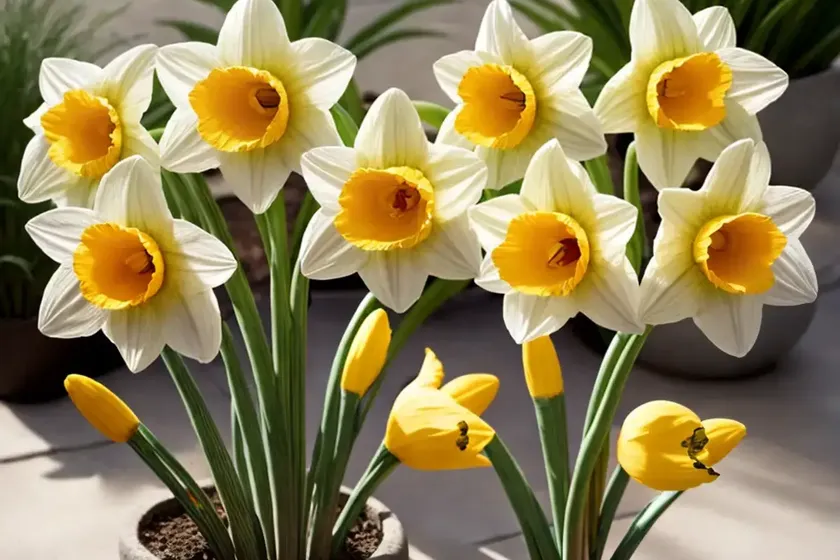
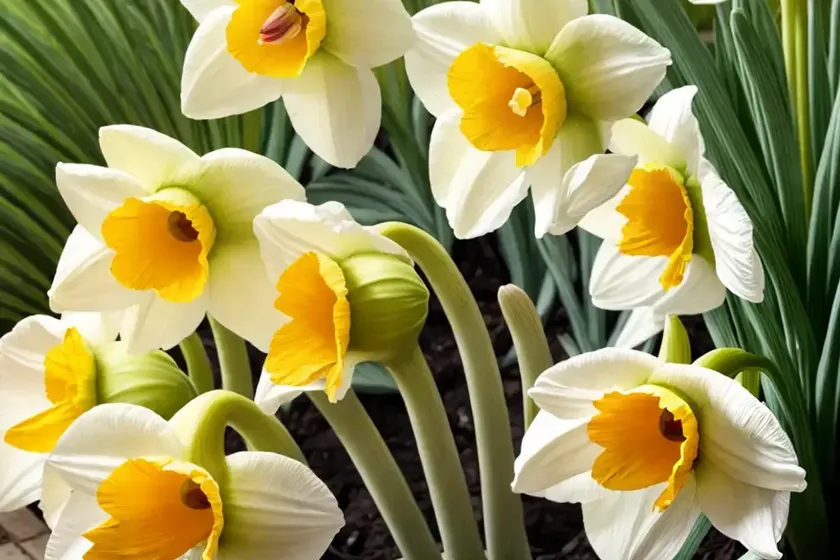
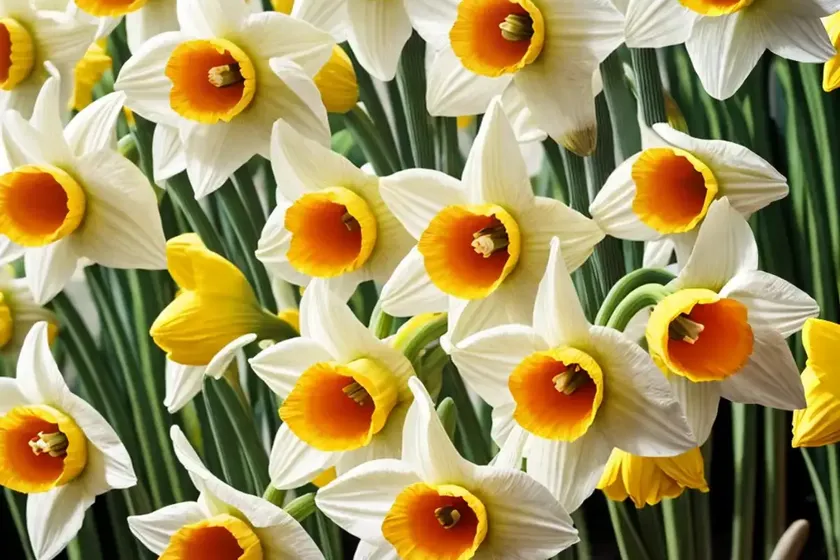
The Narcissus ‘Goblet’ is a cultivar of the Narcissus genus, which is part of the Amaryllidaceae family. This plant is renowned for its striking trumpet-shaped flowers and its vibrant display during the spring season. The ‘Goblet’ variety is characterized by its large, golden-yellow cup that contrasts beautifully with its creamy-white petals, creating an exquisite and elegant flower.
Key Takeaways – Narcissus ‘Goblet’ (Trumpet Daffodil)
Before we delve into the specific care and cultivation techniques for the Narcissus ‘Goblet’, let’s first outline some key takeaways about this delightful plant.
- Narcissus ‘Goblet’ is a cultivar of the Narcissus genus and is known for its trumpet-shaped flowers.
- This variety features a large, golden-yellow cup and creamy-white petals.
- It is a spring-blooming plant, adding a burst of color to gardens and landscapes.
- Narcissus ‘Goblet’ requires well-draining soil and a sunny location for optimal growth.
- The plant is relatively low-maintenance and can naturalize in suitable conditions.
Now that we have an overview of the Narcissus ‘Goblet’, let’s explore the specific cultural needs and requirements for cultivating this stunning plant.
Culture of Narcissus ‘Goblet’
Cultivating Narcissus ‘Goblet’ involves understanding its specific cultural requirements, including its preferred growing conditions, sunlight exposure, water needs, fertilizer application, and soil preferences. In this section, we will explore each of these aspects in detail to ensure that you are equipped with the knowledge needed to provide an optimal environment for your Trumpet Daffodils.
Uses
The Narcissus ‘Goblet’ holds a special place in horticulture, offering both aesthetic and practical uses in various settings. Some of the key uses of this plant include:
- Garden Displays: Narcissus ‘Goblet’ is commonly used in garden beds, borders, and container plantings to create stunning displays of spring flowers.
- Cut Flowers: The long, sturdy stems of the Trumpet Daffodil make it an ideal candidate for cut flower arrangements, adding a touch of elegance to indoor spaces.
- Naturalization: In suitable environments, Narcissus ‘Goblet’ can naturalize and form charming clusters, enhancing the beauty of natural landscapes.
These diverse uses make Narcissus ‘Goblet’ a versatile and valuable addition to any garden or floral arrangement.
Water
Proper watering is essential for the healthy growth and development of Narcissus ‘Goblet’. While the plant can tolerate dry spells, consistent moisture during its active growth stages is crucial. When watering this plant, it is important to consider the following factors:
- Frequency: Water the Narcissus ‘Goblet’ regularly during the growing season, ensuring that the soil is moist but not waterlogged.
- Avoid Overwatering: Excessive moisture can lead to bulb rot, so it is important to strike a balance and allow the soil to dry out slightly between waterings.
- Reduced Watering: After the flowering period and as the foliage begins to yellow, gradually reduce watering to allow the bulbs to enter dormancy.
By understanding the water needs of Narcissus ‘Goblet’, you can provide the appropriate moisture levels to support its growth and blooming cycles.
Sunlight
Like many daffodil varieties, Narcissus ‘Goblet’ thrives in full sunlight or partial shade. Adequate exposure to sunlight is essential for the plant’s overall health and flowering performance. Consider the following sunlight requirements for nurturing healthy Trumpet Daffodils:
- Full Sun: Ideally, provide the Narcissus ‘Goblet’ with at least 6-8 hours of direct sunlight each day to promote robust growth and abundant flowering.
- Partial Shade: If planting in warmer climates, providing some afternoon shade can help protect the flowers from intense heat and prevent premature fading.
Understanding the sunlight preferences of Narcissus ‘Goblet’ will allow you to select an appropriate location for planting and ensure that the plant receives the necessary light exposure.
Fertilizer
Feeding Narcissus ‘Goblet’ with a balanced fertilizer can support its growth and flowering capabilities. Here are some key considerations when applying fertilizer to your Trumpet Daffodils:
- Timing: Apply a complete, balanced fertilizer in early spring as the foliage emerges to provide the necessary nutrients for flower production.
- Avoid Excessive Fertilization: Overfertilizing can lead to lush foliage at the expense of flower production, so it is important to follow the recommended application rates.
By incorporating a well-balanced fertilizer regimen, you can enhance the vigor and bloom quality of Narcissus ‘Goblet’ plants.
Soil
The soil composition and structure play a significant role in the successful cultivation of Narcissus ‘Goblet’. The following soil preferences should be taken into account when planting and caring for this daffodil variety:
- Well-Draining Soil: Narcissus ‘Goblet’ thrives in well-draining soil to prevent waterlogging and reduce the risk of bulb rot.
- Rich Organic Matter: Amending the soil with organic matter such as compost or well-rotted manure can provide essential nutrients and improve soil structure.
- pH Level: The optimal pH range for daffodils, including Narcissus ‘Goblet’, is between 6.0 and 7.0, providing a slightly acidic to neutral environment.
By preparing the right soil conditions, you can create an ideal growing environment for Narcissus ‘Goblet’ to flourish.
Pruning
Pruning Narcissus ‘Goblet’ primarily involves post-flowering care to support bulb development and future growth. Consider the following pruning practices for maintaining healthy and attractive Trumpet Daffodils:
- Deadheading: Remove faded flowers to prevent the plant from expending energy on seed production, allowing it to channel its resources into bulb development.
- Foliage Maintenance: Refrain from cutting back or tying up the foliage until it has completely yellowed and withered, as this period allows for the replenishment of bulb reserves.
Adhering to proper pruning techniques can contribute to the overall vitality and longevity of Narcissus ‘Goblet’ in your garden.
Propagation of Narcissus ‘Goblet’
Narcissus ‘Goblet’ can be propagated through various methods, including division of bulbs and seed propagation. Each technique offers its own set of advantages and considerations, providing opportunities to expand your collection of these captivating daffodils.
Division of Bulbs
Dividing daffodil bulbs is a reliable and straightforward method for propagating Narcissus ‘Goblet’. To successfully divide and propagate daffodil bulbs, follow these essential steps:
- Timing: The best time to divide daffodil bulbs is in late summer to early autumn, allowing sufficient time for the bulbs to establish before the onset of winter.
- Bulb Selection: Choose healthy and mature bulbs with well-developed offsets, ensuring that each division has the potential to produce robust plants.
- Division Process: Carefully separate the individual bulbs and offsets, ensuring that each division has an intact basal plate and a portion of the surrounding scales for future growth.
- Planting: Replant the divided bulbs at the appropriate depth and spacing, providing the necessary aftercare to support their establishment.
By mastering the division process, you can propagate Narcissus ‘Goblet’ and expand your collection of these stunning daffodils.
Seed Propagation
While seed propagation may require more time and patience compared to bulb division, it offers an exciting opportunity to grow new and unique daffodil varieties. When propagating Narcissus ‘Goblet’ from seeds, consider the following guidelines:
- Seed Collection: Harvest mature seeds from the spent flower heads, allowing them to fully ripen and dry before collection.
- Preparation: Sow the seeds in a well-draining, sterile potting mix, ensuring that they are evenly spaced and covered with a thin layer of soil.
- Germination Conditions: Provide consistent moisture and warmth to facilitate seed germination, maintaining optimal growing conditions for the emerging seedlings.
- Seedling Care: Once the seedlings have developed several leaves, transplant them into individual pots or a designated nursery area, providing appropriate care and monitoring their growth.
By exploring seed propagation, you can experience the rewarding process of cultivating Narcissus ‘Goblet’ from seeds and potentially discover unique variations within the Trumpet Daffodil family.
Container Popularity
Narcissus ‘Goblet’ is well-suited for container cultivation, offering a compact and vibrant display of spring blooms in various urban and garden settings. The popularity of growing Narcissus ‘Goblet’ in containers can be attributed to several factors:
- Space Efficiency: Container planting allows individuals with limited garden space to enjoy the beauty of Narcissus ‘Goblet’ on balconies, patios, and other confined areas.
- Versatility: The portability of containers enables gardeners to strategically position the plants, creating captivating focal points and arrangements throughout outdoor living spaces.
- Maintenance Control: Container gardening provides greater control over soil composition, moisture levels, and location, allowing for tailored care of Narcissus ‘Goblet’ based on its specific needs.
The popularity of growing Narcissus ‘Goblet’ in containers presents an appealing and accessible option for individuals seeking to incorporate these captivating daffodils into their outdoor environments.
Common Diseases and Pest Management
Understanding the potential diseases and pests that can affect Narcissus ‘Goblet’ is essential for proactive management and the overall health of the plants. In this section, we will explore the common diseases, their diagnosis, as well as effective pest control measures for maintaining vibrant and robust Trumpet Daffodils.
Disease Diagnosis
Narcissus ‘Goblet’ is generally resilient to many common diseases, but it may still be susceptible to certain issues that can impact its growth and flowering. Some of the key diseases that may affect Narcissus ‘Goblet’ include:
- Fungal Diseases: Botrytis (gray mold) and Fusarium can cause rotting of bulbs and foliage, leading to wilting and decline of the plant.
- Viral Infections: Viruses such as Narcissus yellow stripe virus can result in yellow streaking of the foliage and overall weakening of the plant.
To diagnose and address potential diseases in Narcissus ‘Goblet’, it is important to monitor the plants regularly for any signs of discoloration, wilting, or abnormal growth patterns. Prompt action can help mitigate the spread of diseases and preserve the health of the plants.
Common Pests
While Narcissus ‘Goblet’ is relatively resistant to most pests, there are several insects and other organisms that may pose a threat to its wellbeing. Some of the common pests that gardeners should be vigilant for include:
- Narcissus Bulb Fly: The larvae of this fly can infest and feed on the bulbs, leading to rot and decline of the plant.
- Slugs and Snails: These mollusks can cause damage to the foliage and flowers, particularly in moist and shaded environments.
By carefully monitoring for the presence of pests and their associated damage, gardeners can take proactive measures to control infestations and preserve the vitality of Narcissus ‘Goblet’ plants.
Botanist’s Tips
As seasoned botanists, we are pleased to share some expert tips for the care and cultivation of Narcissus ‘Goblet’. These practical insights are designed to help you maximize the beauty and longevity of your Trumpet Daffodils.
- Bulb Planting Depth: When planting Narcissus ‘Goblet’ bulbs, ensure that they are placed at a depth that is approximately three times the height of the bulb. This allows for sufficient anchoring and insulation during the growth cycle.
- Mulching: Apply a layer of organic mulch around the Narcissus ‘Goblet’ plants to conserve moisture, suppress weed growth, and provide insulation to the bulbs during winter.
- Companion Planting: Consider complementing Narcissus ‘Goblet’ with early-blooming perennials such as primroses, hellebores, or early-flowering shrubs to create harmonious and dynamic spring displays.
By incorporating these botanist’s tips into your gardening practices, you can enhance the health and visual impact of Narcissus ‘Goblet’ in your outdoor spaces.
Fun Facts about Narcissus ‘Goblet’
To further enrich your appreciation for this captivating daffodil variety, here are some fun and intriguing facts about Narcissus ‘Goblet’:
- Historical Significance: Daffodils, including Narcissus ‘Goblet’, have been cherished for centuries and are often associated with themes of rebirth and new beginnings.
- Symbolism: Daffodils are a symbol of hope and renewal, making them a popular choice for gifting during spring celebrations and festive occasions.
- Mythological Connection: The name “Narcissus” is derived from Greek mythology, referencing a youth who fell in love with his own reflection, leading to the creation of the daffodil flower as a symbol of unrequited love.
These fun facts provide a glimpse into the rich cultural and symbolic associations attributed to Narcissus ‘Goblet’ and other daffodil varieties.
Links to External Resources
For further information and resources on growing and caring for Narcissus ‘Goblet’ and other daffodil varieties, we recommend exploring the following reputable sources:
- The American Daffodil Society: American Daffodil Society
- Royal Horticultural Society (RHS): RHS – Daffodils
- University of Maryland Extension: Narcissus Bulb Fly Fact Sheet
- The National Gardening Association: Daffodil Plant Care Guide
By exploring these external resources, you can gain valuable insights, tips, and guidance from leading horticultural organizations and experts in the field of daffodil cultivation.
In conclusion, the enchanting beauty and graceful presence of Narcissus ‘Goblet’ make it a highly sought-after addition to gardens, landscapes, and floral arrangements. By understanding its cultural needs, propagation methods, and pest management techniques, you can cultivate and enjoy the splendor of this iconic daffodil variety. Whether you are a gardening enthusiast, a landscape designer, or simply an admirer of spring flowers, the Narcissus ‘Goblet’ holds a special place as a timeless and captivating botanical gem.
Thank you for joining us in this comprehensive exploration of Narcissus ‘Goblet’ and its horticultural nuances. We hope that this guide has inspired you to embrace the beauty and grace of the Trumpet Daffodil in your own gardening endeavors. Happy gardening!