Sedum Reflexum (Blue Spruce Stonecrop): A Versatile and Hardy Groundcover Plant
As a plant scientist, I have always been fascinated by the diversity and resilience of plant species. One such fascinating plant that has captured the attention of gardeners and landscape enthusiasts is the Sedum reflexum, commonly known as Blue Spruce Stonecrop. This versatile and hardy groundcover plant has a range of remarkable characteristics that make it a valuable addition to various gardening and landscaping projects.
In this comprehensive guide, we will delve into the various aspects of Sedum reflexum, including its cultural requirements, uses, maintenance, and propagation techniques. Whether you are a seasoned gardener or a beginner looking to add an attractive and low-maintenance plant to your outdoor space, this guide aims to provide you with the essential knowledge to successfully cultivate and enjoy the beauty of Sedum reflexum.
What is Sedum reflexum (Blue Spruce Stonecrop)?
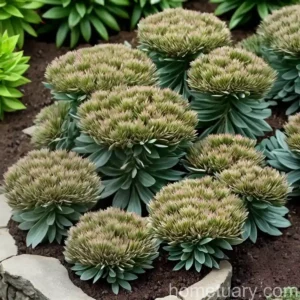
Sedum reflexum, also commonly referred to as Blue Spruce Stonecrop or prickmadam, belongs to the family Crassulaceae. It is a low-growing, mat-forming perennial plant that is native to the mountains of Europe and Northern Africa. The plant is characterized by its needle-like, blue-green foliage that closely resembles the appearance of a blue spruce tree, hence the common name “Blue Spruce Stonecrop.”
While it is primarily valued for its ornamental qualities, Sedum reflexum also offers several functional benefits, such as its ability to provide groundcover, erosion control, and its resilience in challenging environmental conditions.
Key Takeaways – Sedum reflexum (Blue Spruce Stonecrop)
Culture
Uses
Water
Sunlight
Fertilizer
Soil
Pruning
Propagation
Container Popularity
Container Common Diseases
Disease Diagnosis
Common Pests
Botanist’s Tips
Fun Facts
Links to External Resources
Culture
Cultivating Sedum reflexum is relatively straightforward, and it thrives in various environmental conditions. Here are the cultural requirements for successfully growing and maintaining Blue Spruce Stonecrop:
Water
Sedum reflexum is renowned for its drought tolerance and ability to thrive in dry, well-drained soil. While it is adaptable to occasional dry spells, especially once established, providing moderate water during prolonged periods of drought can help maintain the plant’s vigor and aesthetic appeal. However, it is crucial to avoid overwatering, as excessive moisture can lead to root rot and other water-related issues.
Sunlight
One of the defining characteristics of Sedum reflexum is its affinity for sunlight. It flourishes in full sun to partial shade, making it an excellent choice for landscaping areas with ample sunlight exposure. When planted in a location that receives sufficient sunlight, the foliage of Blue Spruce Stonecrop develops its distinctive blue-green hue, adding visual interest to the landscape.
The plant’s remarkable adaptability to various light conditions makes it a versatile choice for different garden settings, from sunny rock gardens to partially shaded borders.
Soil
Sedum reflexum prefers well-drained, moderately fertile soil. It can thrive in various soil types, including sandy, loamy, or rocky soils, as long as they offer adequate drainage. Additionally, the plant exhibits a degree of tolerance to alkaline soil, further expanding its suitability for diverse gardening environments.
Pruning
Limited pruning requirements make Sedum reflexum an attractive option for low-maintenance landscaping. While the plant naturally forms a compact, spreading habit, occasional pruning can help maintain its shape and prevent overcrowding. Pruning can be undertaken in early spring to remove any damaged or dead foliage, allowing the plant to rejuvenate and promote its healthy growth.
Uses
The versatility of Sedum reflexum extends beyond its ornamental value, as it serves multiple practical and aesthetic purposes in gardening and landscaping. Some of its prominent uses include:
Groundcover
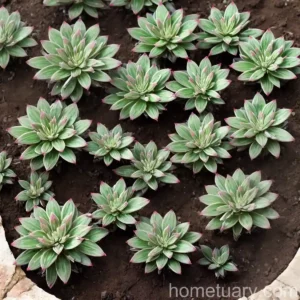
Sedum reflexum is an excellent groundcover plant, creating a lush mat of blue-green foliage that effectively suppresses weed growth and provides visual interest. Its low-growing nature and spreading habit make it an ideal choice for covering bare ground in various outdoor spaces, including rock gardens, slopes, and dry, sunny areas.
Erosion Control
Due to its rapid growth and mat-forming characteristics, Sedum reflexum is often utilized for erosion control on slopes and embankments. The plant’s dense foliage and robust root system help stabilize the soil and prevent erosion, particularly in landscapes prone to water runoff and soil displacement.
Container Planting
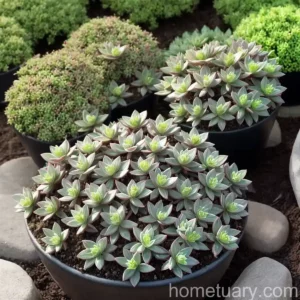
The compact growth habit and ornamental appeal of Blue Spruce Stonecrop make it well-suited for container planting, adding texture and color to mixed container arrangements. When combined with other sun-loving succulents and drought-tolerant plants, Sedum reflexum can create visually striking compositions for patios, balconies, and other outdoor living spaces.
Propagation
Sedum reflexum can be propagated through various methods, including division, cuttings, and seed sowing. Each propagation technique offers unique advantages and considerations, allowing gardeners to expand their collection of Blue Spruce Stonecrop and propagate new plants for different garden areas.
Division
Division is a common and effective method for propagating Sedum reflexum. It involves separating established clumps of the plant into smaller sections, each with viable roots and shoots. Division is best carried out in early spring or late summer, allowing the divided plants to establish themselves before the onset of extreme temperatures.
Cuttings
Propagating Sedum reflexum from cuttings offers a quicker means of generating new plants with characteristics identical to the parent plant. Stem cuttings taken from healthy, vigorous specimens can be rooted in well-draining soil or propagation media. With proper care and environmental conditions, the cuttings will develop roots and grow into independent plants over time.
Seed Sowing
While less commonly practiced than division or cuttings, propagating Sedum reflexum from seeds is a viable option for obtaining a diverse range of plant variations. The tiny seeds can be sown in well-draining soil or seed-starting mix and kept consistently moist until germination occurs. As the seedlings mature, they can be transplanted into individual containers or garden beds to continue their growth.
Container Popularity
Sedum reflexum’s adaptability, low maintenance requirements, and aesthetic appeal contribute to its popularity as a container plant. When grown in containers, Blue Spruce Stonecrop offers a range of benefits and design possibilities, making it a favored choice for various gardening and landscaping applications:
Container Common Diseases
Disease Diagnosis
While Sedum reflexum is generally resilient to most common plant diseases, certain environmental conditions or cultural practices may predispose the plant to specific issues. When grown in containers, it is essential to be mindful of potential diseases that can affect the health and vigor of Blue Spruce Stonecrop:
Root Rot
Overwatering or inadequate drainage in container-grown plants can lead to root rot, a fungal disease that causes the roots to decay and compromise the plant’s ability to absorb water and nutrients.
Powdery Mildew
In humid or poorly ventilated conditions, Sedum reflexum may be susceptible to powdery mildew, a fungal infection characterized by white, powdery patches on the foliage.
Common Pests
While relatively resistant to pest infestations, Sedum reflexum may encounter occasional pest challenges, particularly when grown in containers or garden beds. Being vigilant and promptly addressing any pest issues can help maintain the plant’s health and appearance:
Aphids
Aphids are small, sap-sucking insects that can infest Sedum reflexum, causing damage to the foliage and stunting the plant’s growth. Regular monitoring and the application of appropriate pest control measures can help mitigate aphid infestations.
Snails and Slugs
In moist, shaded environments, container-grown Sedum reflexum may attract snails and slugs, which feed on the plant’s tender foliage. Implementing slug barriers and employing natural or targeted control methods can help manage these pests effectively.
Botanist’s Tips
Fun Facts
Sedum reflexum offers a range of interesting and noteworthy characteristics that contribute to its appeal and value in gardening and landscaping. Here are some fun facts about Blue Spruce Stonecrop:
- The distinctive blue-green foliage of Sedum reflexum is reminiscent of the needles of a blue spruce tree, inspiring its common name “Blue Spruce Stonecrop.”
- The plant’s succulent leaves store water, enabling it to withstand periods of drought and thrive in arid environments.
- In addition to its ornamental uses, Sedum reflexum has been traditionally utilized in herbal medicine for various therapeutic purposes.
- Sedum reflexum is a favorite among pollinators, attracting bees, butterflies, and other beneficial insects with its nectar-rich flowers.
Links to External Resources
For further information, resources, and inspiration regarding Sedum reflexum and its horticultural applications, the following external links are highly recommended:
- Royal Horticultural Society (RHS) – Sedum reflexum
- The Spruce – Growing and Caring for Sedum (Stonecrop)
- University of Missouri Extension – Sedum for the Garden
- American Horticultural Society (AHS) – Sedum Species and Varieties: Stonecrop
- North Carolina State University Extension – The Versatile Sedum
In conclusion, Sedum reflexum, or Blue Spruce Stonecrop, stands out as a versatile, resilient, and visually captivating plant that offers an array of benefits for gardening and landscaping enthusiasts. Its adaptability to diverse environmental conditions, low maintenance requirements, and ornamental attributes make it an invaluable addition to various outdoor spaces. Whether utilized as a groundcover, container plant, or erosion control solution, Sedum reflexum contributes to the aesthetic appeal and ecological functionality of gardens and landscapes. By incorporating the insights and best practices outlined in this guide, gardeners and plant enthusiasts can successfully cultivate and enjoy the enduring beauty of Sedum reflexum in their own outdoor environments.